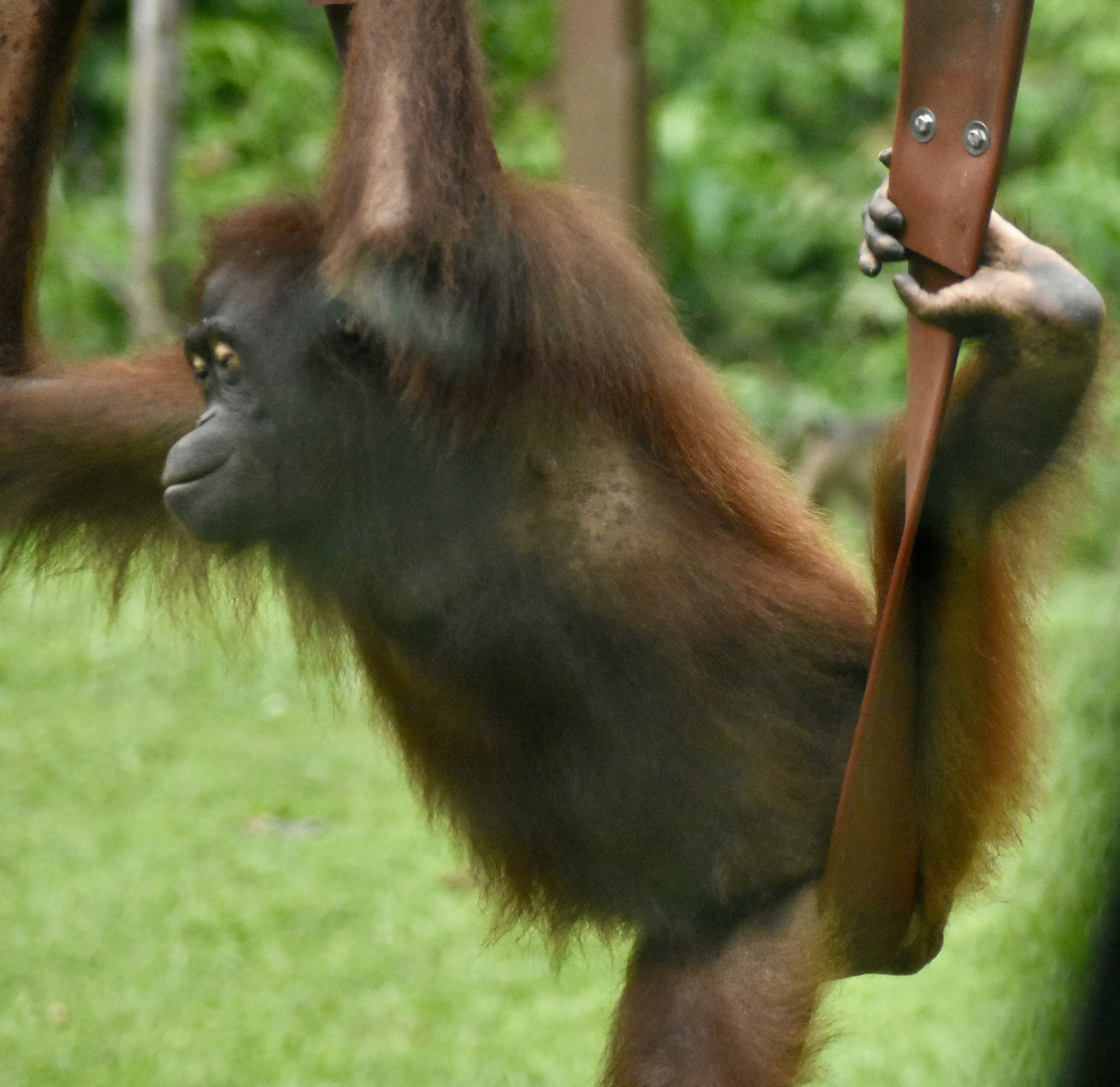
We visited the Orangutan Rehabilitation Centre and the Sun Bear Conservation Centre in Sepilok and sailed up the Kinabatagan River to the Abai Jungle Lodge for a two nights stay.
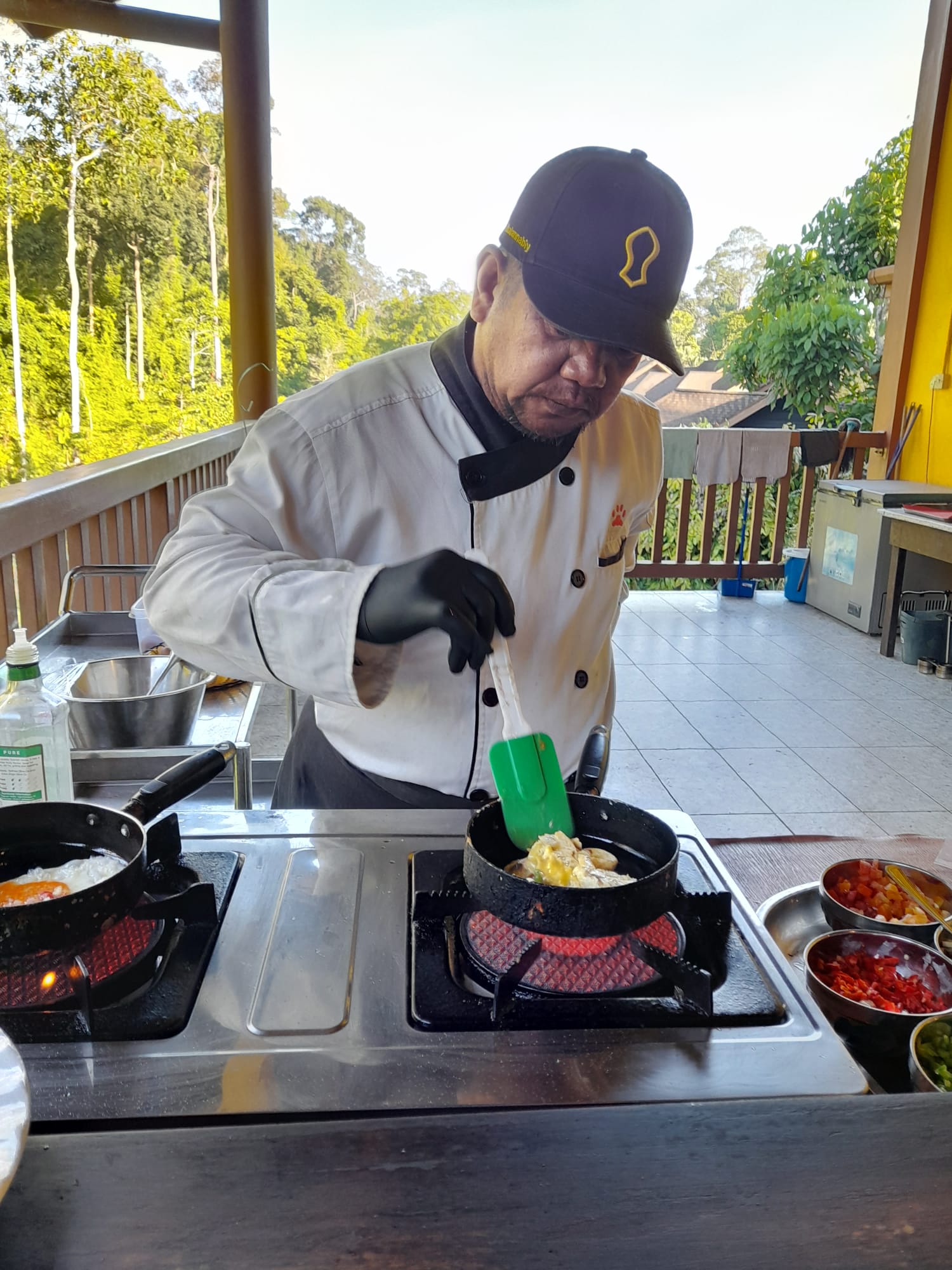
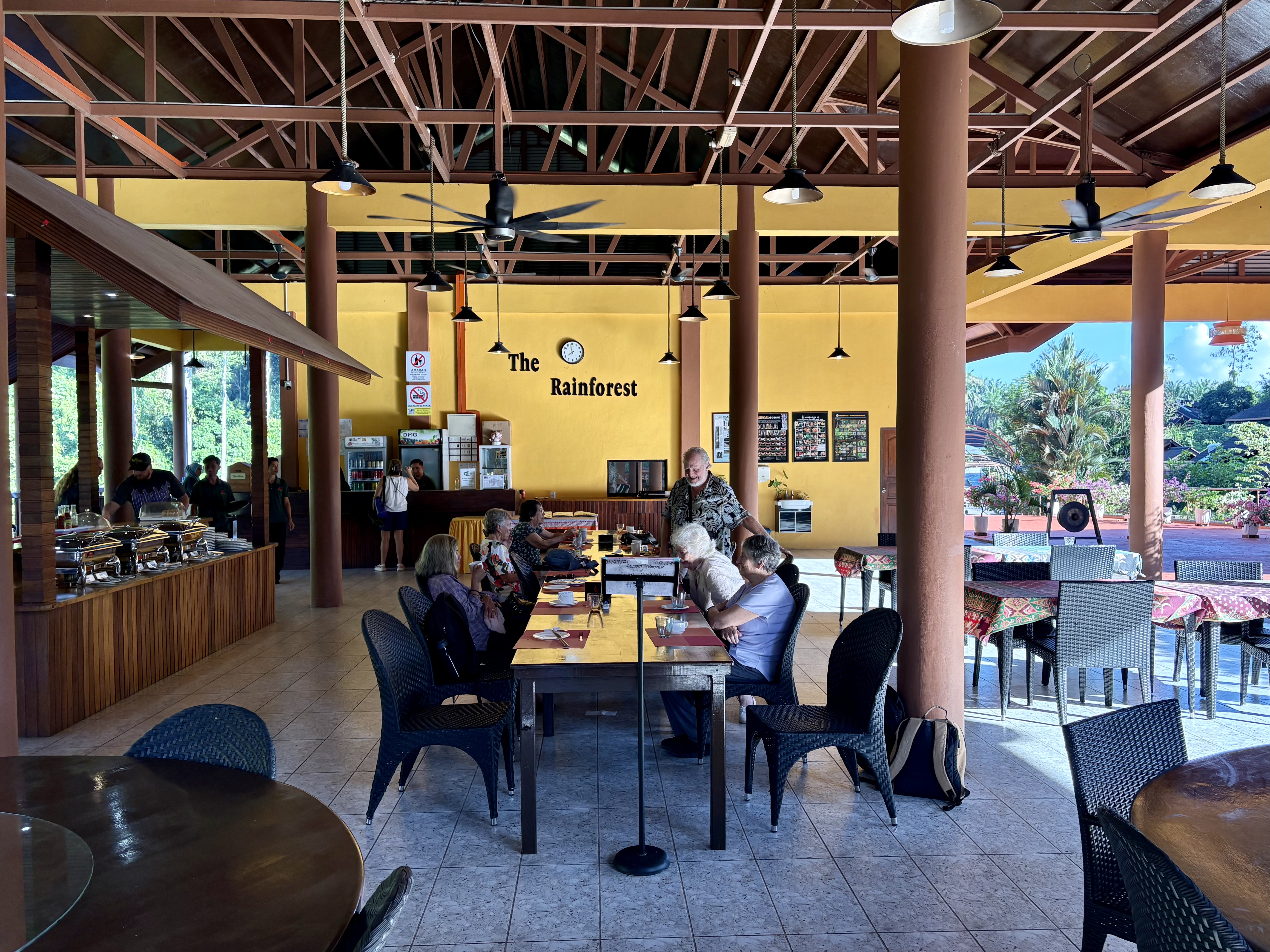
We checked out of the My Nature Resort after a sumptuous cooked breakfast and drove the short distance to the Sepilok Orangutan Rehabilitation Centre.
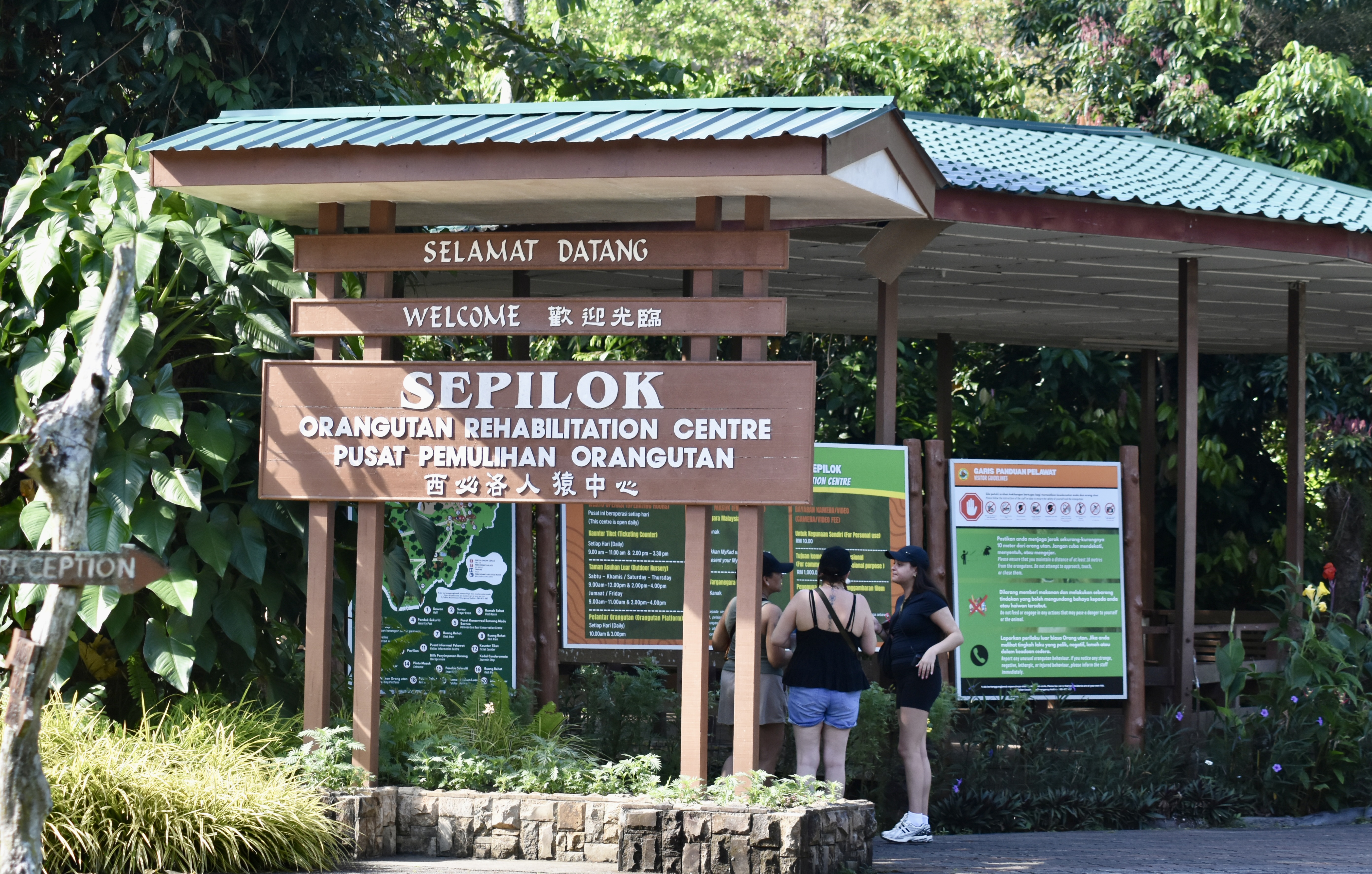
The Sepilok Orangutan Rehabilitation Centre
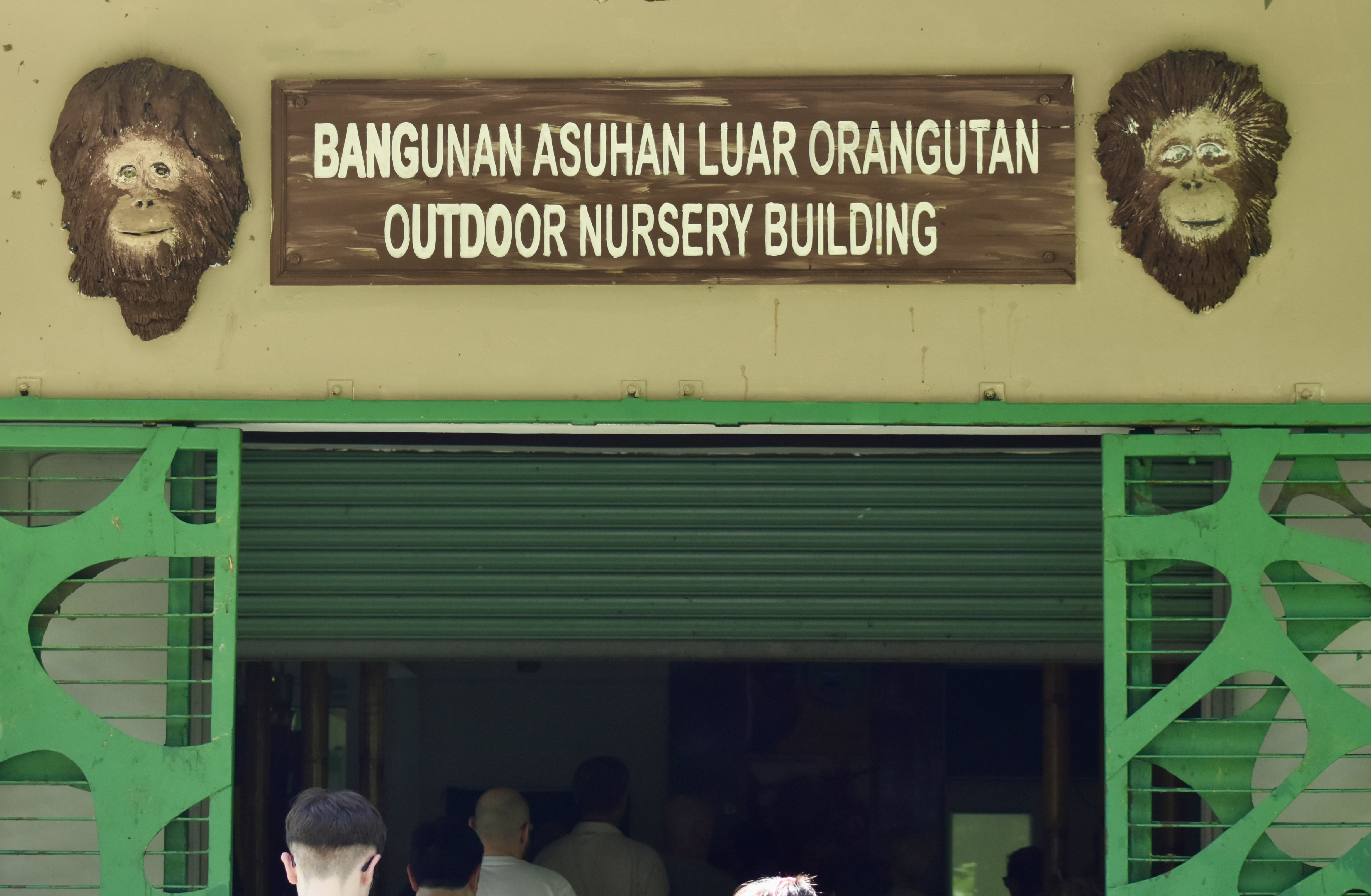
The Sepilok Orangutan Rehabilitation Centre (SOURC) in the 4,294 ha Kabili-Sepilok Forest Reserve was established in 1964 to rehabilitate orphaned orangutans. It has since grown from having just an outdoor platform to an Outdoor Nursery viewing area established in October 2014. Visitors are able to see orangutans during the scheduled 10:00am and 3:00pm feeding session at the platform. Today 60 to 80 orangutans are living free in the reserve.
Orangutans are highly intelligent, red-haired great apes found only in Southeast Asia. Known as “people of the forest,” these arboreal creatures share over 97% of their DNA with humans. Orangutans sleep in nests, constructing a new one out of branches and leaves almost every night. It takes them just 10-15 minutes, and they sometimes add “roofs” to shelter from rain. Their arms can span over 2.2 meters (over 7 feet) from fingertip to fingertip – longer than their standing height, which is roughly 1.5 meters. Orangutans have been observed using sticks to test water depth or extract termites from tree holes, and they sometimes use leaves as umbrellas or gloves to handle thorny fruits. Young orangutans stay with their mothers for 7-8 years to learn crucial survival skills, making them one of the most dependent young of any land mammal.
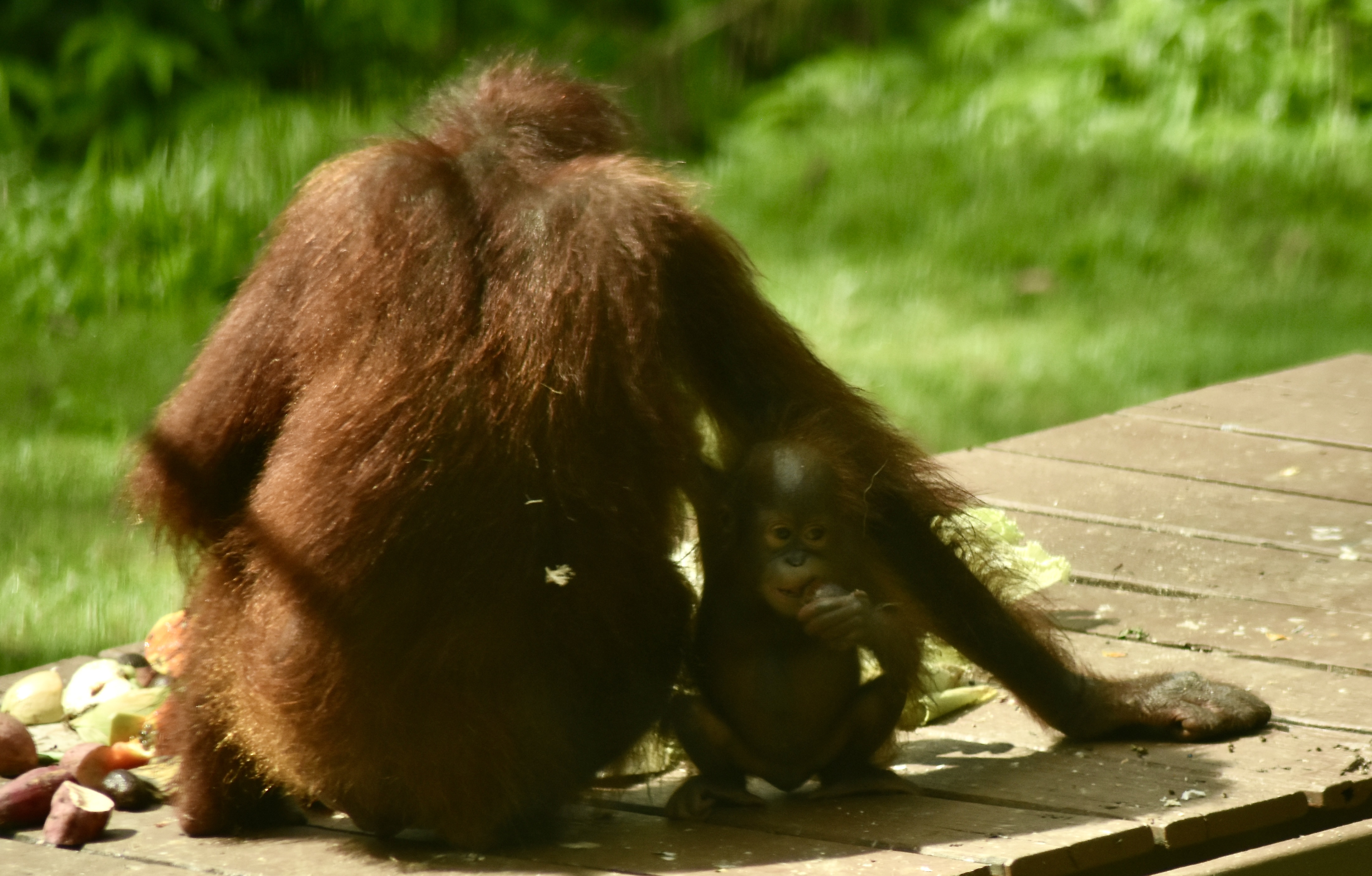
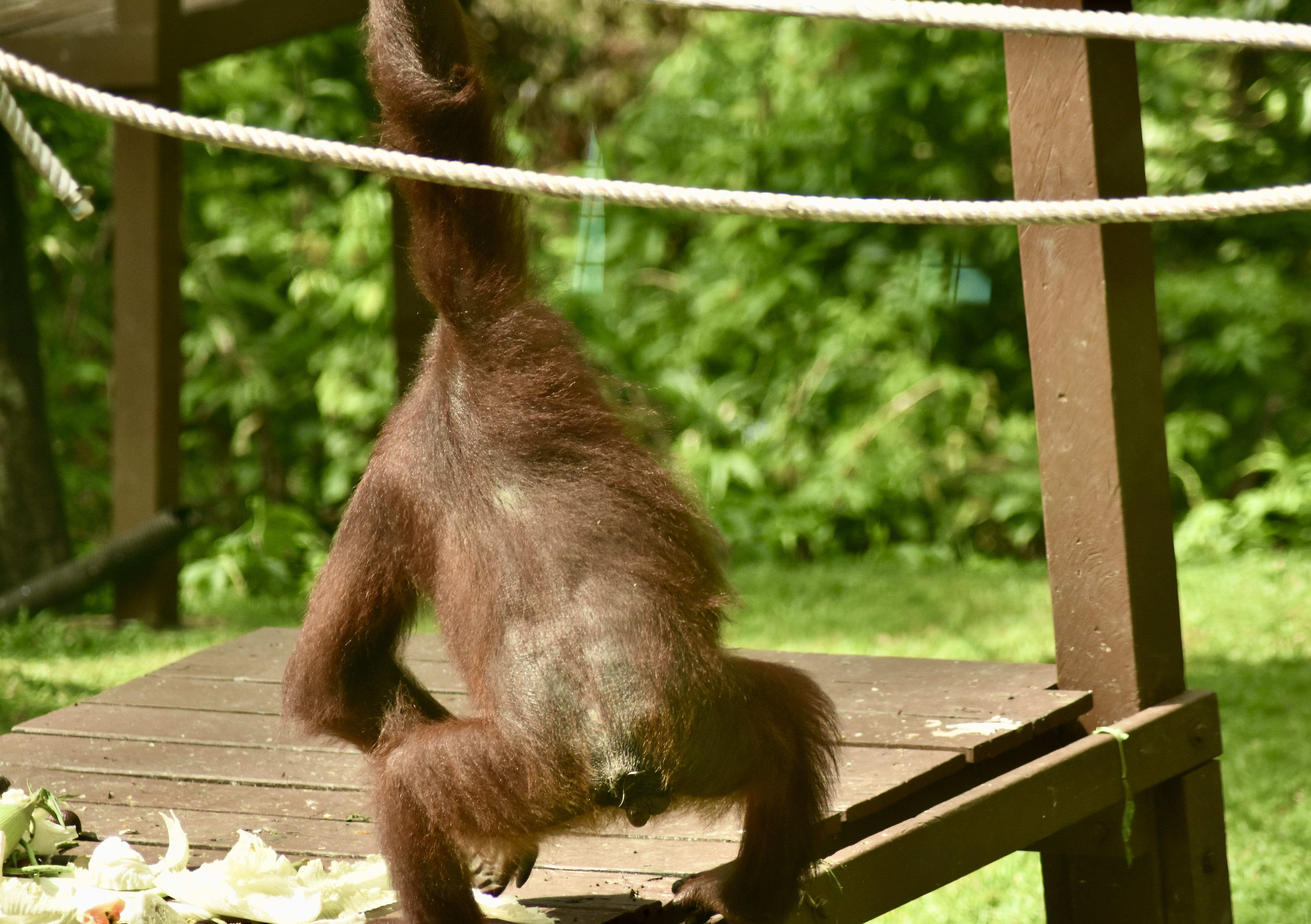
At the Sepilok Orangutan Rehabilitation Centre, we watched from a glass-fronted, tiered viewing area, adult and baby orangutans feeding and playing.
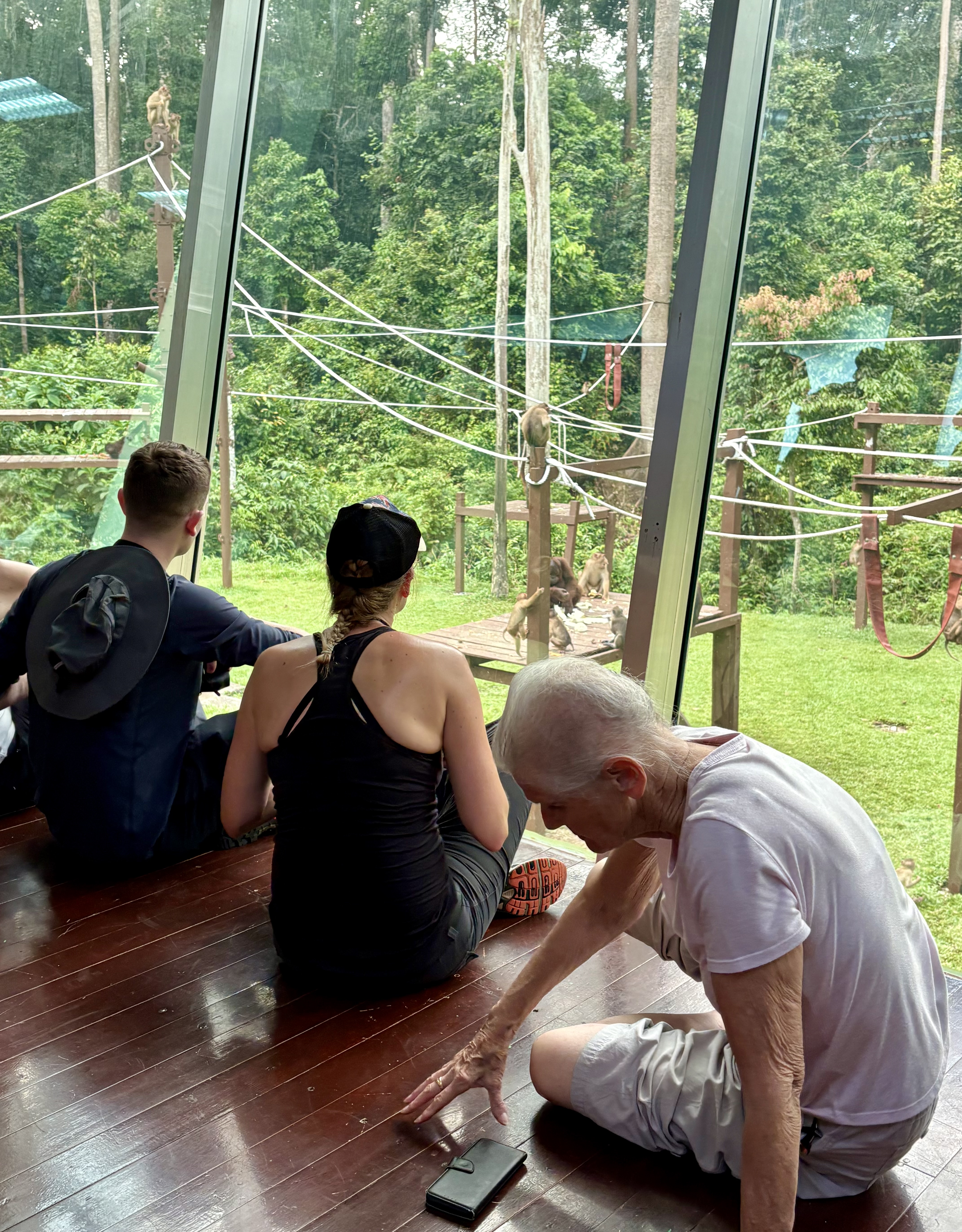
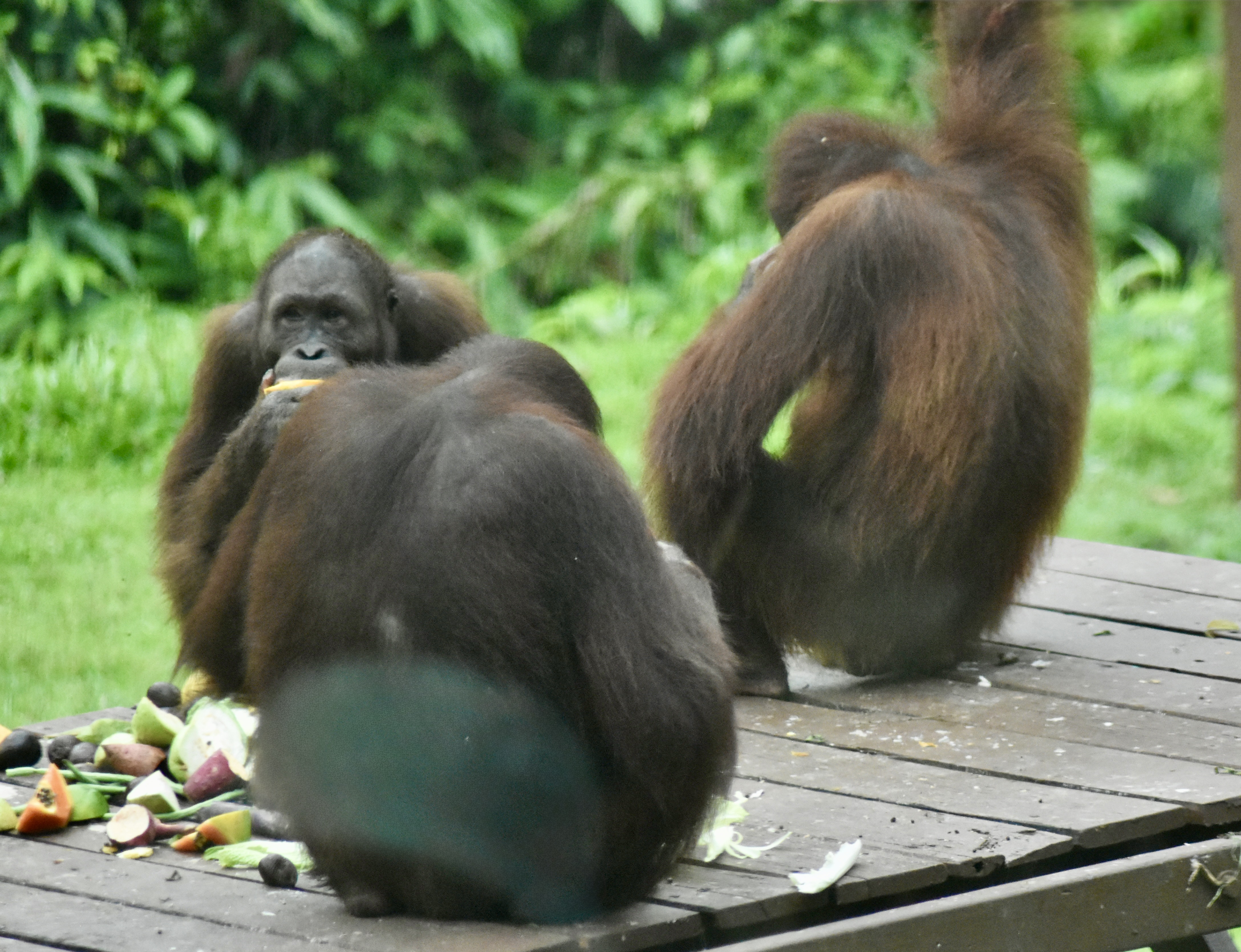
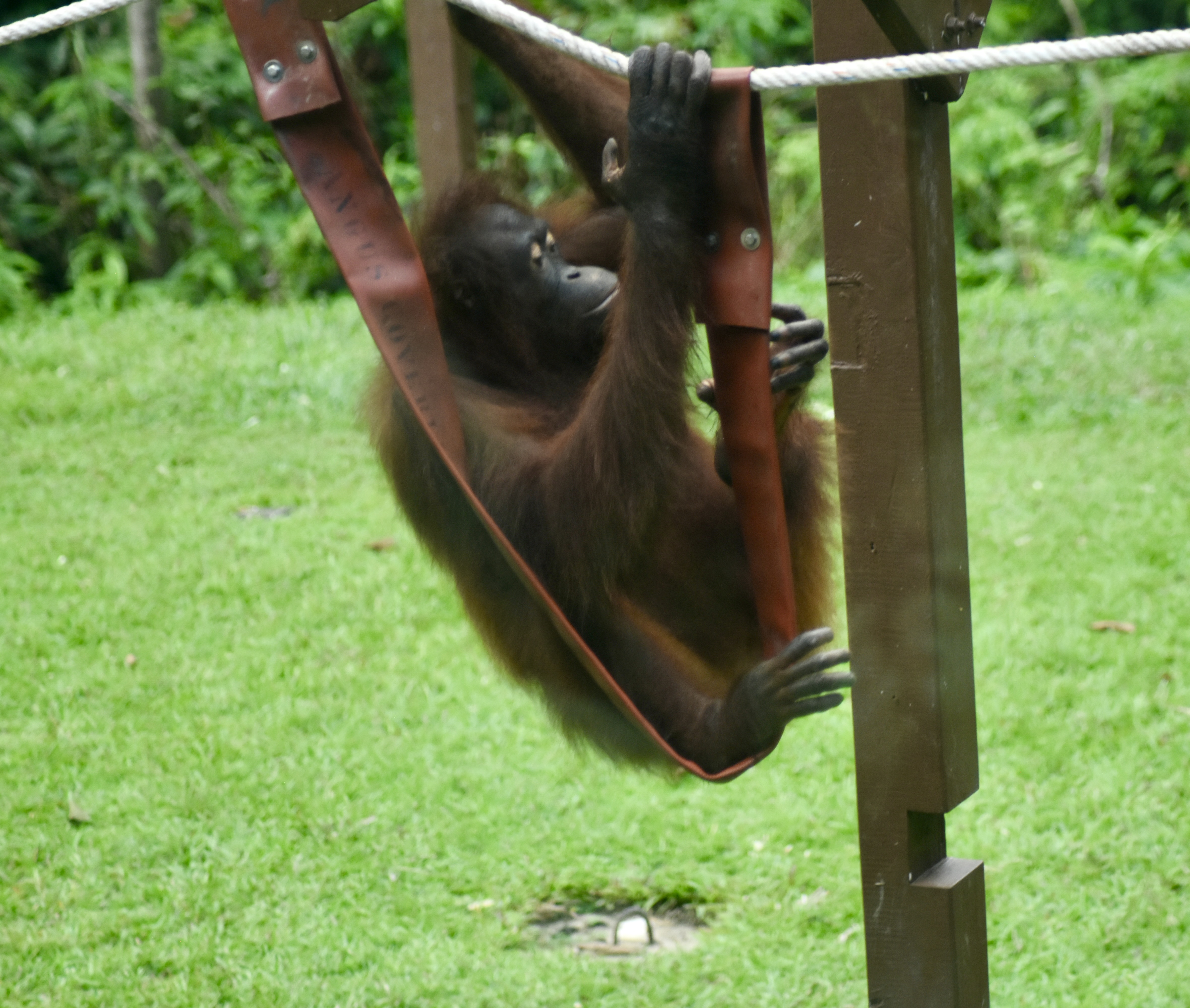
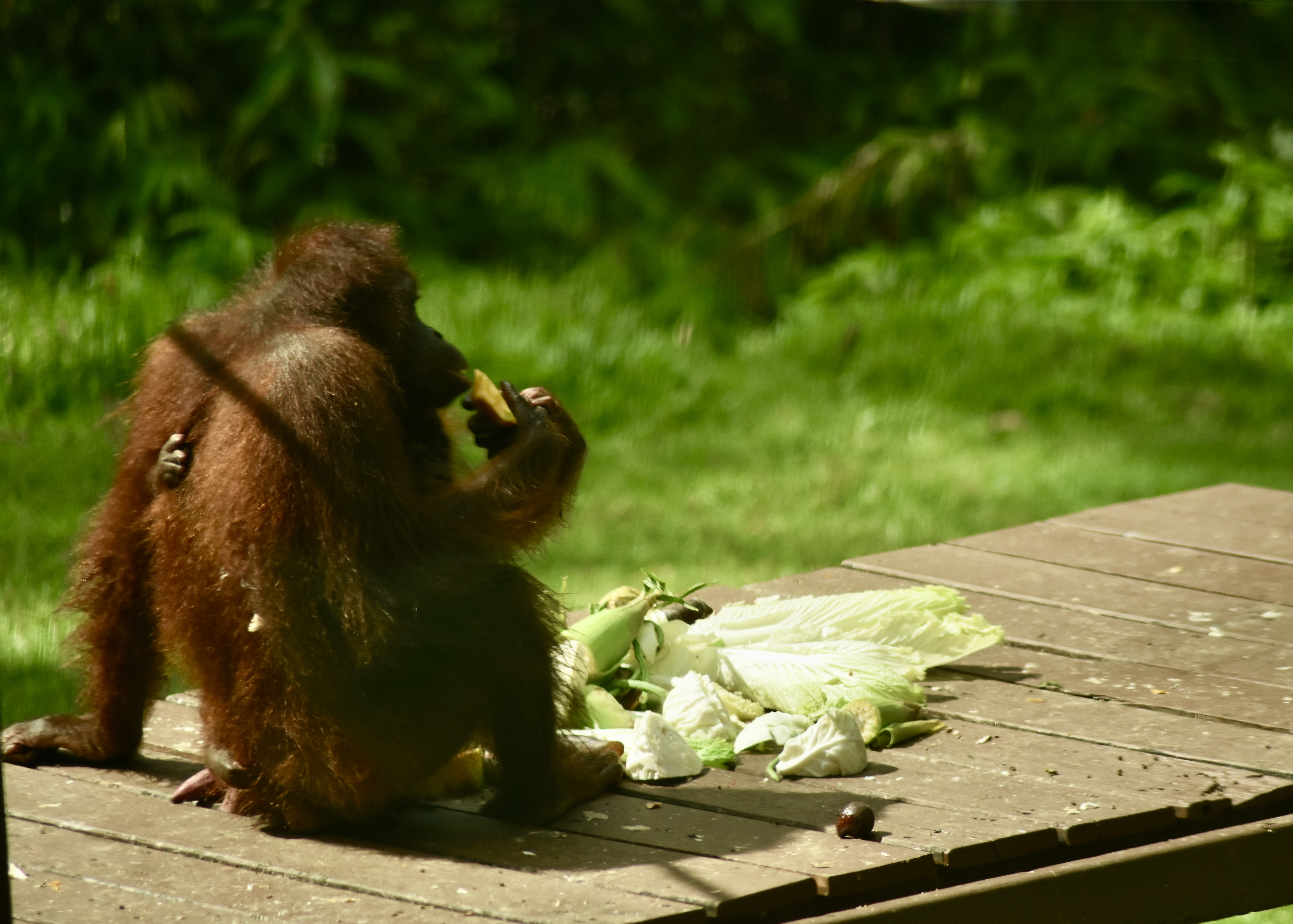
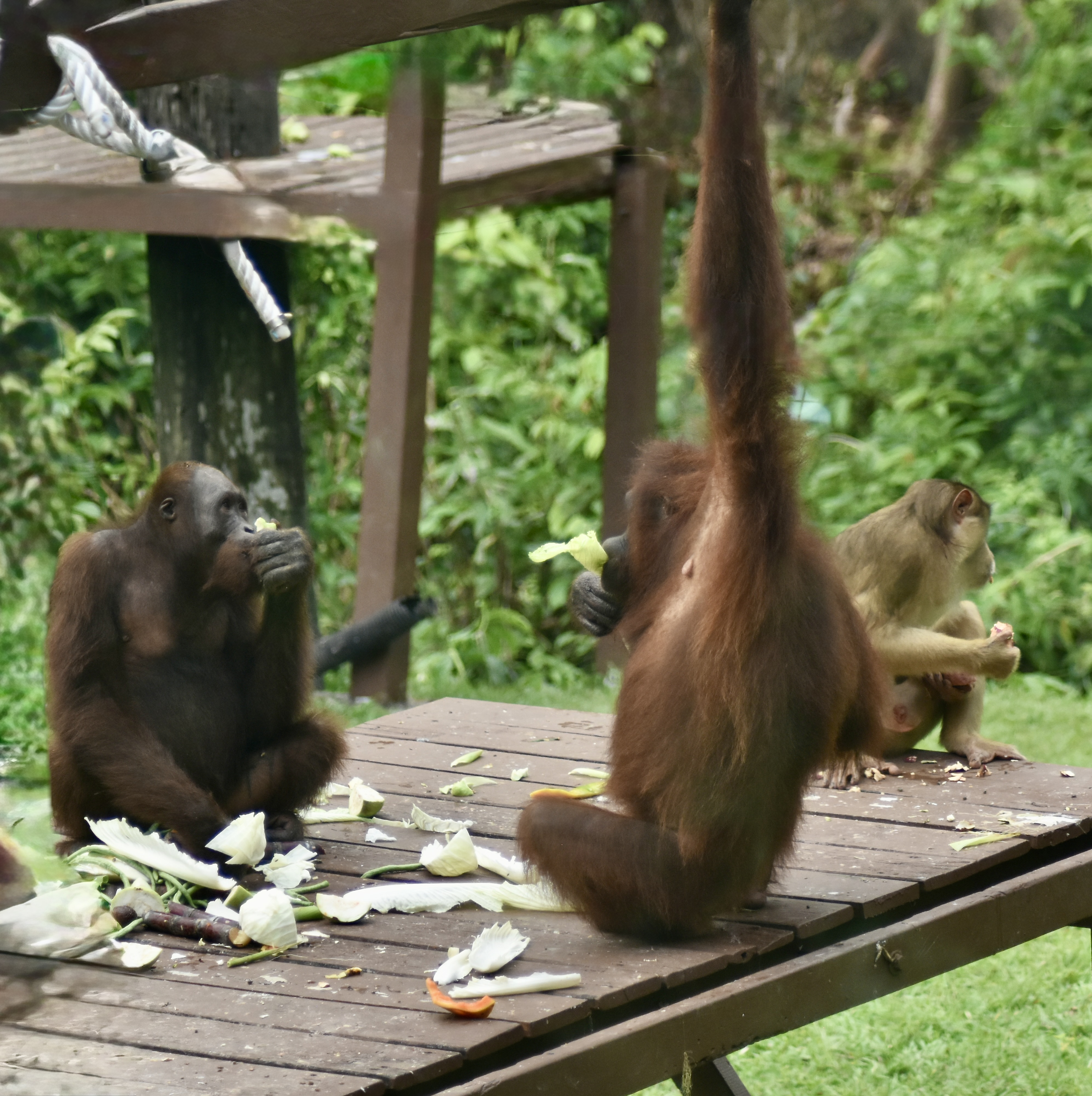
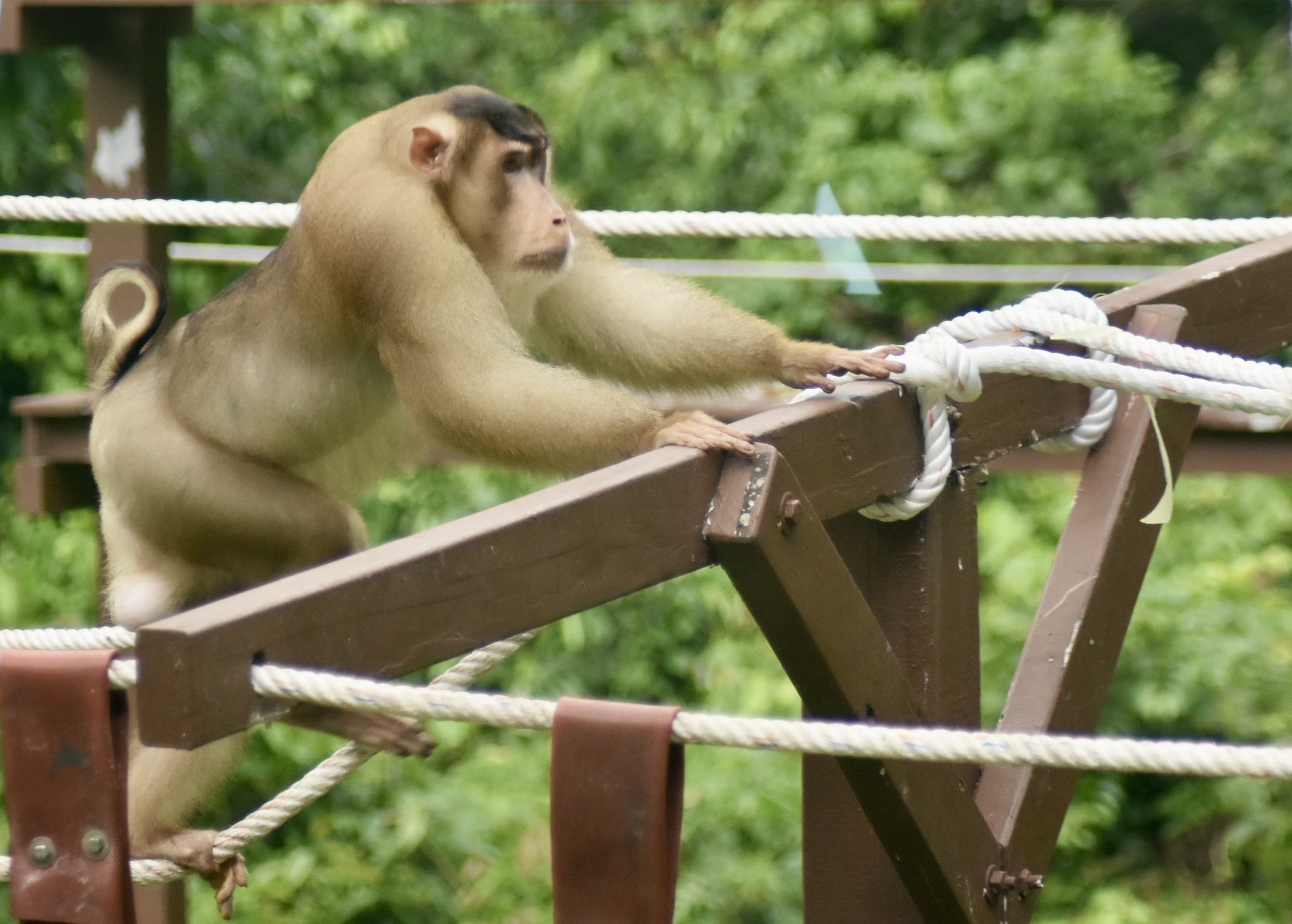
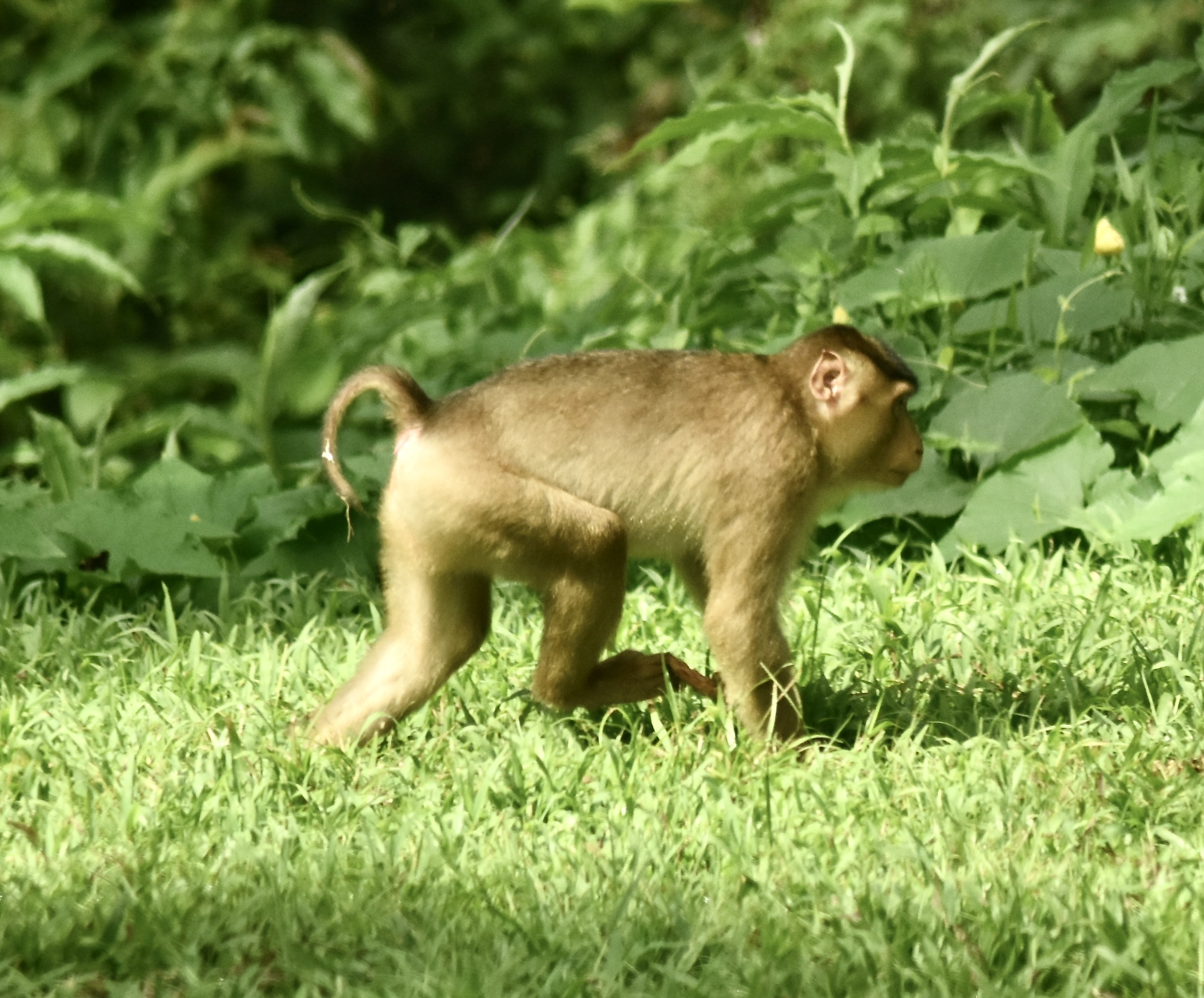
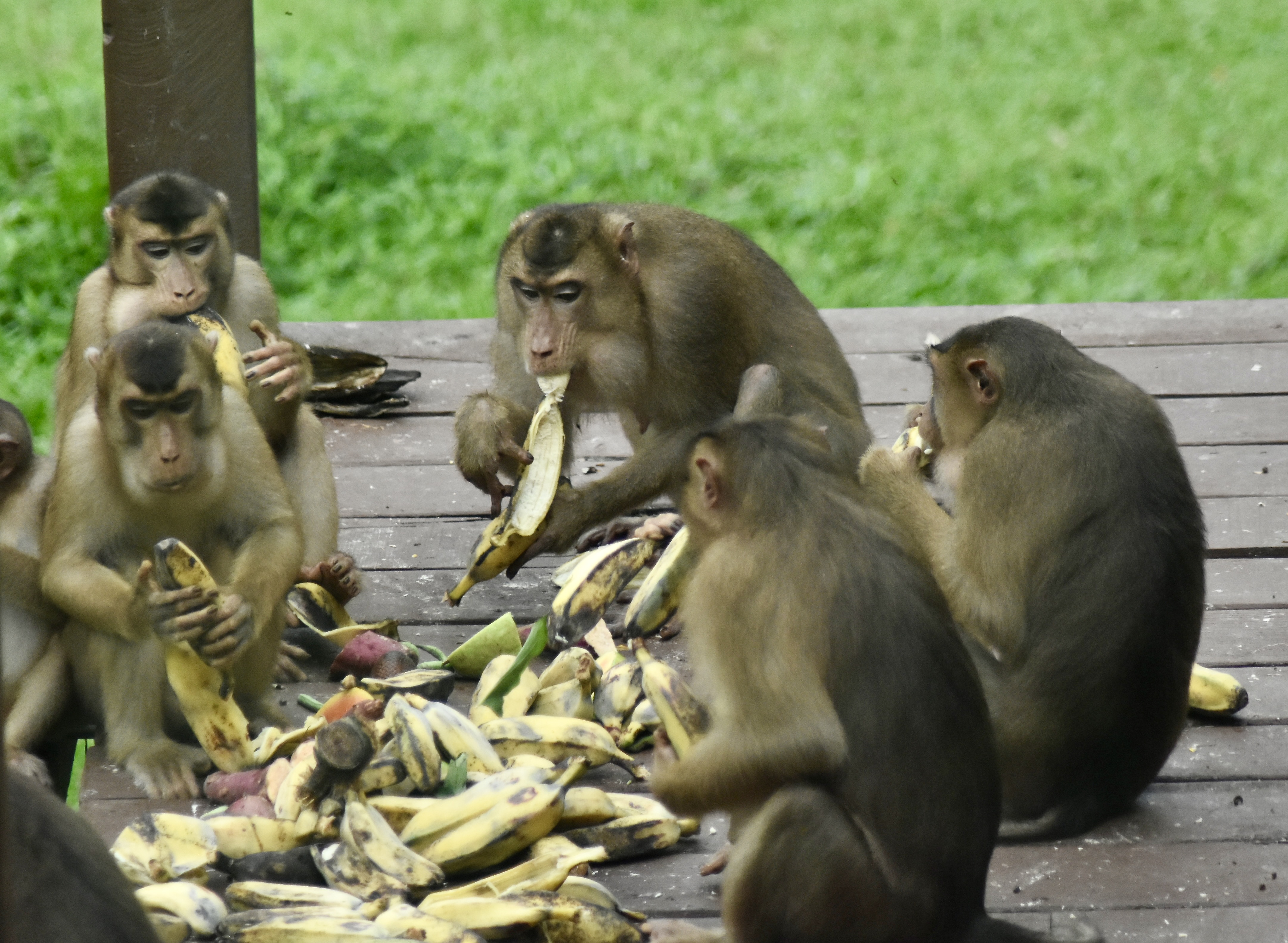
Pigtail Monkeys who also live in the Kabili-Sepilok Forest Reserve, often join the orangutans at the feeding tables.
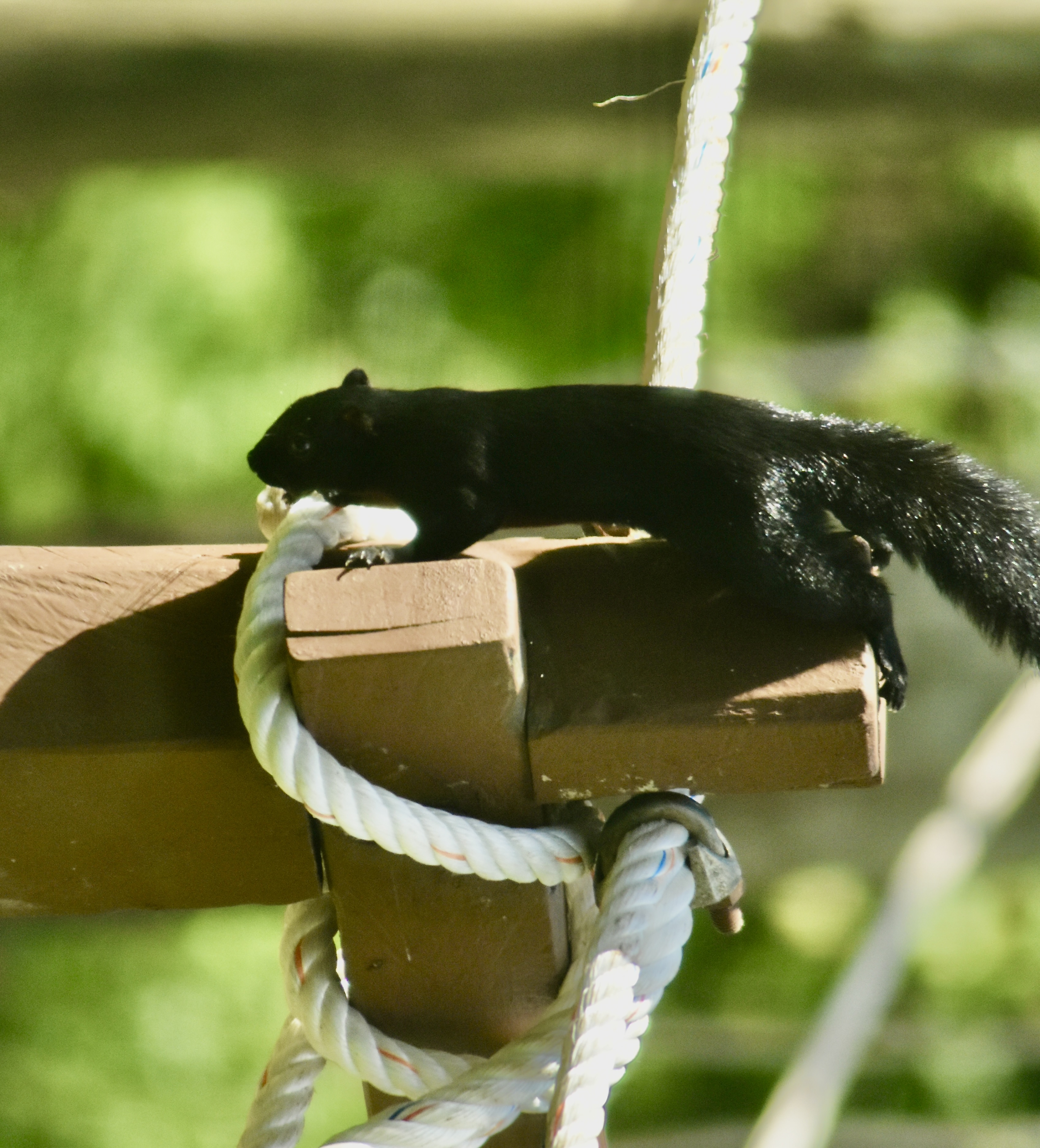
A Borneo Black Banded Squirrel made a brief appearance at the orangutan feeding table.
The Borneo Black-banded Squirrel (Callosciurus orestes) is a species of rodent endemic to northern Borneo. It is characterized by finely speckled brown upperparts, a black and buffy-white side stripe, and a greyish underside, sometimes with a reddish tinge and is found in small-to-medium trees in northern Borneo’s tropical forests. Int feeds primarily on fruit and insects.
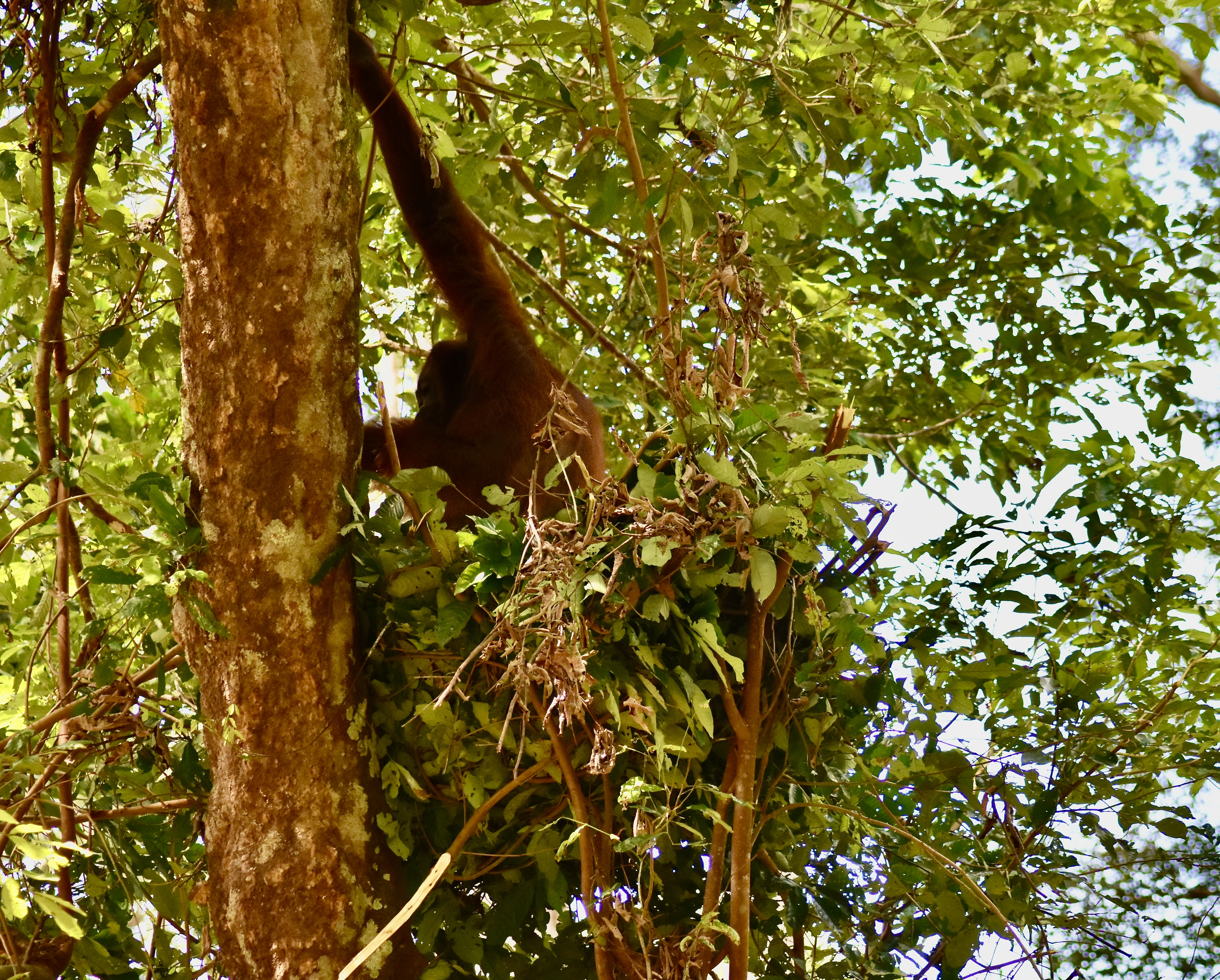
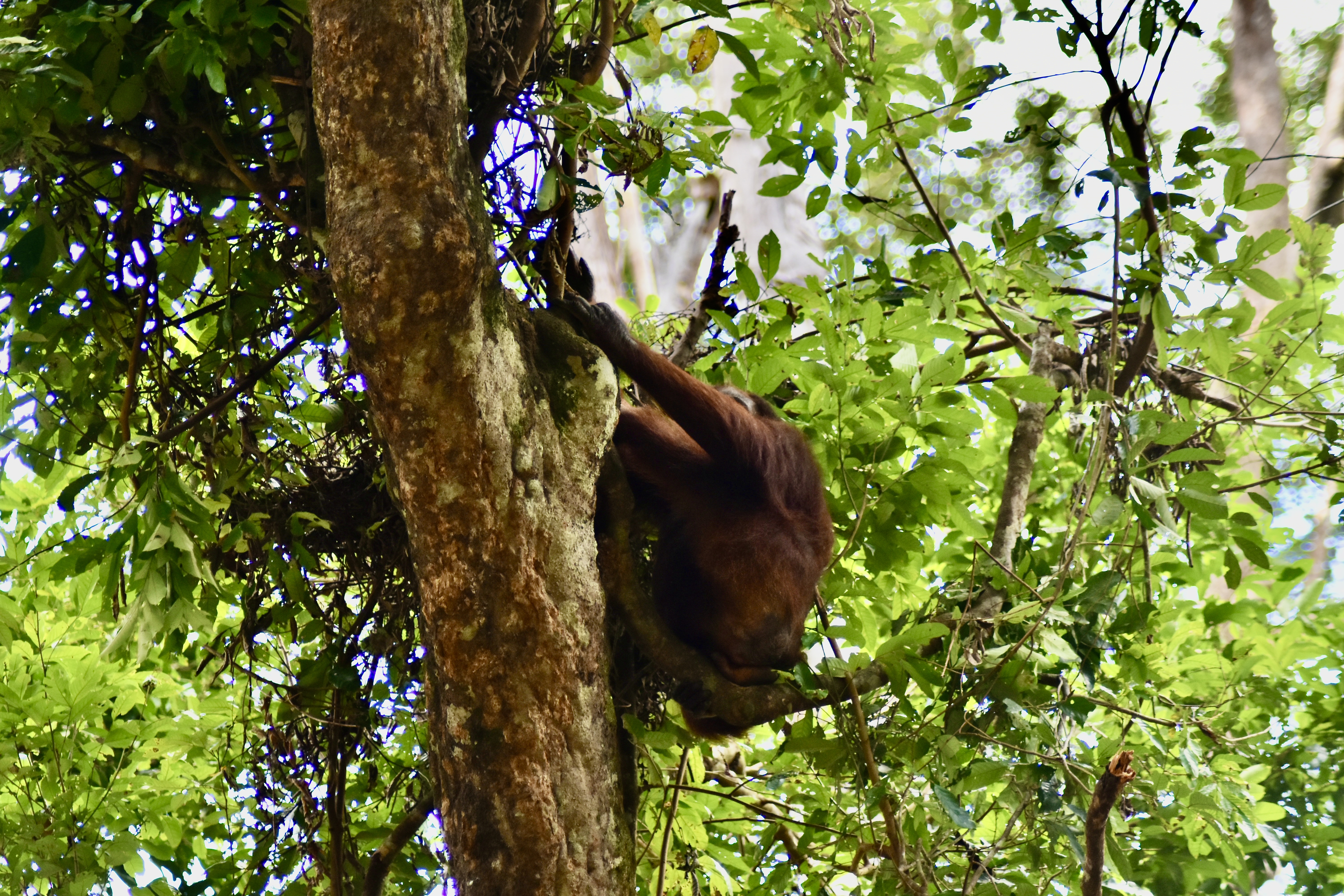
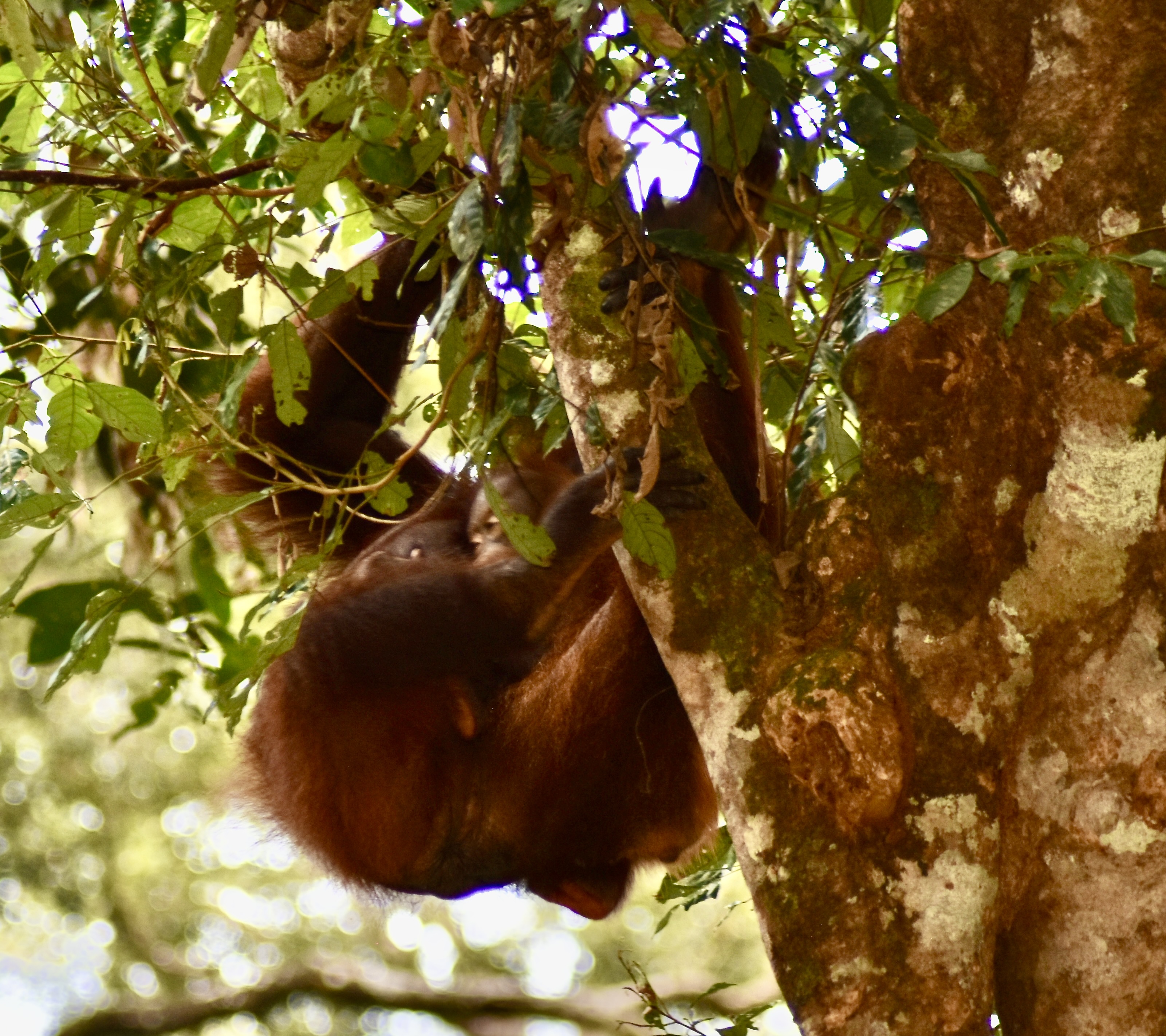
On the way out of the Centre, two orangutans were spotted emerging from their treetop nest.
Sun Bear Conservation Centre
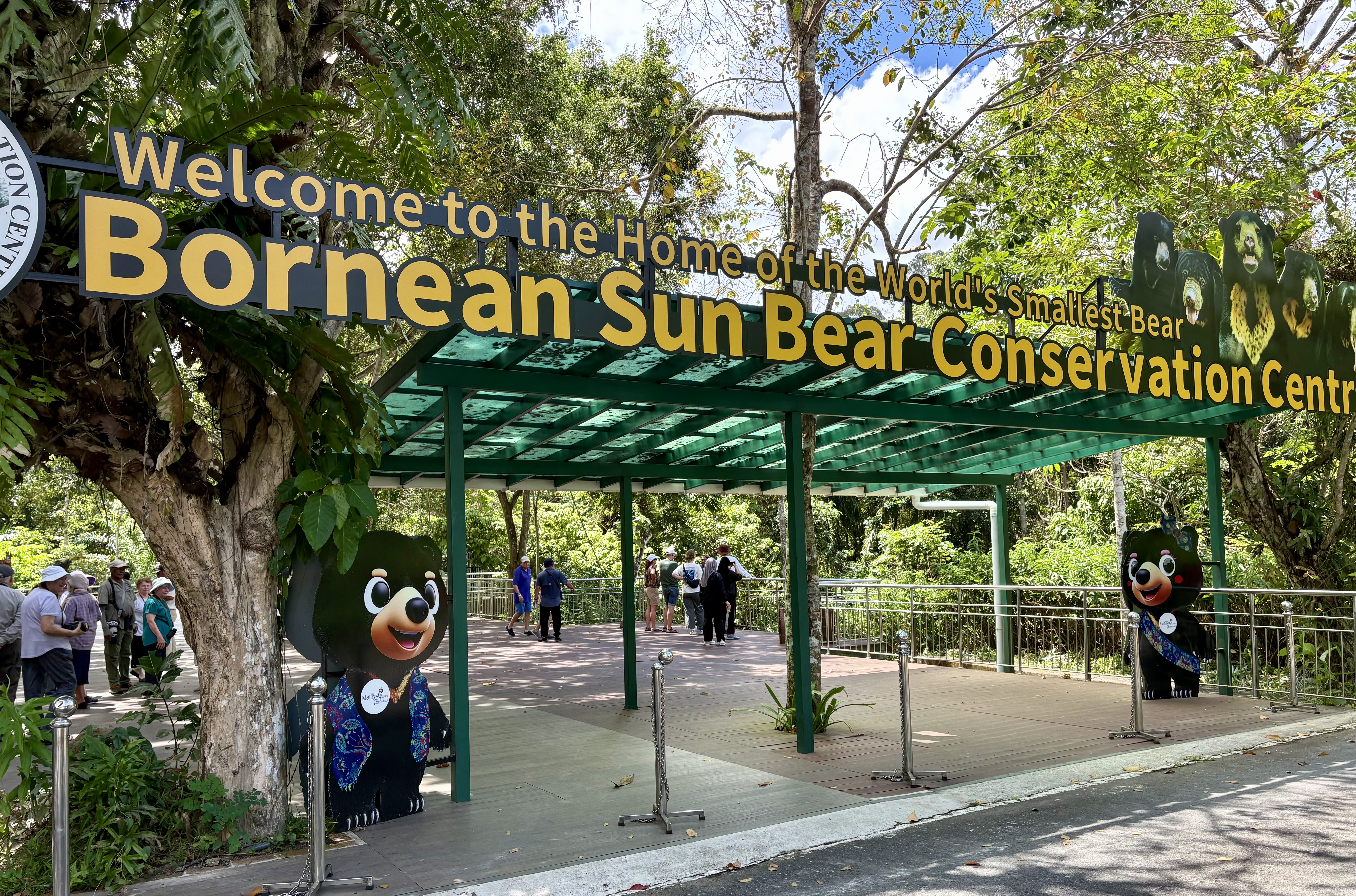
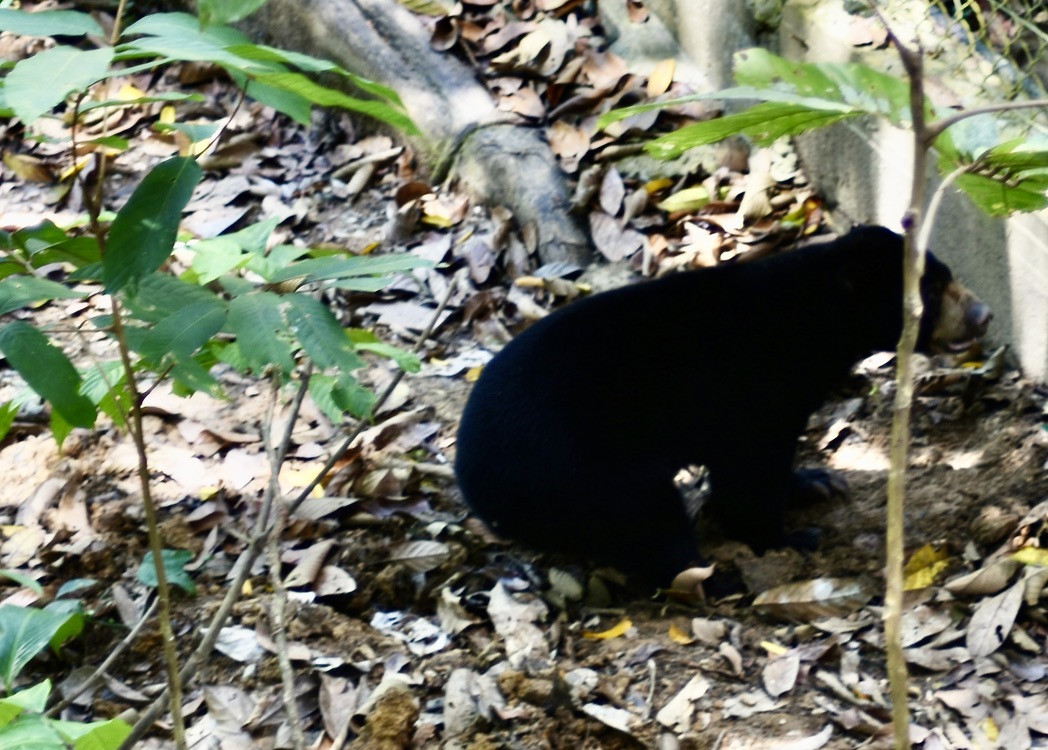
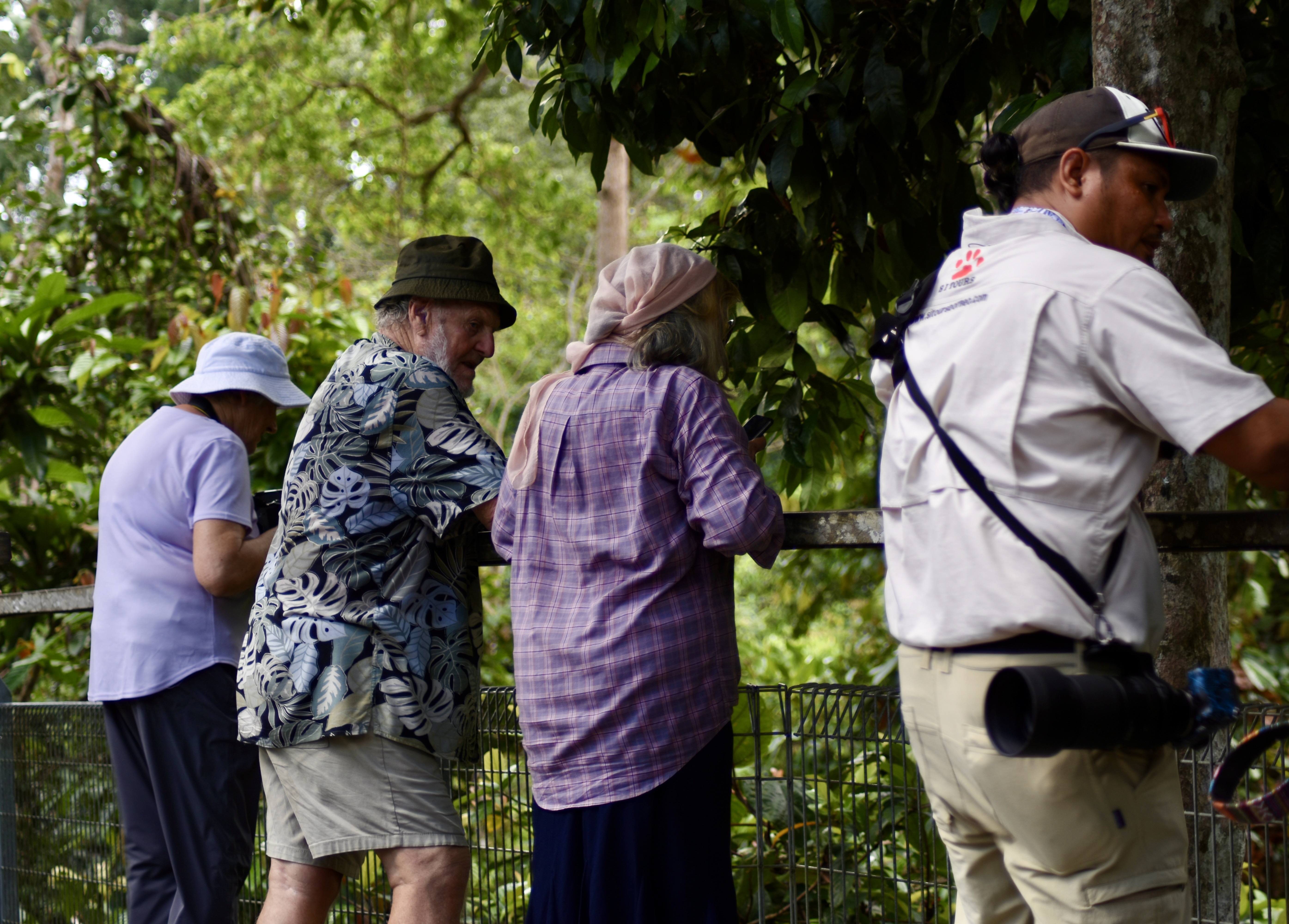
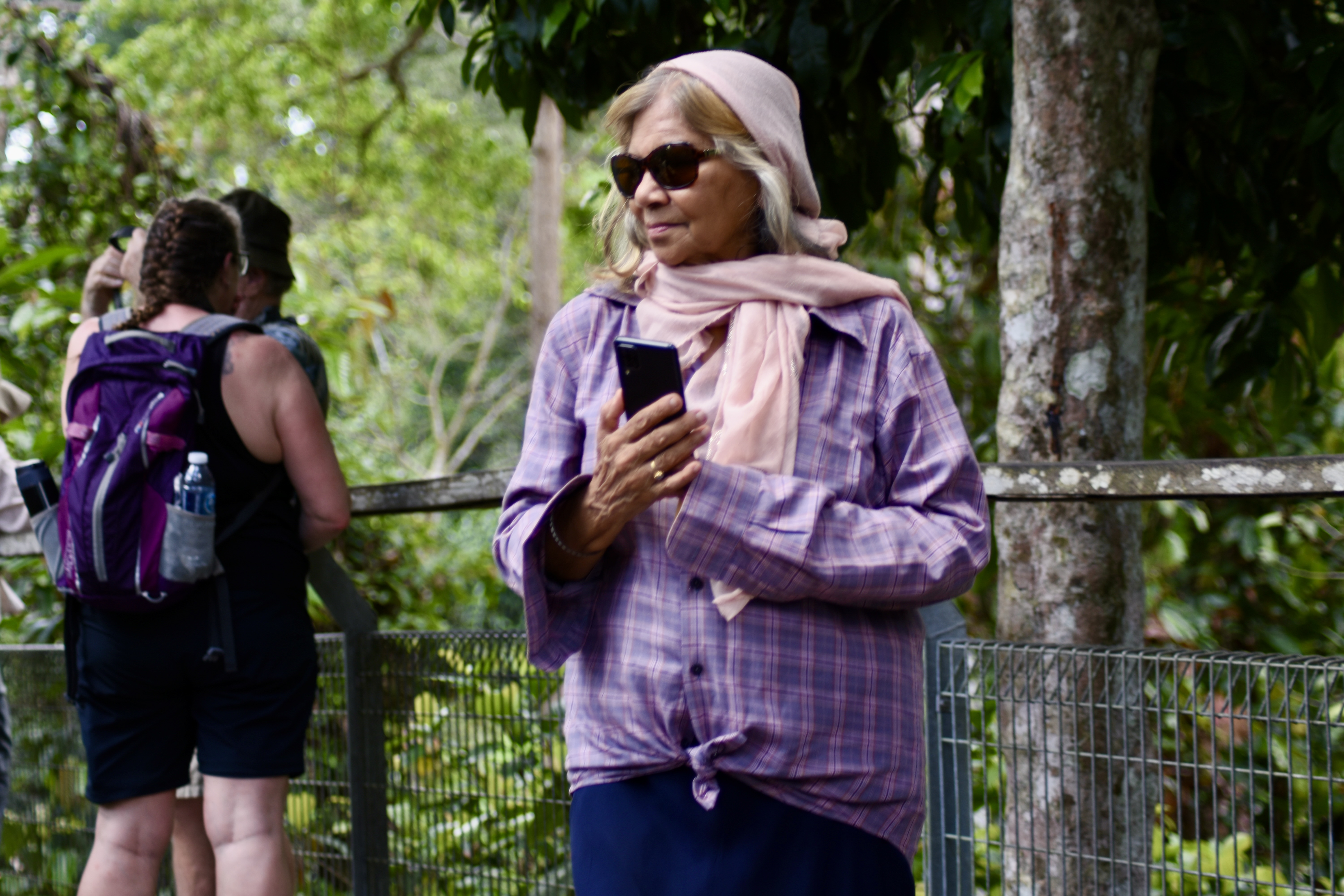
We next visited the Bornean Sun Bear Conservation Centre (BSBCC), also nestled within the lush Kabili-Sepilok Forest Reserve. It is a sanctuary and a rescue and rehabilitation facility for the elusive and endangered sun bear (Helarctos malayanus). They are the smallest bears in the world and are only found in Southeast Asia. These bears continue to be threatened by forest degradation, illegal hunting for bear parts and poaching to obtain young cubs for the pet trade, causing young sun bears to live in unnatural captive conditions with no access to outdoor areas. There are currently 41 rescued ex-captive sun bears residing at the BSBCC. The facility includes large forest enclosures to provide a natural environment suited to the needs and welfare of the sun bears and facilitate their rehabilitation back into the wild. The Centre opened to the public in 2014.
Journey to Abai Jungle Lodge
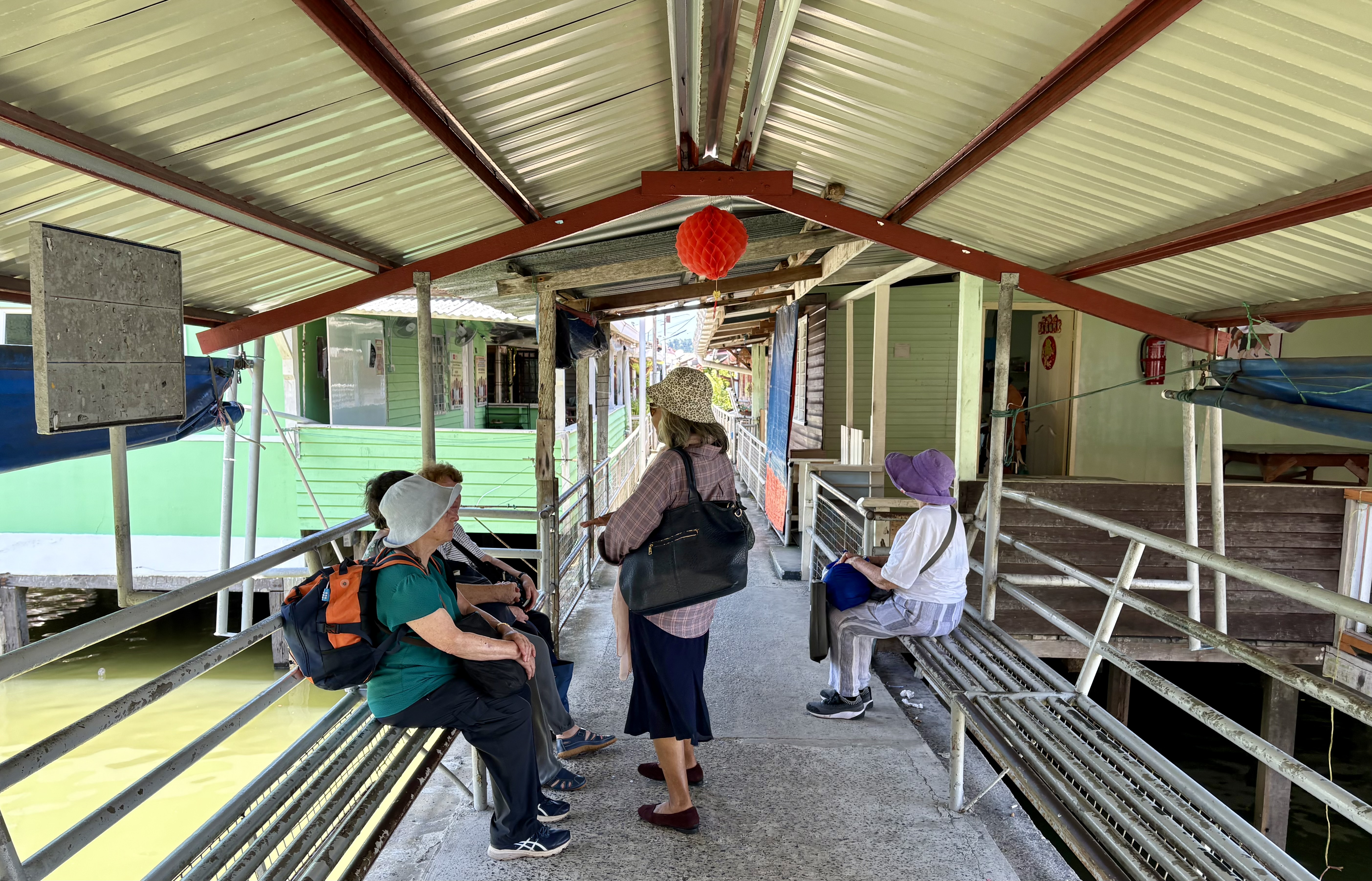
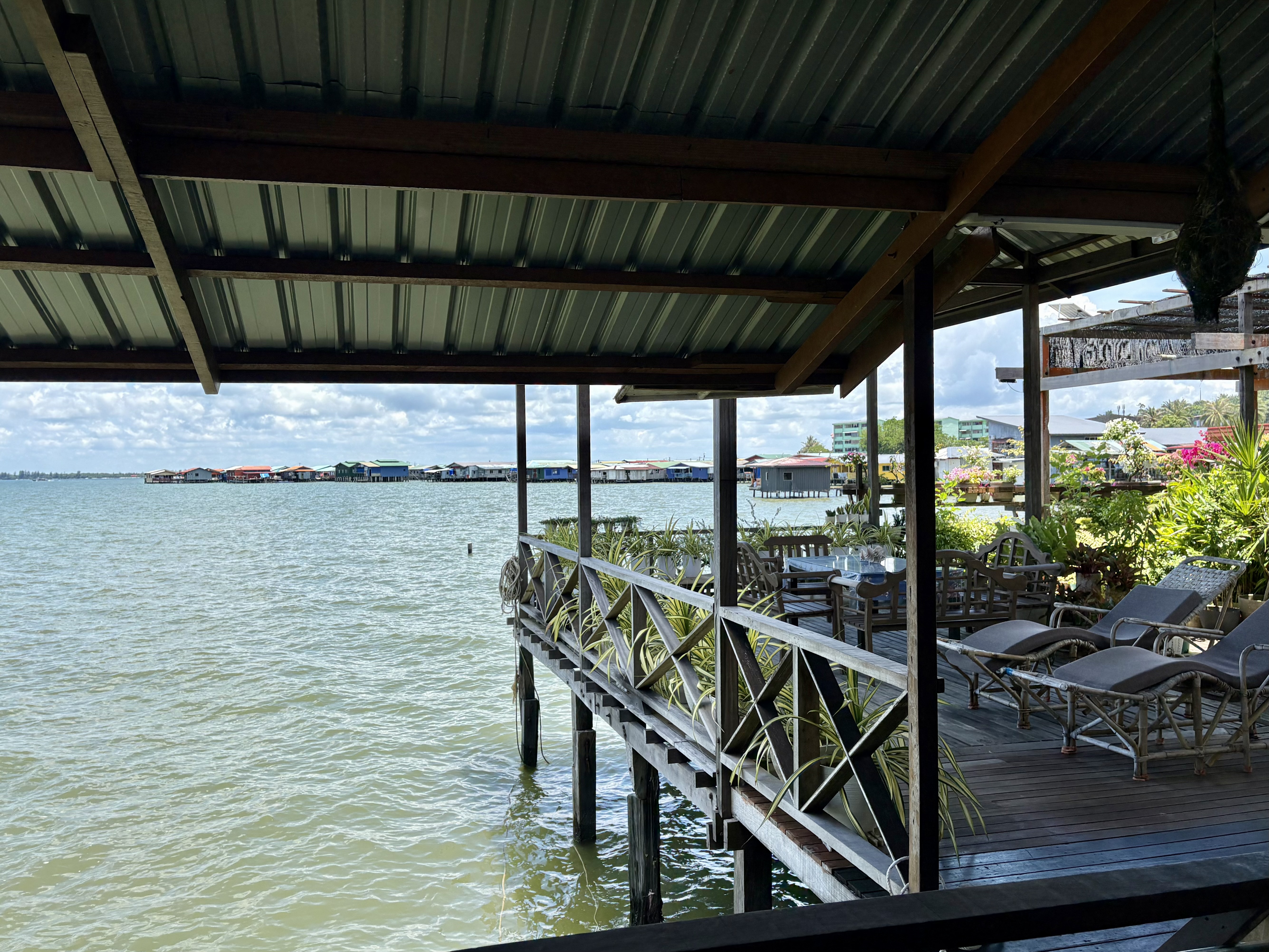
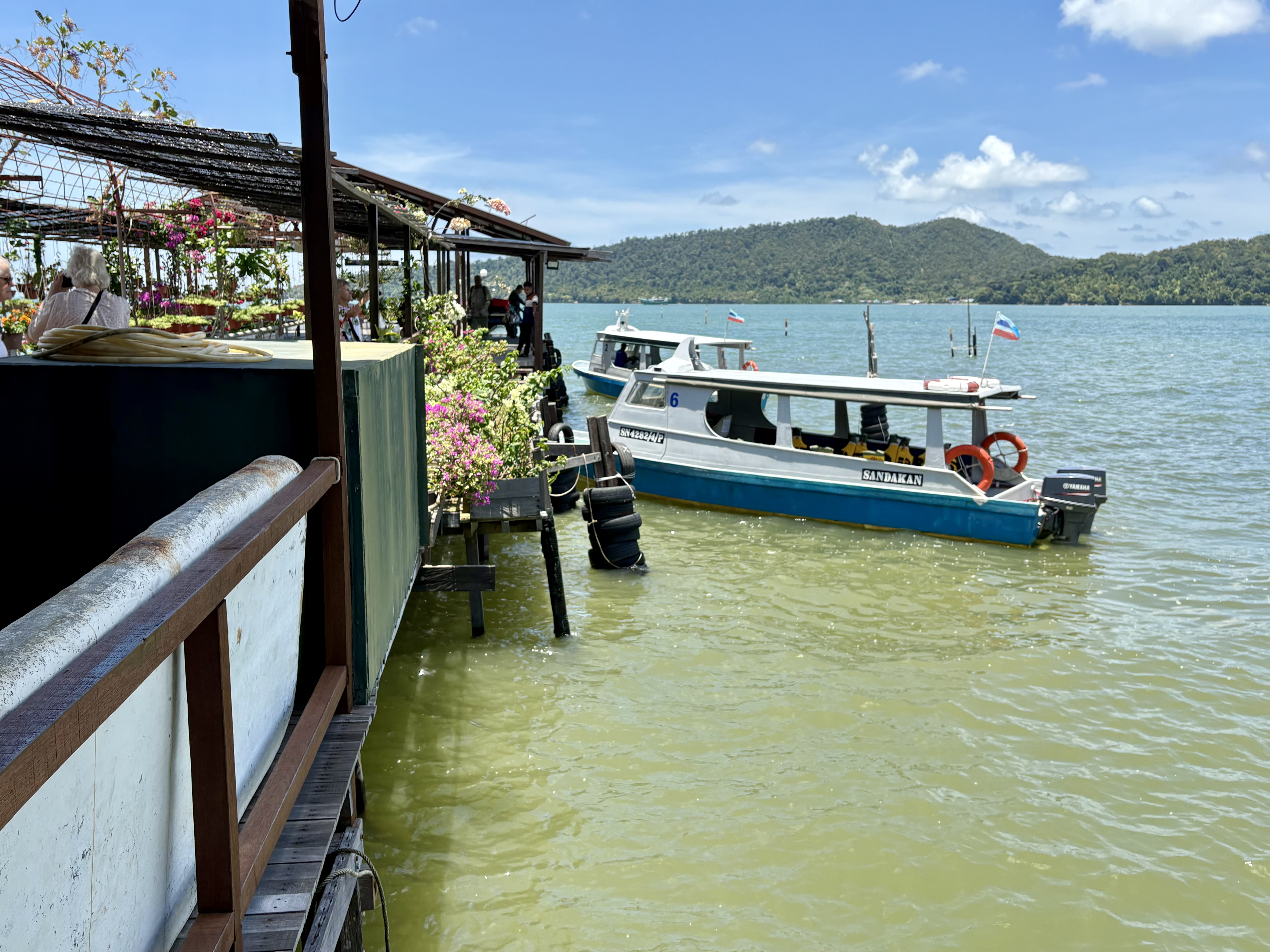
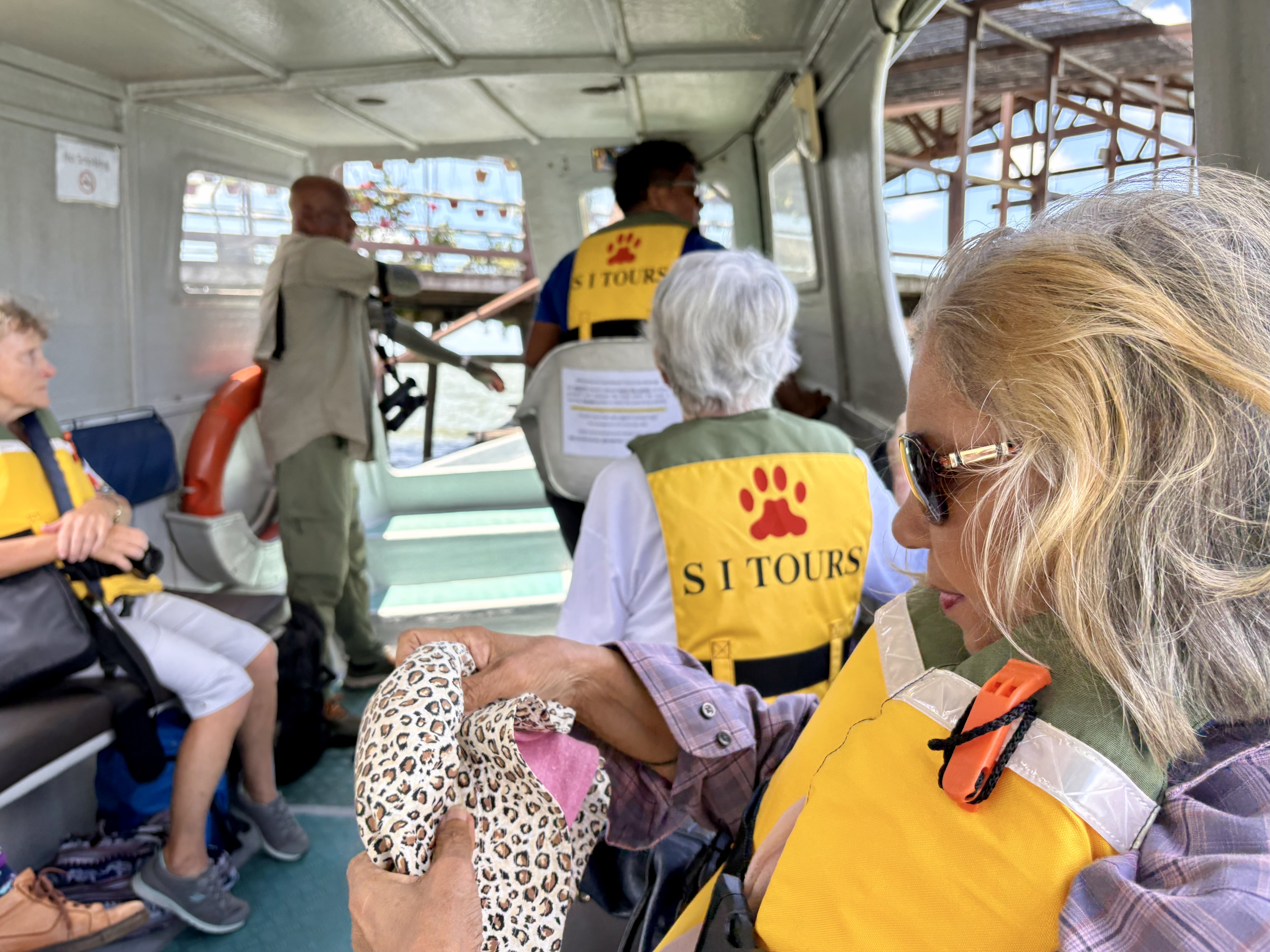
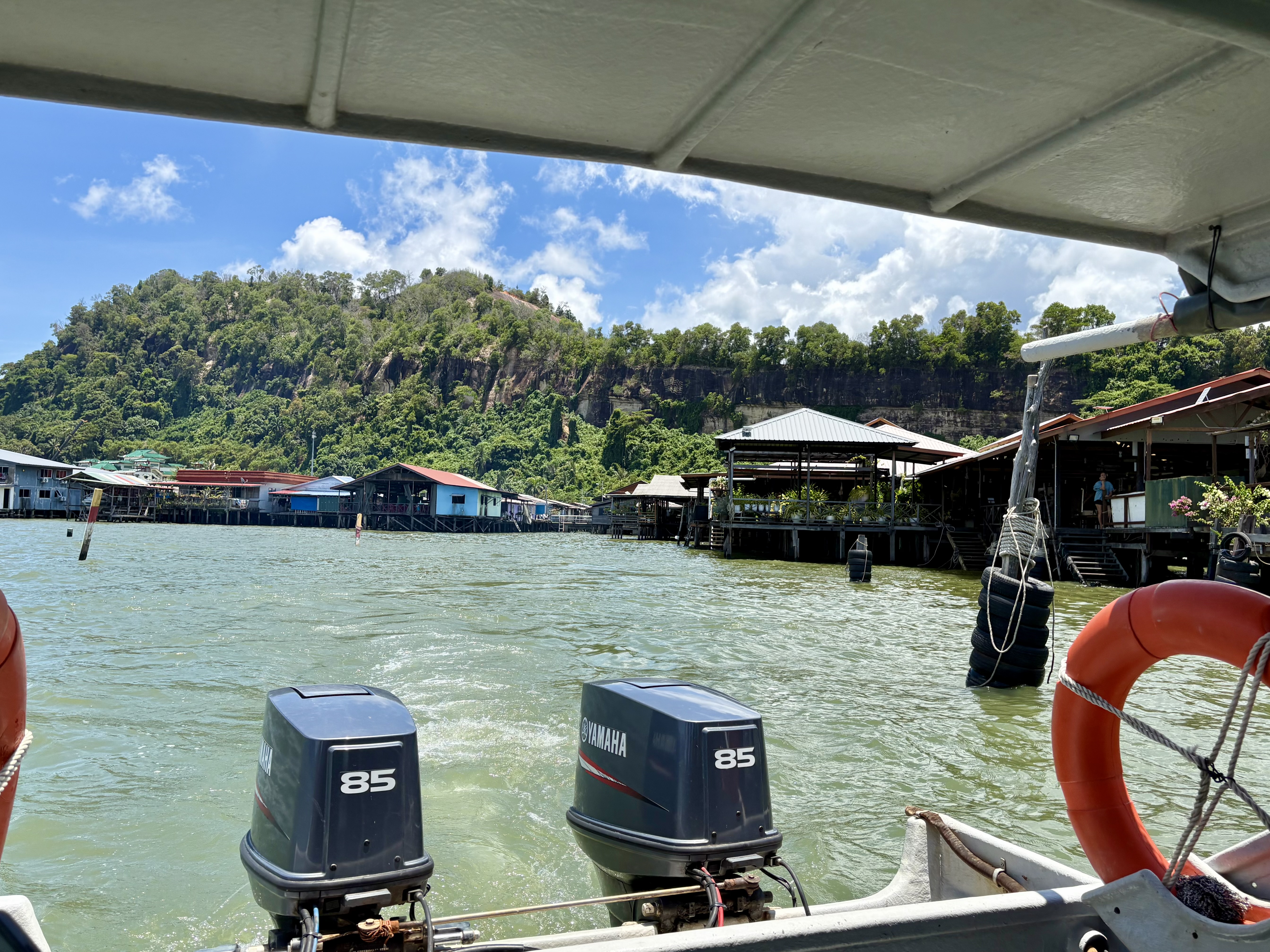
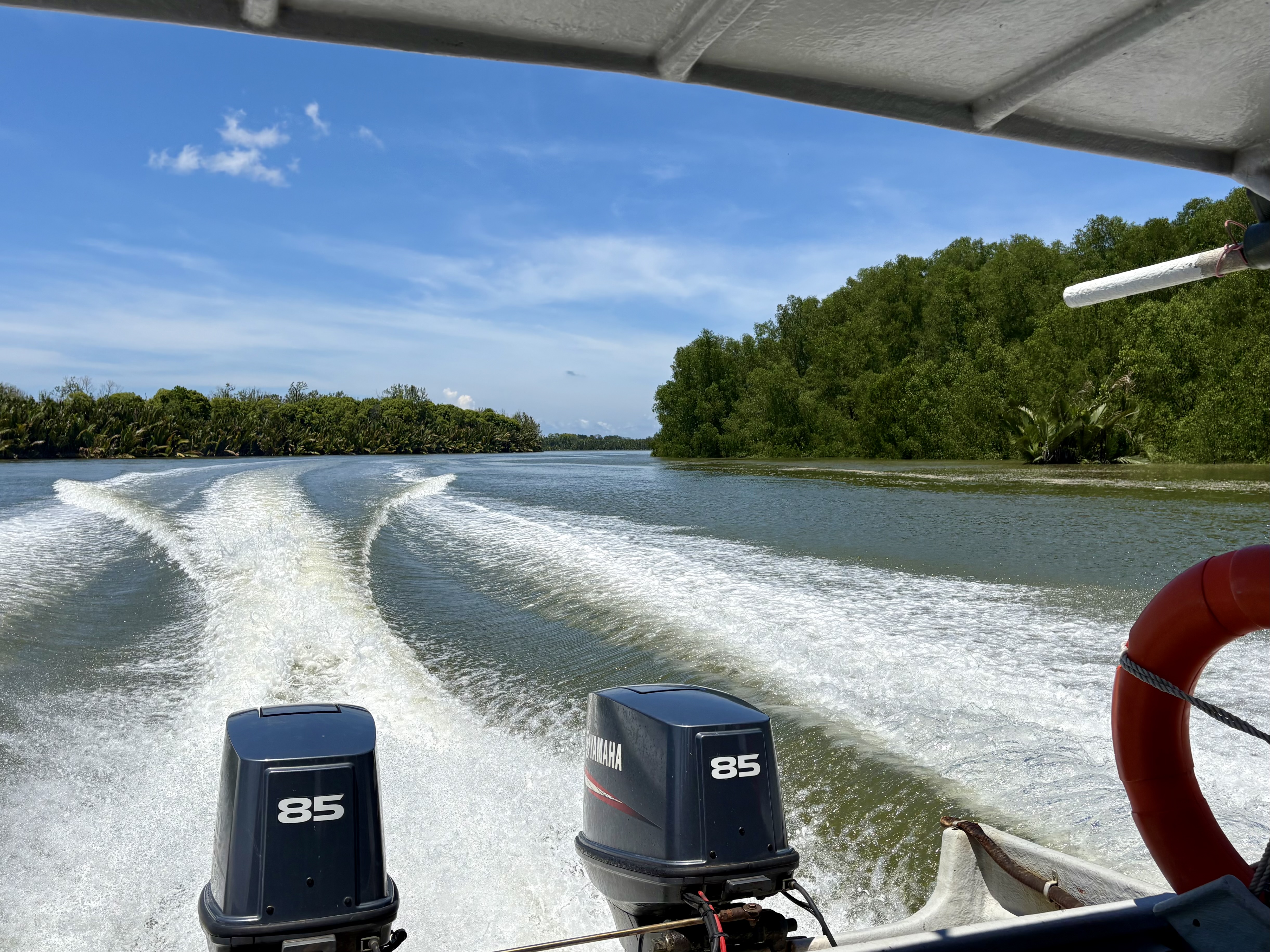
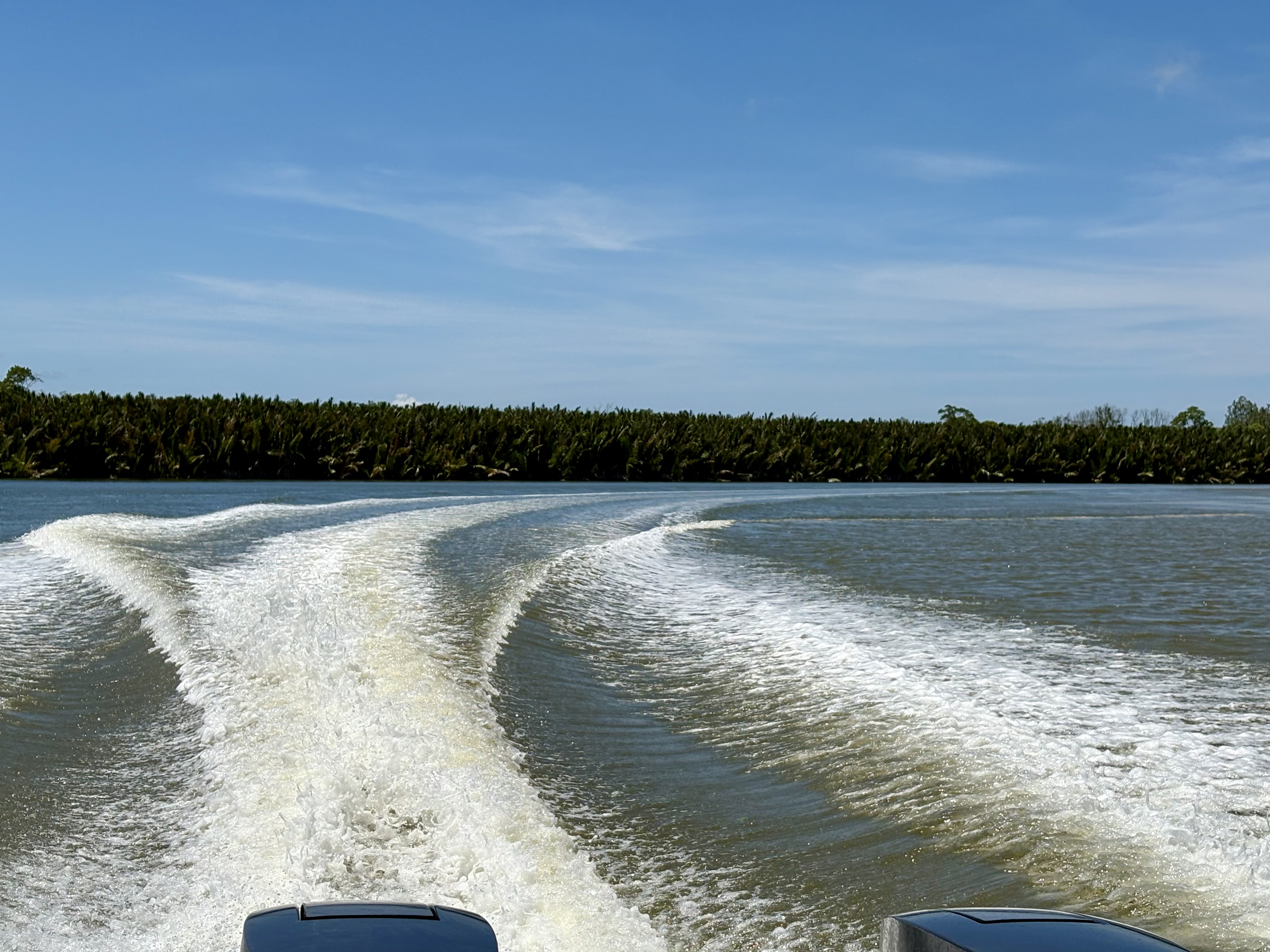
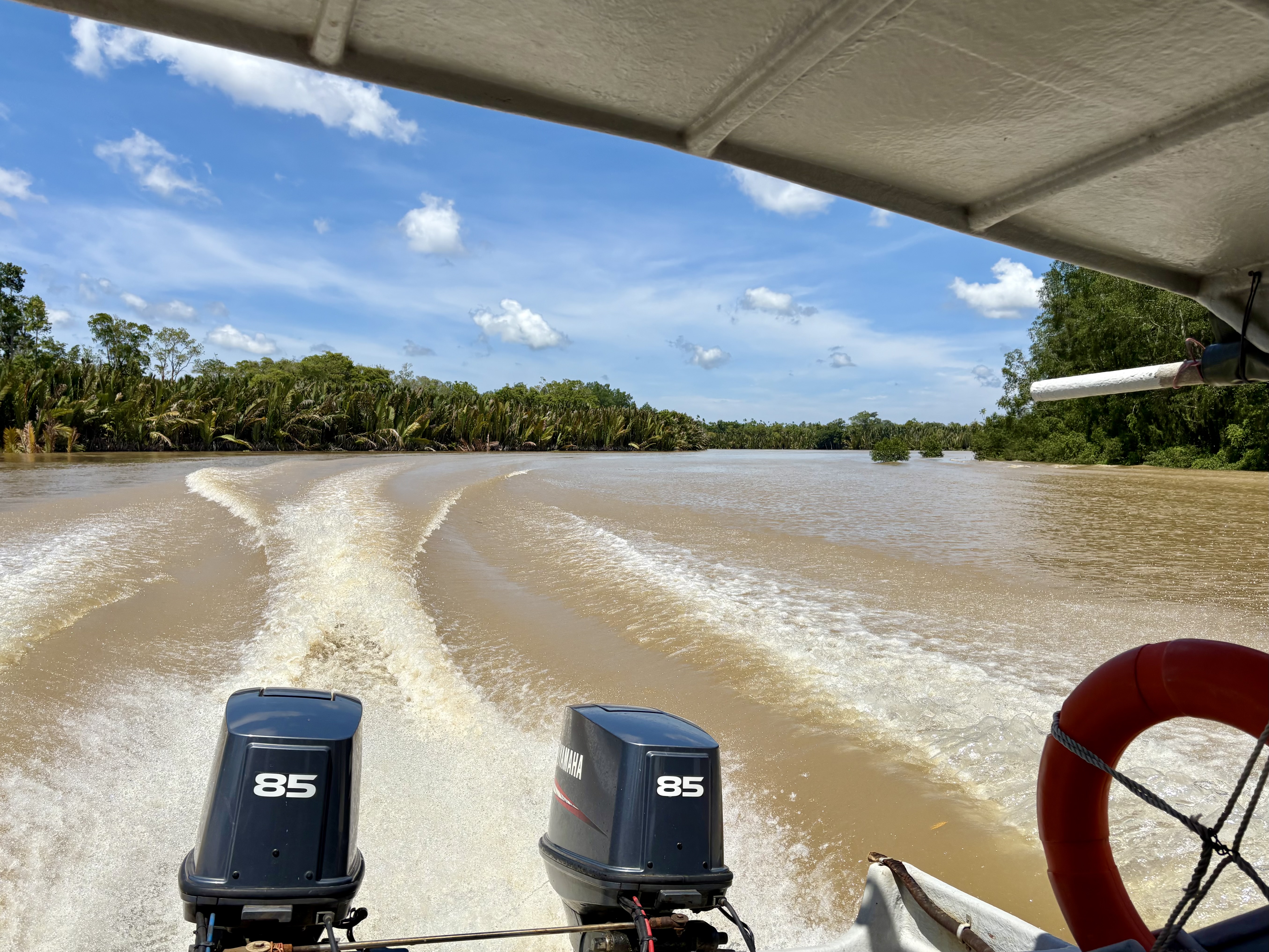
We drove to the Company Jetty in Sandakan, bordered motor boats and sped up the Kinabatagan River to Abai Jungle Lodge, 47 kilometres from the river mouth. The river is Malaysia’s second-longest at 560 kilometres flowing through Sabah to the Sulu Sea. Famed for its exceptional biodiversity, the lower basin is a protected wildlife sanctuary of 27,800 hectares. The area is home to 10 primate species (including Proboscis Monkeys, Orangutans, and Gibbons) all 8 species of Hornbills found in Borneo, Crocodiles and Bornean Pygmy Elephants.
Abai Jungle Lodge
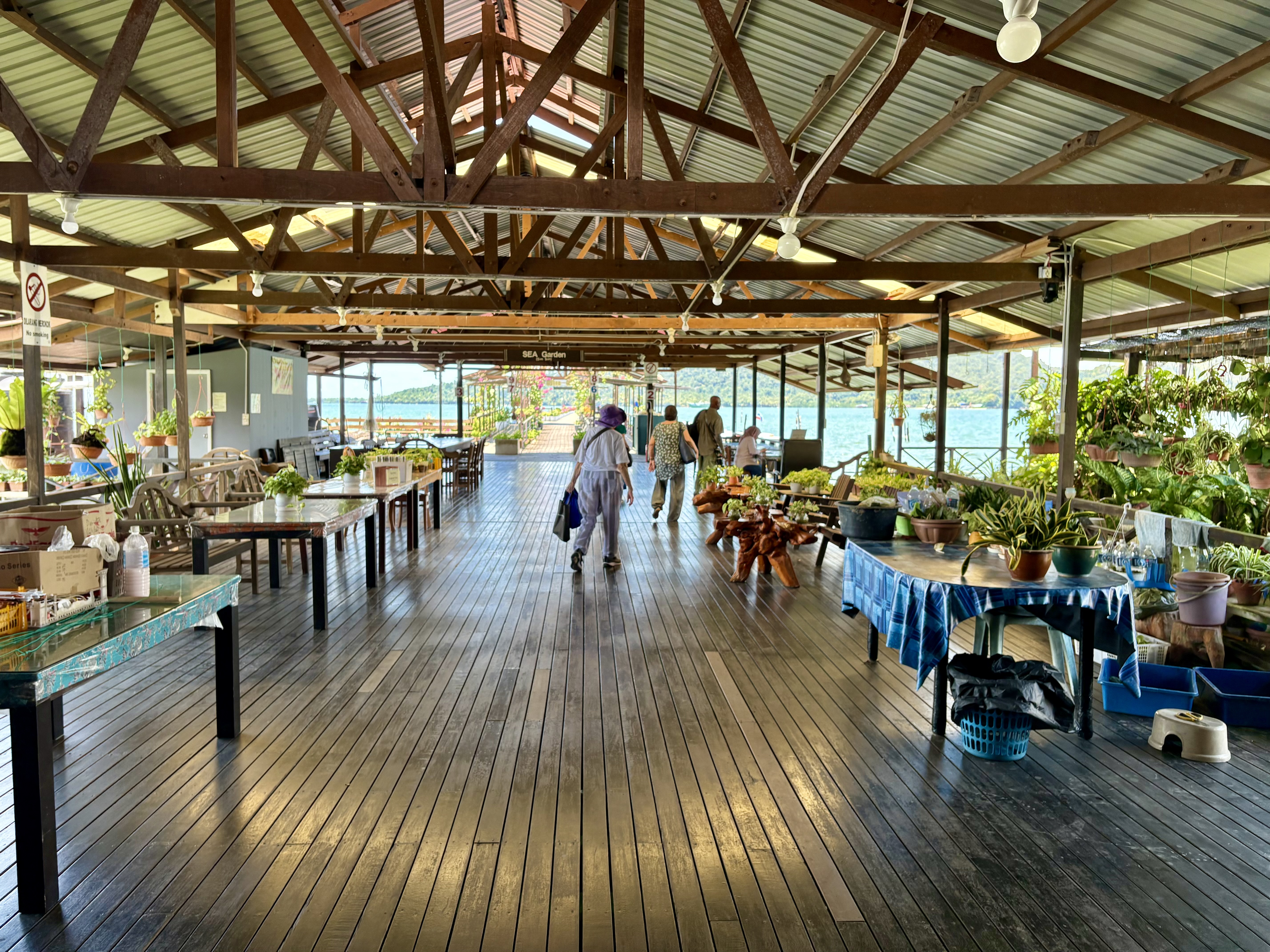
The Abai Jungle Lodge is a rustic, eco-aware retreat on the banks of the Kinabatangan River. It offers immersive wildlife encounters, river safaris, and a peaceful escape. It is accessible only by a scenic 1-hour boat ride from Sandakan jetty or Sukau. It has 30 simple, stilted, timber chalets interconnected by raised hardwood boardwalks. Each room comes with an en-suite bathroom, hot shower, ceiling fan, and netted windows. Electricity runs on generators. Water is harvested from rainwater, and power is generated via solar and diesel. An open-air restaurant perched over the river serves hearty, local buffet-style meals with fresh fish, meat, vegetables, and tropical fruits.
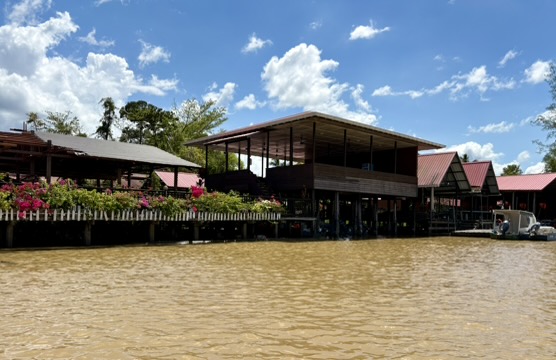
We checked in at the Lodge, had lunch in the lodge restaurant and settled in to our rooms.
Evening River Safari
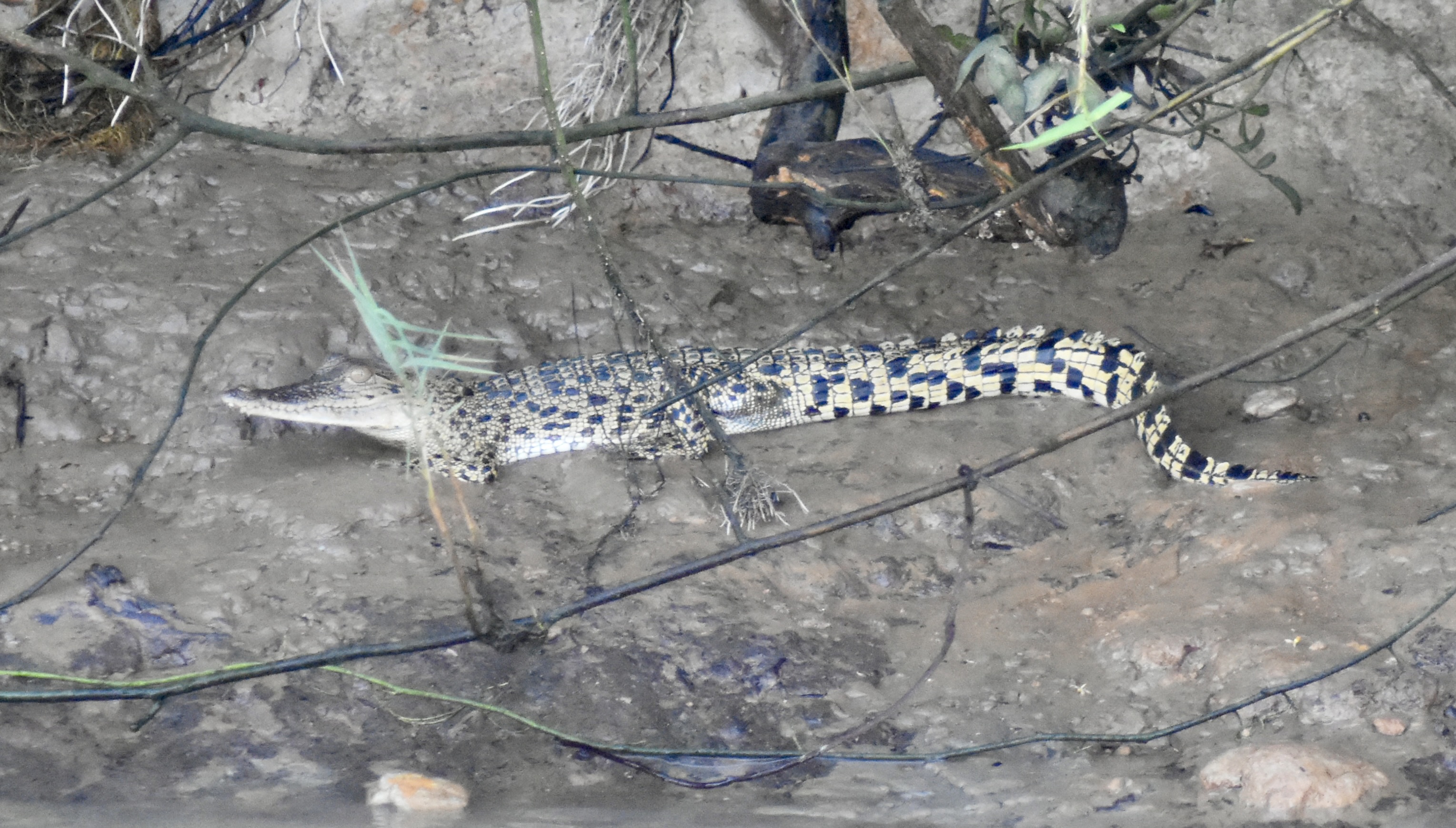
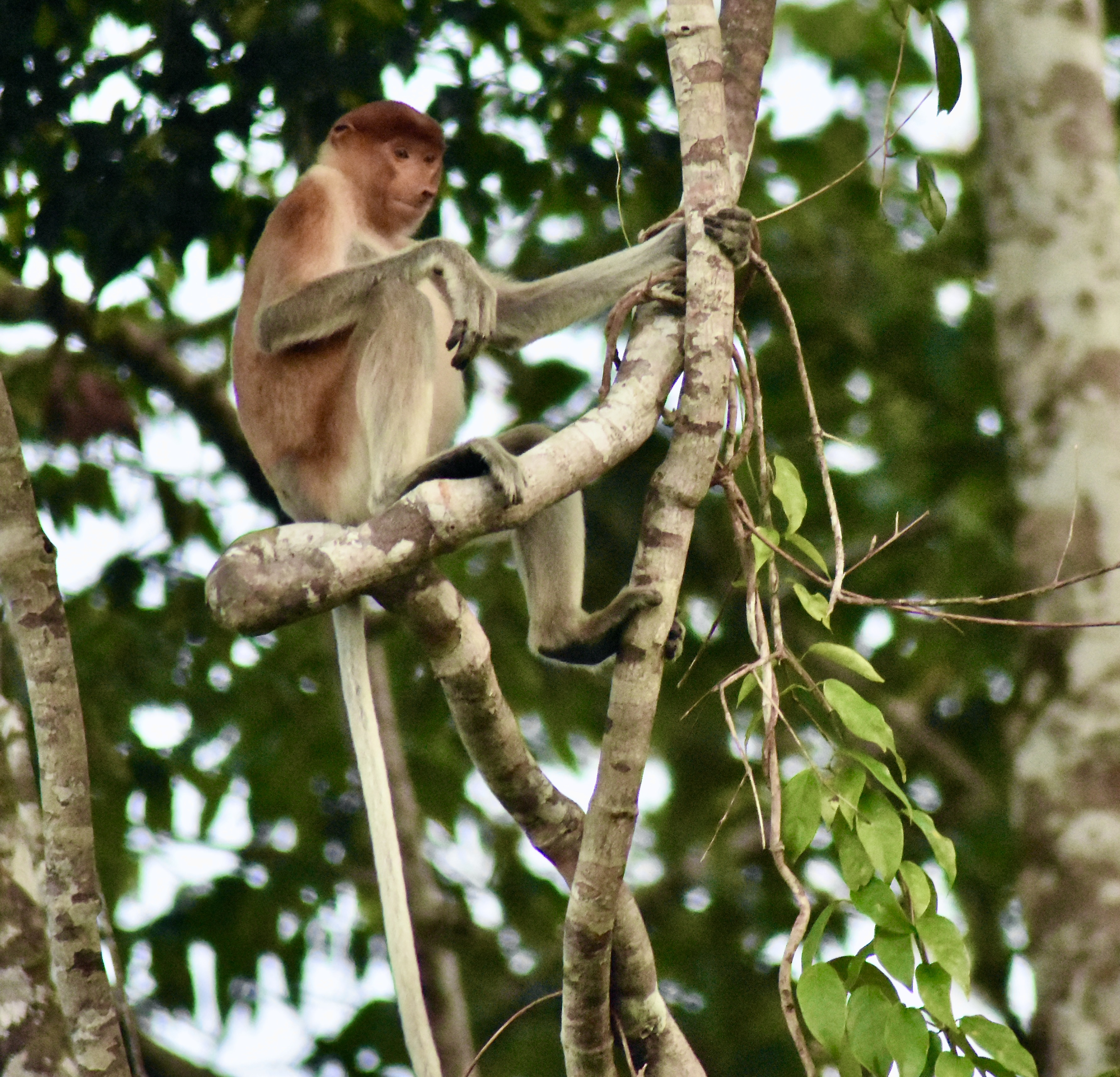
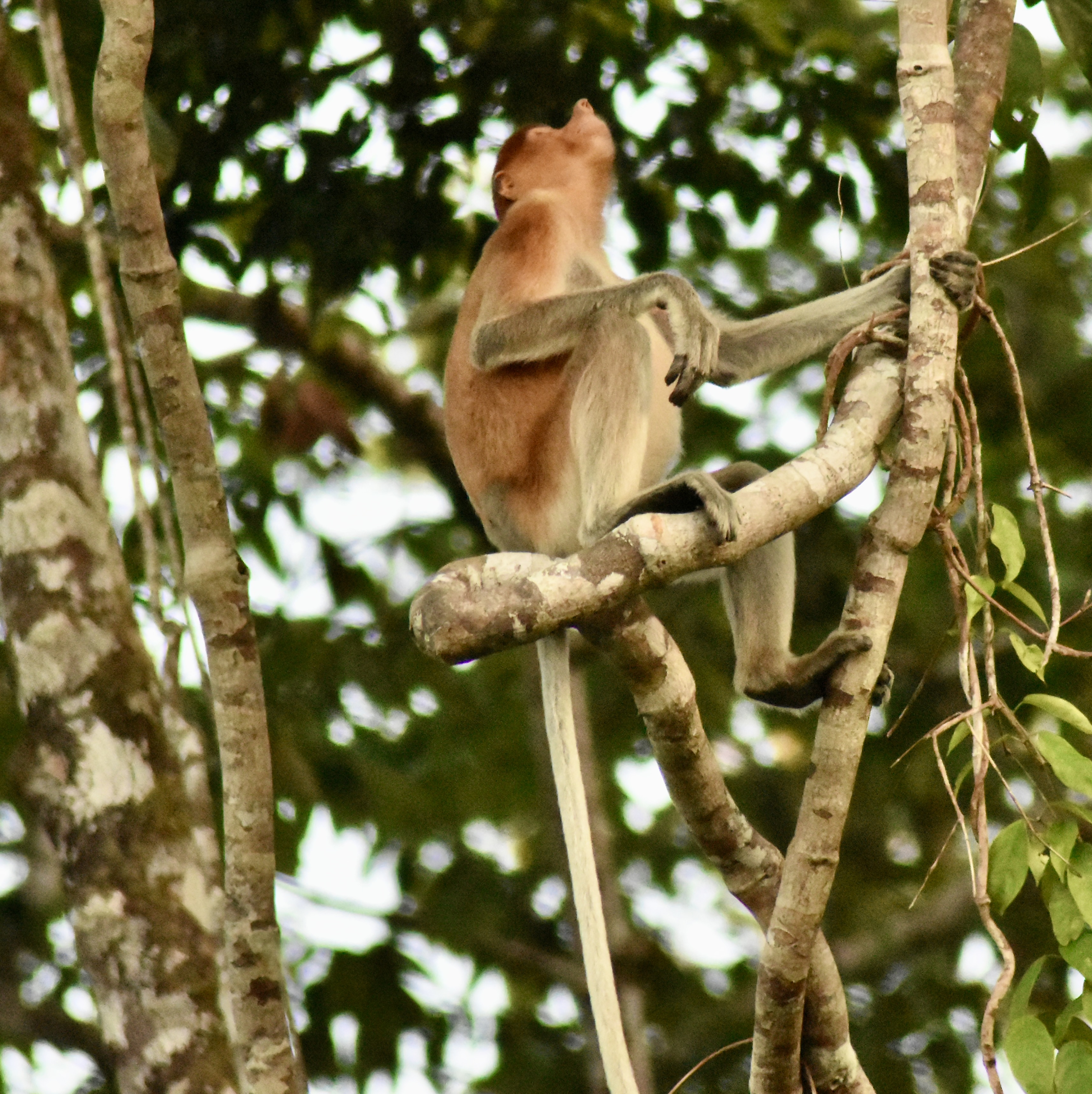
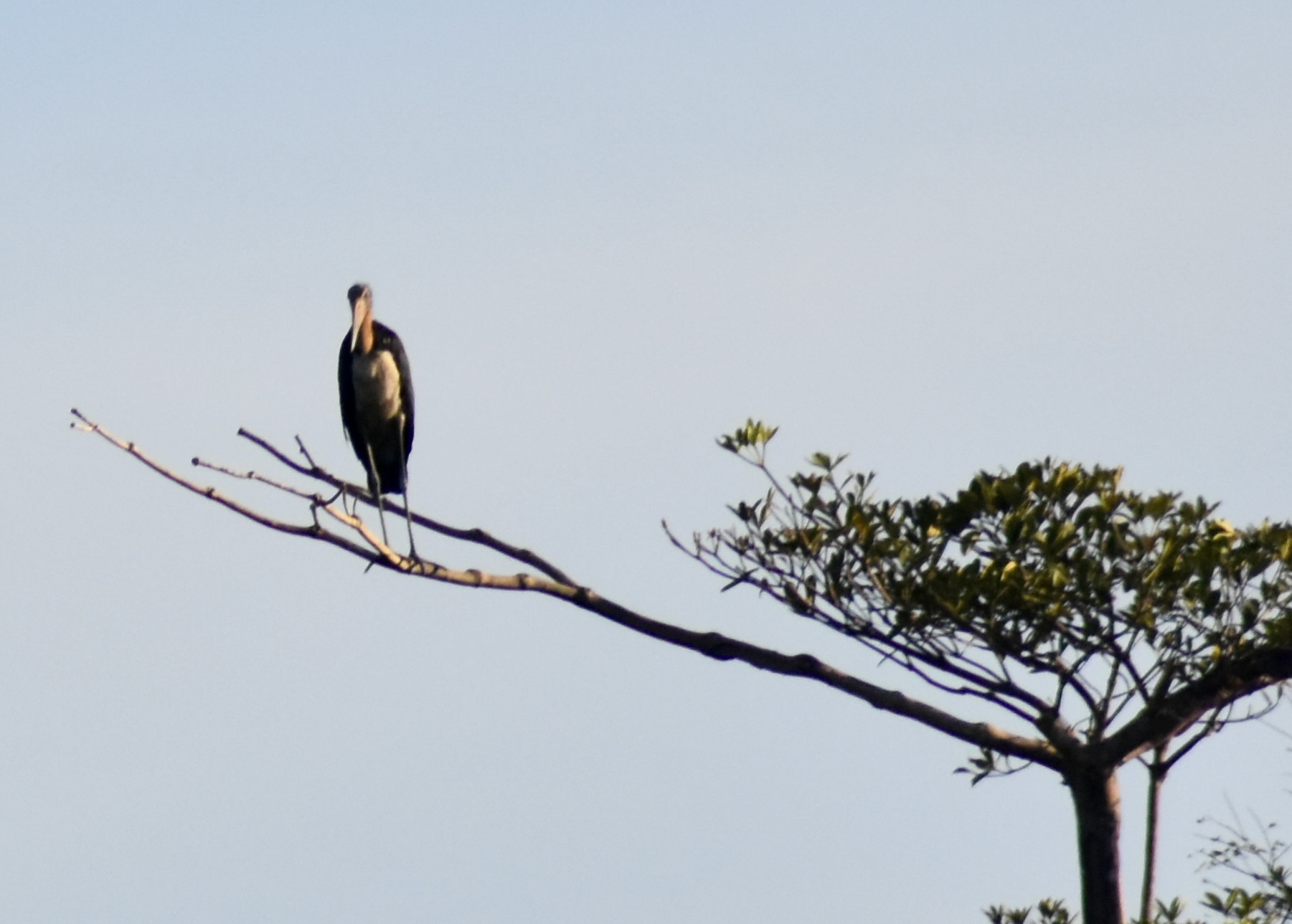
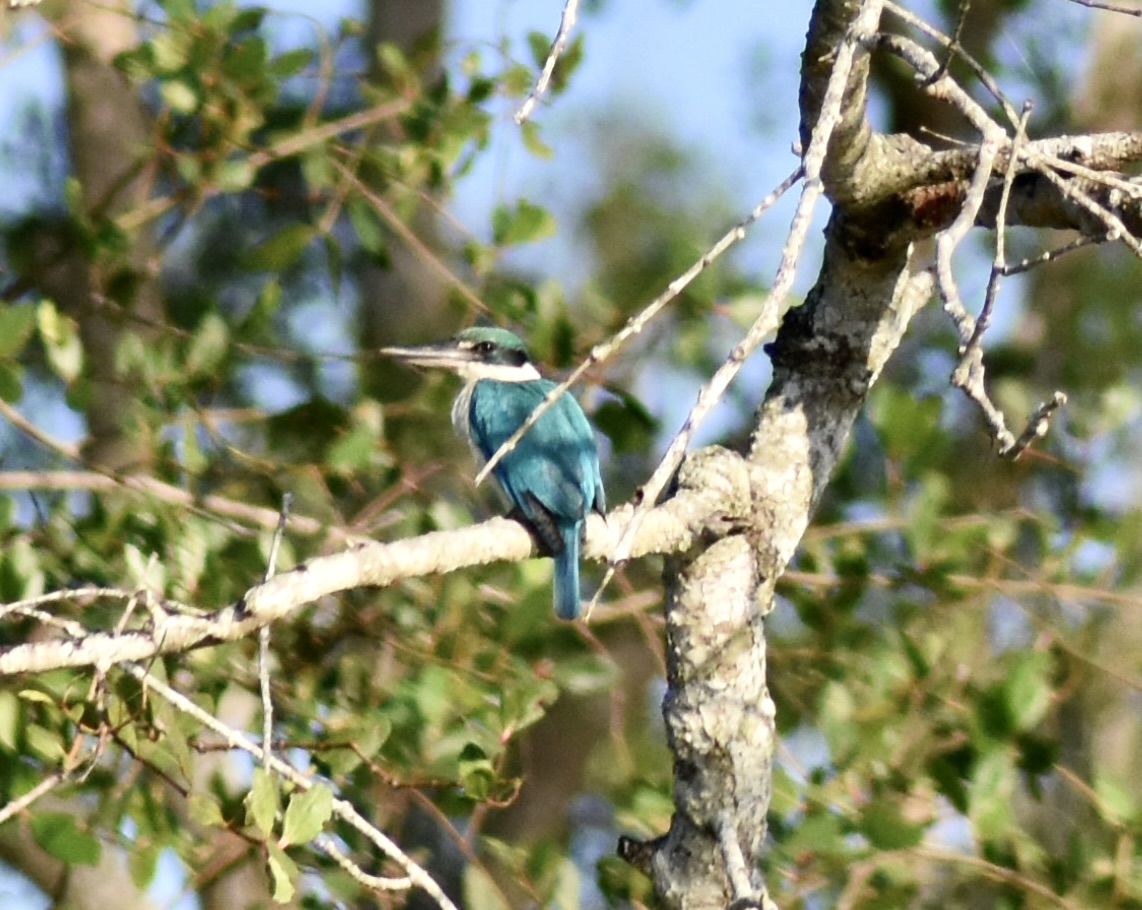
In the late afternoon, we sailed up river in an open boat on a river safari. We saw crocodiles in the water and on shore, troops of Proboscis Monkeys on trees, Long Tail Macaques and birds such as Egrets, Marabou storks, Collard Kingfishers and Common Sandpipers.
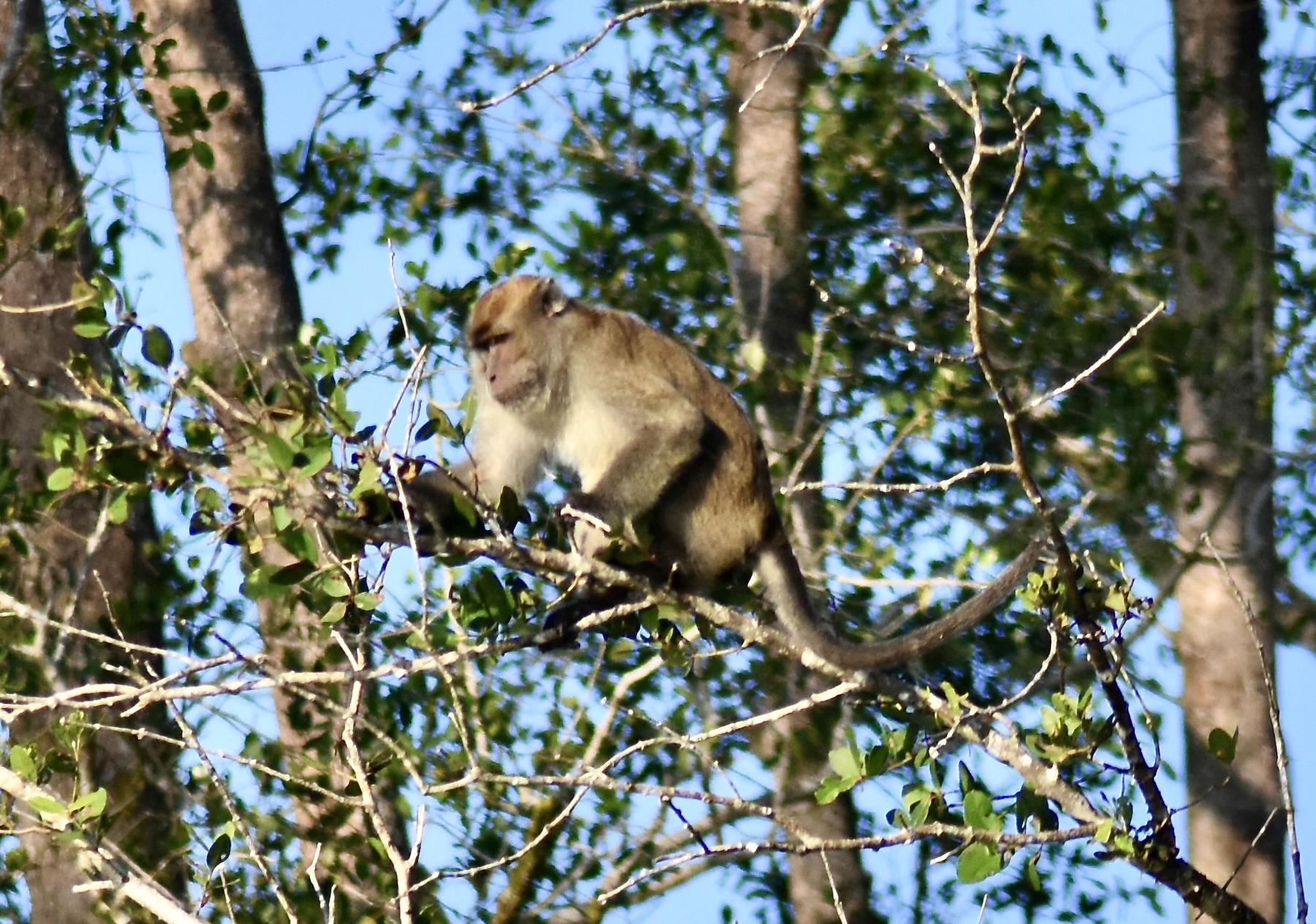
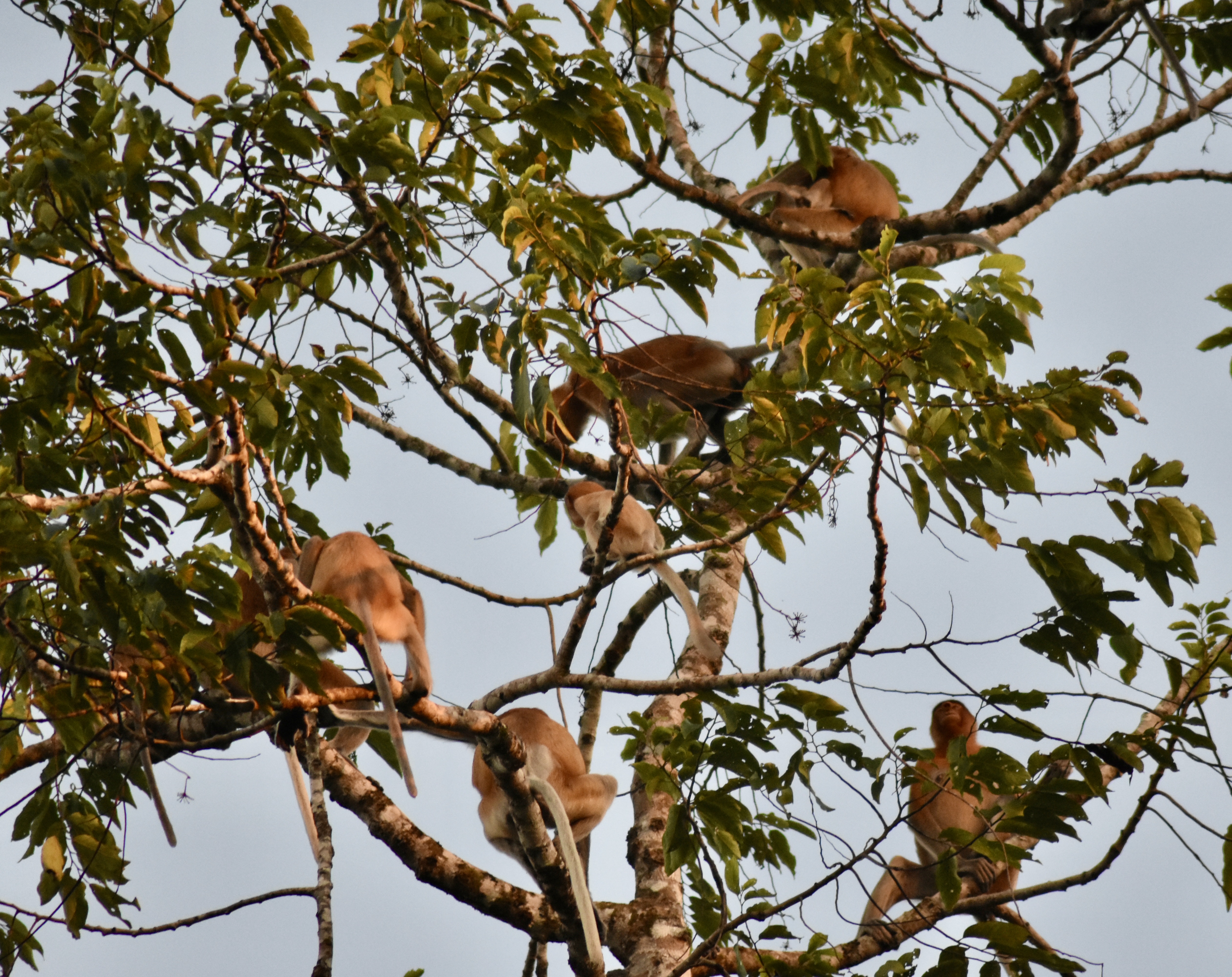
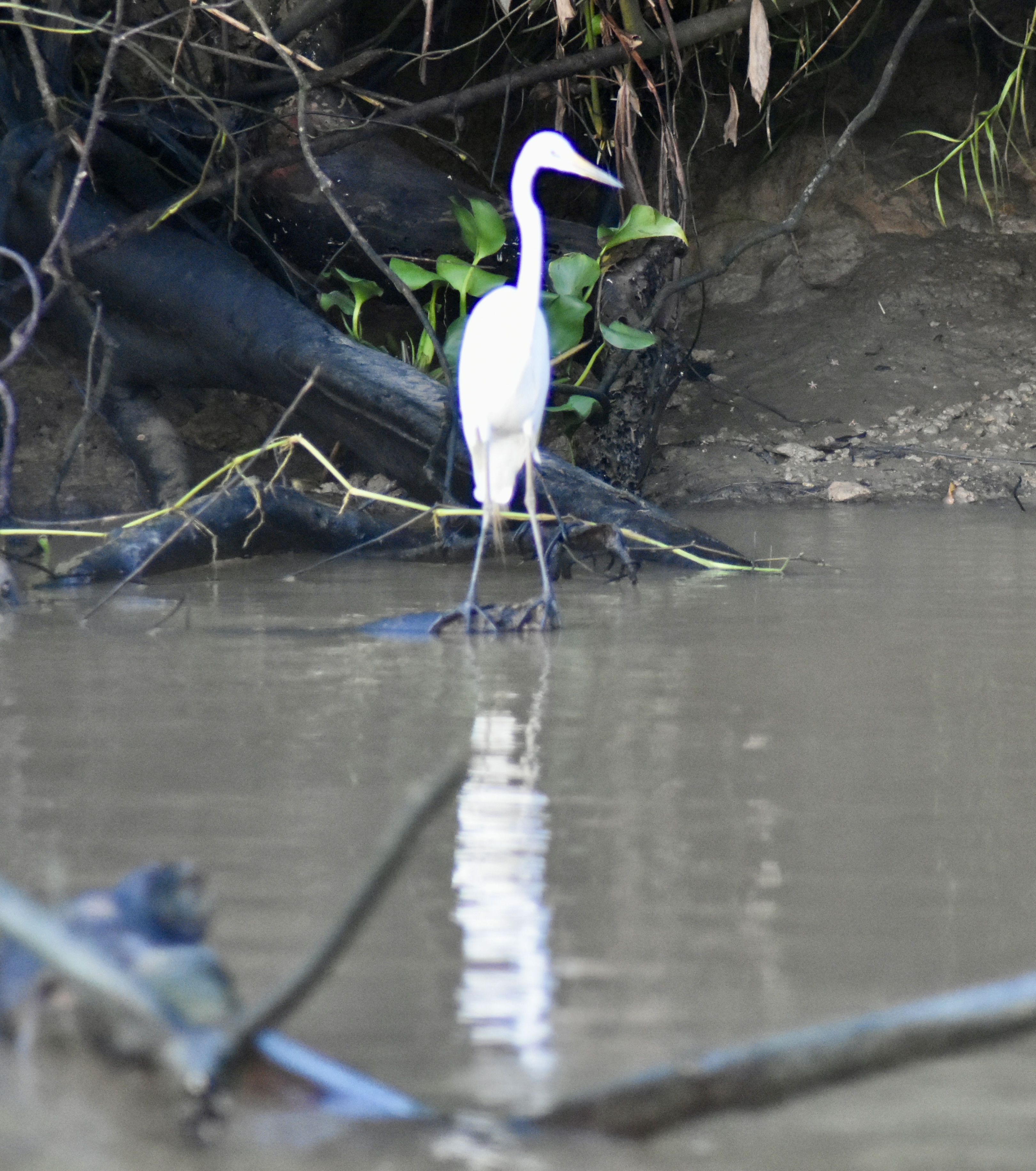
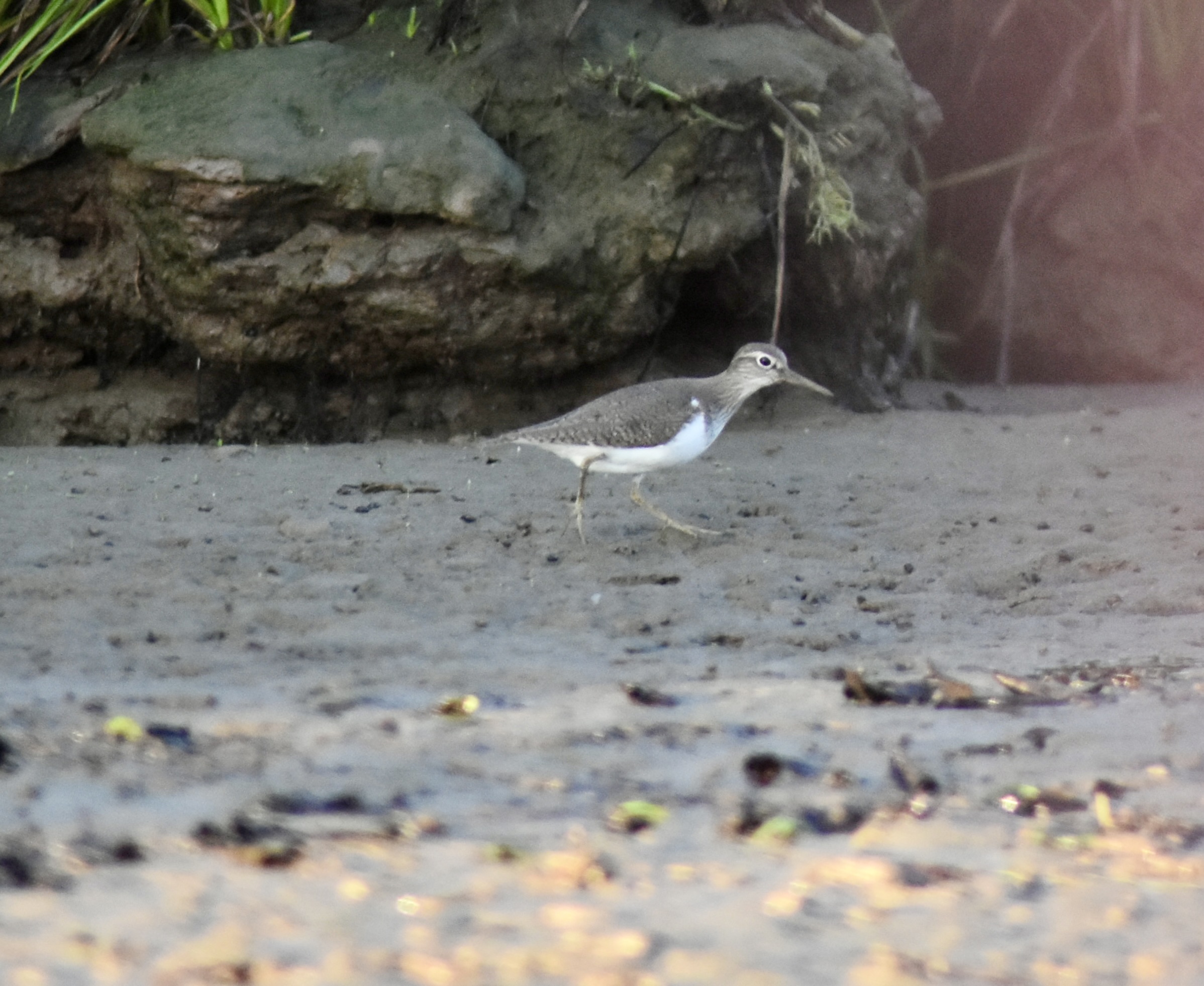
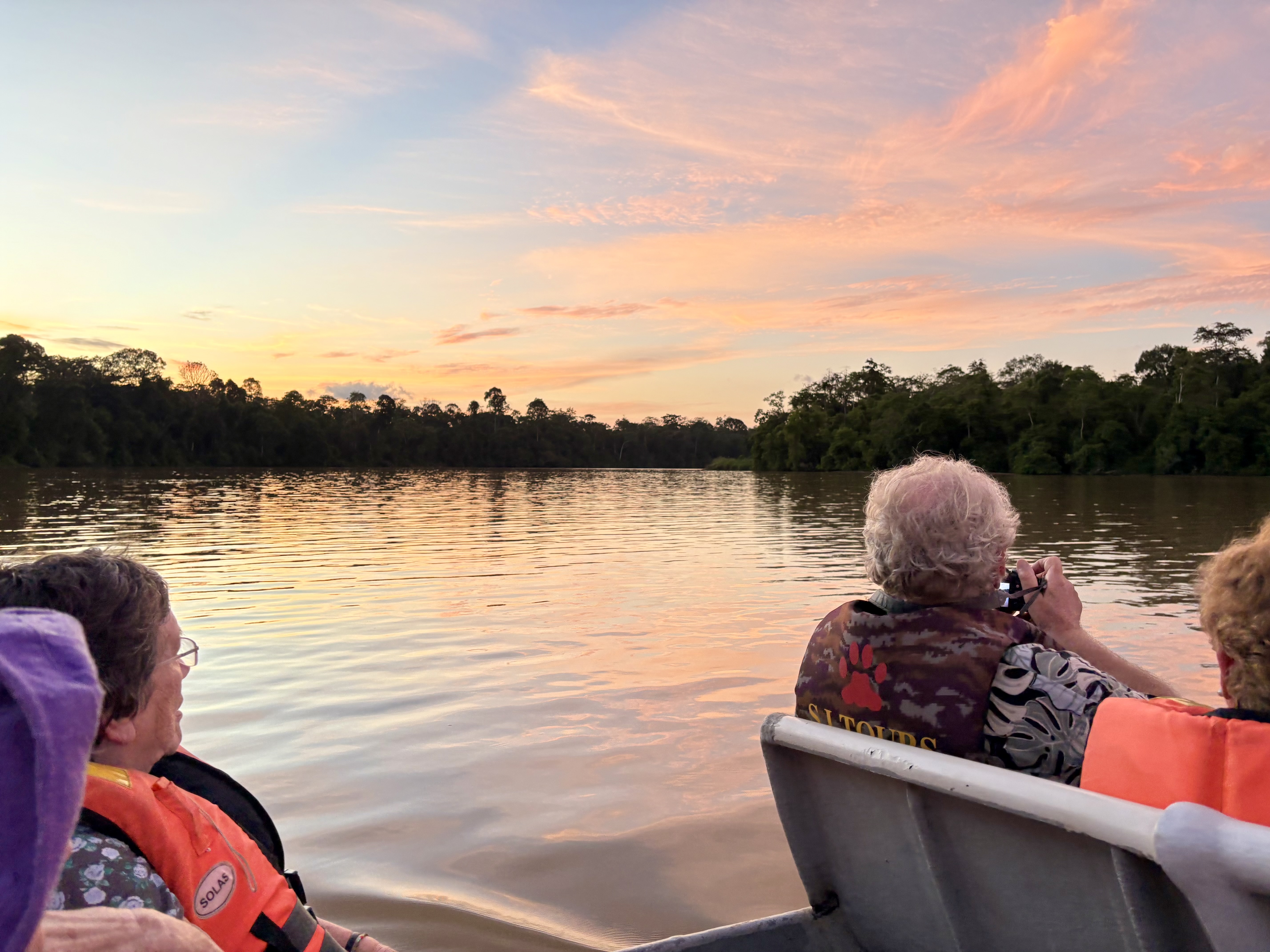
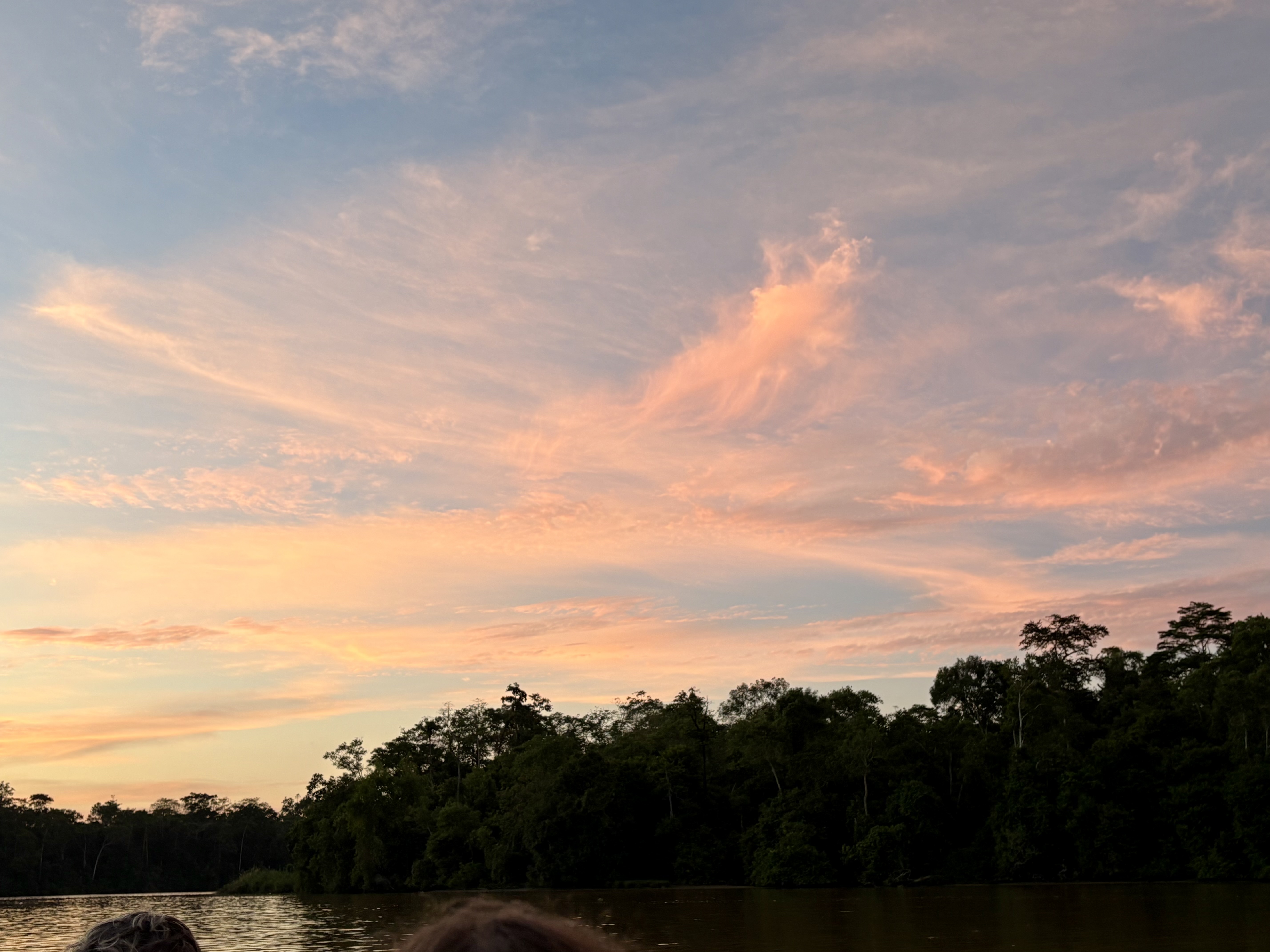
We moored the boat in a quiet corner, sipped coffee and watched the sunset before returning to the Lodge.
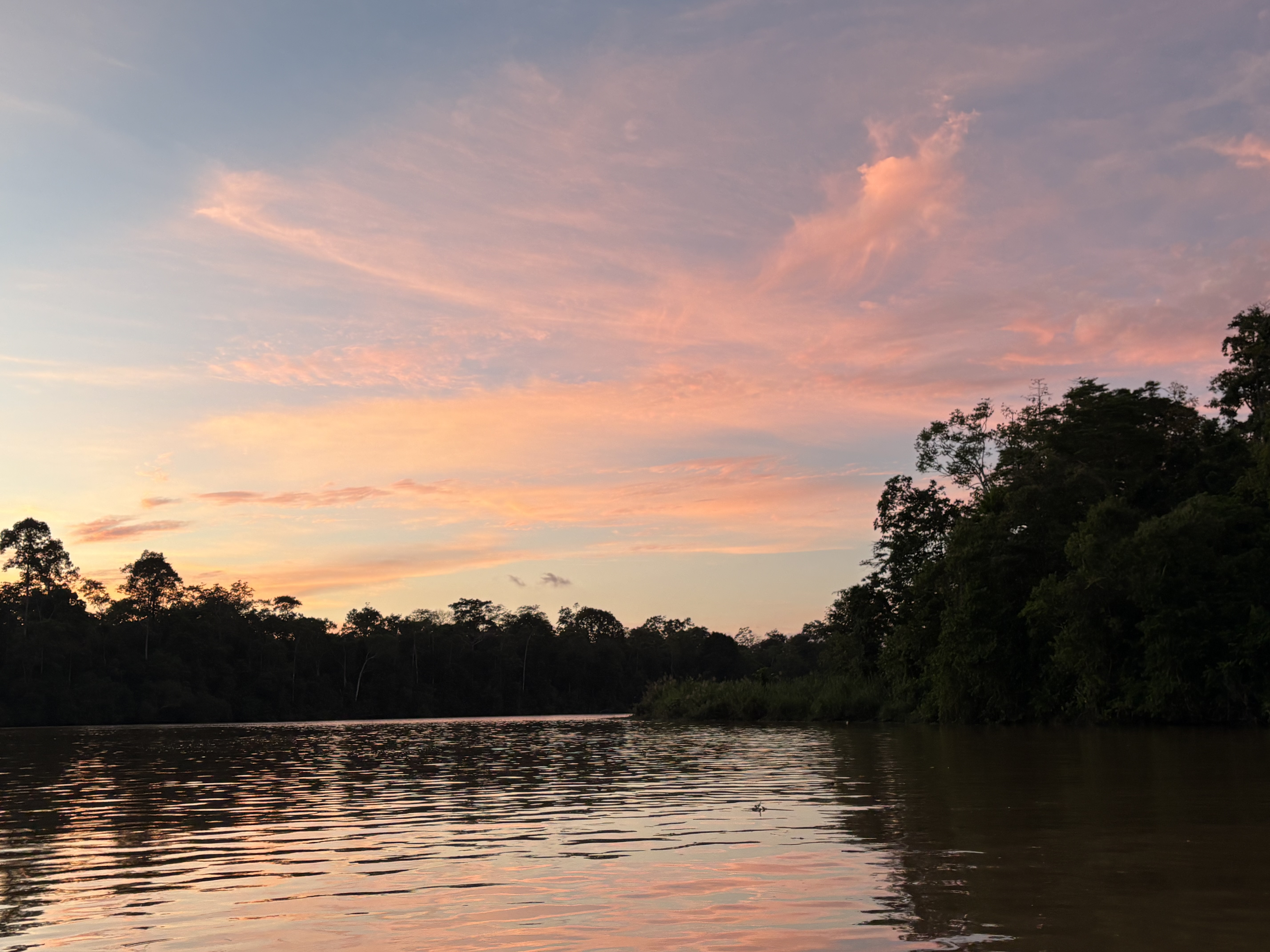
Evening At The Abai Jungle Lodge
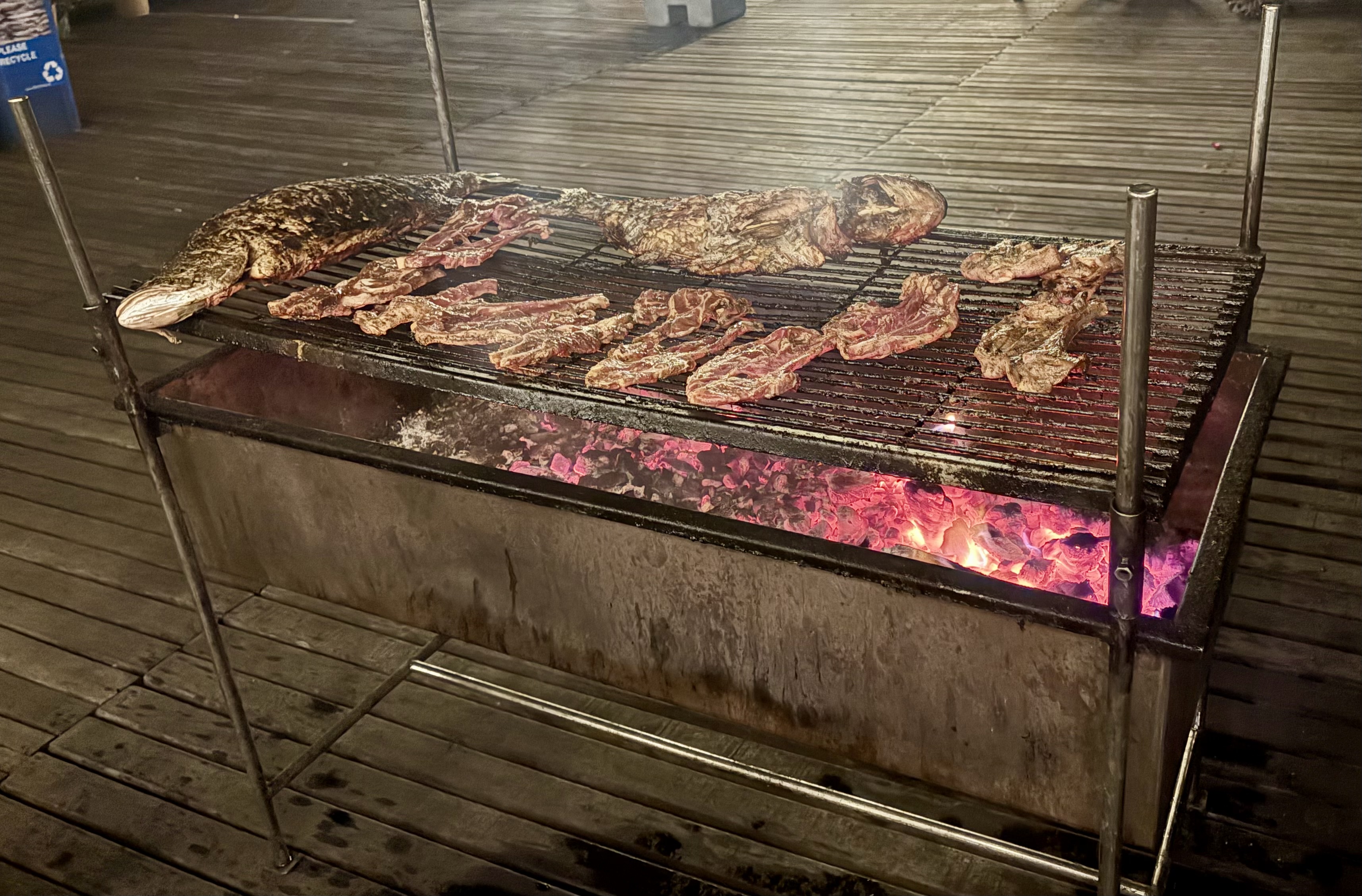
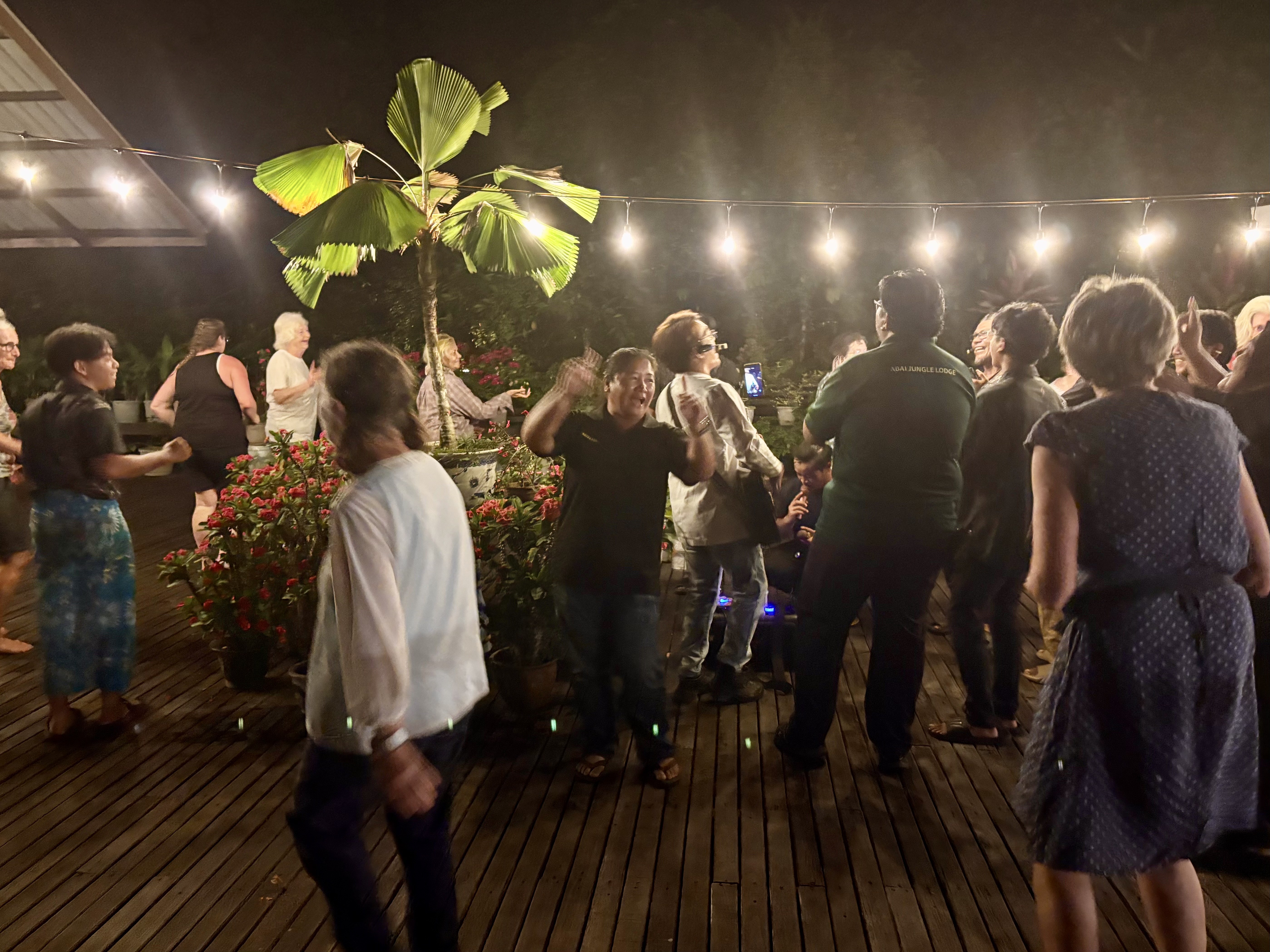
Back at the Lodge, there was a guided night walk in the rain forest, BBQ, music and dancing that evening.
- Abai Jungle Lodge Address: Abai Village, Kinabatangan District, Sabah, Malaysia. Telephone: +6012 8180222
- The trip was arranged by Wendy Wu Tours
Published 17 May 2026

