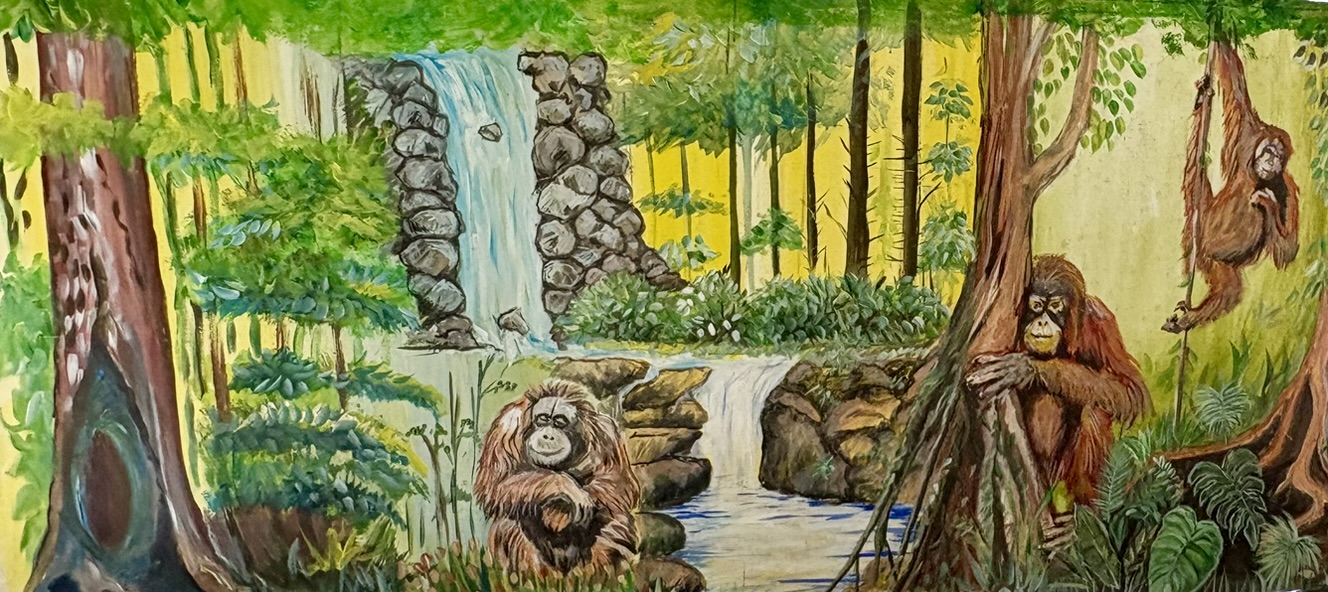
On the fourth day of our “Best Of Borneo” adventure with Wendy Wu Tours in March/April 2026, we travelled from Kuching to Semenggoh to visit the Wildlife Centre dedicated to the rehabilitation of orphaned orangutans and drove on to Sri Aman for a two nights stay.
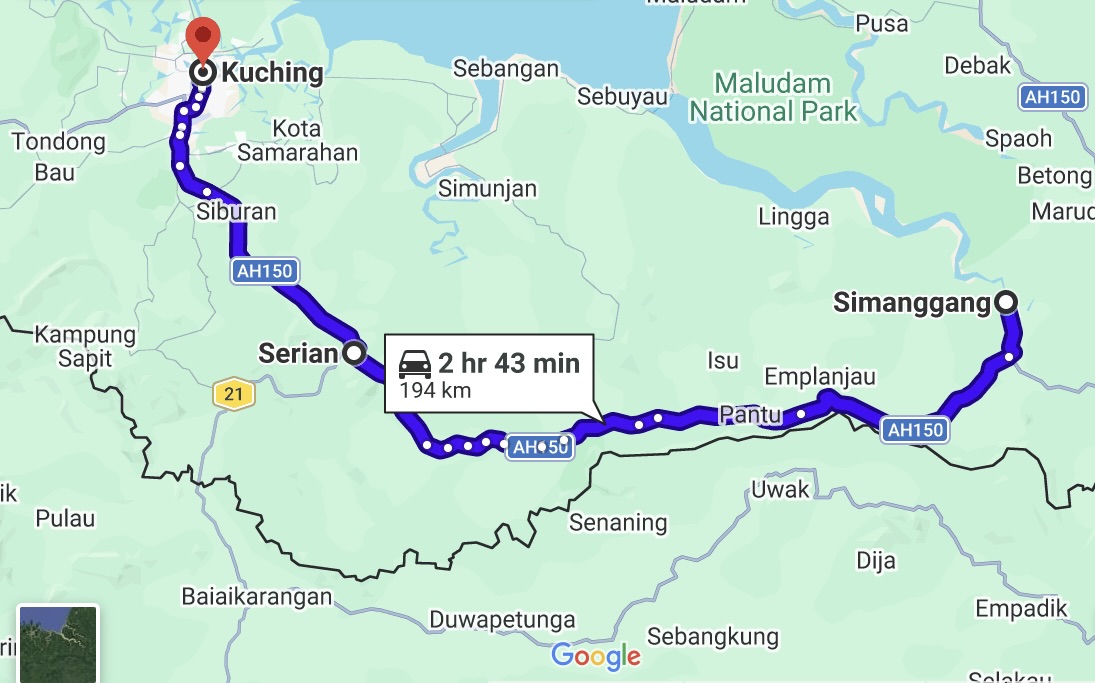
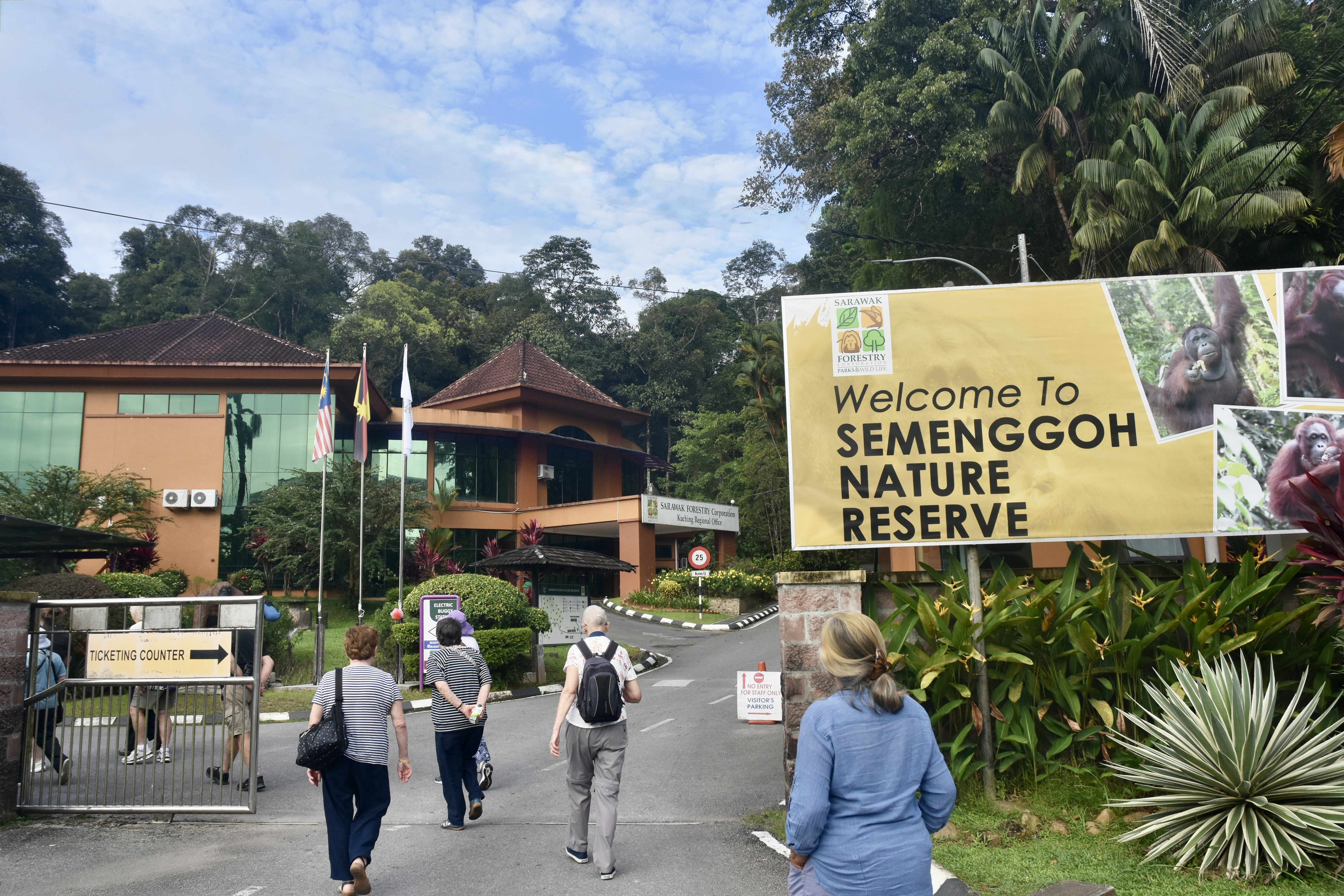
We left the Waterfront Hotel after breakfast and travelled by coach to Semenggoh, 24 kilometers south of Kuching. Opened in 1975, the Semenggoh Wildlife Center was the first facility to be established in Sarawak to care for wild orangutans that had been previously kept as illegal pets, orphaned or found injured in the rainforest. Over the years a number of orangutan have been successfully rehabilitated and released into the 653 hectare forest reserve. Today there are over twenty released orangutan living at Semenggoh. They spend most of their time in the forest but some return to the centre where they are fed twice daily between 9 am and 10 am in the morning and 3 pm and 4 pm in the afternoon. It is possible to visit the centre between 8AM – 12:30 pm and from 2 pm – 4 pm daily.
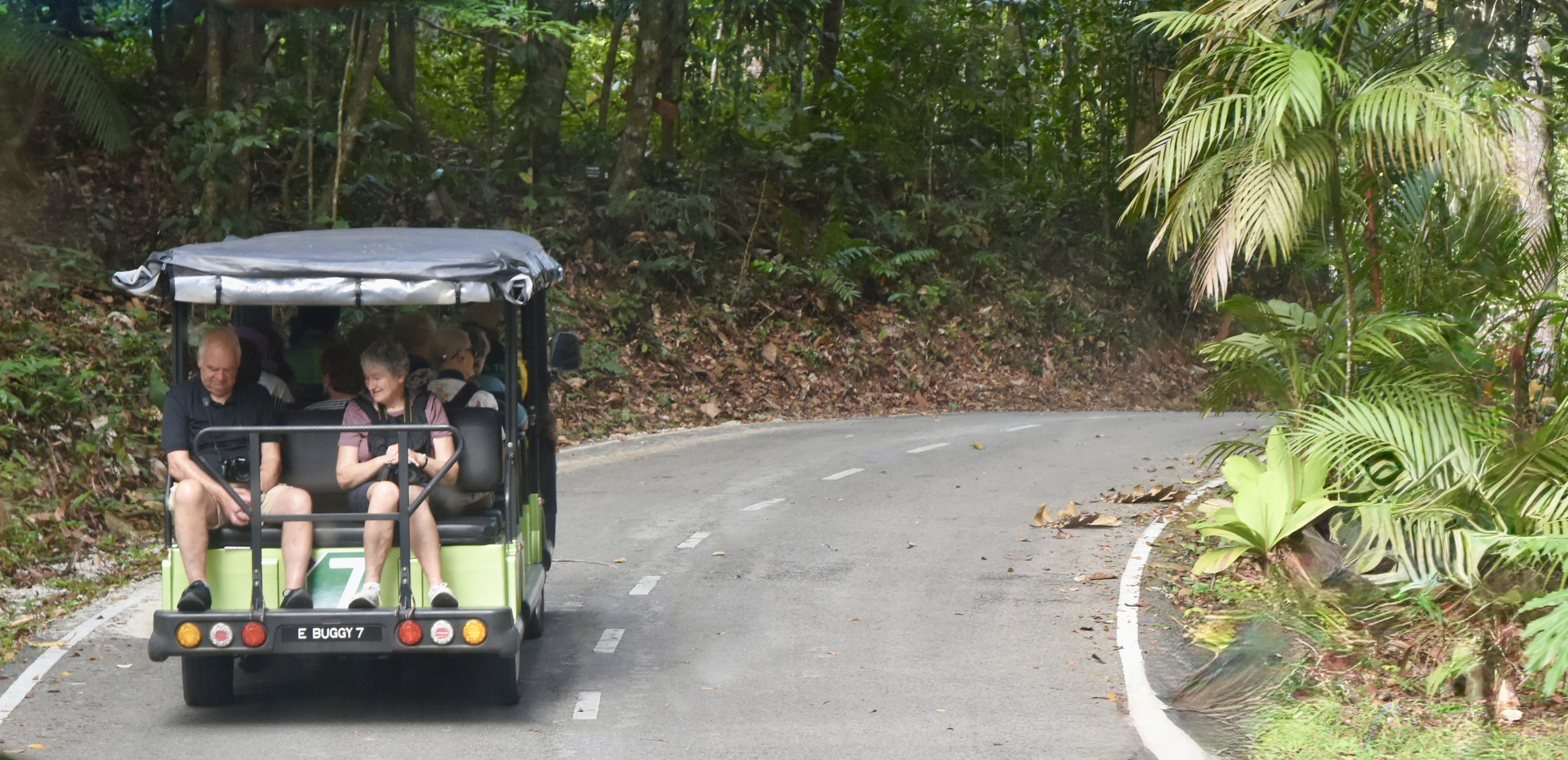
From the ticket office at the entrance to the Wildlife Centre, we were driven to the orangutan feeding site of the Wildlife centre by “Grab Taxi.”
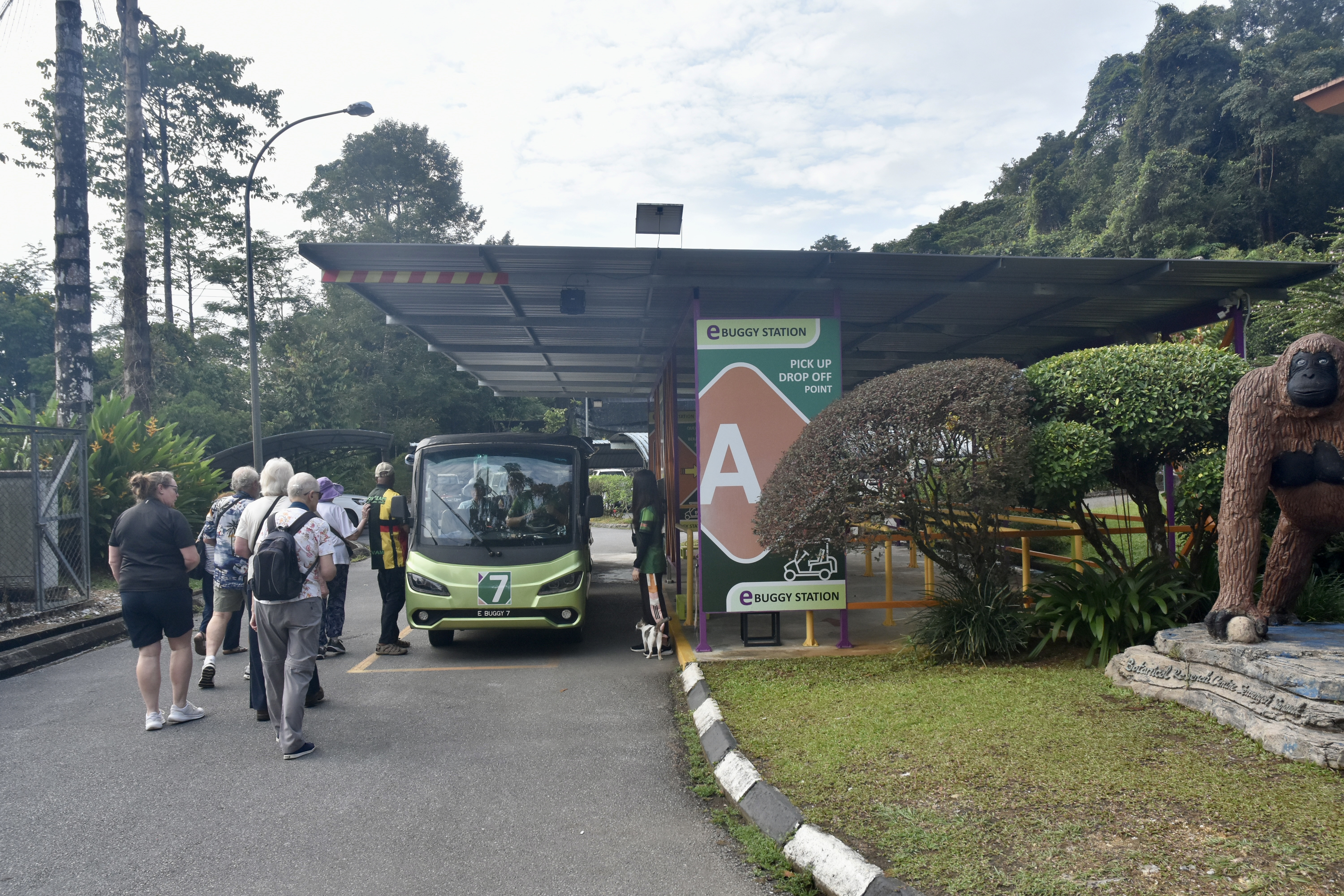
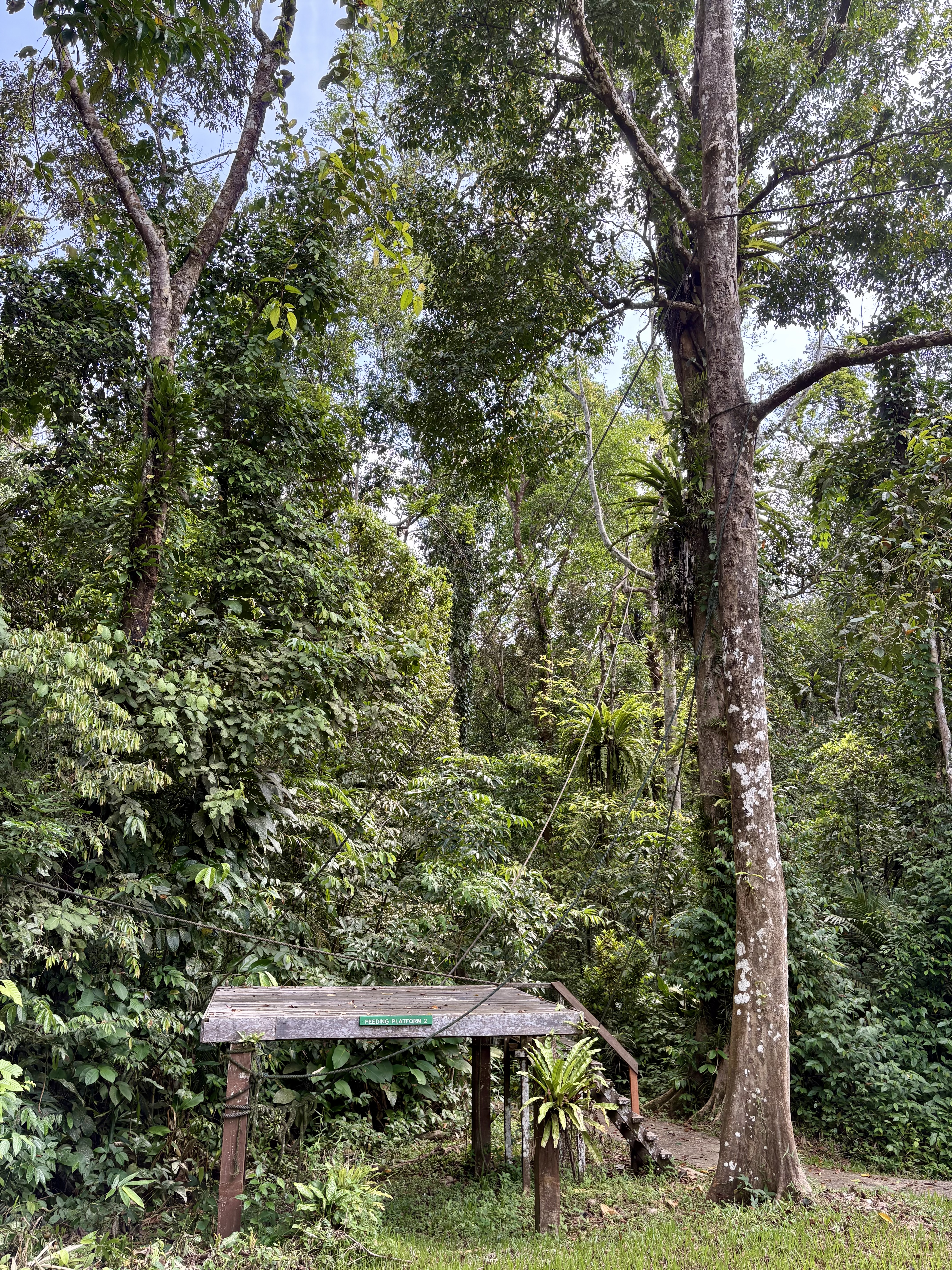
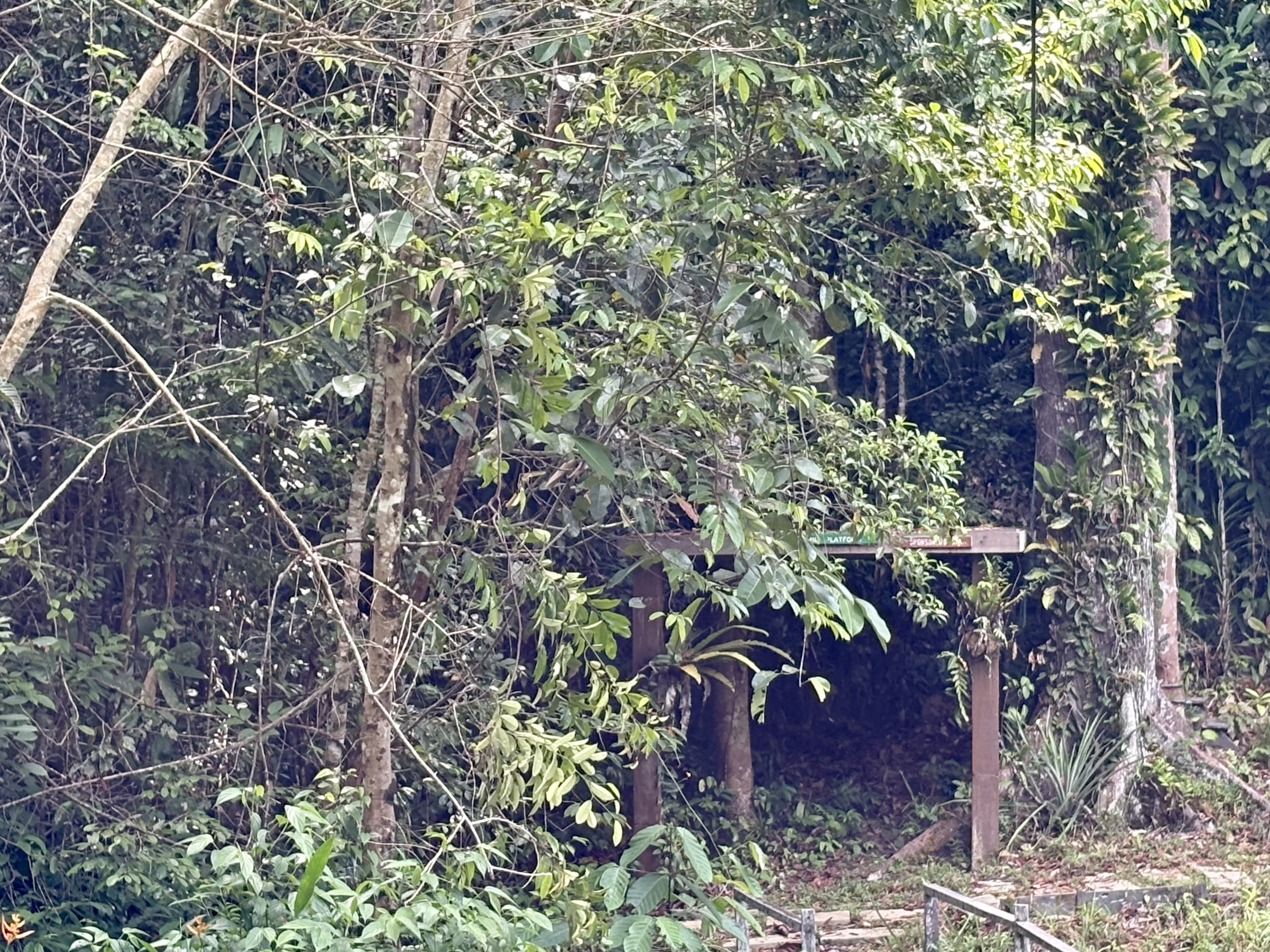
Semenggoh is known as one of the best places in the world to see semiwild orangutans in their natural rainforest habitat, swinging from trees and scurrying up vines. We spent one and a half hours at the orangutan feeding centre with its three feeding platforms. We heard them out in the jungle but not a single orangutan turned up to be fed!
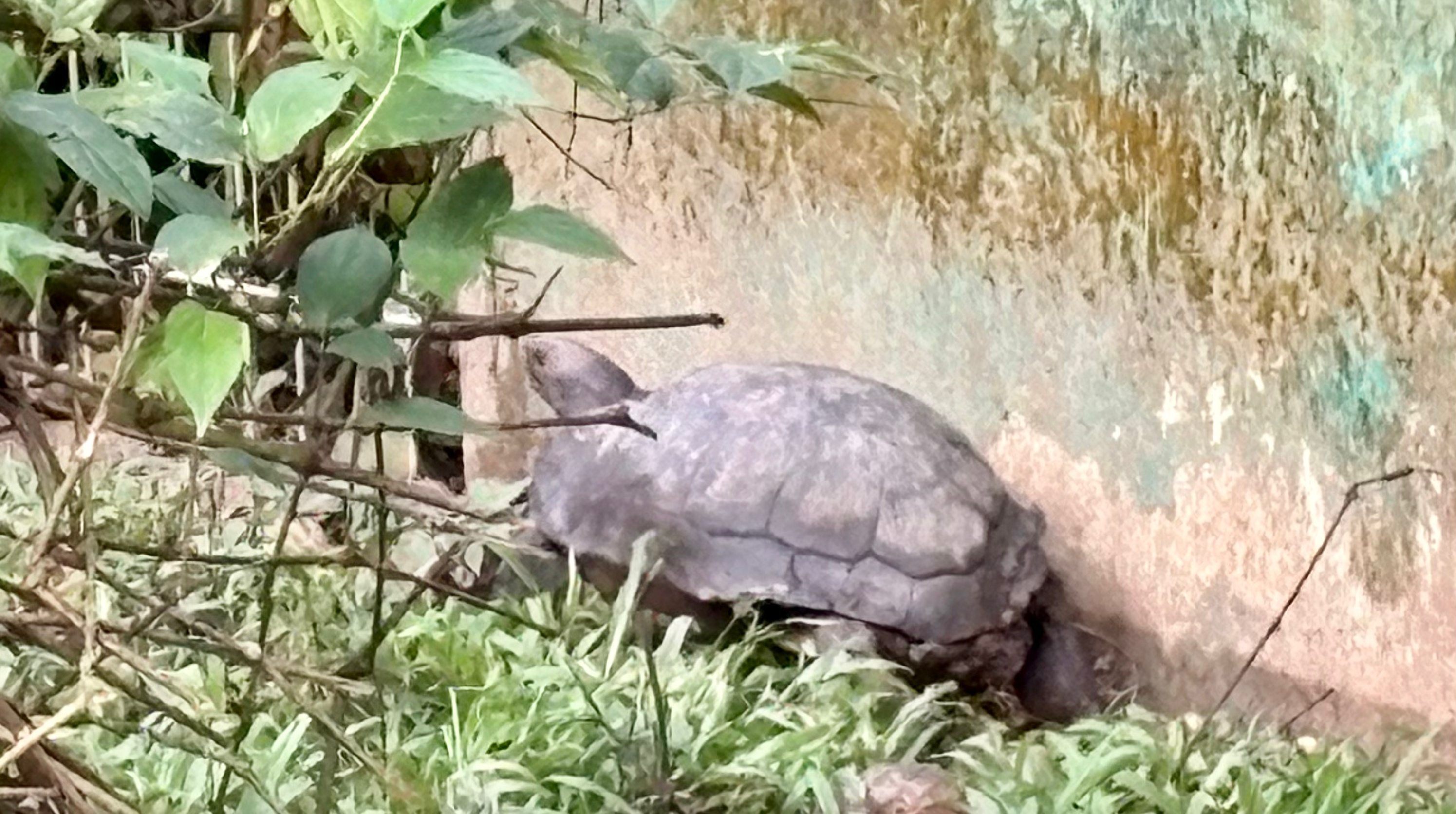
We however, saw a large tortoise.
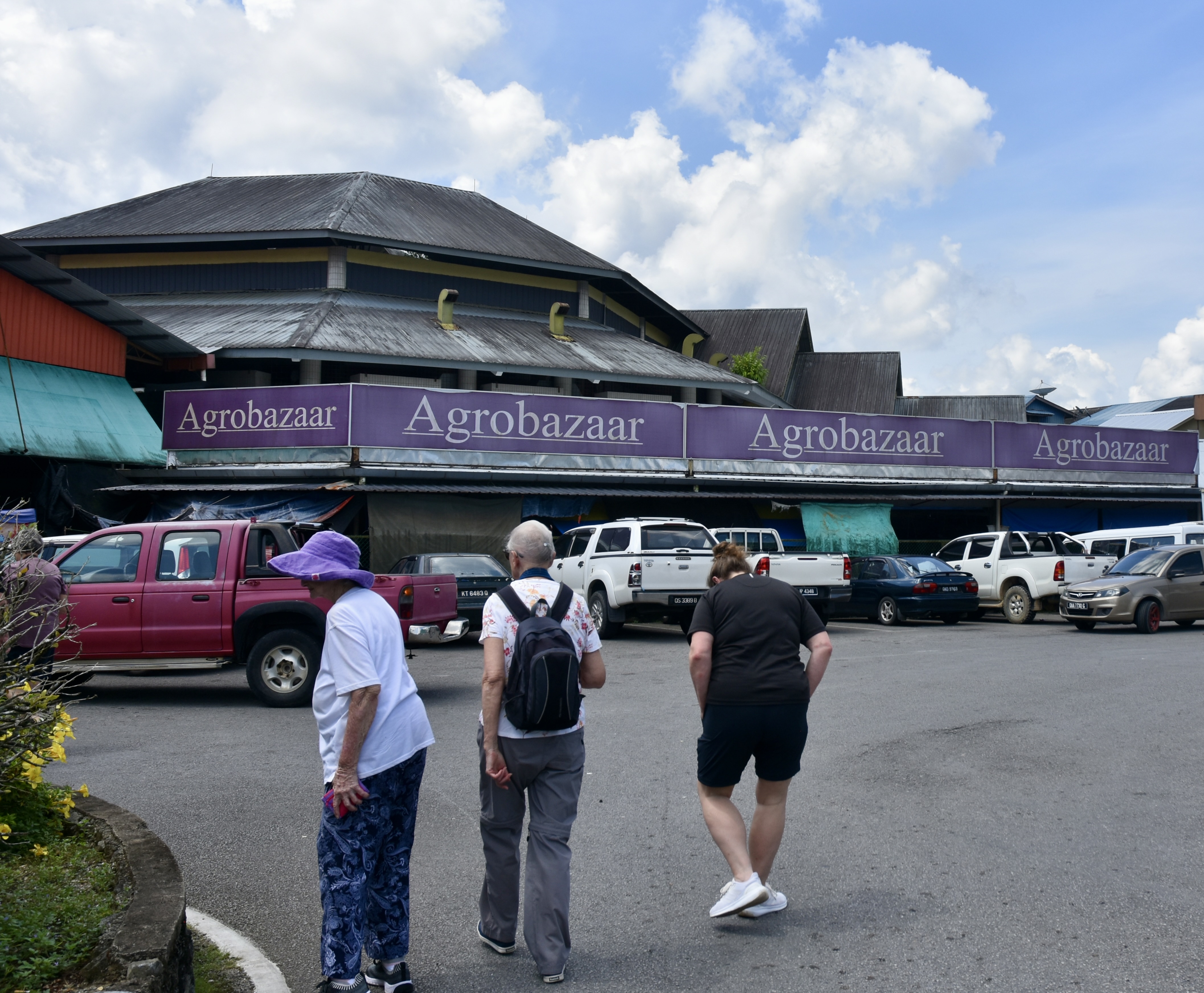
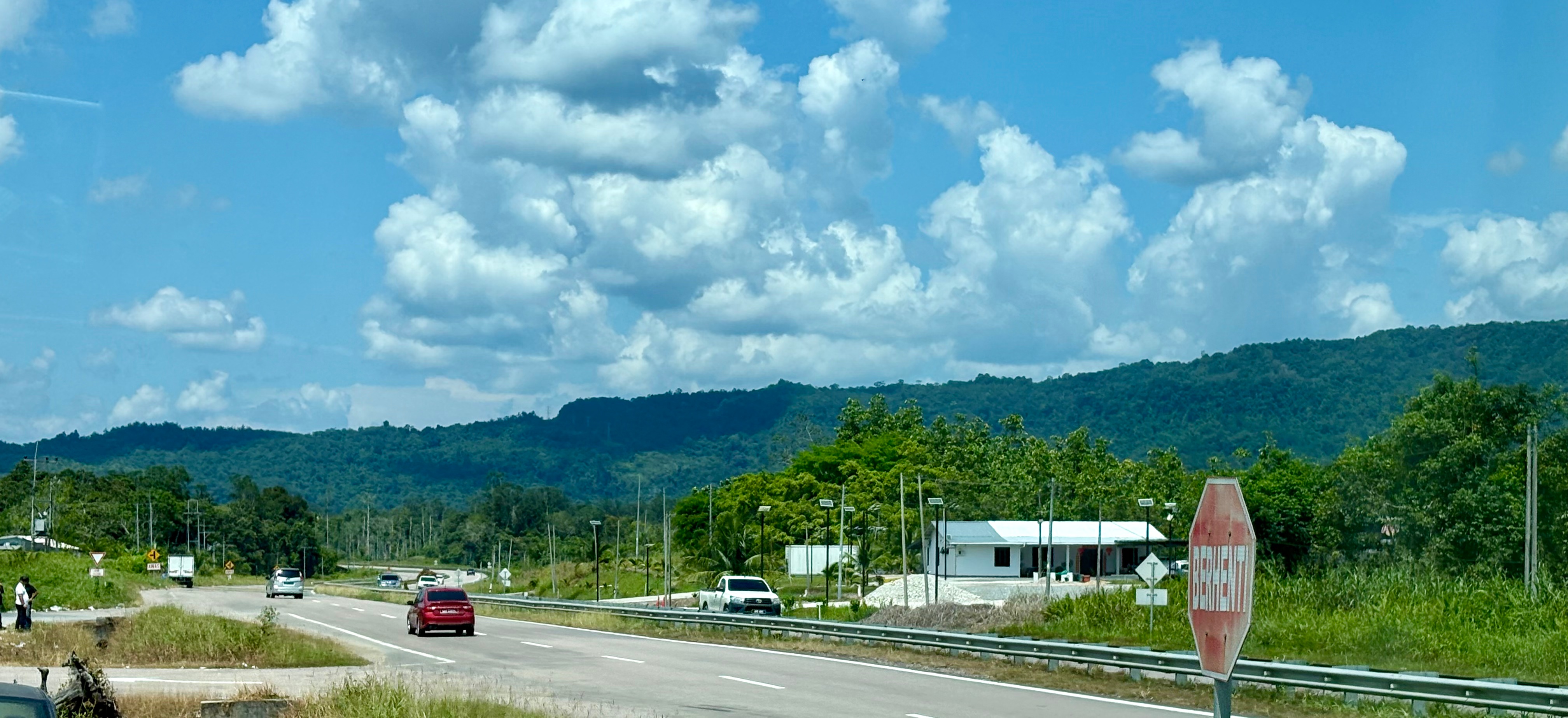
On the way to Sri Aman, we stopped at Lachau – a small, bustling town and popular stopover located roughly 2.5 hours from Kuching. Known for a prominent lizard statue, the town has a small bazaar with three rows of shophouses that acts as a gathering place for locals and travellers.
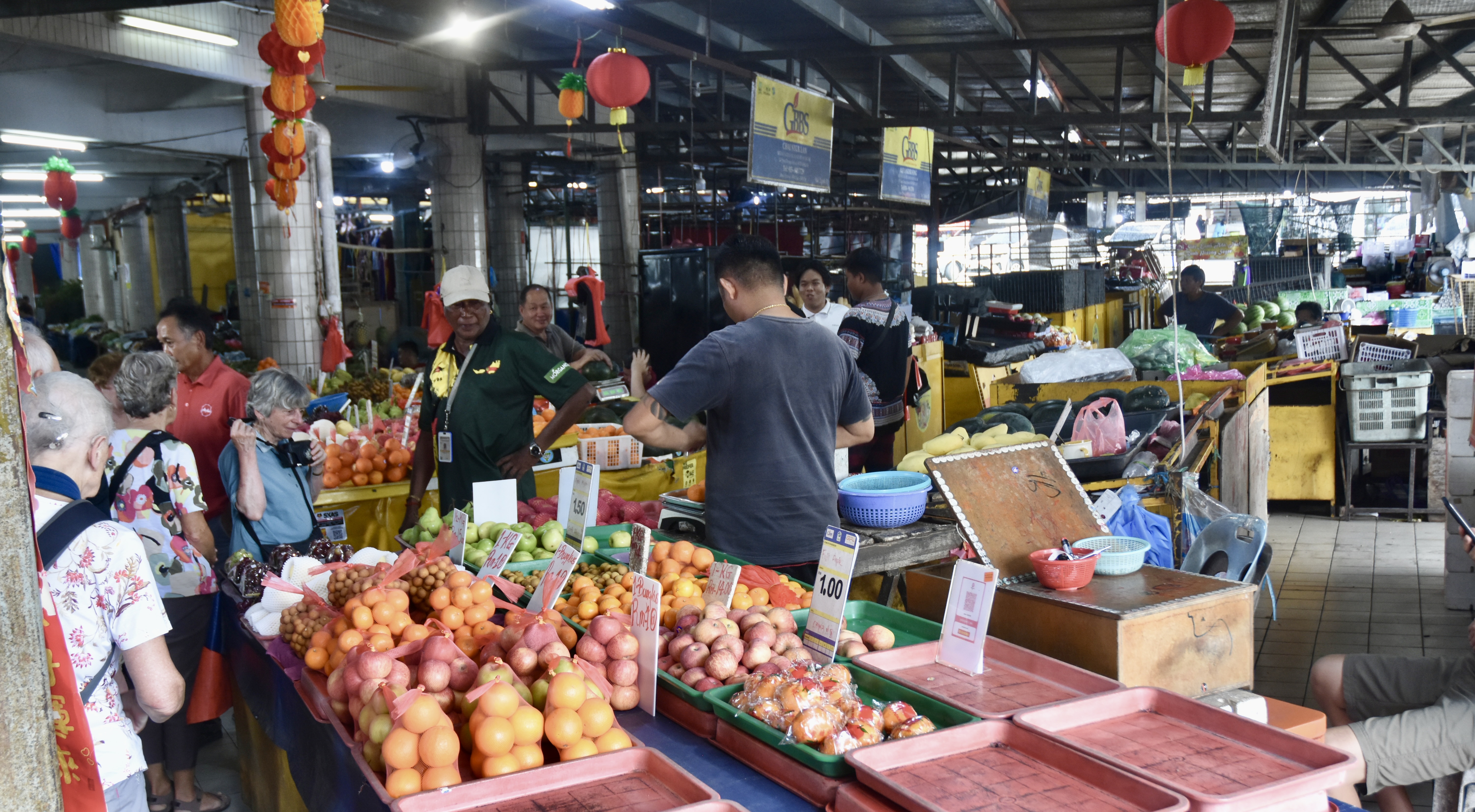
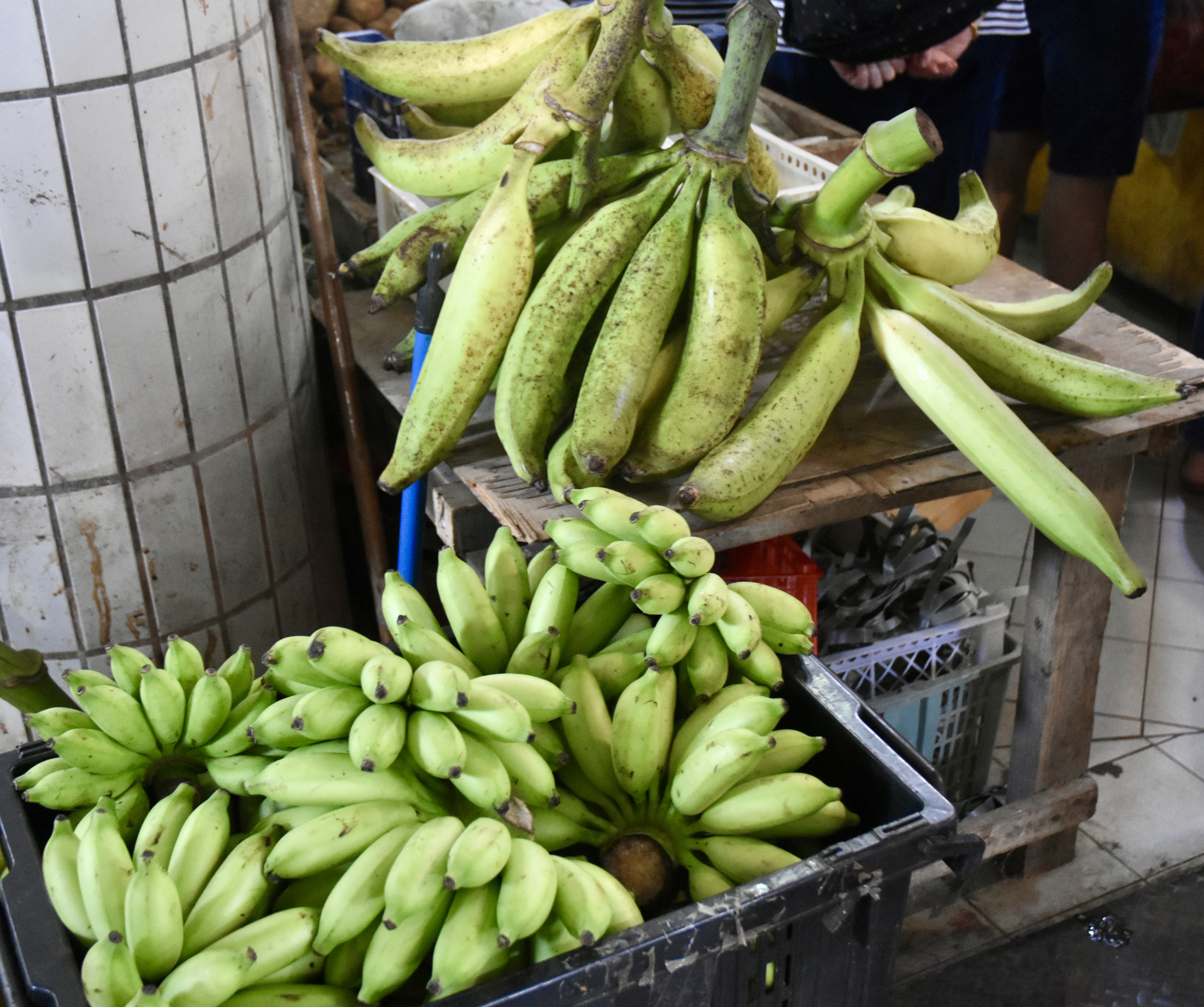
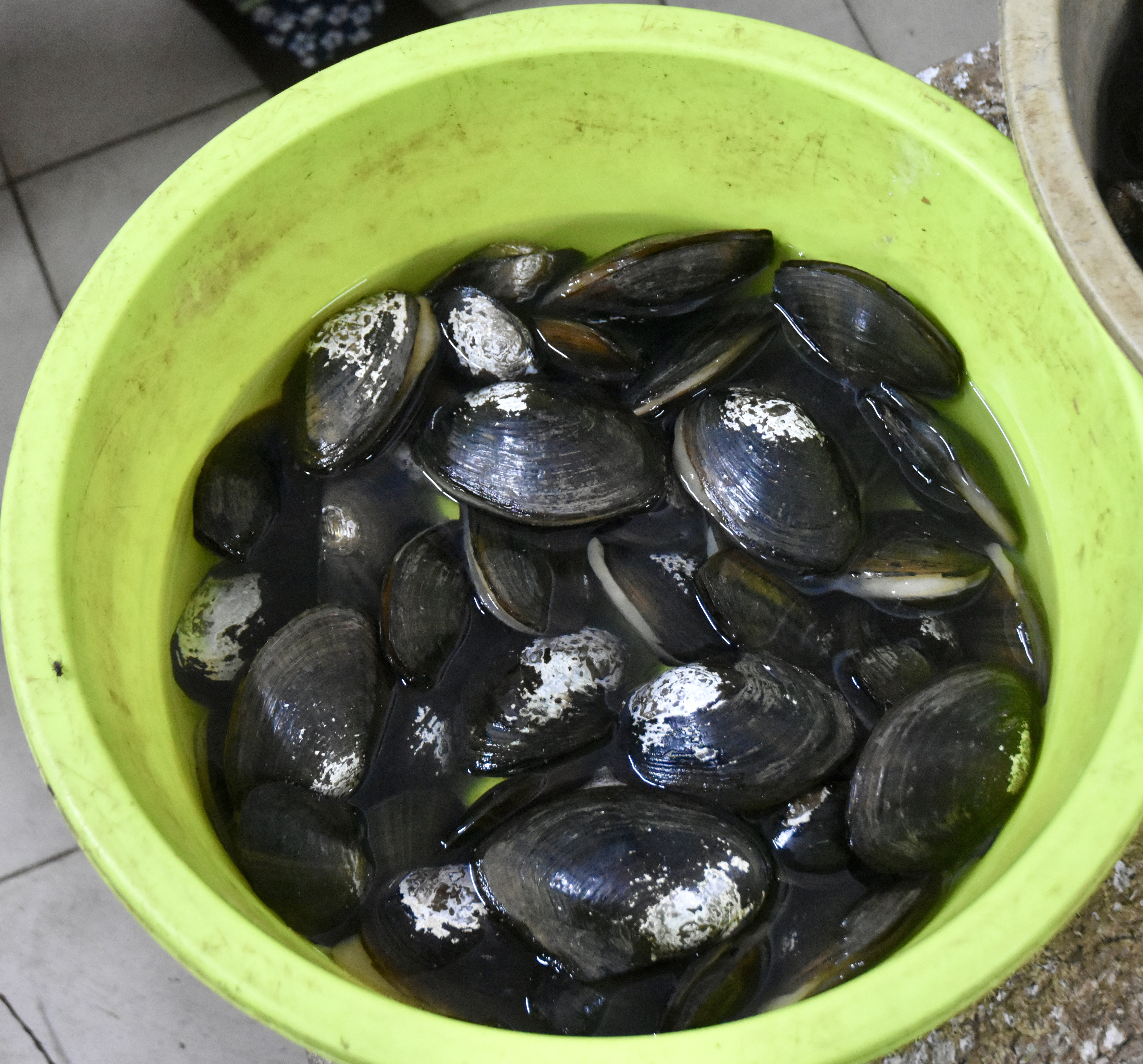
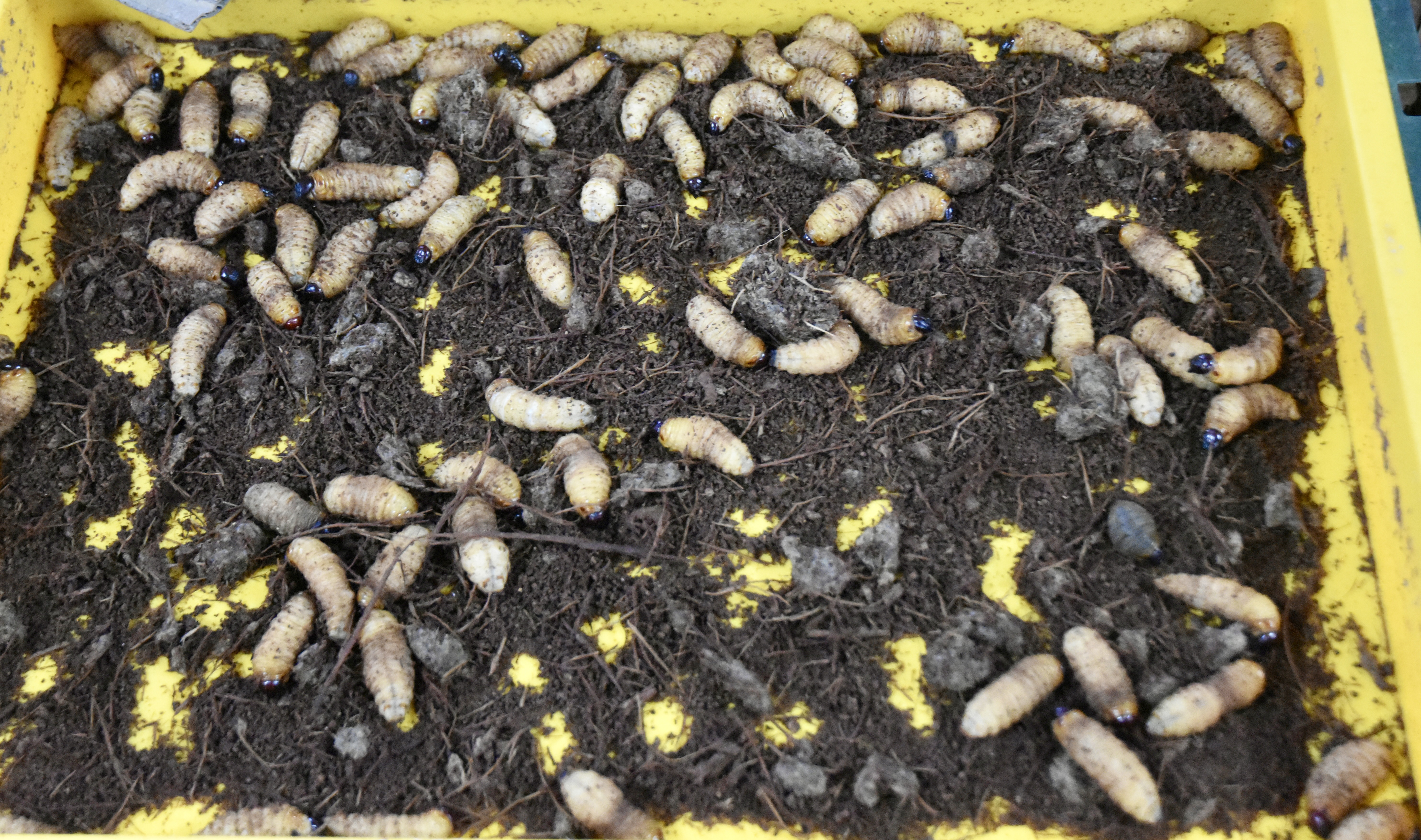
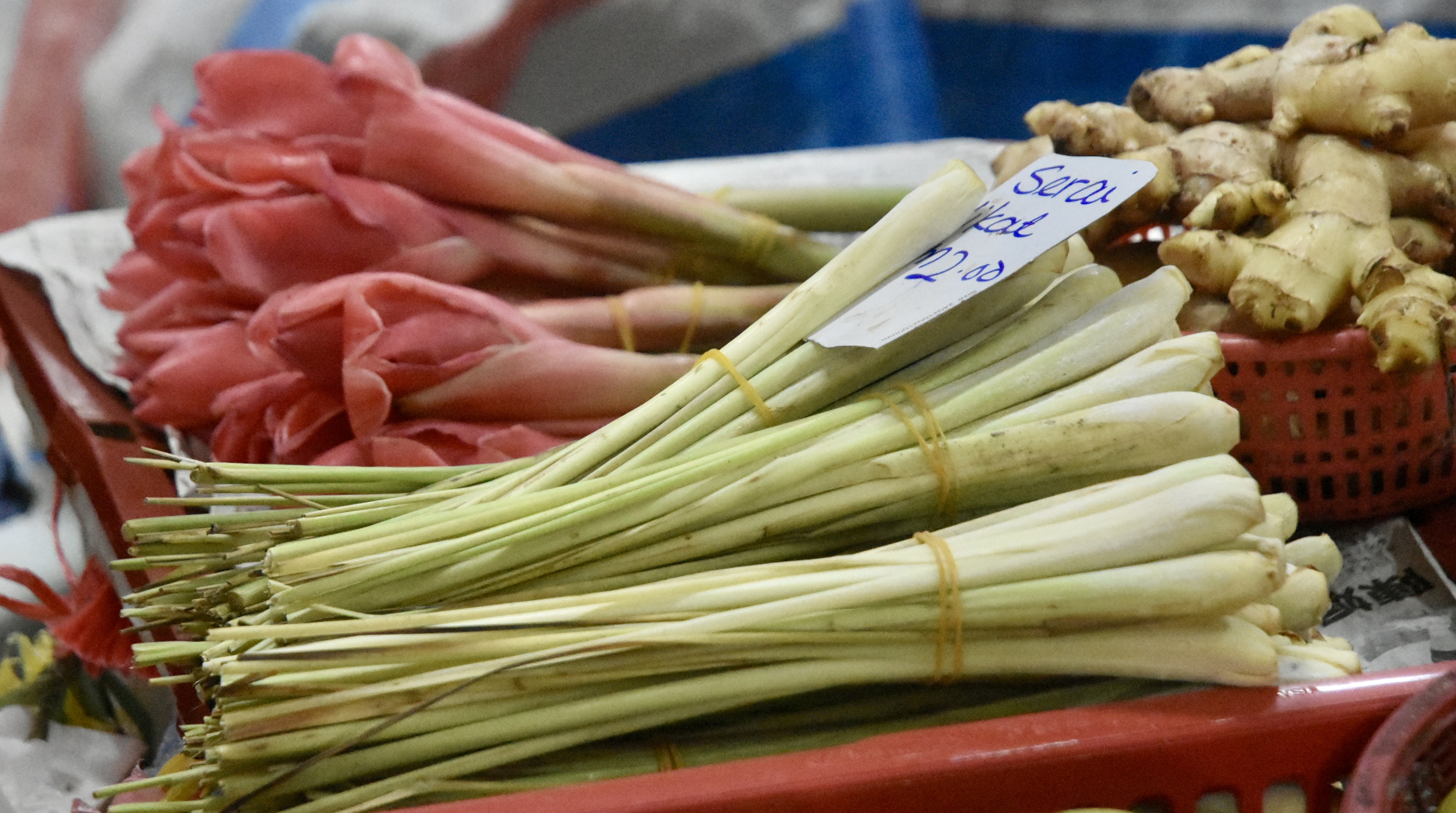
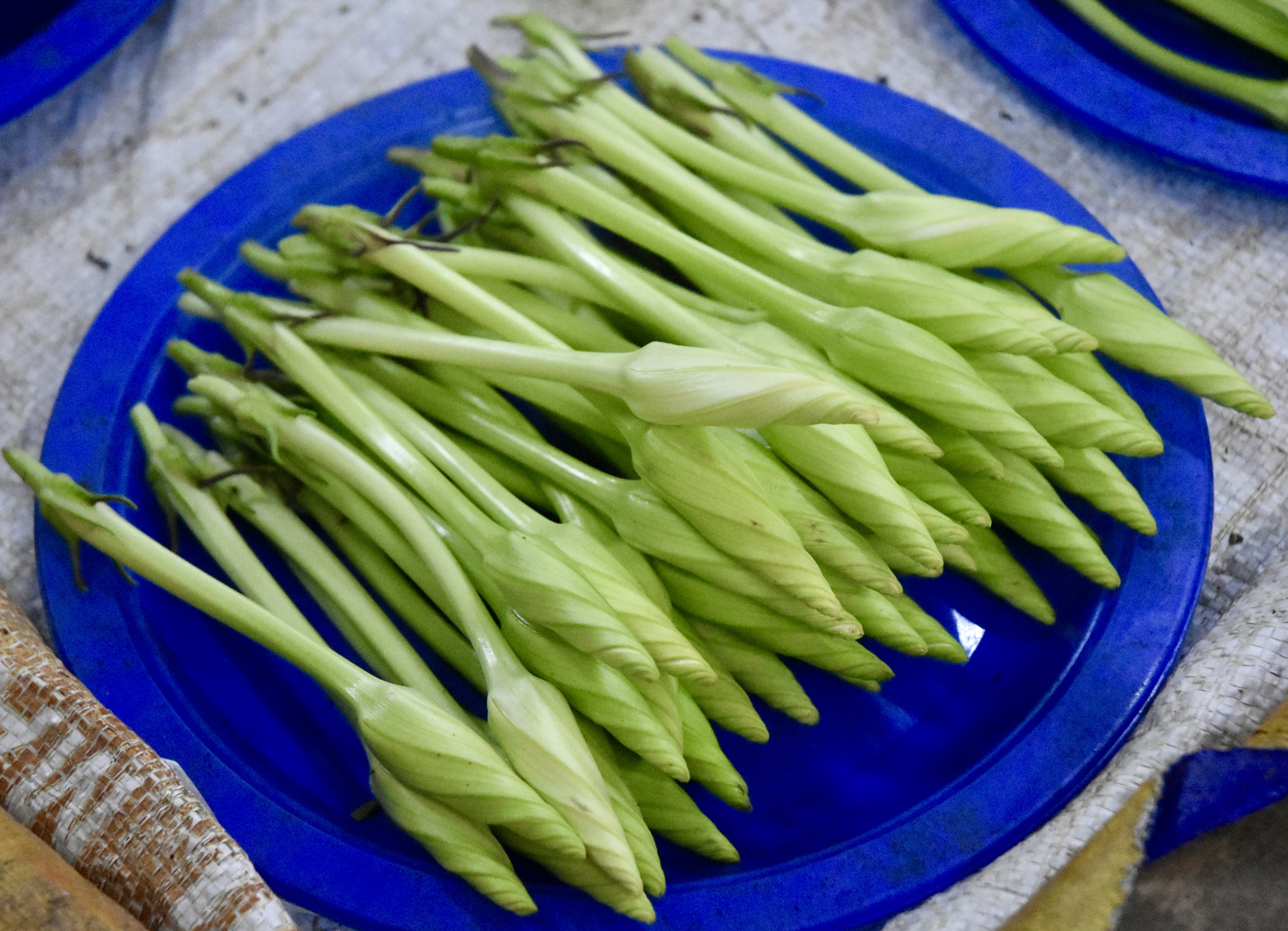
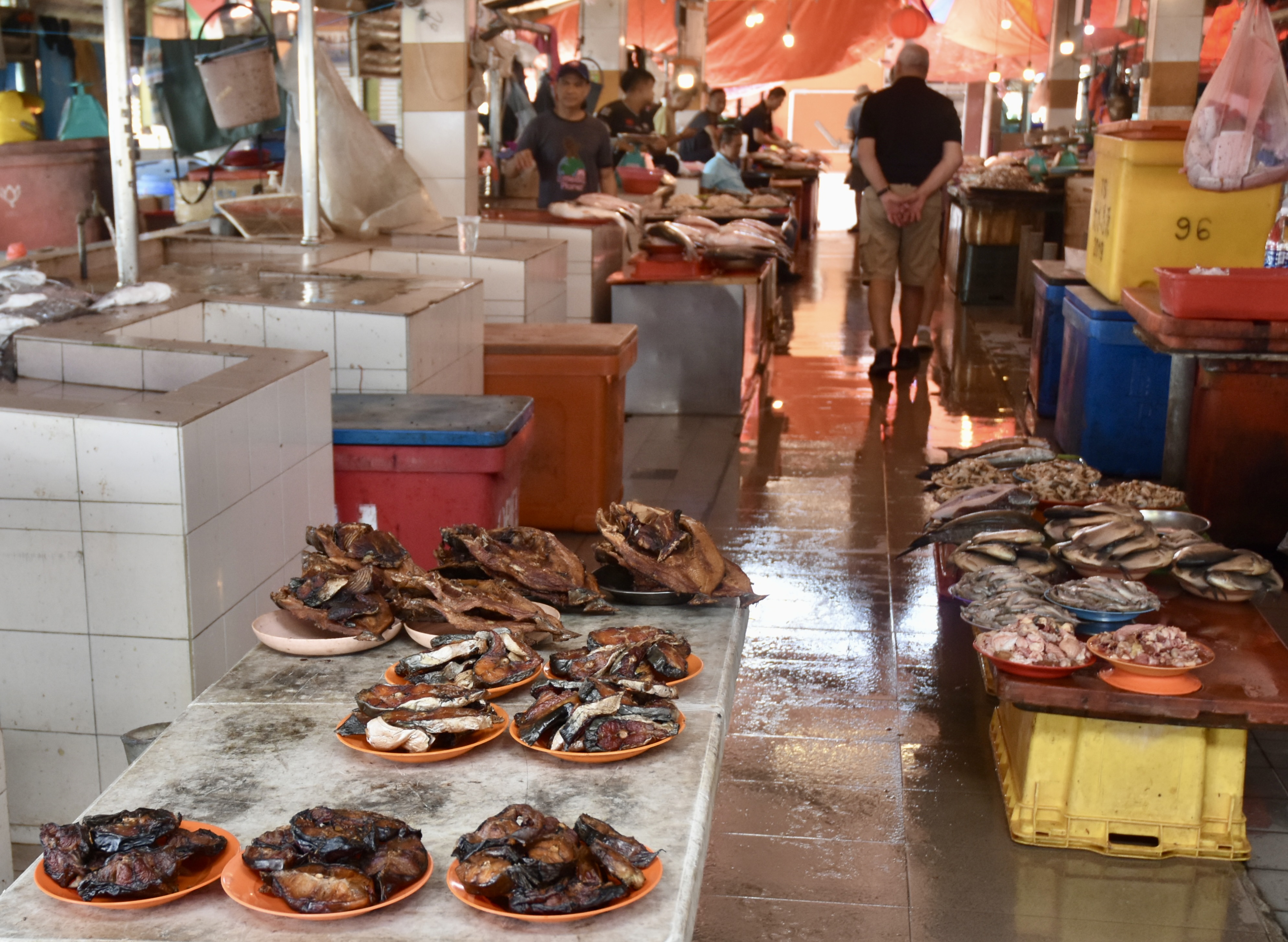
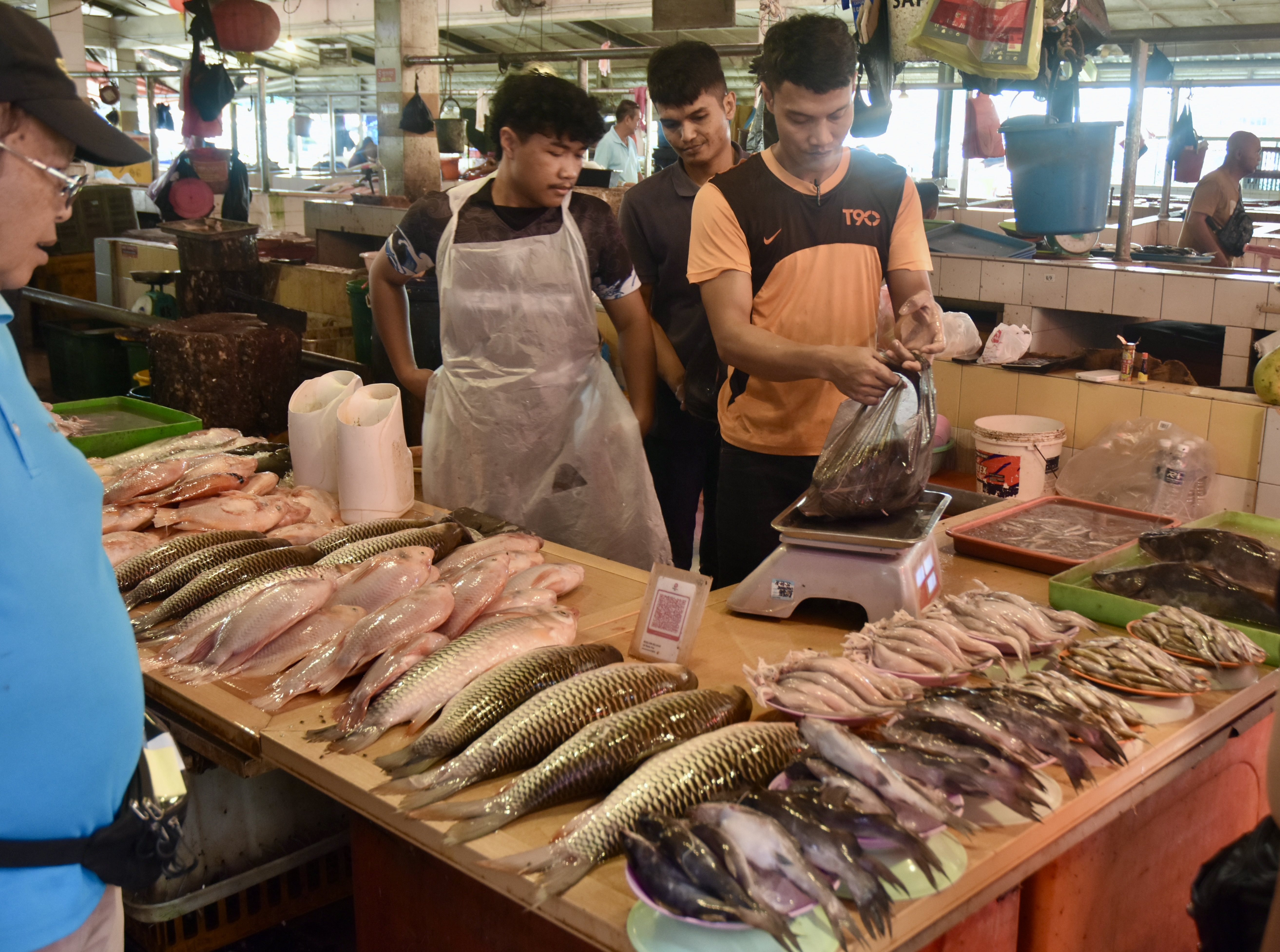
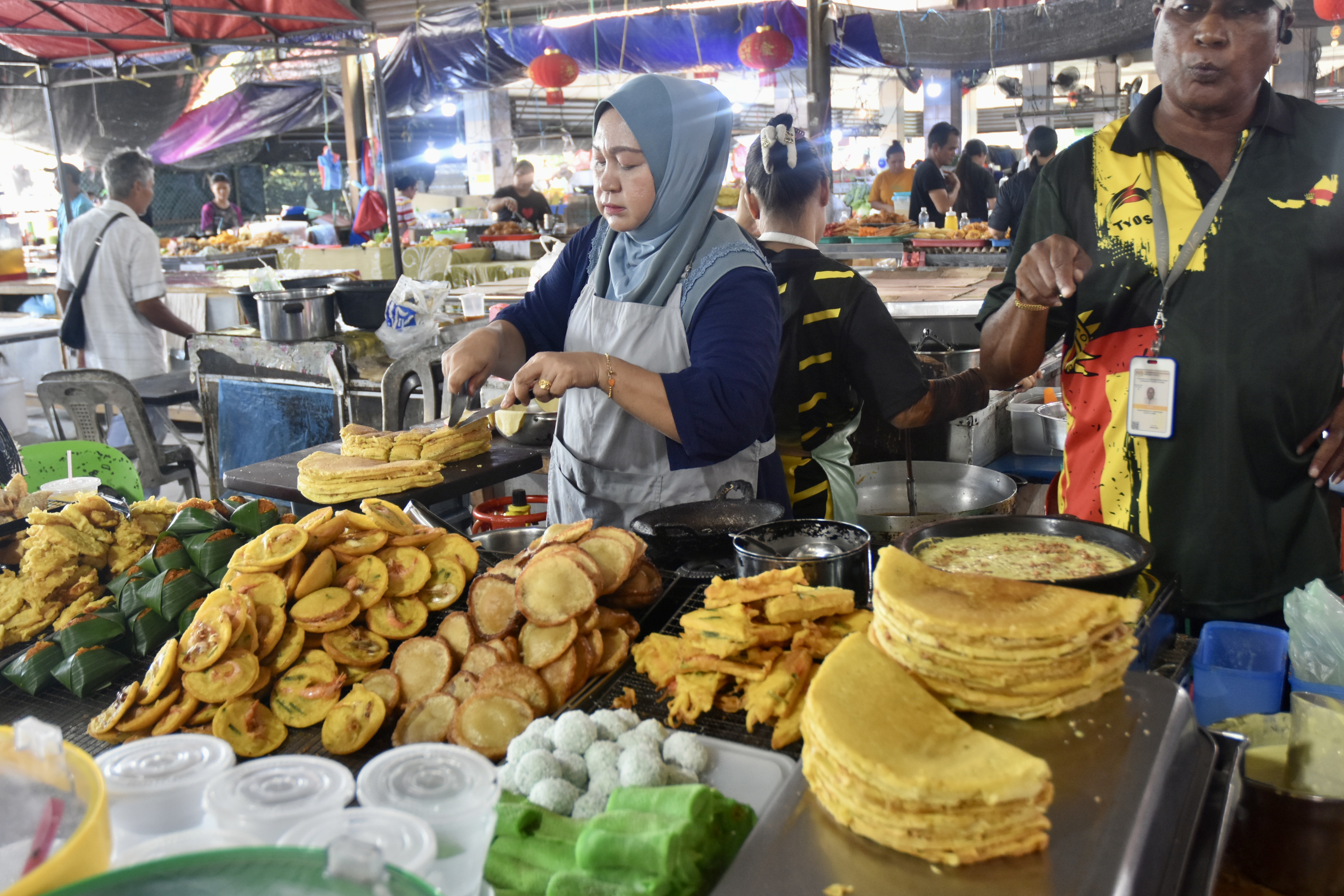
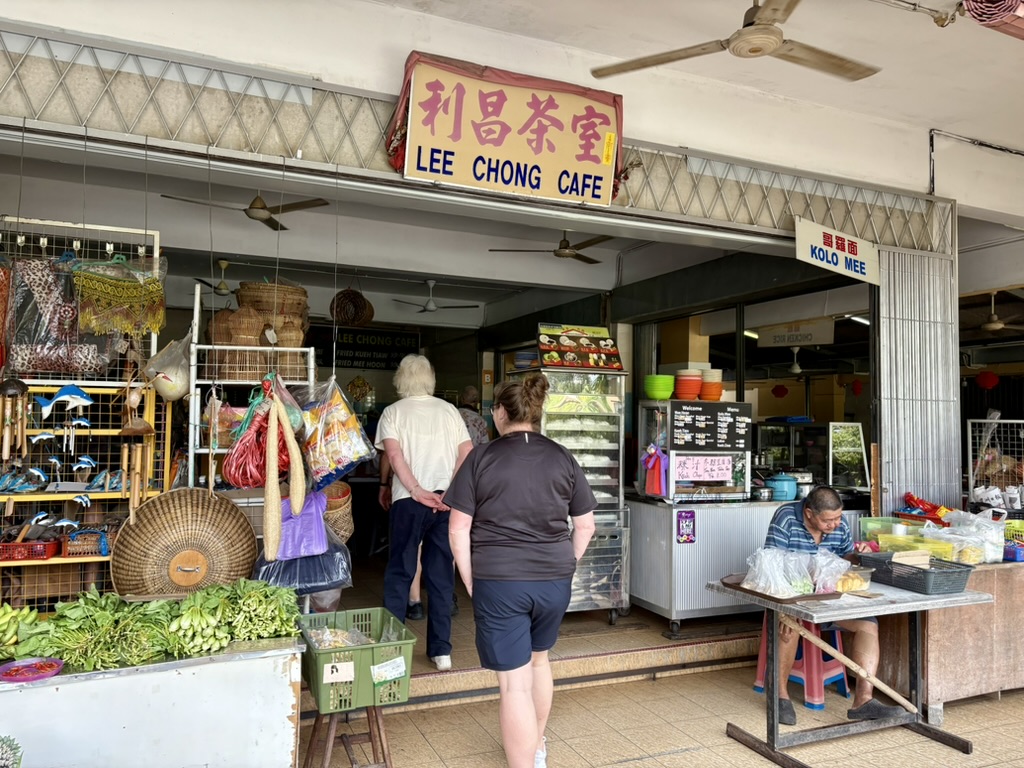
Lunch was in a simple Chinese cafe in town.
Several mountain ranges run along the border between Sarawak (Malaysia) and Kalimantan (Indonesia). These ranges form the natural boundary and are often part of protected, rugged rainforest areas.
We arrived in Sri Aman in the early afternoon and checked into Seri Simanggang Hotel for a two nights stay.
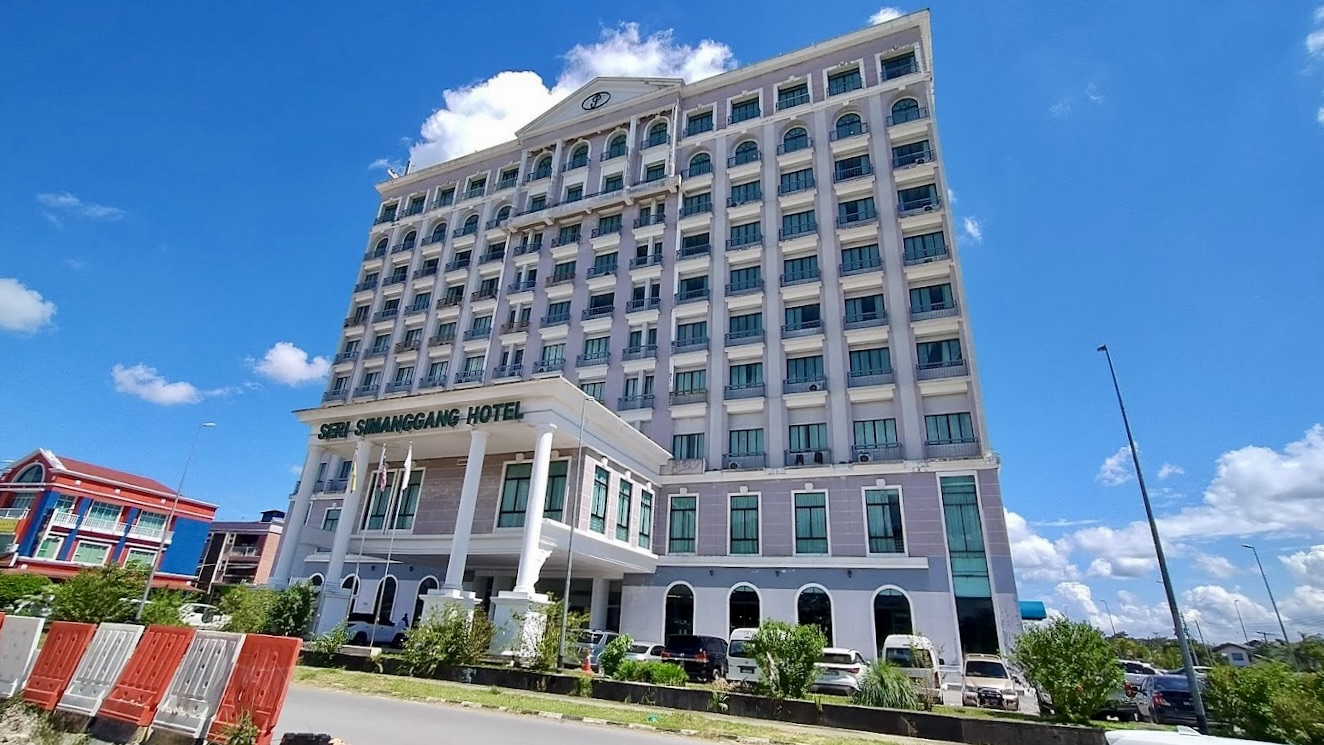
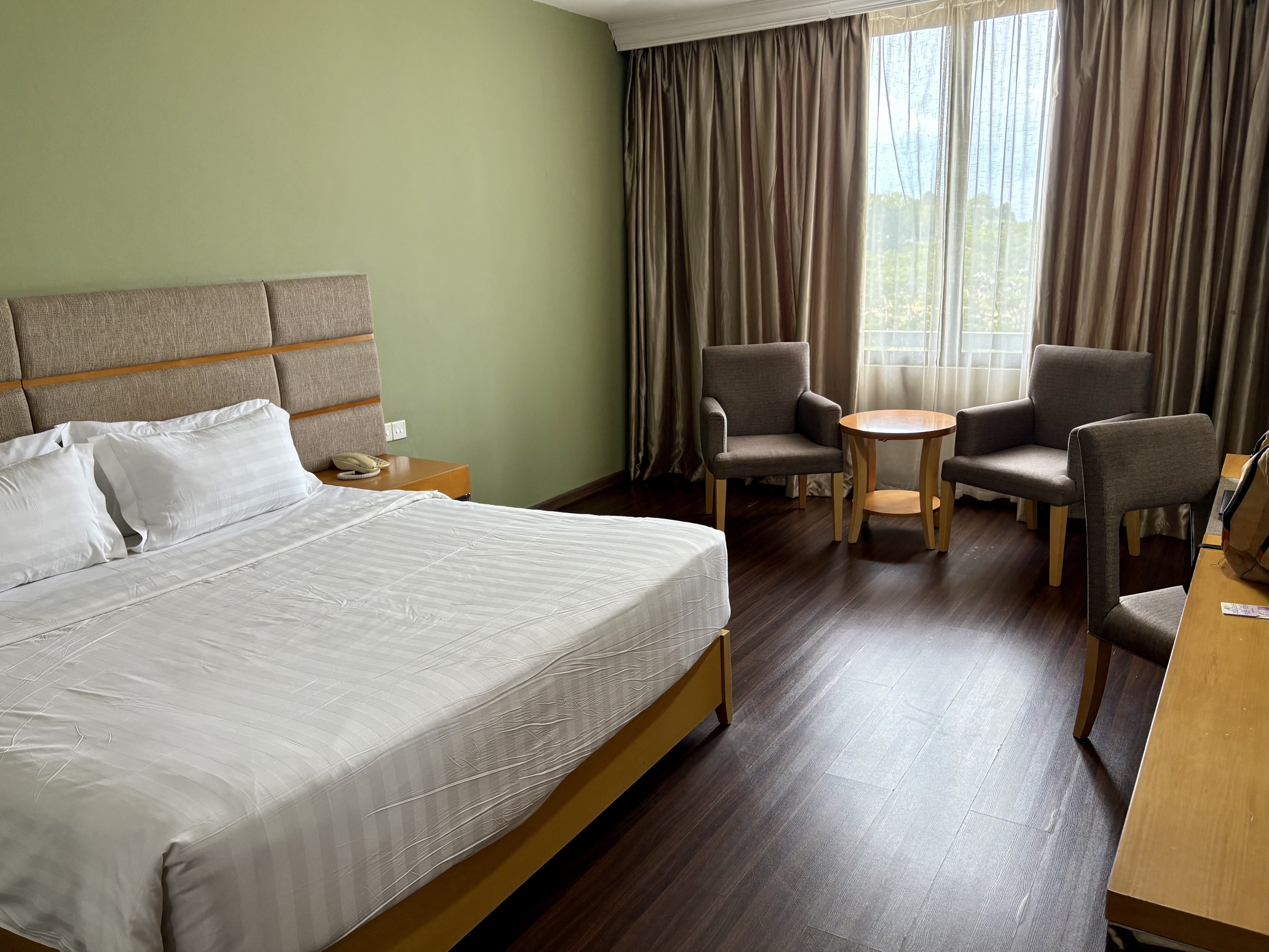
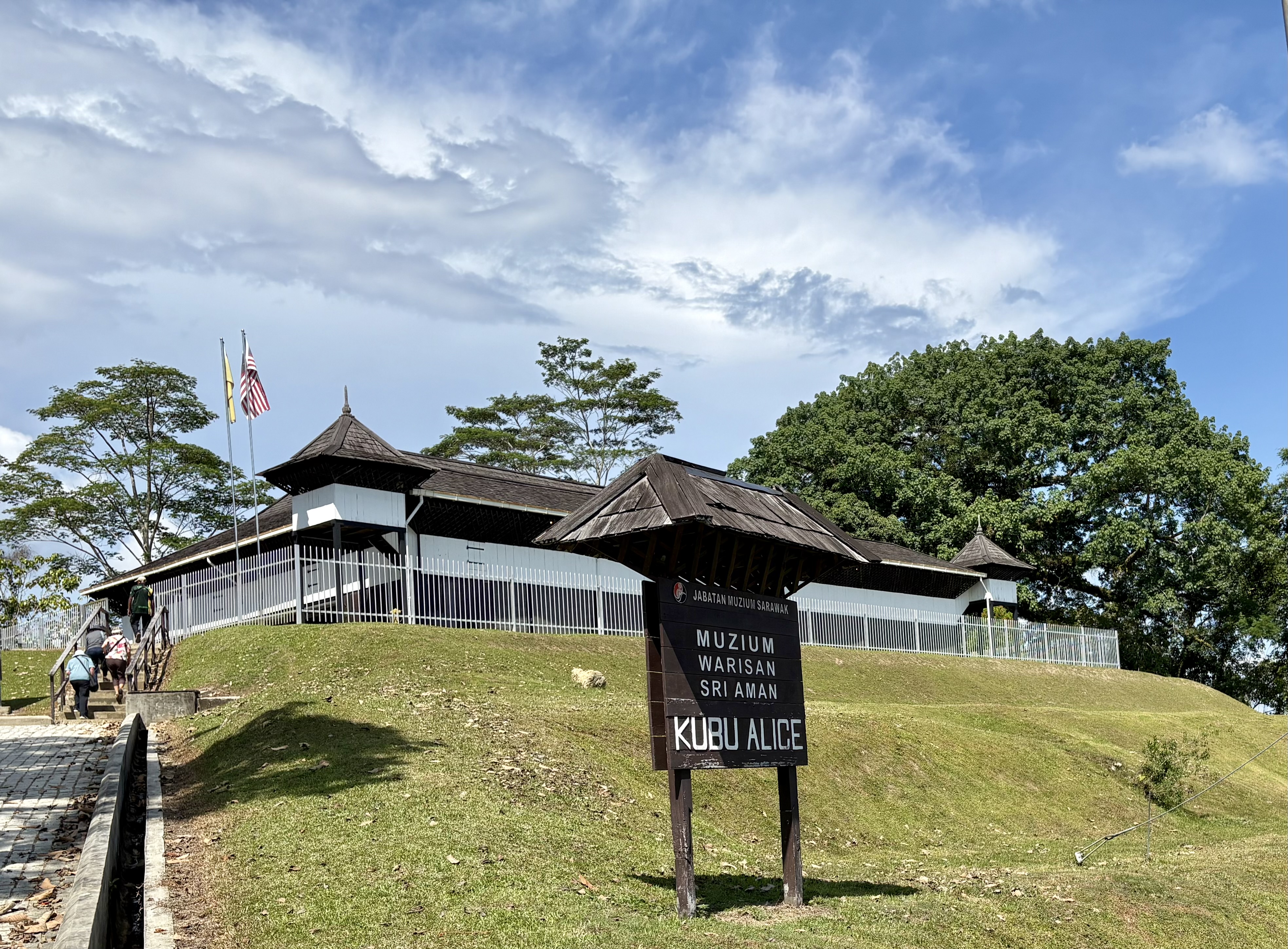
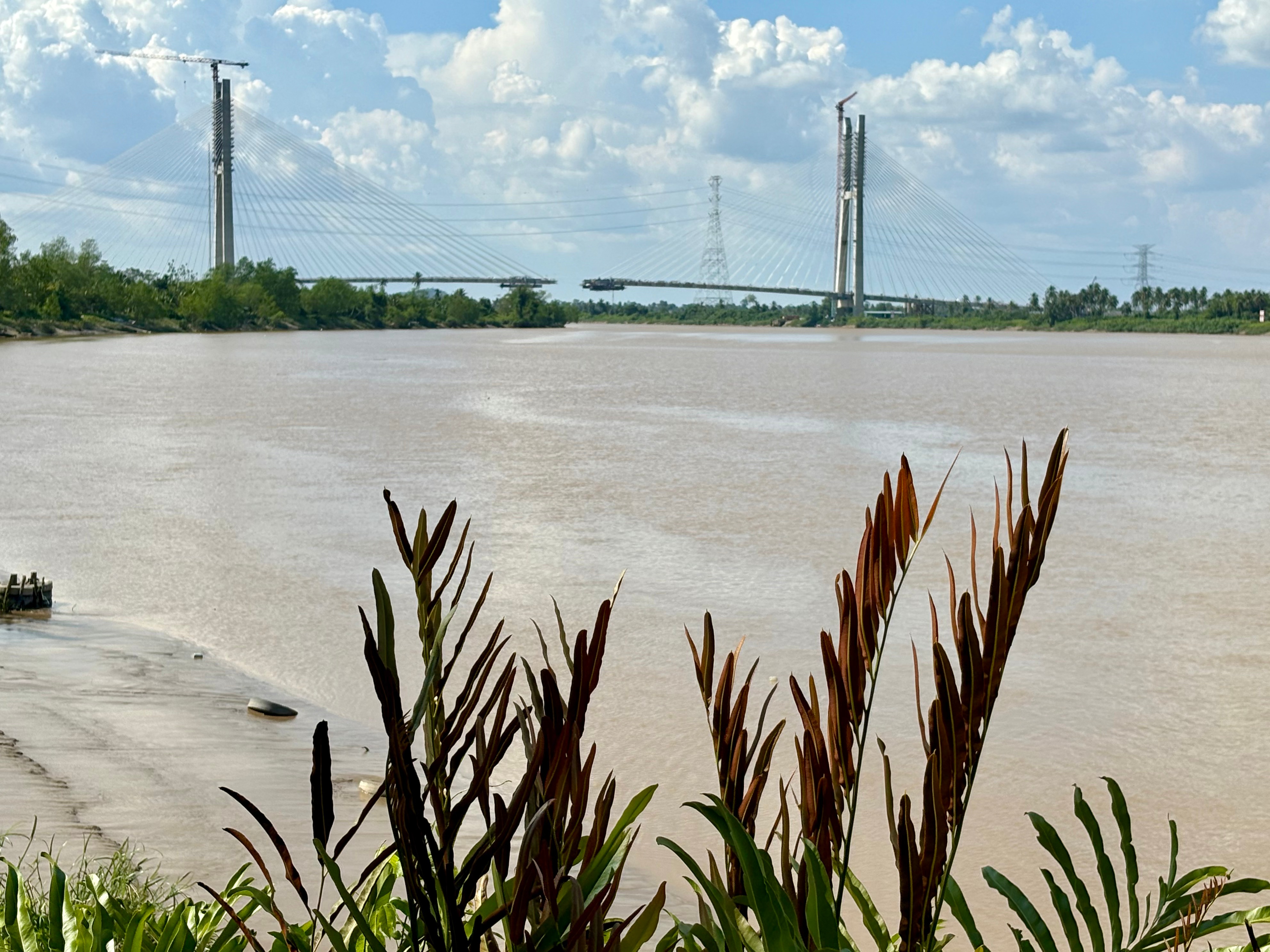
Sri Aman, roughly 3 hours drive from Kuching and formerly known as Simanggang, is an historic town and administrative division in Sarawak, located on the Batang Lupar River. It is famous for the annual Benak Festival (tidal bore) and historical sites like Fort Alice. It is also an agricultural trade centre.
The Benak Festival (Pesta Benak) is an annual, multi-day celebration in Sri Aman, Sarawak, held along the Batang Lupar River, usually around September. It highlights the natural tidal bore phenomenon (benak) with activities like tidal bore surfing, boat racing and cultural performances.
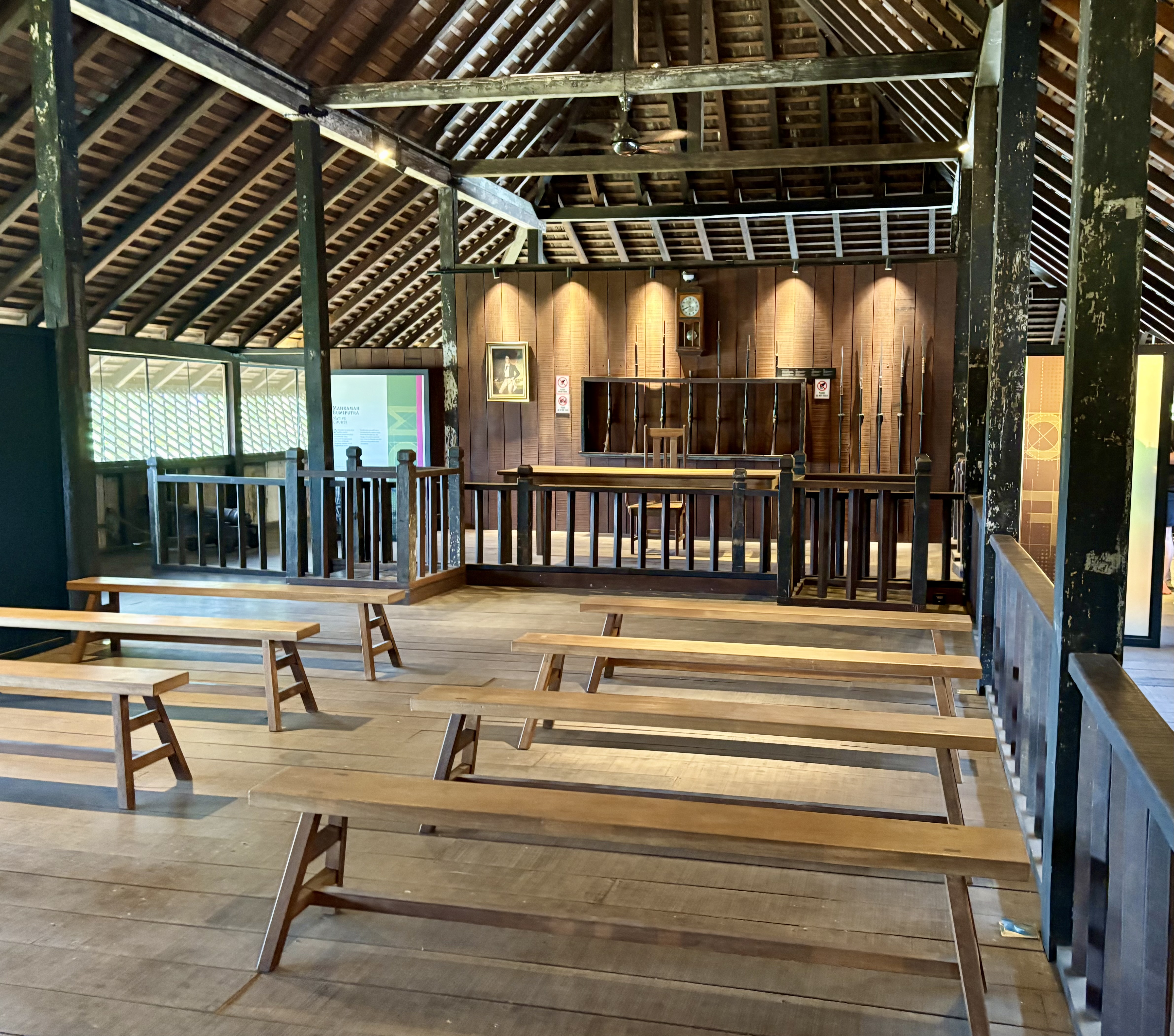
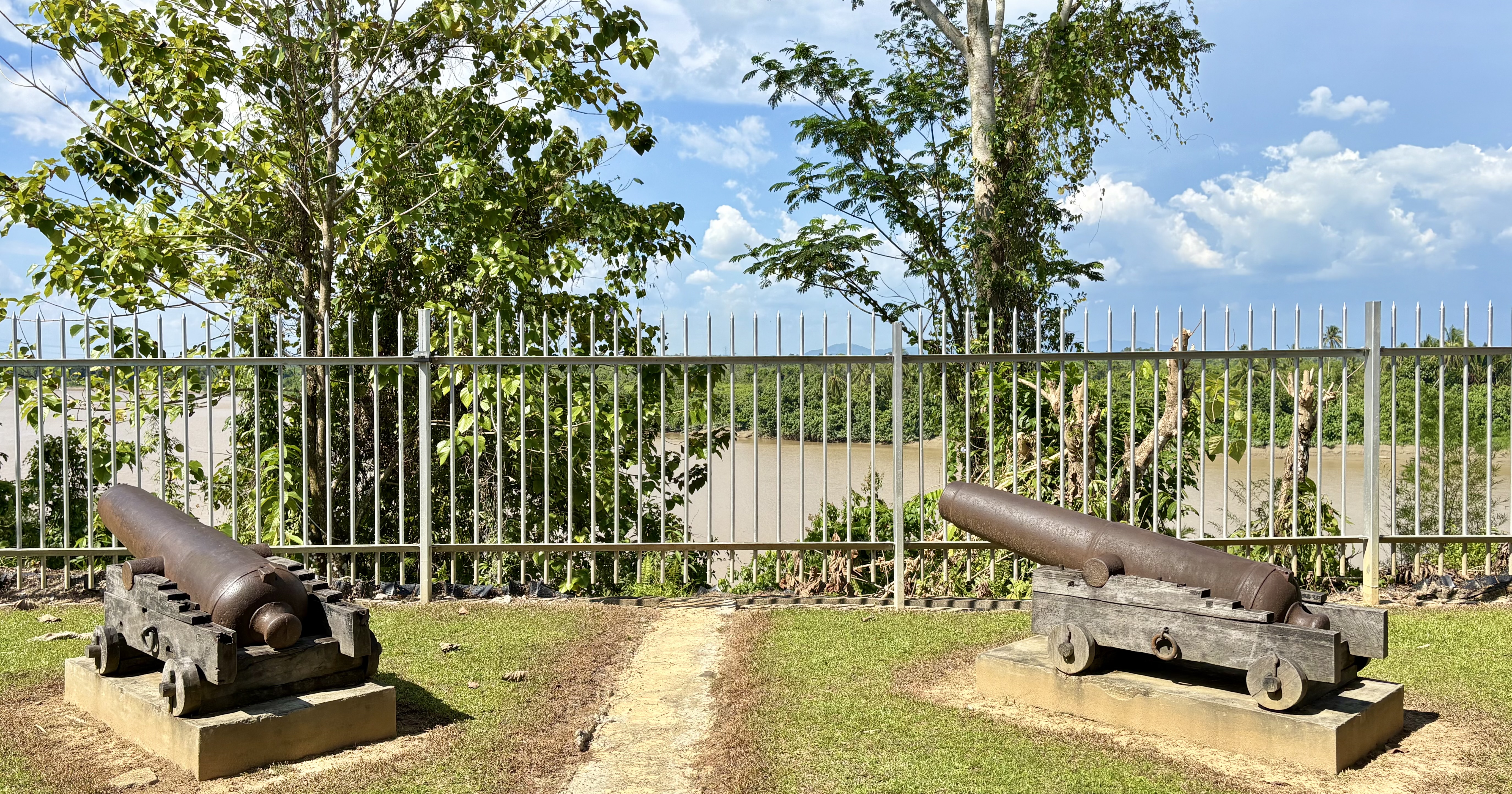
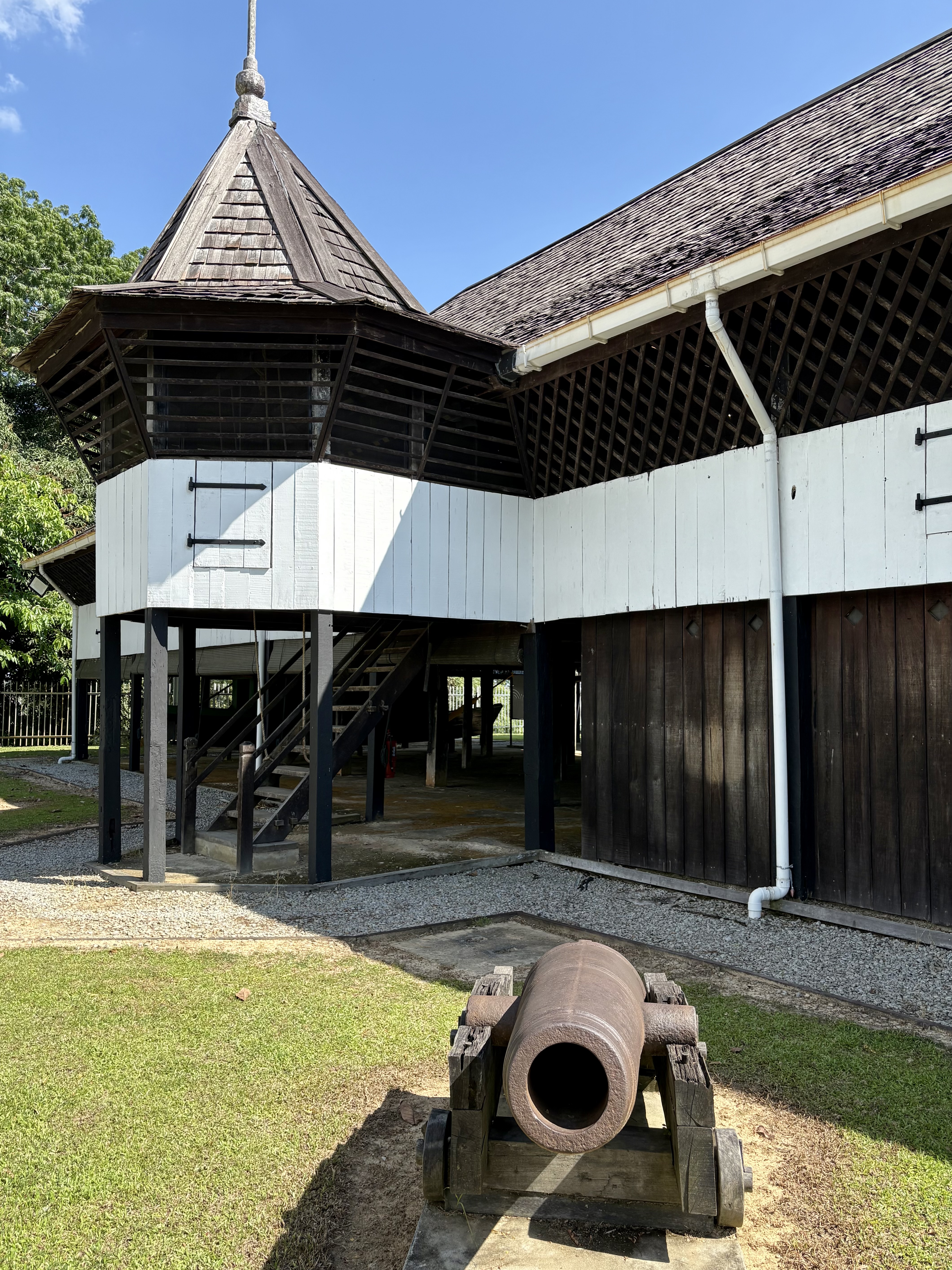
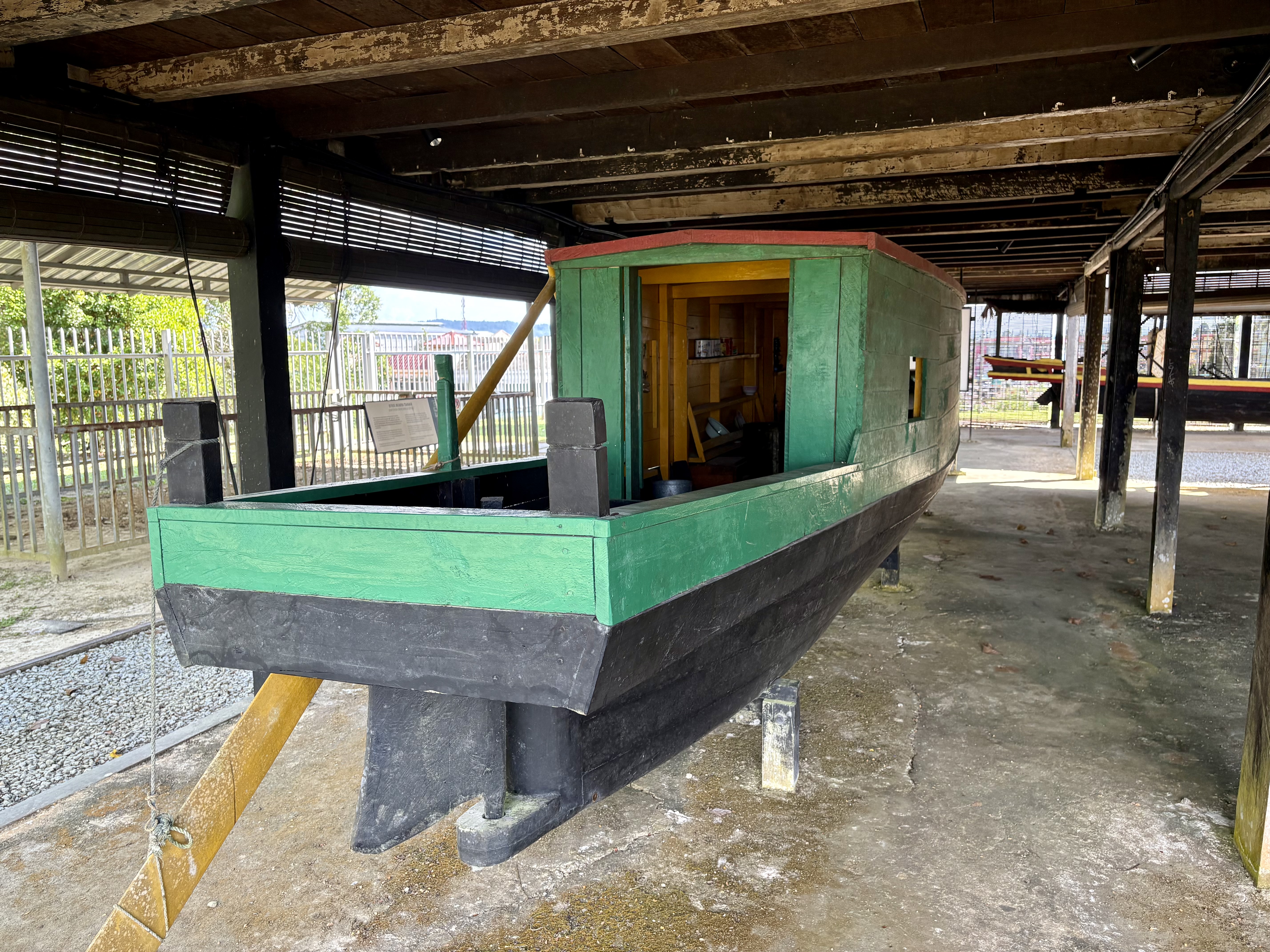
Fort Alice is named after Margaret Alice Lili de Windt, wife of Charles Brooke. It was built in 1864 by the second White Rajah of Sarawak, and is one of the oldest and most significant surviving forts from the Brooke dynasty era. The fort played a crucial role in defending the Brooke government’s interests and maintaining peace in the region, particularly against the Iban.
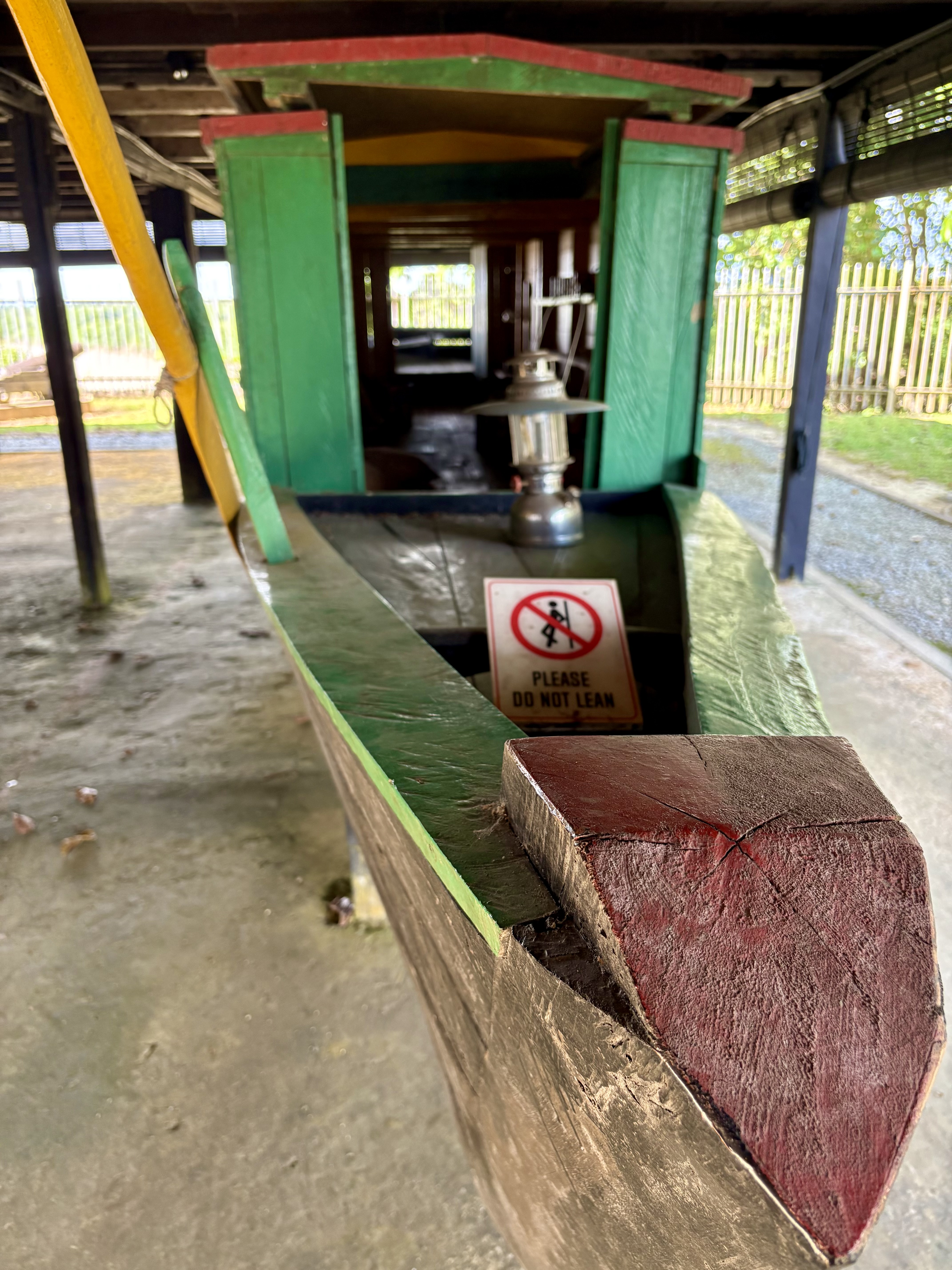
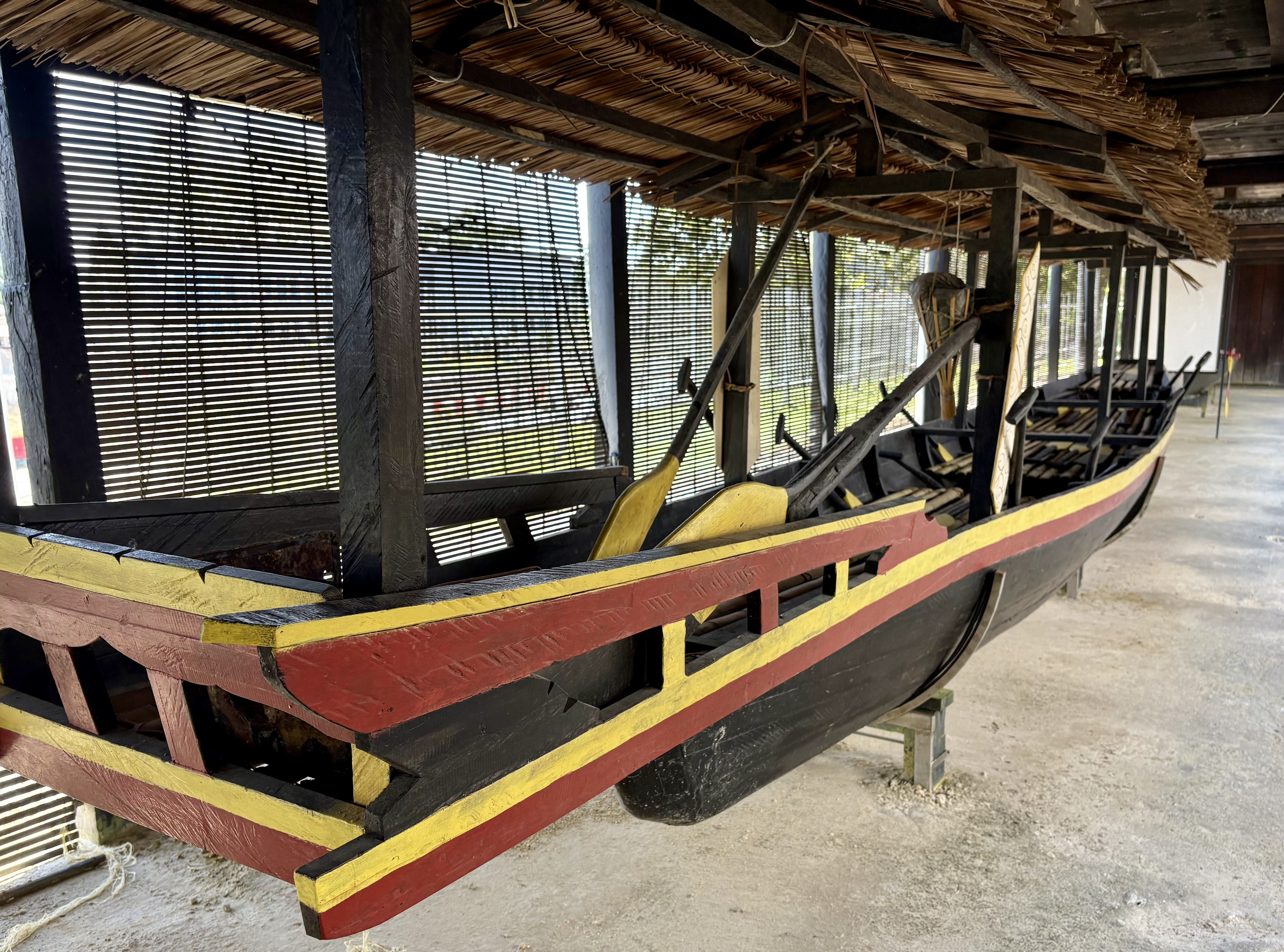
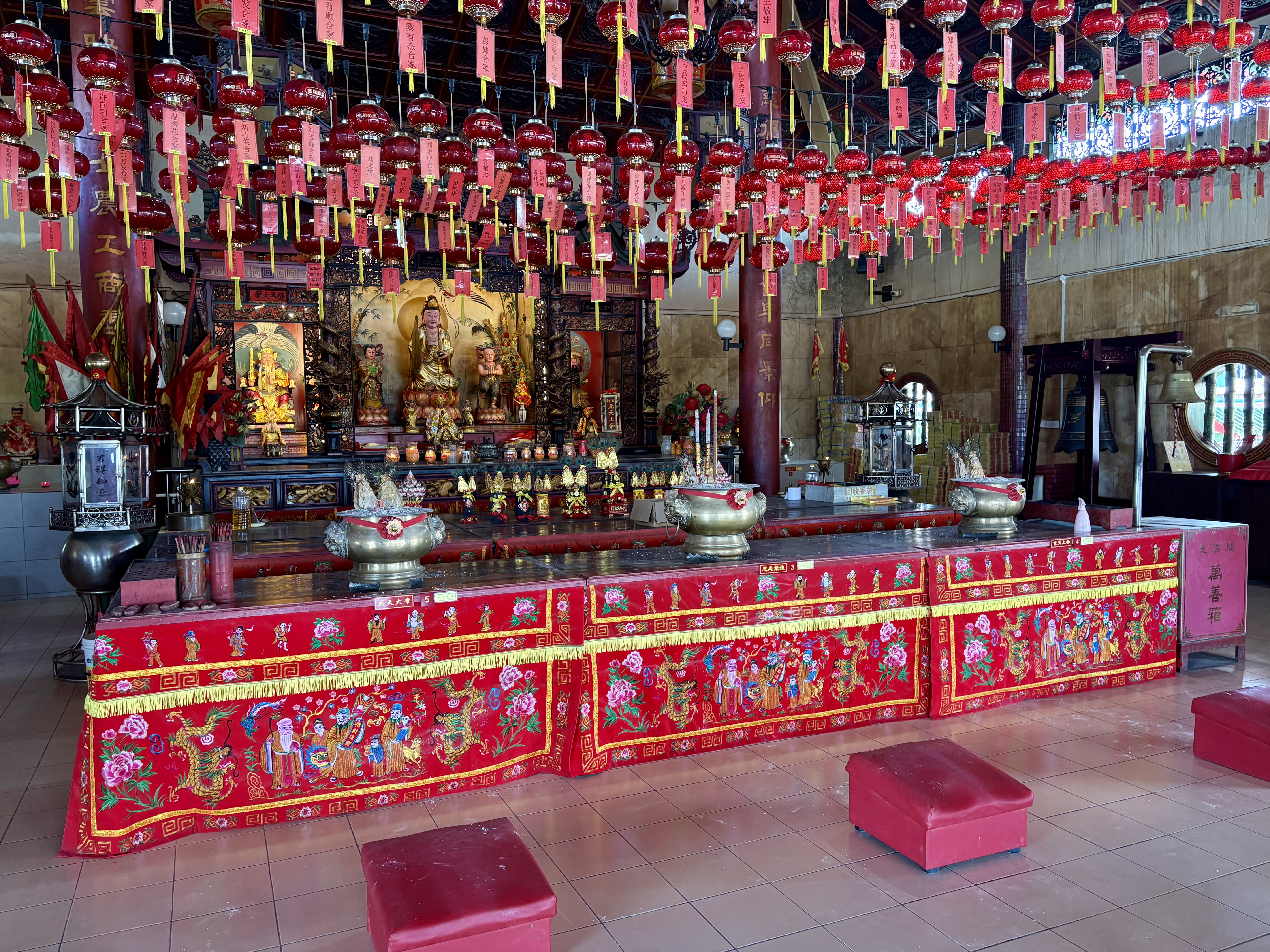
We walked along the Batang Lupar River to the Tze Yin Khor Chinese Temple, stopping briefly to watch a salt water crocodile in the water.
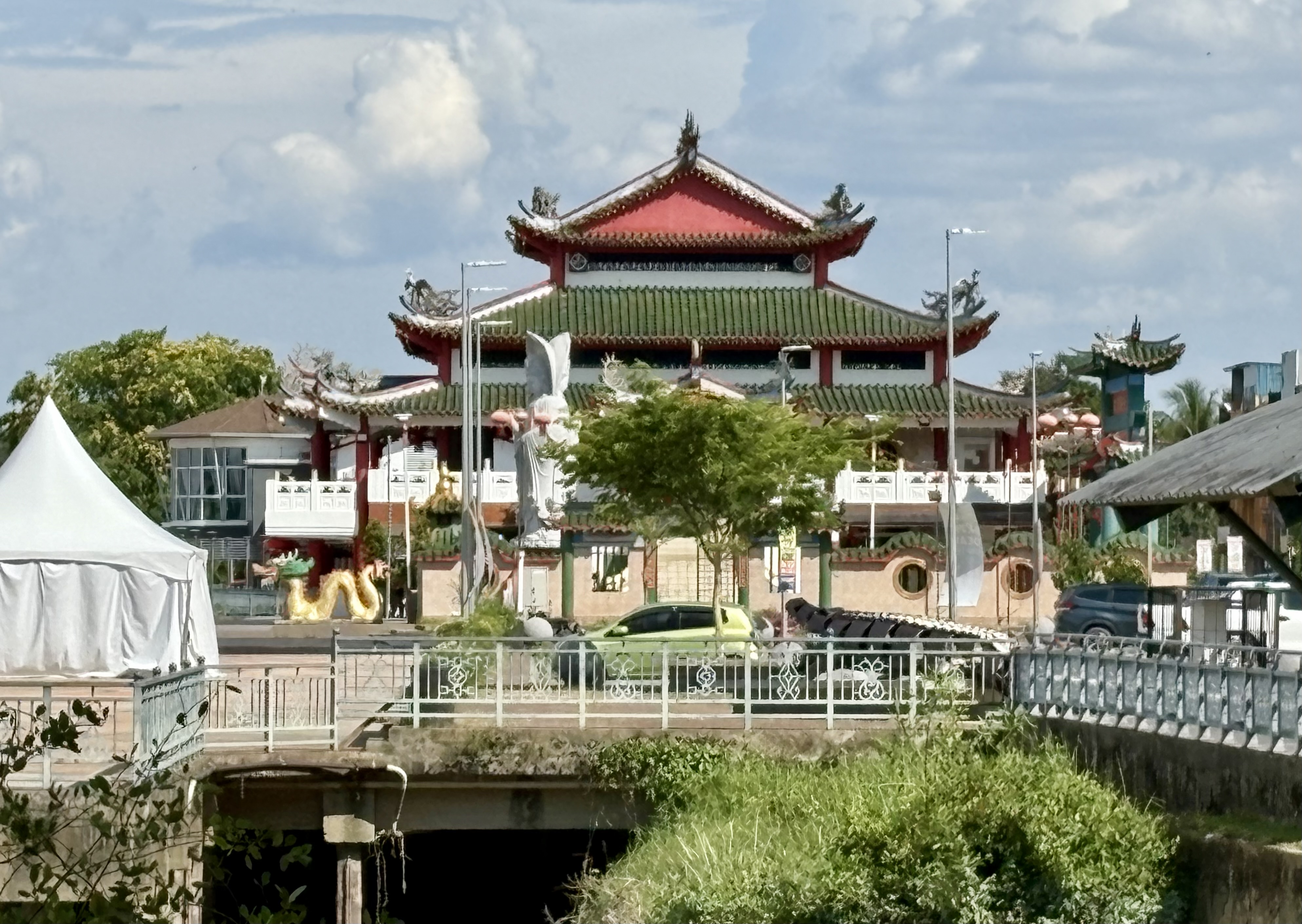
The Tze Yin Khor Chinese Temple in Sri Aman, Sarawak, is an historic riverfront temple situated along the Batang Lupar, serving the local Teochew community for over a century. Known for its impressive architecture, it was established by early pioneers and serves as a key cultural landmark, frequently visited alongside Fort Alice and for viewing the famous tidal bore.
We returned to the hotel for dinner.
Published 27 April 2026. Post views 44

