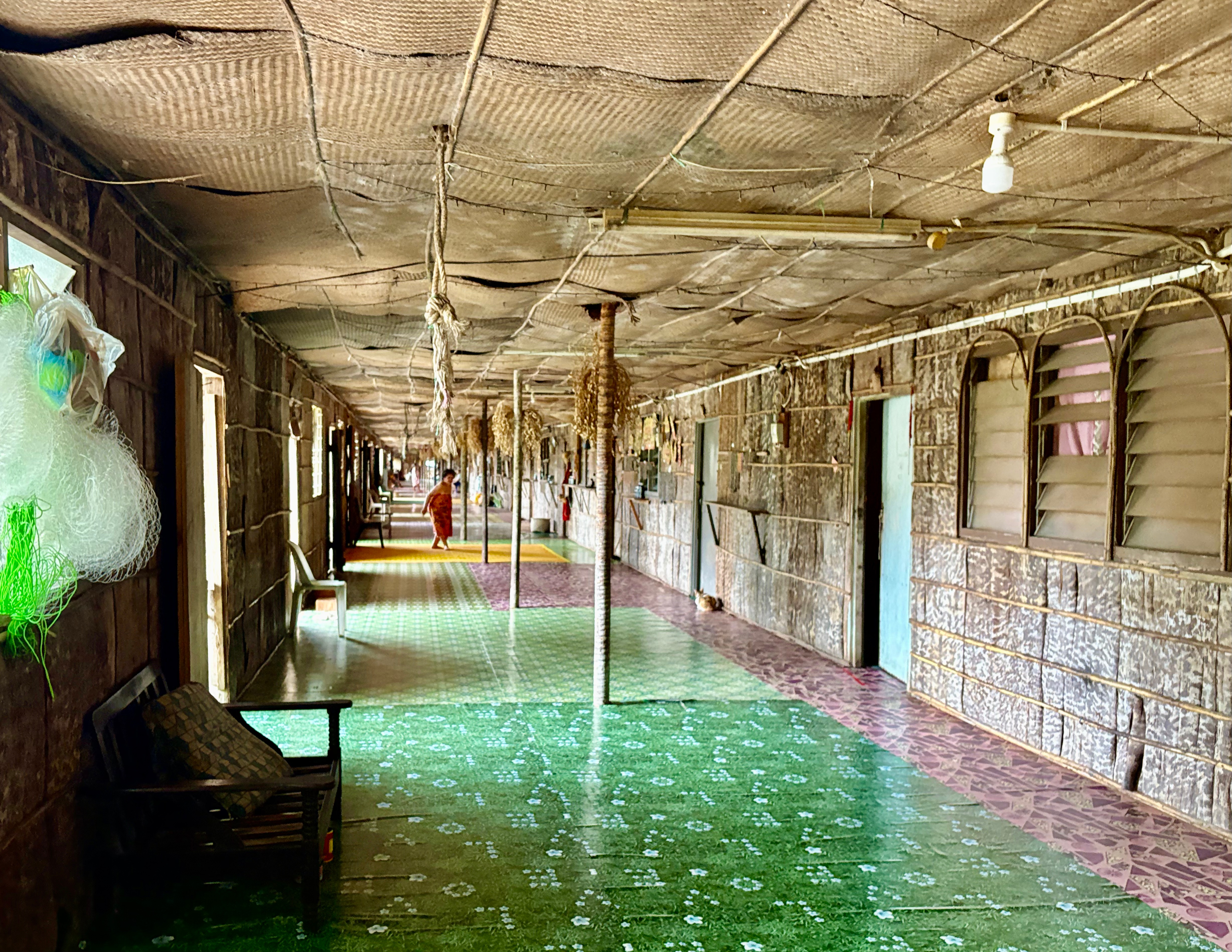
On Day 5 of the Wendy Wu Tours “Best Of Borneo” adventure, we visited an Iban Longhouse on the Lemanak River in Sarawak.
The Iban are an idigenou Dayak group in Borneo, primarily residing in Sarawak and known historically as “Sea Dayaks” or former headhunters. Dayak are the indigenous, non-Muslim peoples of Borneo. They comprise over 50 distinct ethnic groups, such as the Iban, Bidayuh, and Ngaju. They live in communal longhouses, practicing cultural traditions including weaving and tattooing, and having a history of fierce warrior culture. Today, they are focusing on rice cultivation, fishing, and hunting and are a welcoming community that blends traditional animist beliefs with Christianity.
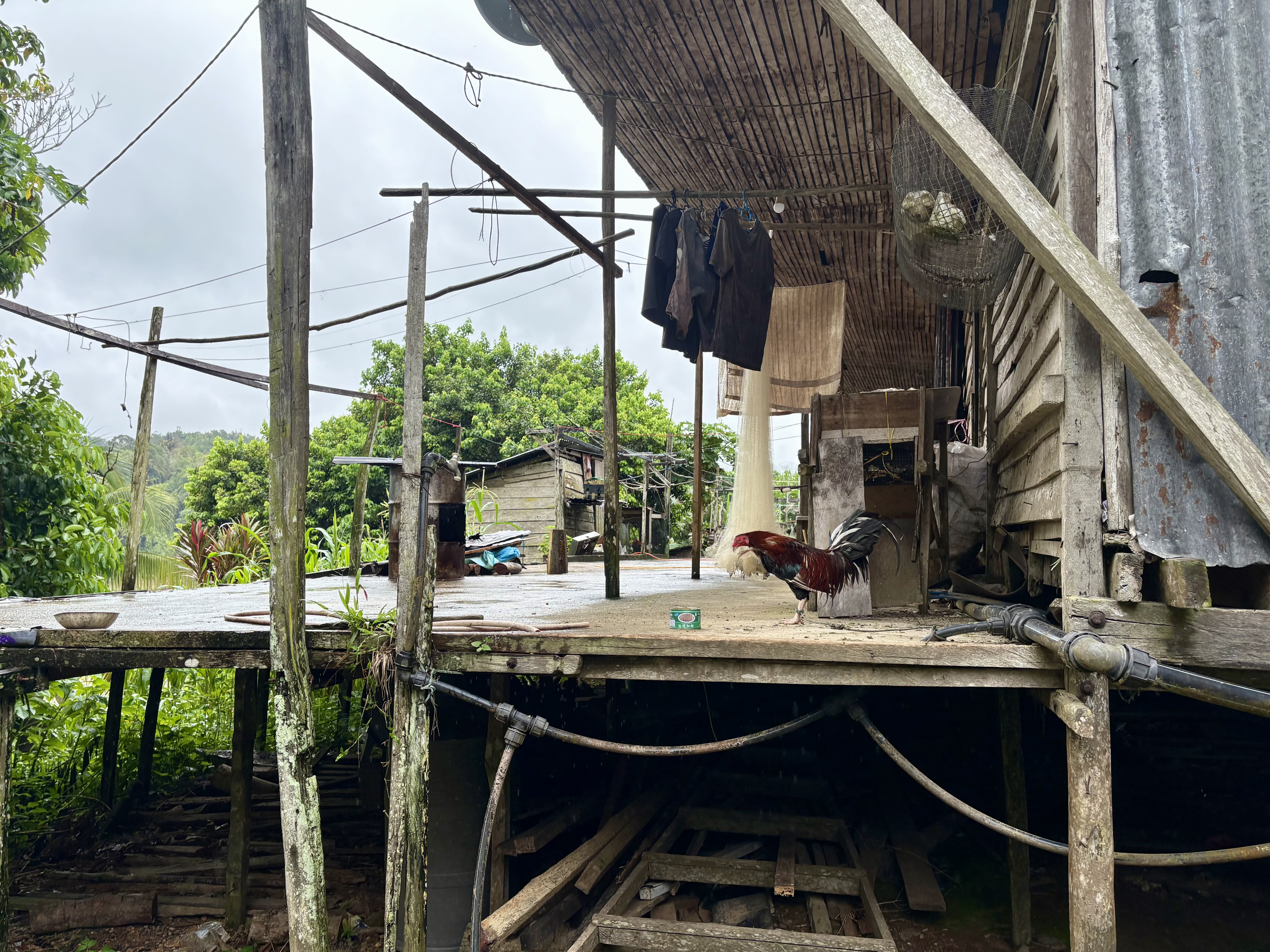
An Iban Longhouse is a traditional, elevated wooden structure that serves as an entire community village under one roof, with 10–30+ families living together. They contain private family rooms (bilik) and a long, communal corridor (ruai) for socializing and are located along rivers. Visits to a longhouse often involve traditional welcomes, tuak (rice wine) tasting, cultural performances, and exploring the surrounding rainforest.
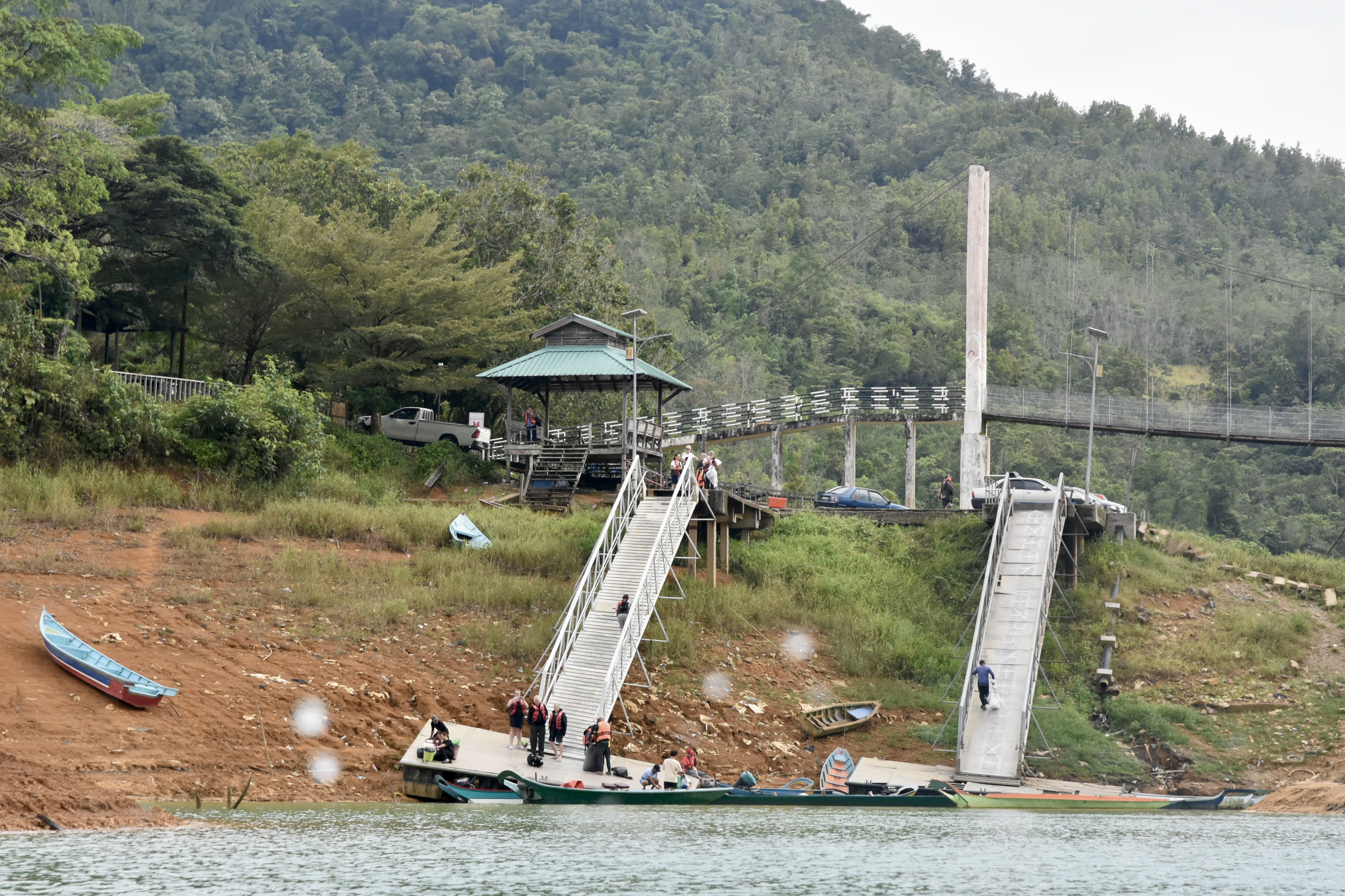
After breakfast at the Seri Simanggang Hotel in Sri Aman, we drove for about one hour to the Lemanak River Jetty which serves as the primary embarkation point for motorized longboat trips to Iban longhouses along the river.
It started to rain.
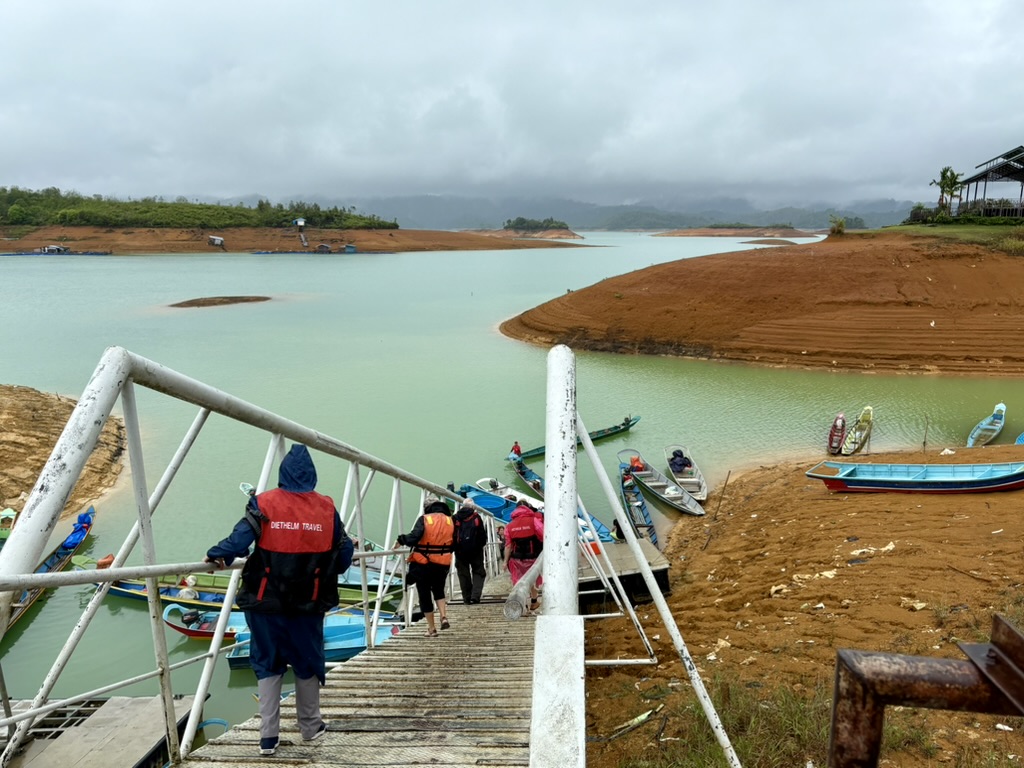
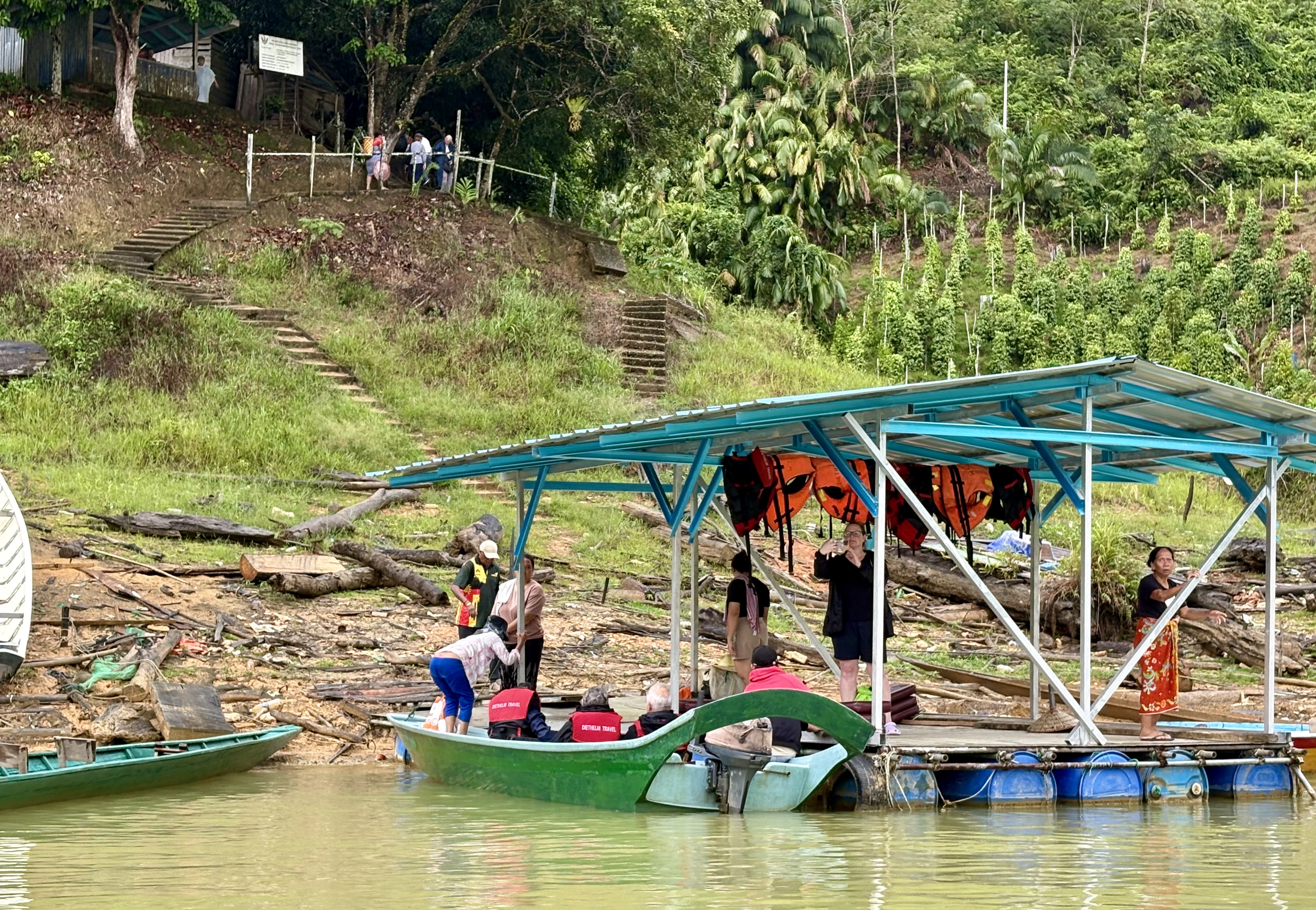
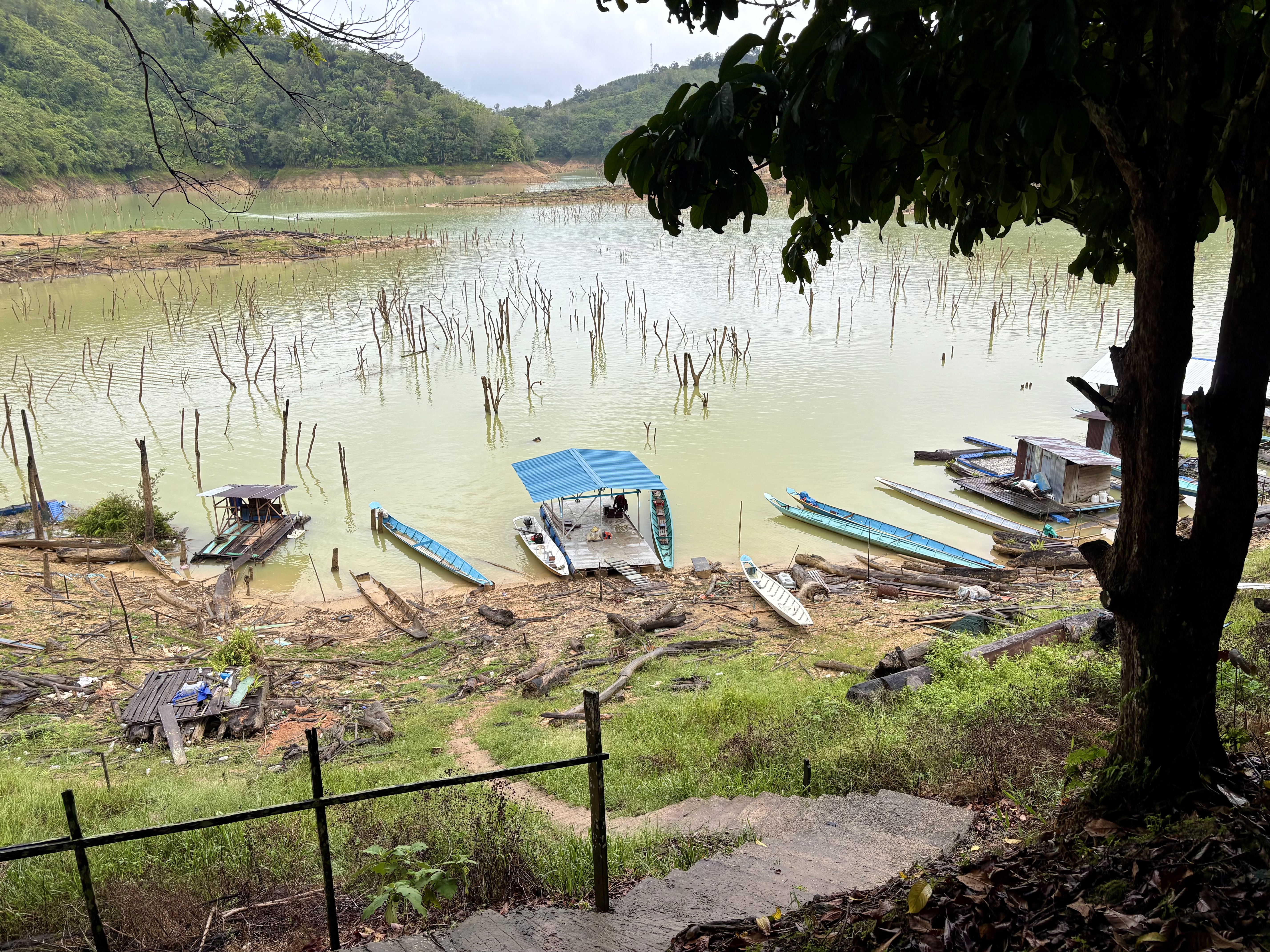
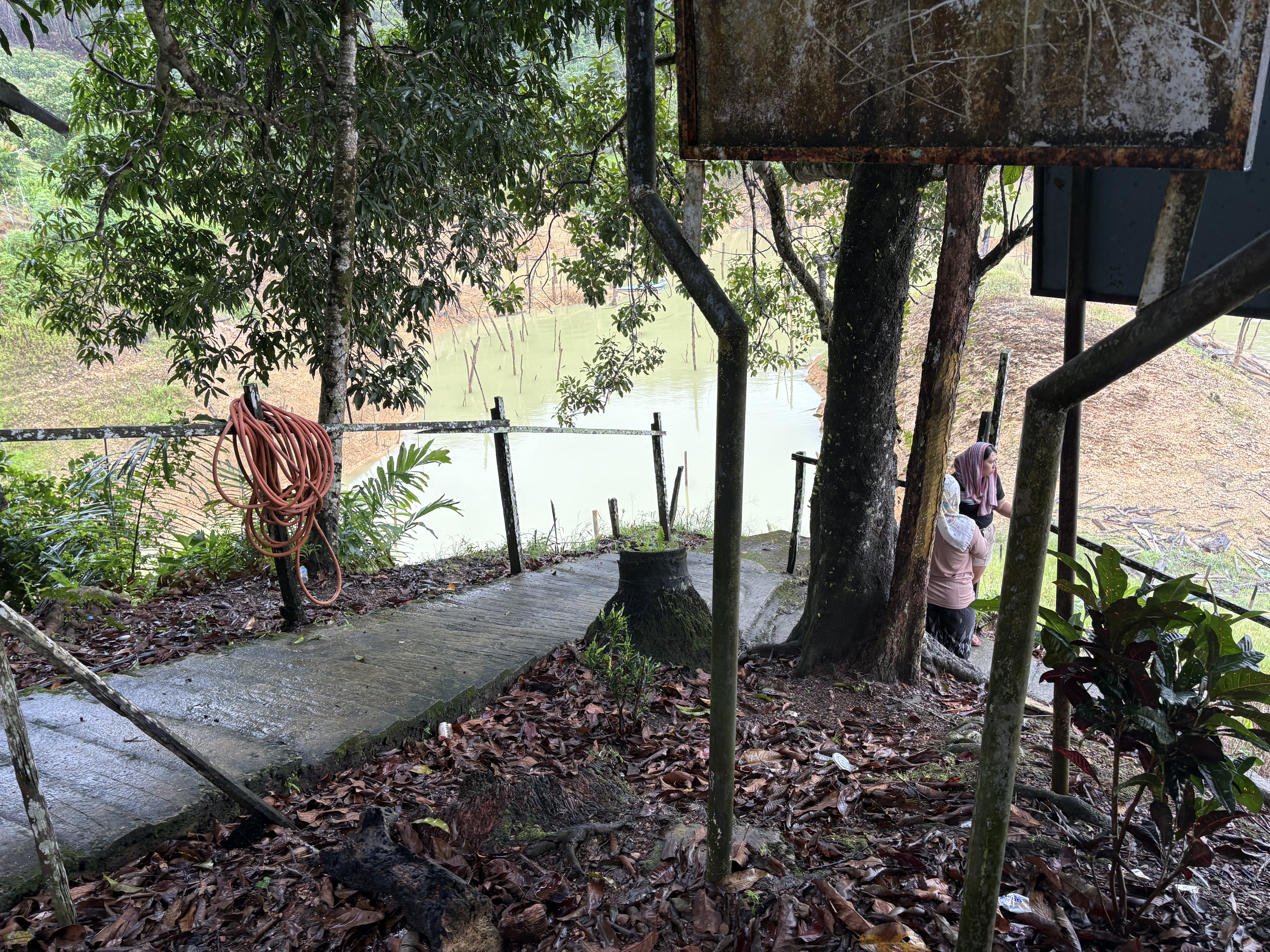
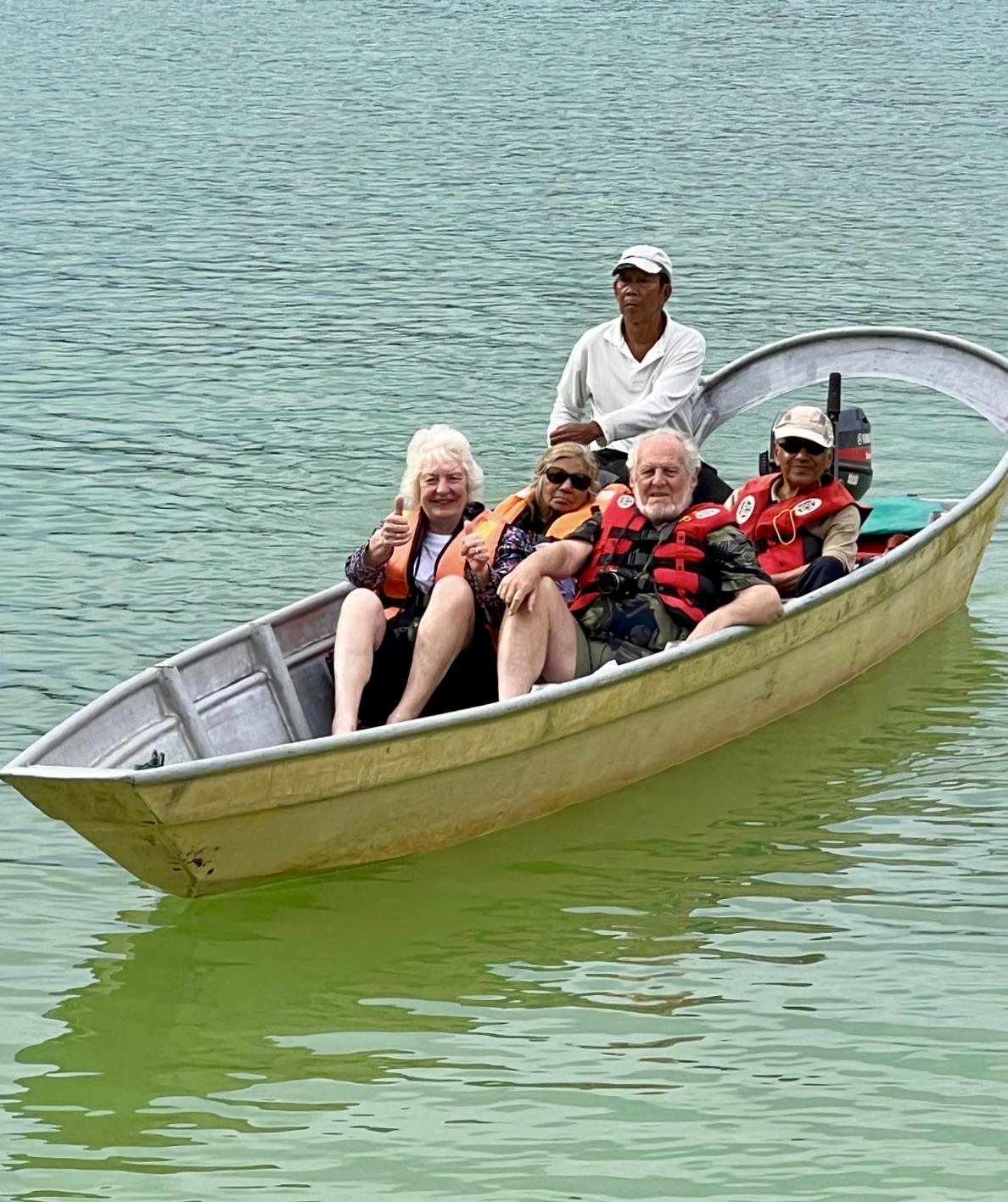
We walked down a steep and slippery path and a walkway from the coach park, in our rain gear and lifejackets, to the little landing at the water’s edge, and boarded a traditional narrow, wooden, Iban longboat.
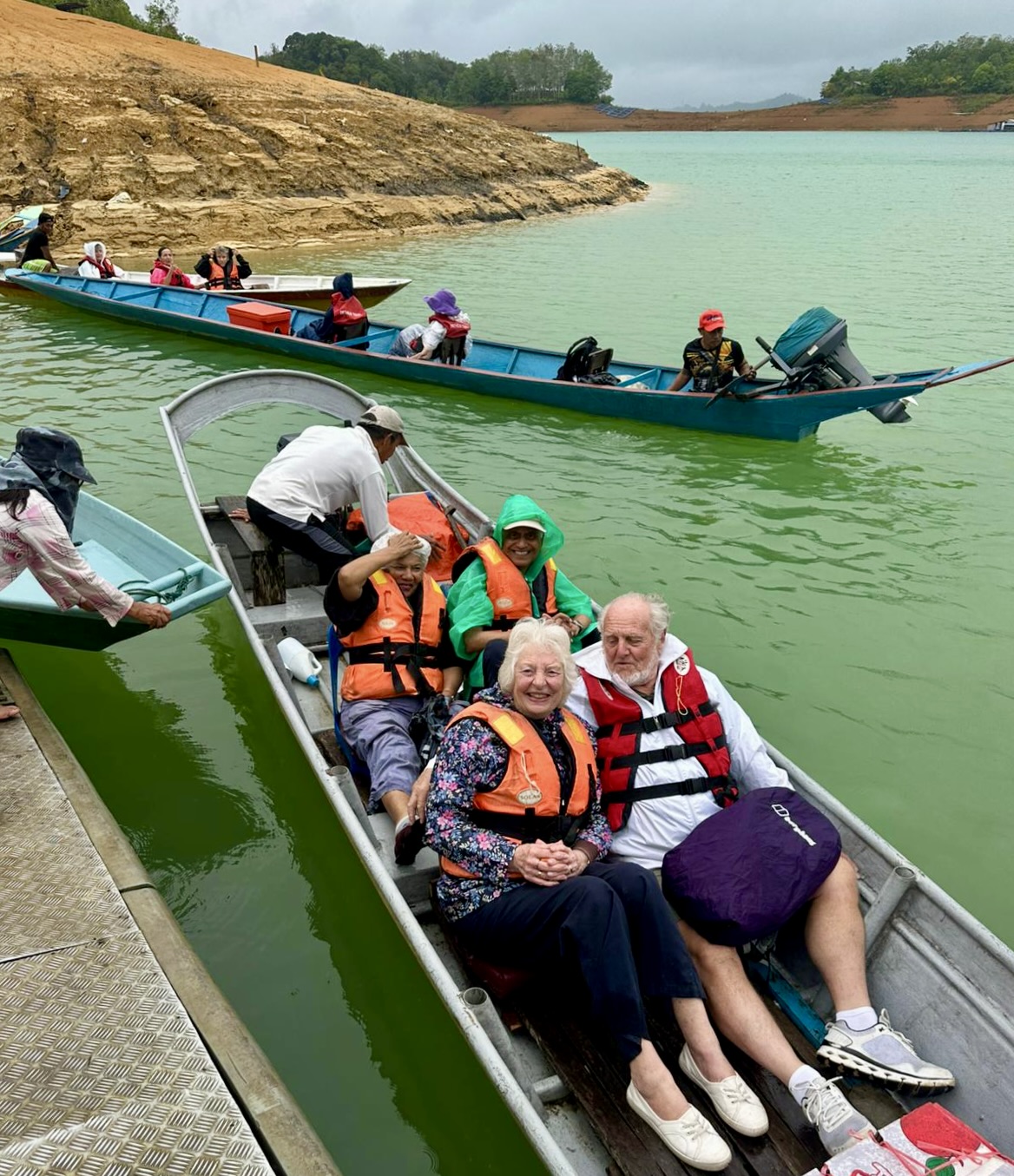
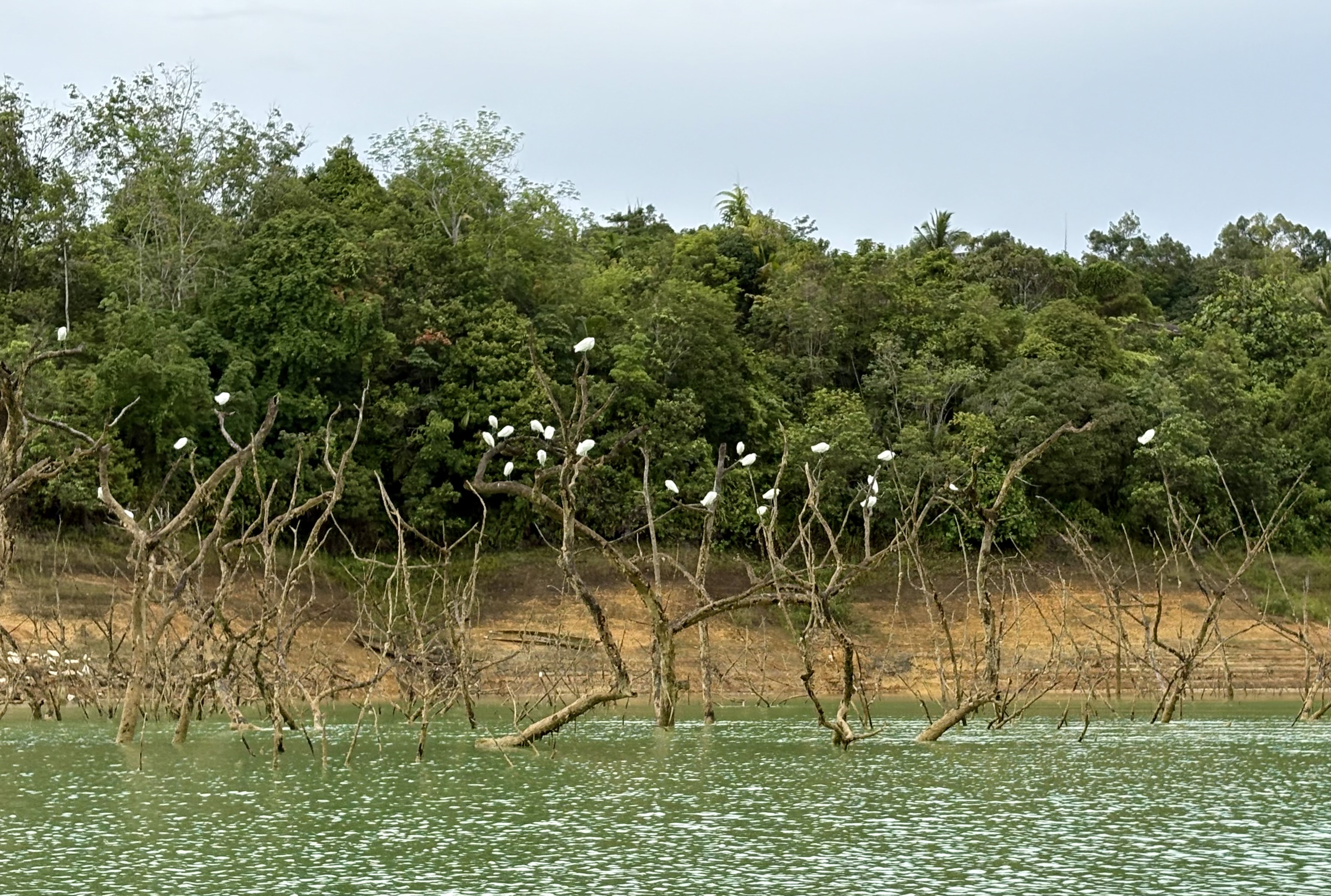
We sped along the river for about 45 minutes, past dead trees in the water with roosting Great Egrets, towards the Iban Longhouse.
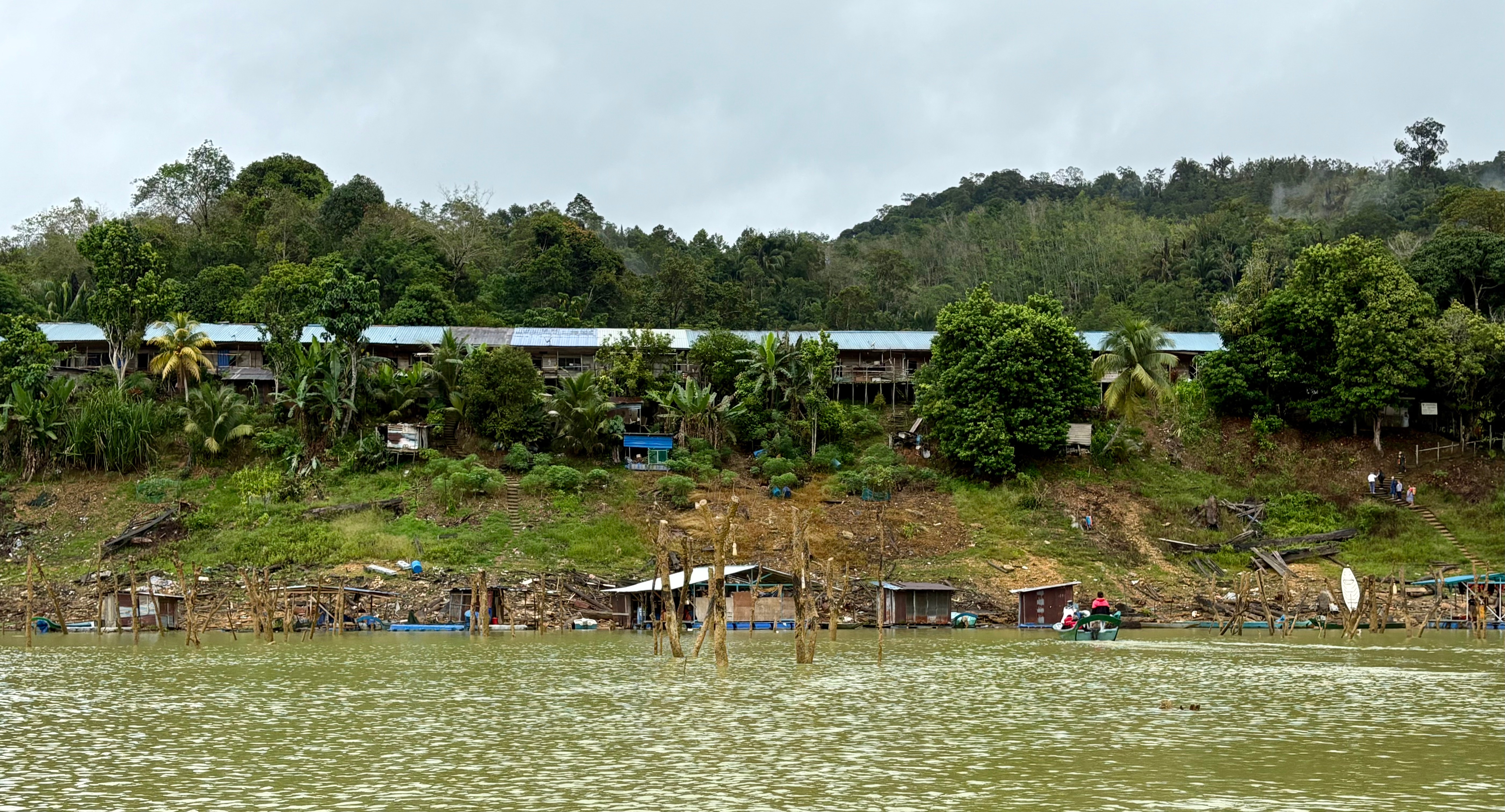
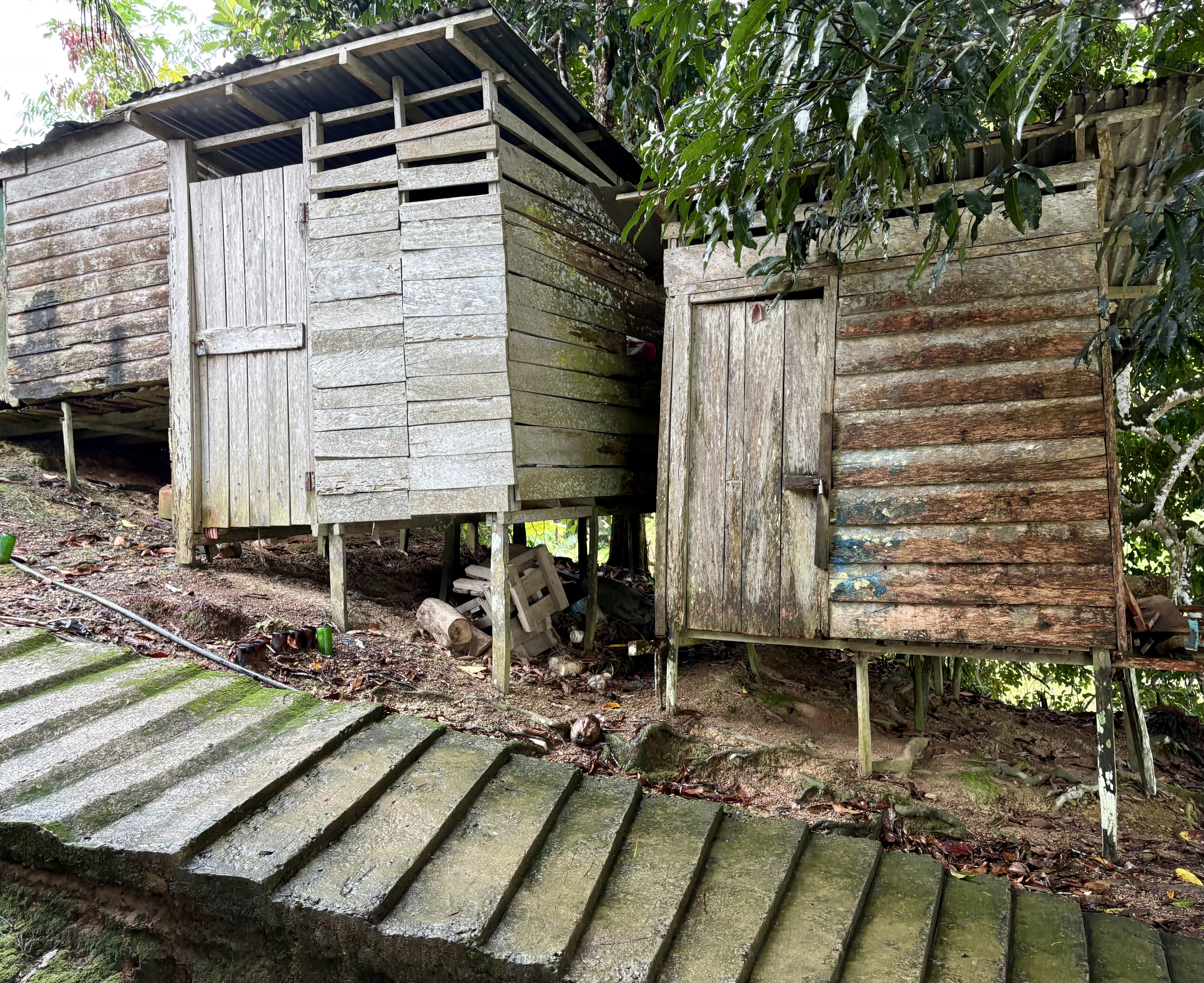
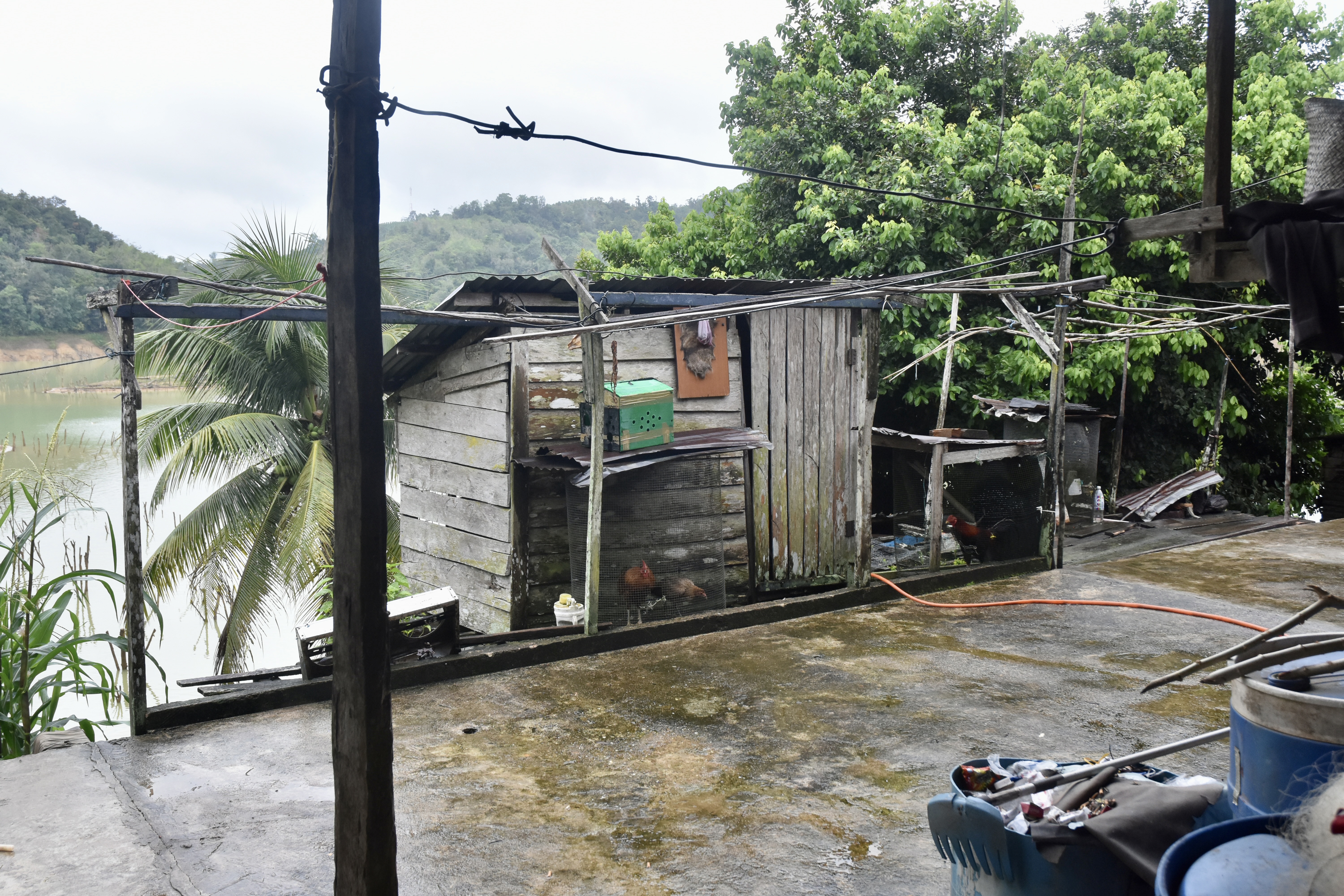
The Iban Longhouse with a metal roof was on a high bank. Slippery stone steps led up the steep slope from a small covered jetty past store cabins to the entrance of the longhouse.
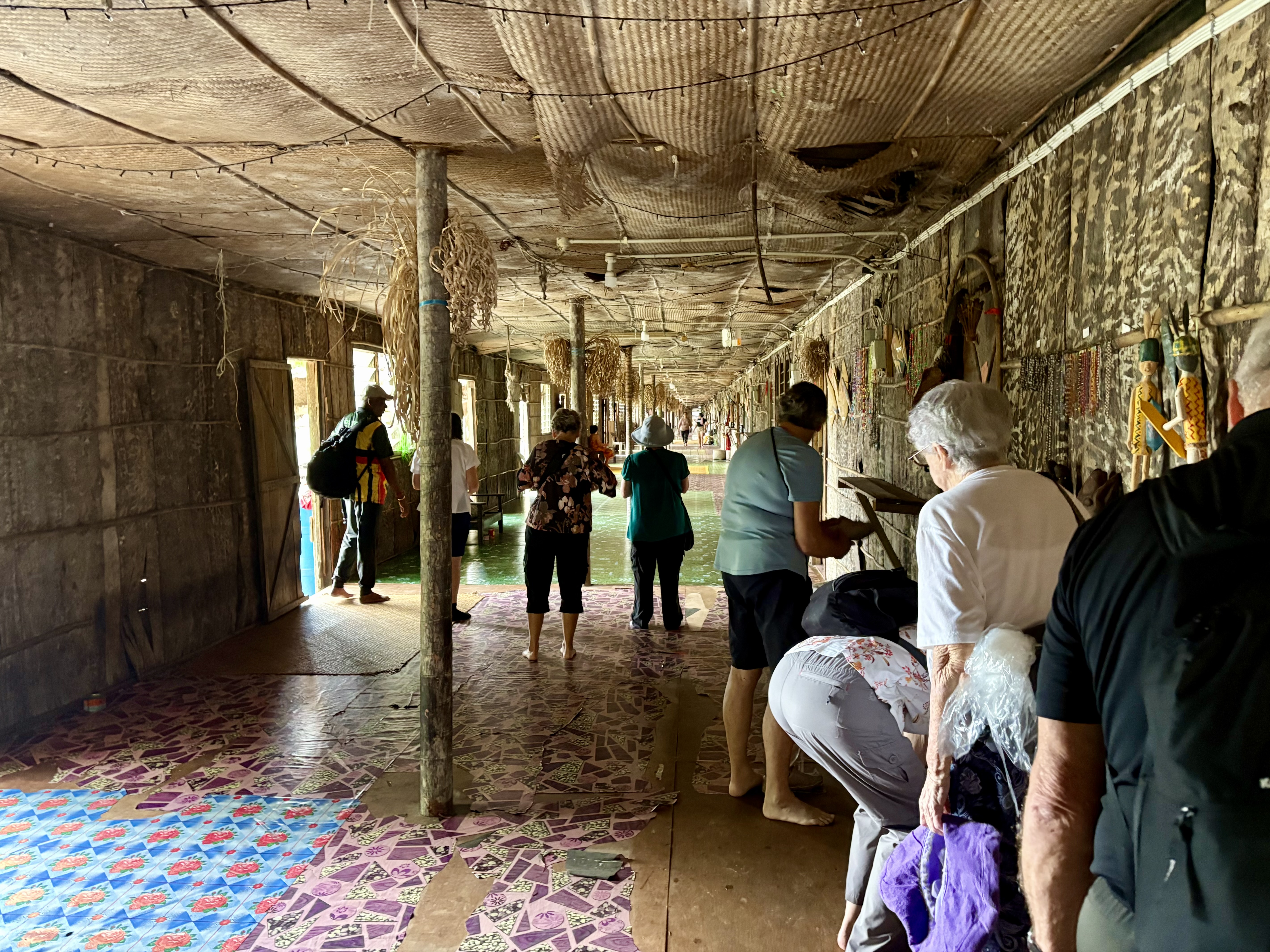
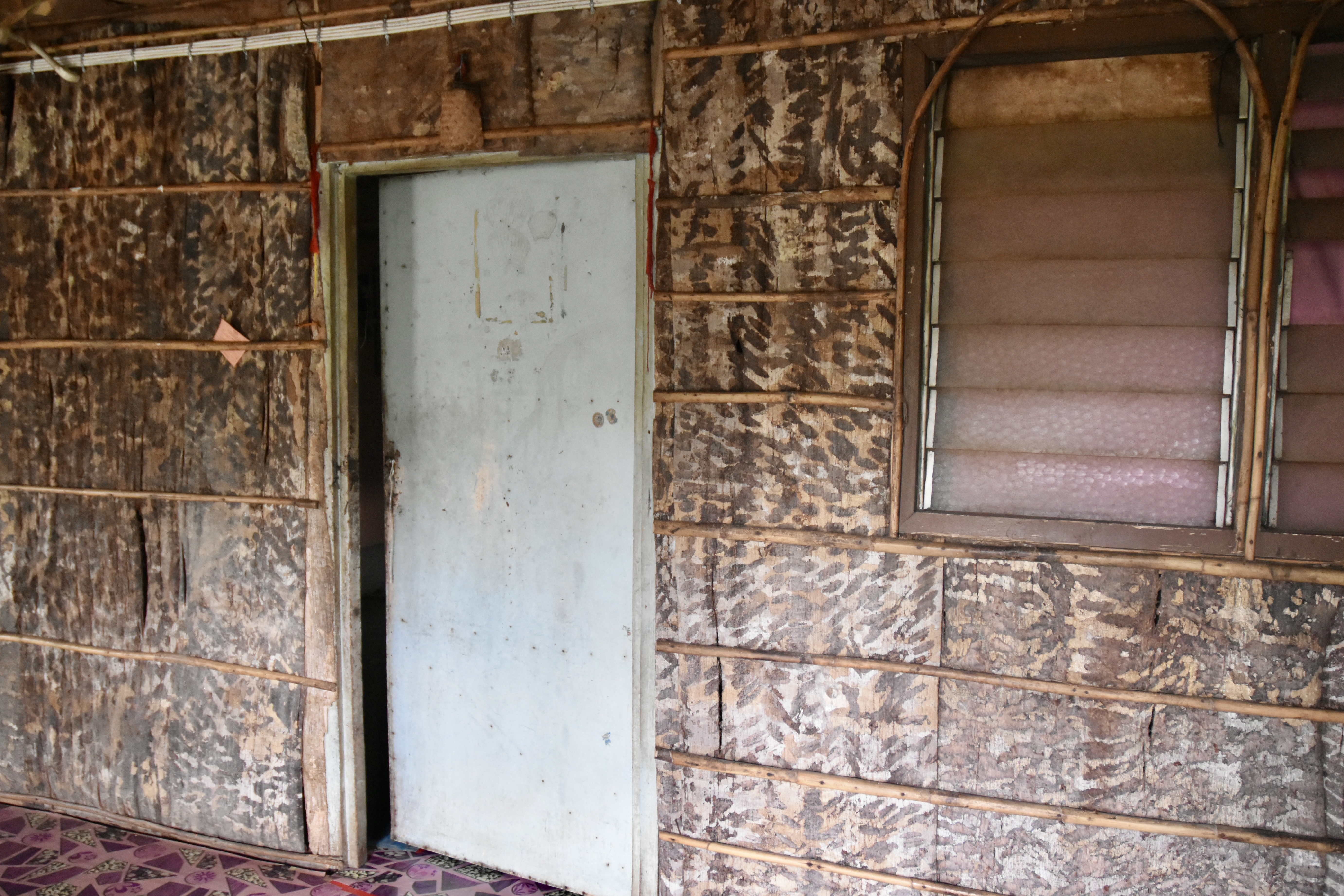
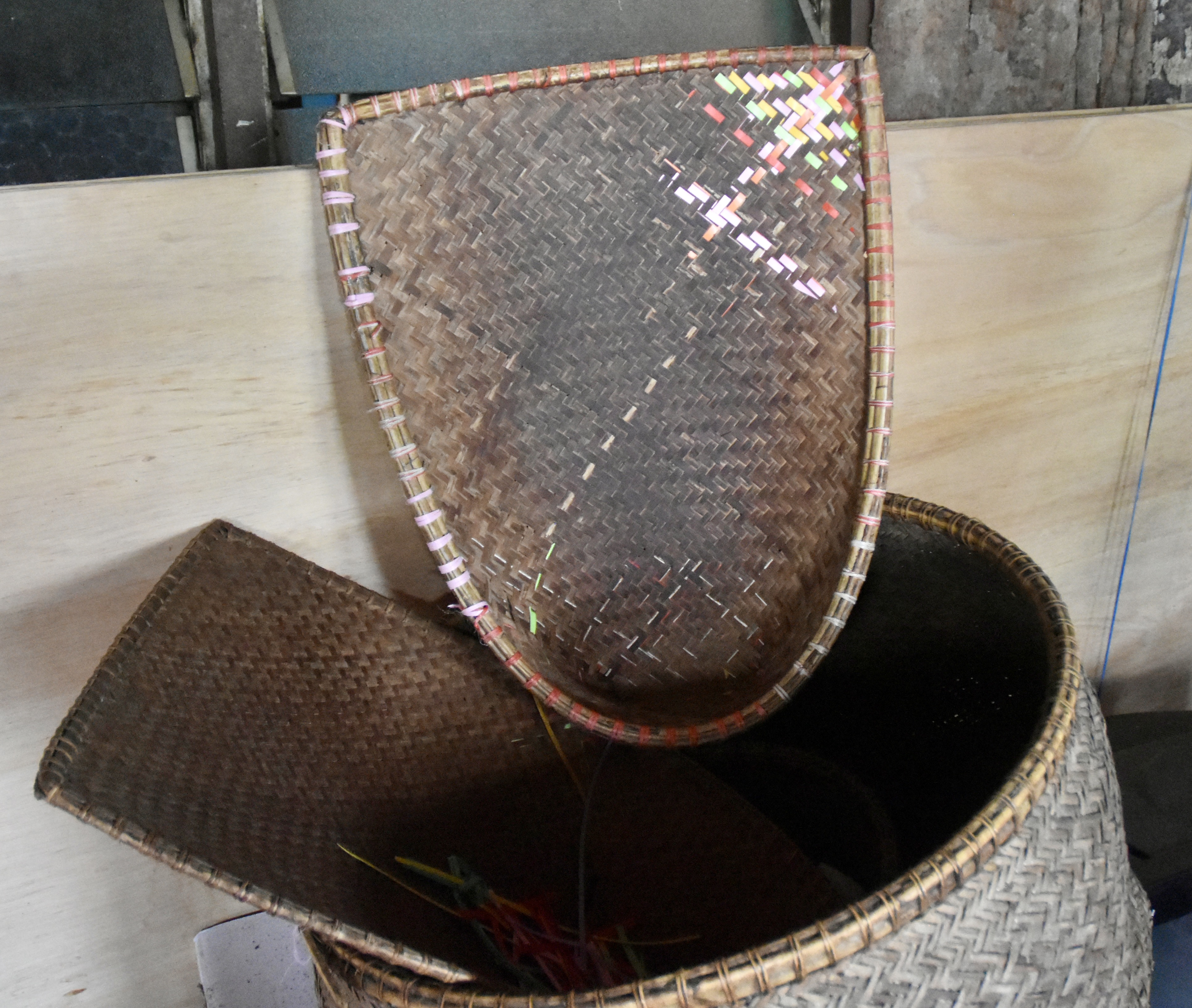
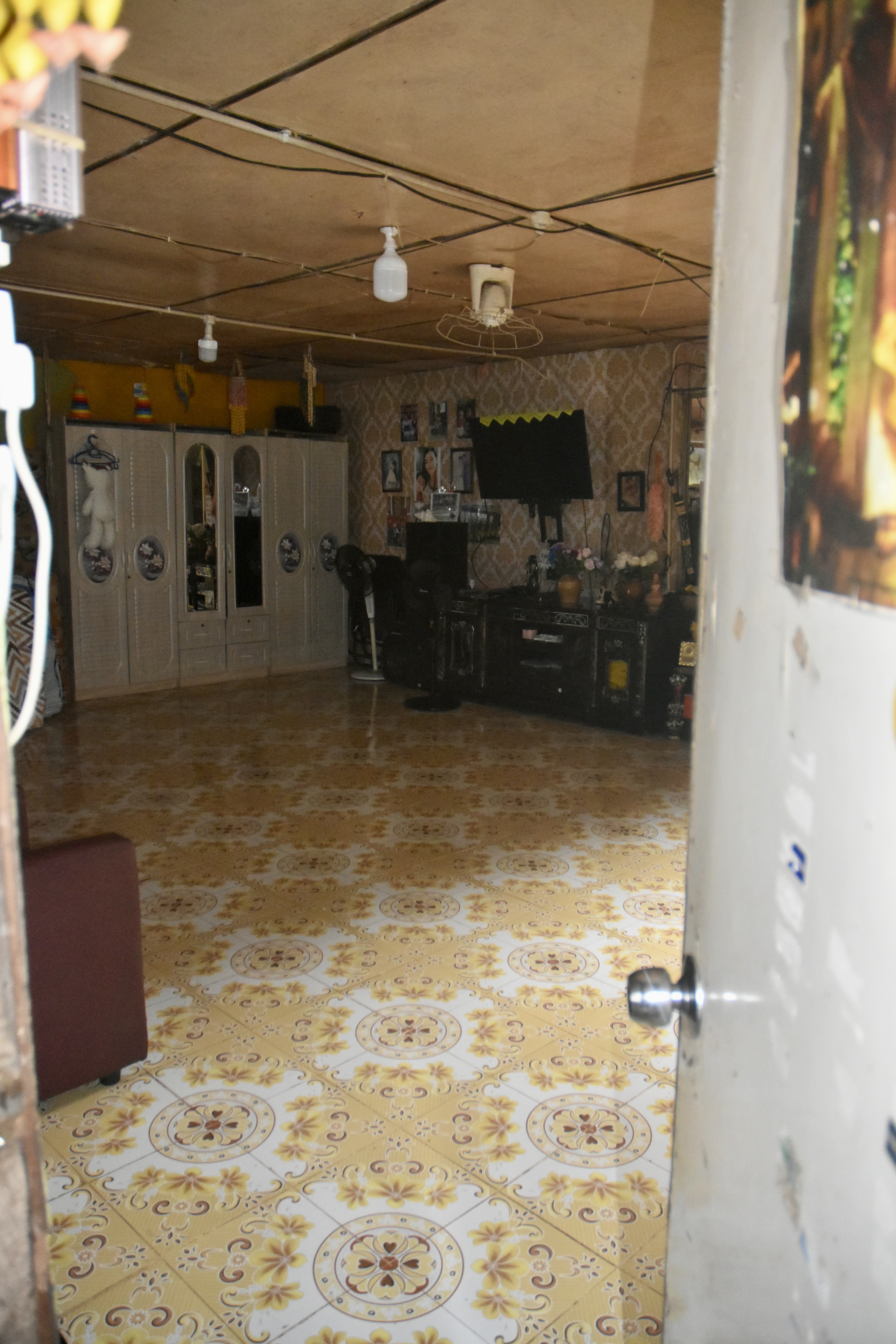
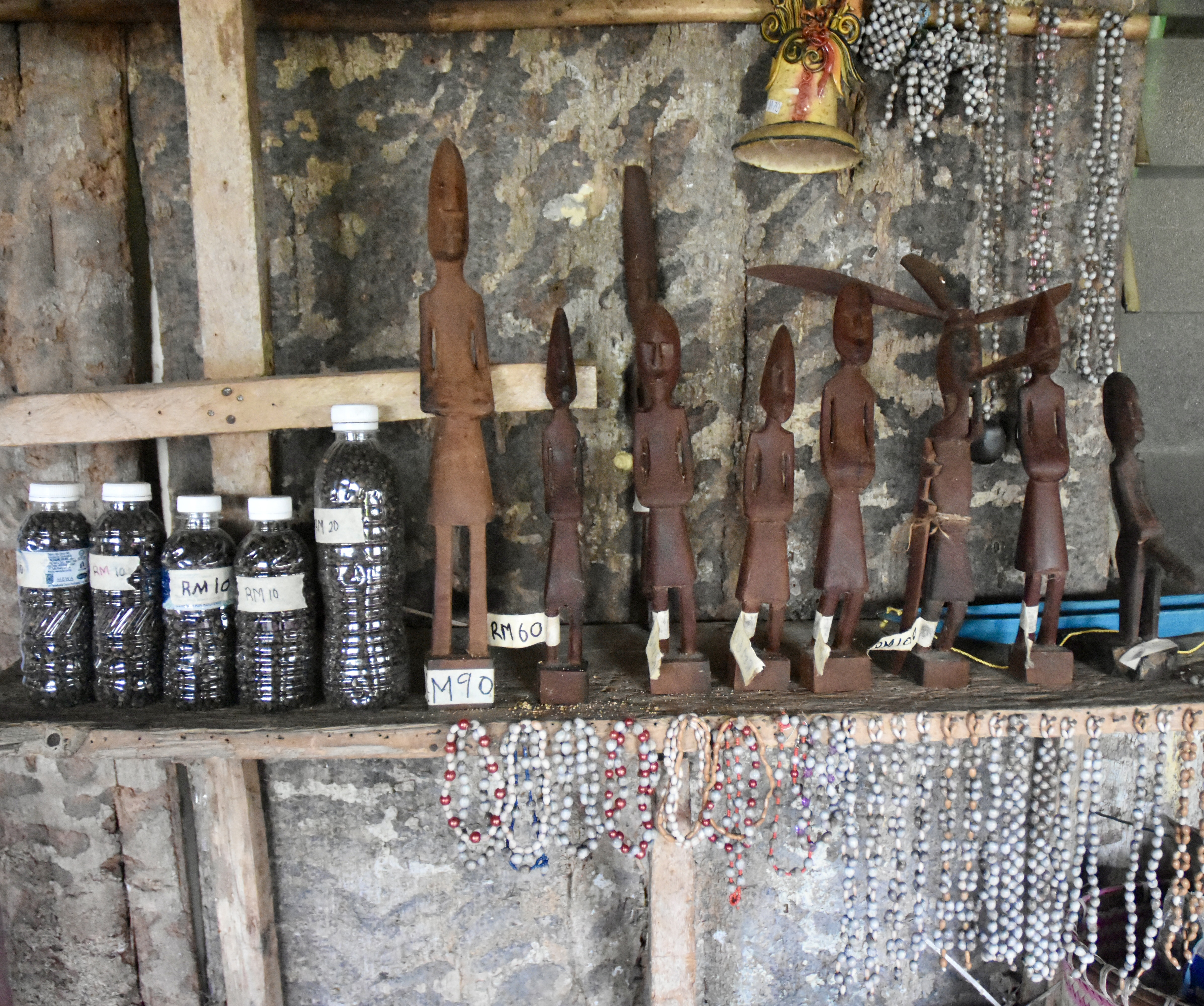
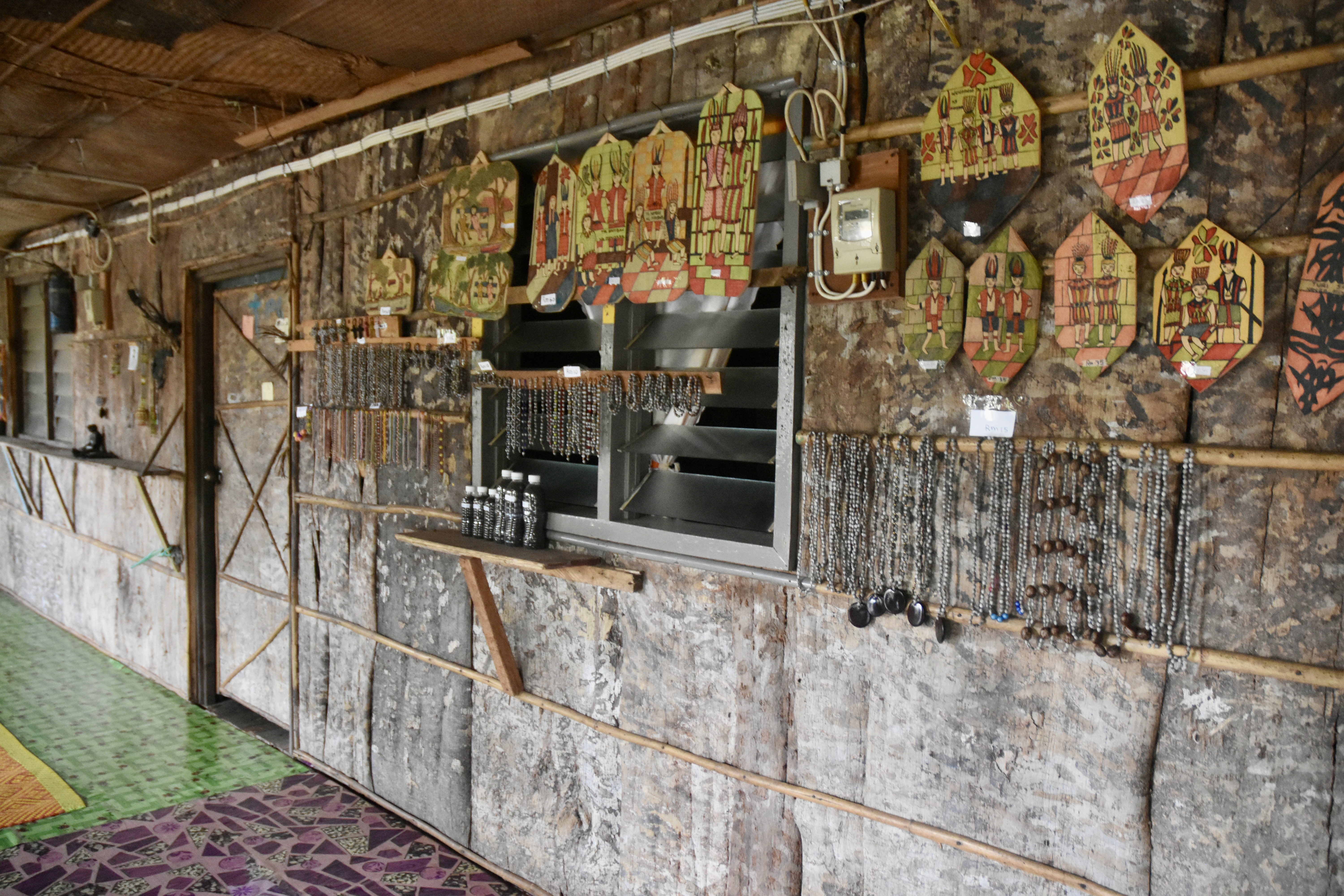
We removed our shoe at the entrance to the longhouse, went inside and sat on the carpeted floor.
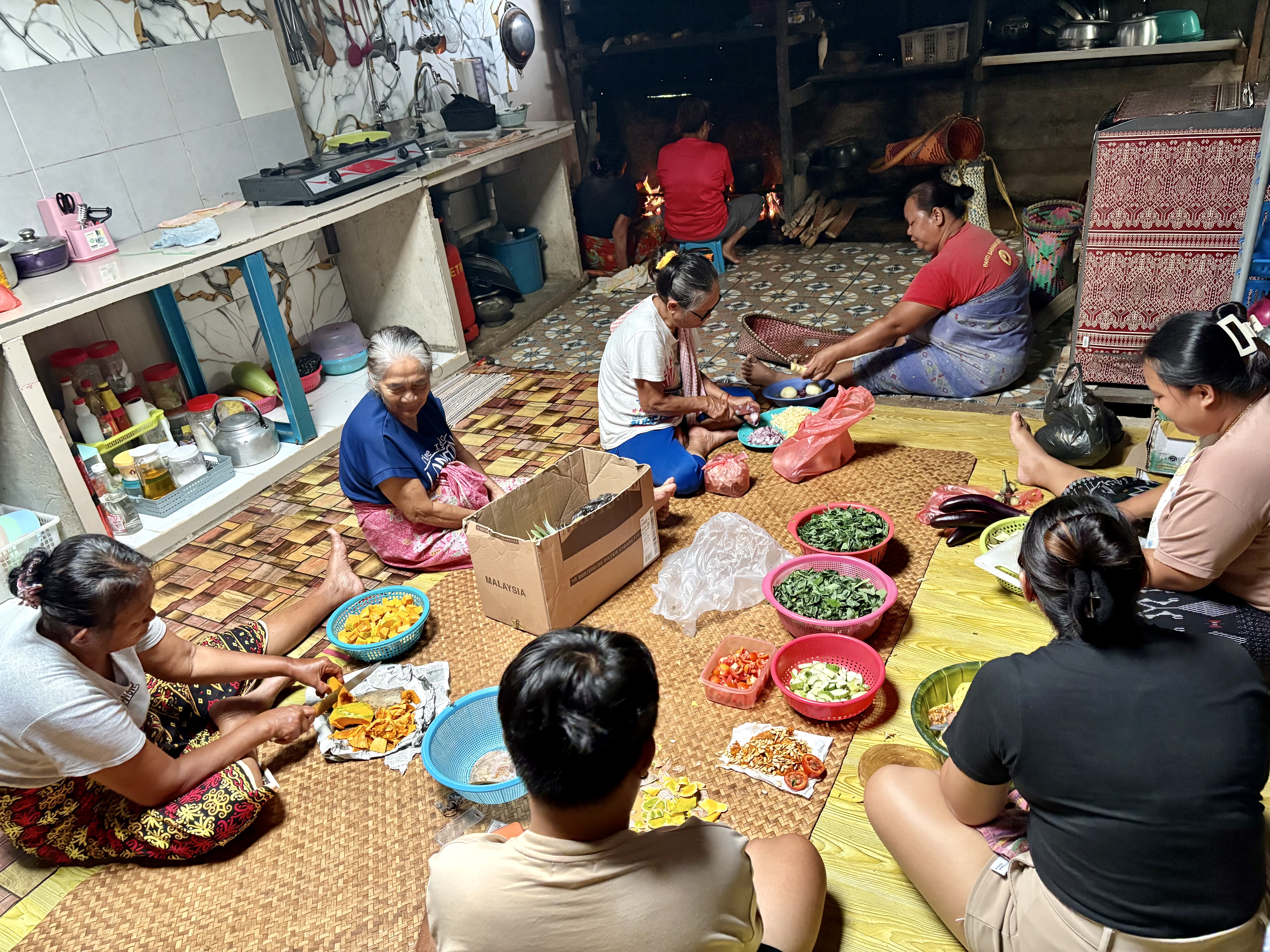
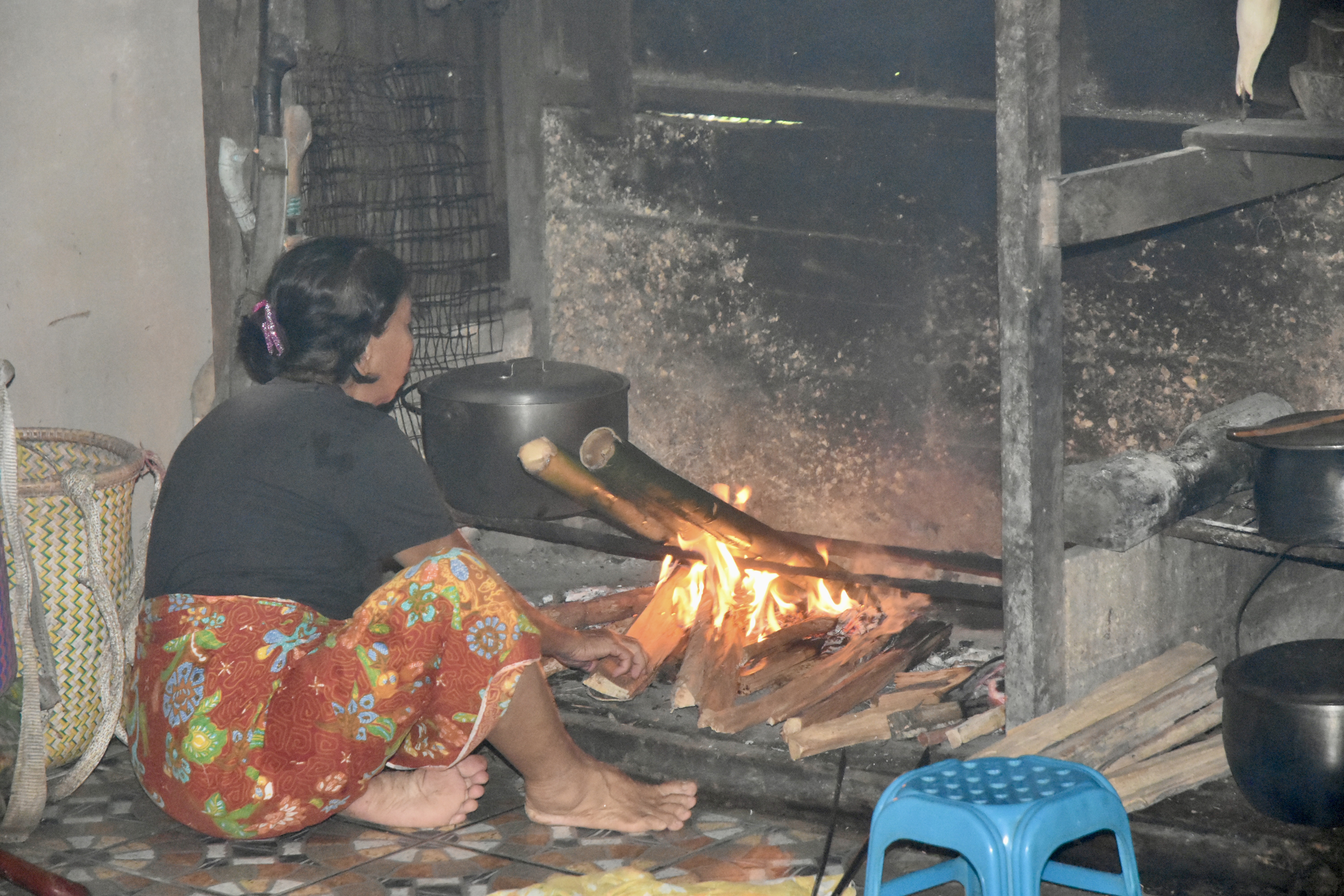
Iban women were preparing lunch in one of the rooms. Some dishes were being cooked in bamboo. Iban cooking in bamboo, or pansuh is a traditional Sarawakian method involving stuffing meat, aromatics, and seasoning into green bamboo stalks to cook over an open fire. This technique uses young bamboo as a vessel, which seals in moisture and adds a fragrant, earthy flavor to the food. It acts like a pressure cooker and steamer, producing a delicate, tender texture. Common ingredients include chicken, lemongrass, ginger, shallots, garlic, and sometimes tapioca leaves or torch ginger flower.
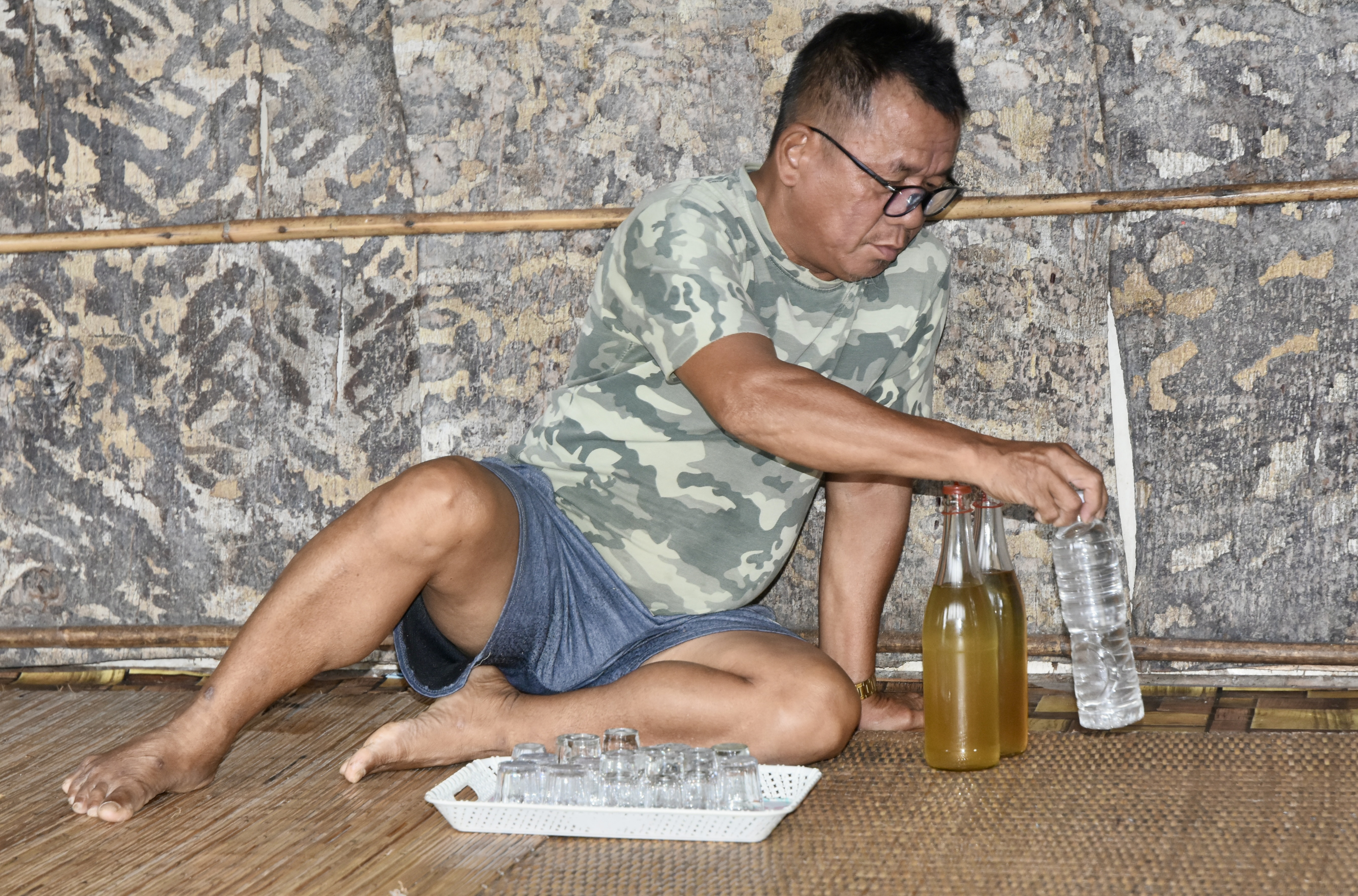
Rice wine (Tuak) was served by the Iban chief. Tuak is the traditional drink of the Iban tribe and other indigenous Dayak communities in Sarawak. It is a fermented beverage that serves as a cornerstone of Iban culture, representing hospitality, friendship, and celebration. Tuak is made by fermenting glutinous rice with water and a starter culture known as ragi. It is a traditional art often perfected by Sarawakian women over many years. The wine is sweet, slightly tangy and varies in alcohol content depending on the fermentation period. Fresh tuak is usually mild, around 3-8% ABV, but when aged or further processed, it can become stronger.
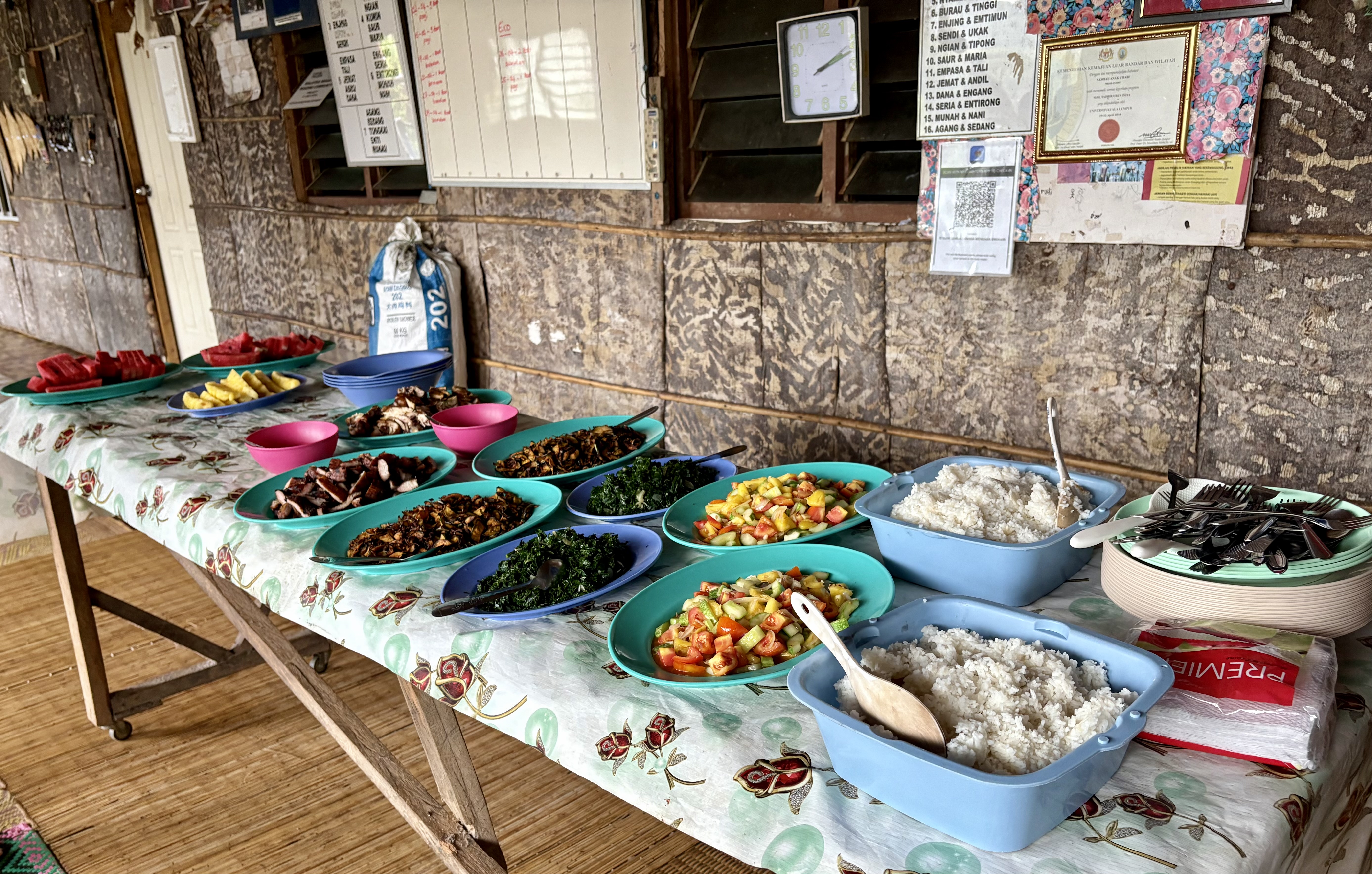
A traditional music and dance performance followed lunch.
Iban music and dancing are central to Sarawak’s cultural identity, featuring gong-based ensembles and the sape (a stringed instrument) to accompany traditional storytelling dances. Performances, like the warrior dance (ngajat), occur during harvest festivals and weddings to celebrate, entertain, and maintain traditions.
Iban music is driven by percussion, often using hanging gongs and the musical bow. The sape is a prominent melodic instrument used for both traditional and modern performances.
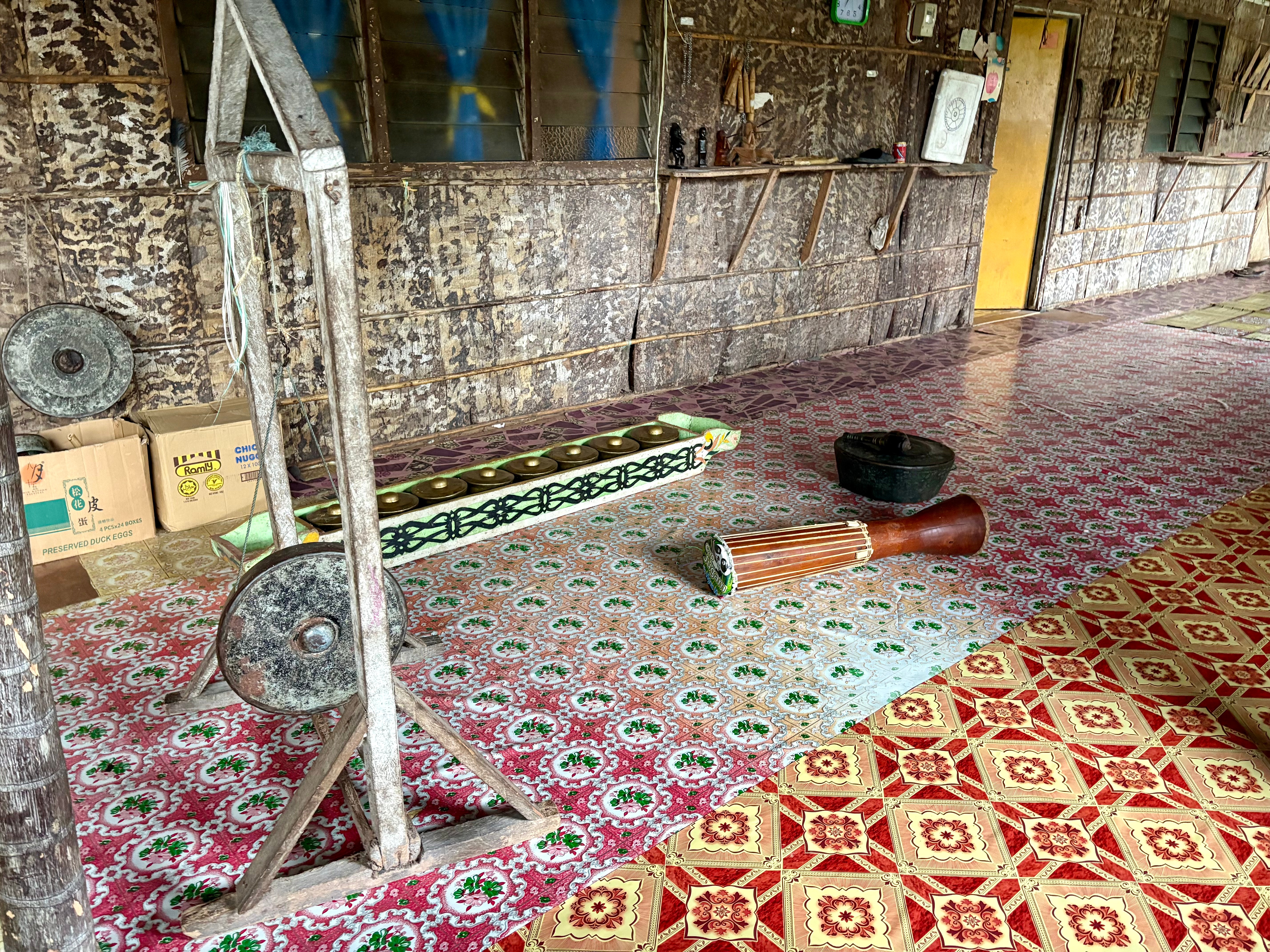
Dances involve precise, slow, and graceful movements of the body, hands, and feet, accompanied by the sounds of gongs and the sape.
Dance and music are essential for storytelling, passing down history, and strengthening social bonds during significant events like the Gawai Dayak (harvest festival).
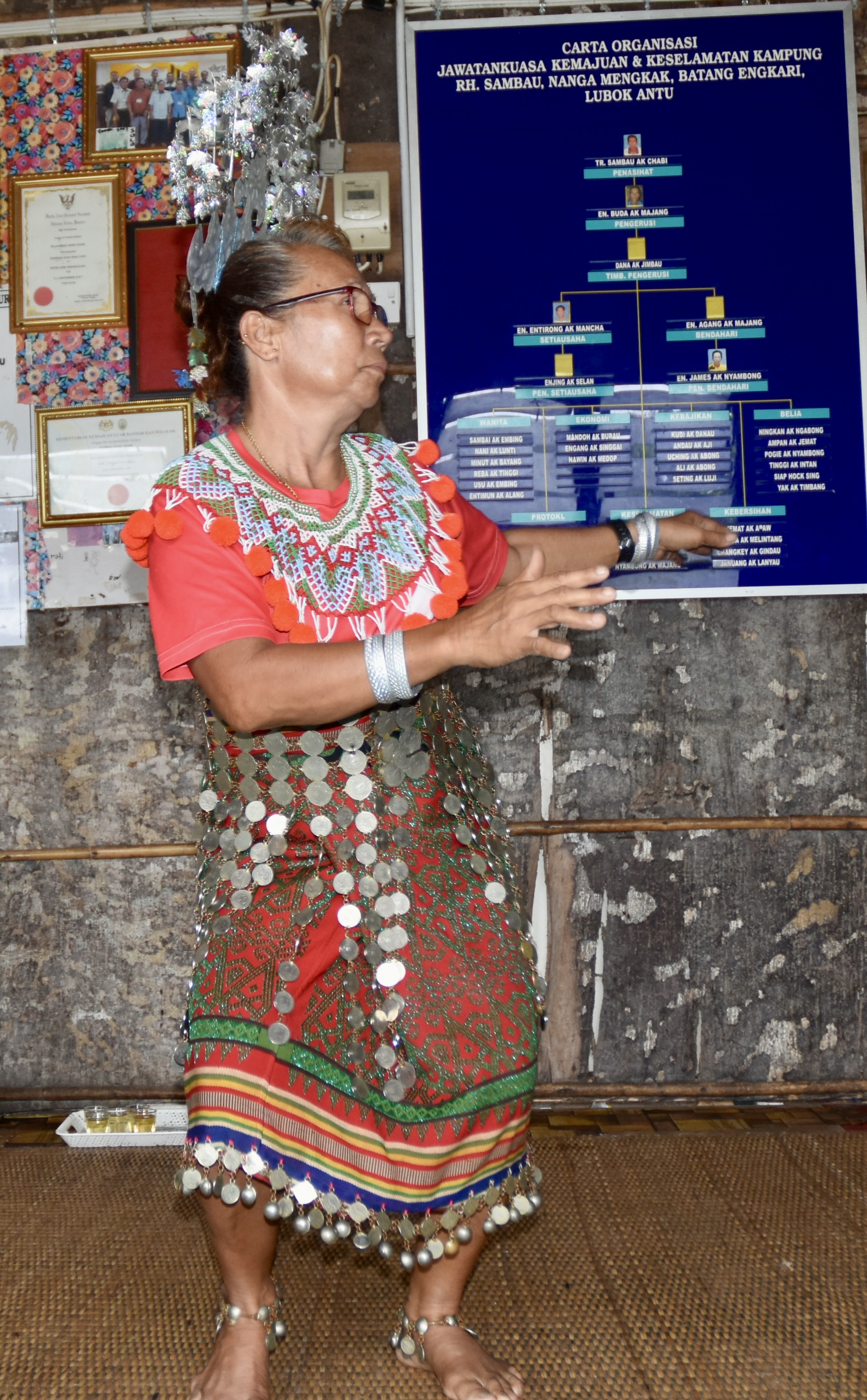
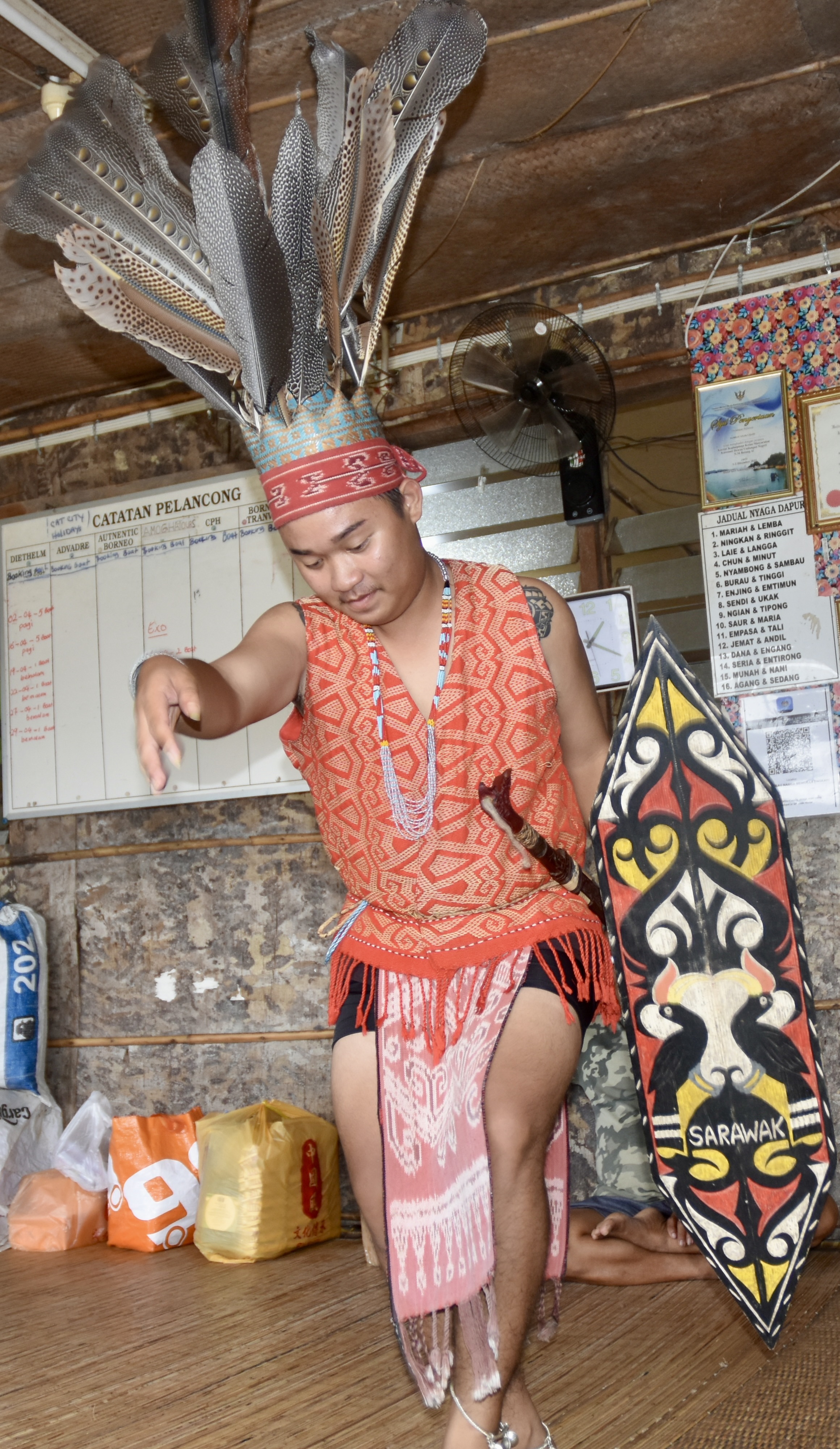
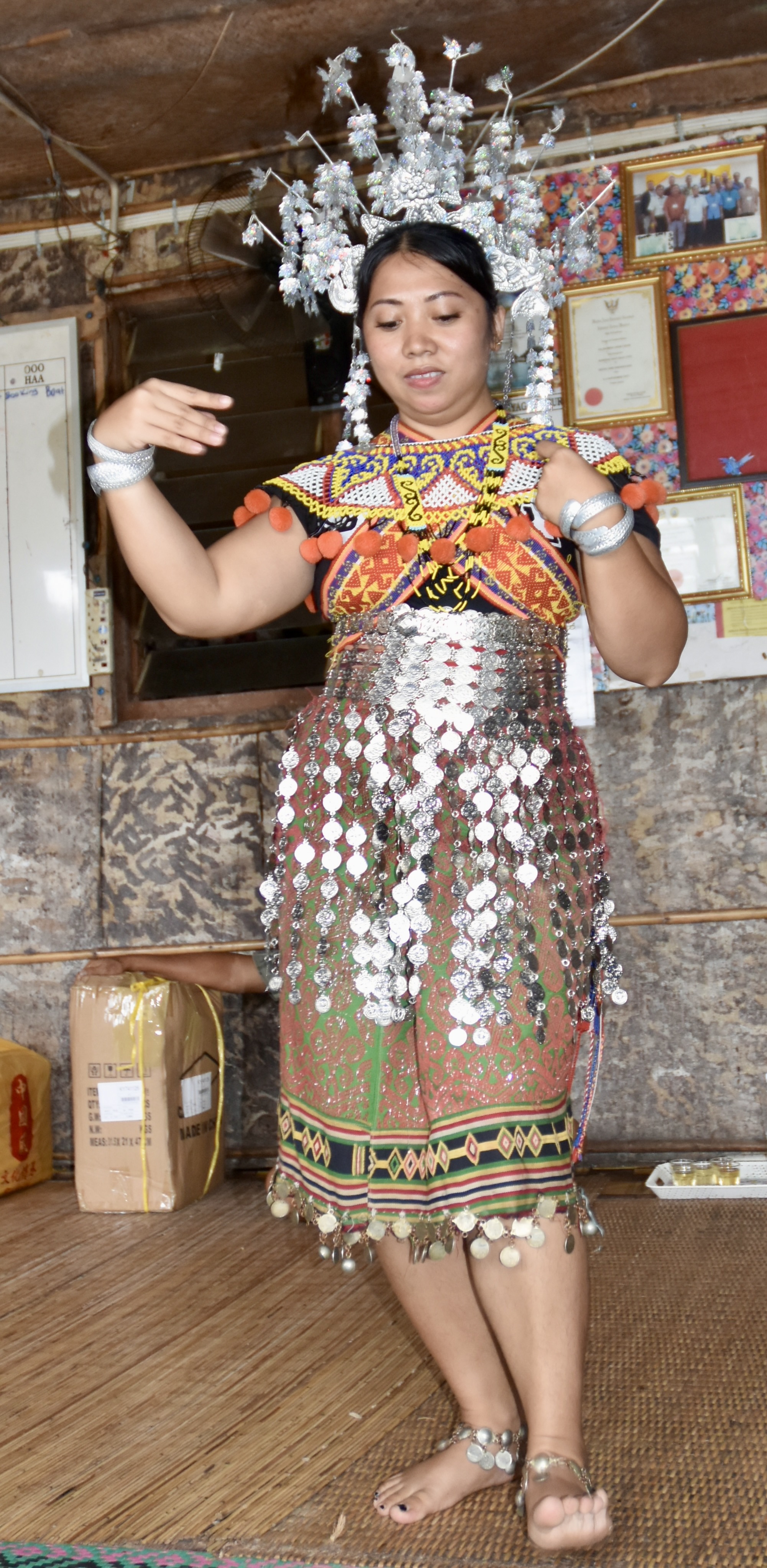
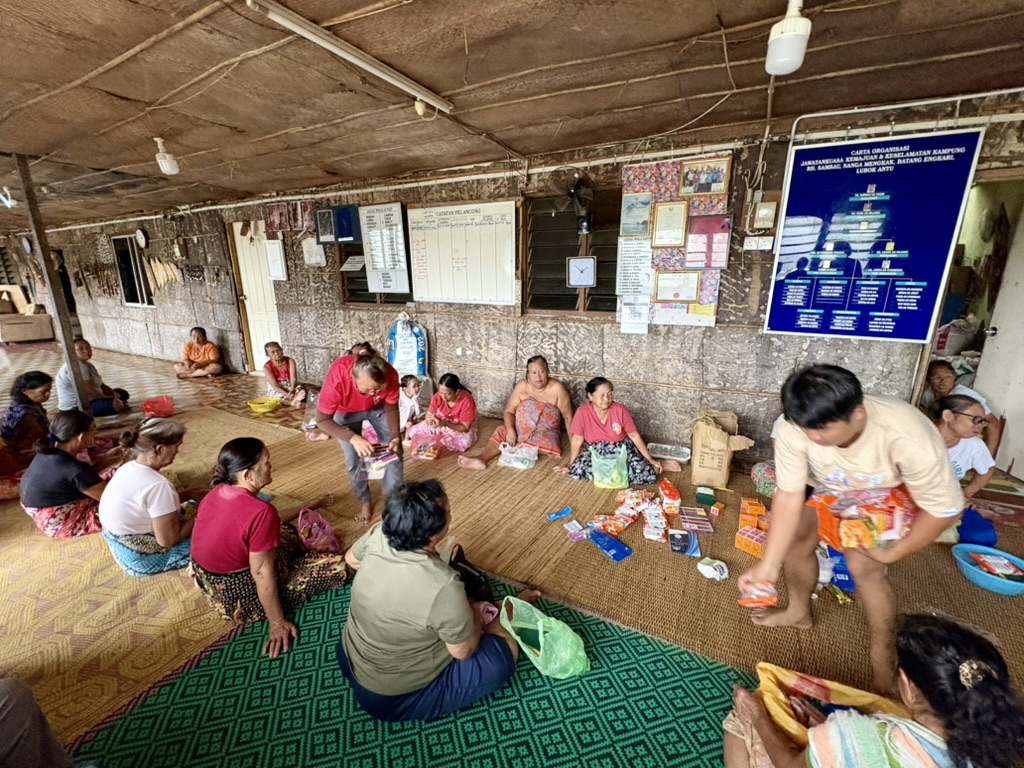
As tradition dictates, the occupants of the longhouse gathered to receive and share the gifts we took with us for them. When visiting Iban longhouses in Borneo, bringing practical, consumable, and shareable gifts for the community is customary. Ideal gifts include dried noodles, biscuits, tinned fish, and coffee or tea. Alcohol for the chief and individually wrapped snacks for children are also well-received.
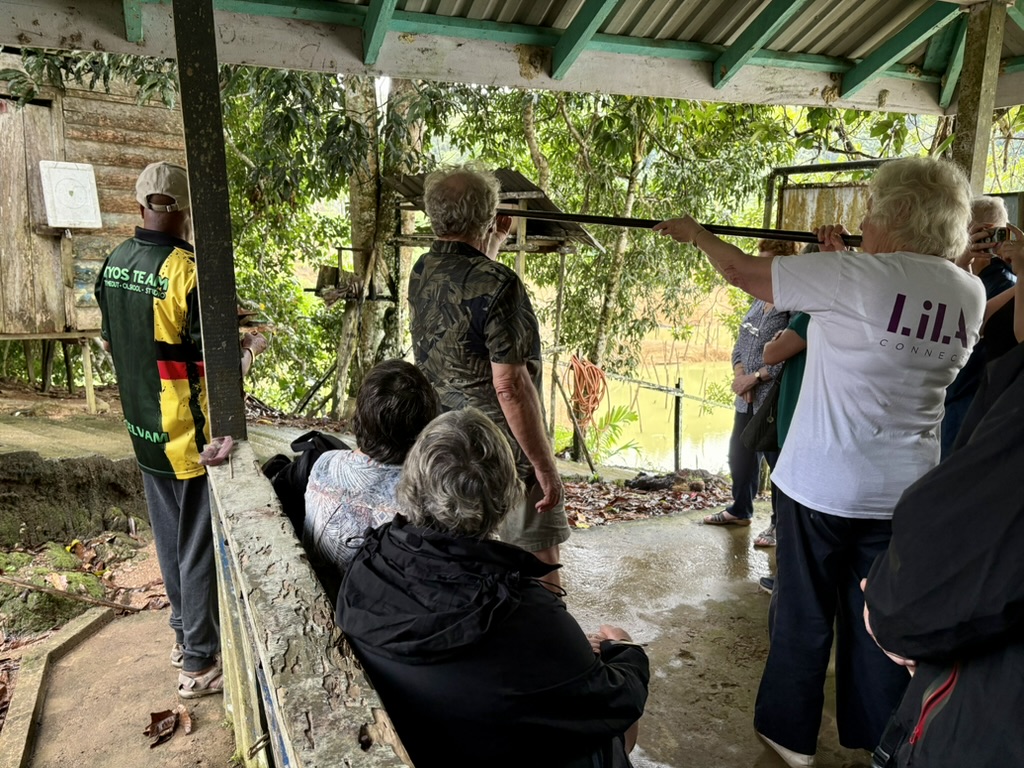
Before we left the longhouse and walked down the slippery steps to our long boats for the journey back to Sri Aman, we tried our hand at using Iban Blowpipes or sumpit, traditional wooden Bornean hunting tools historically used for hunting small game and birds, although modern usage is largely ceremonial or representative. Crafted for precision, they use small poisoned darts to hunt, particularly in dense jungle environments, and they also function as a symbol of cultural heritage.
Published 29 April 2026. Post views 22

