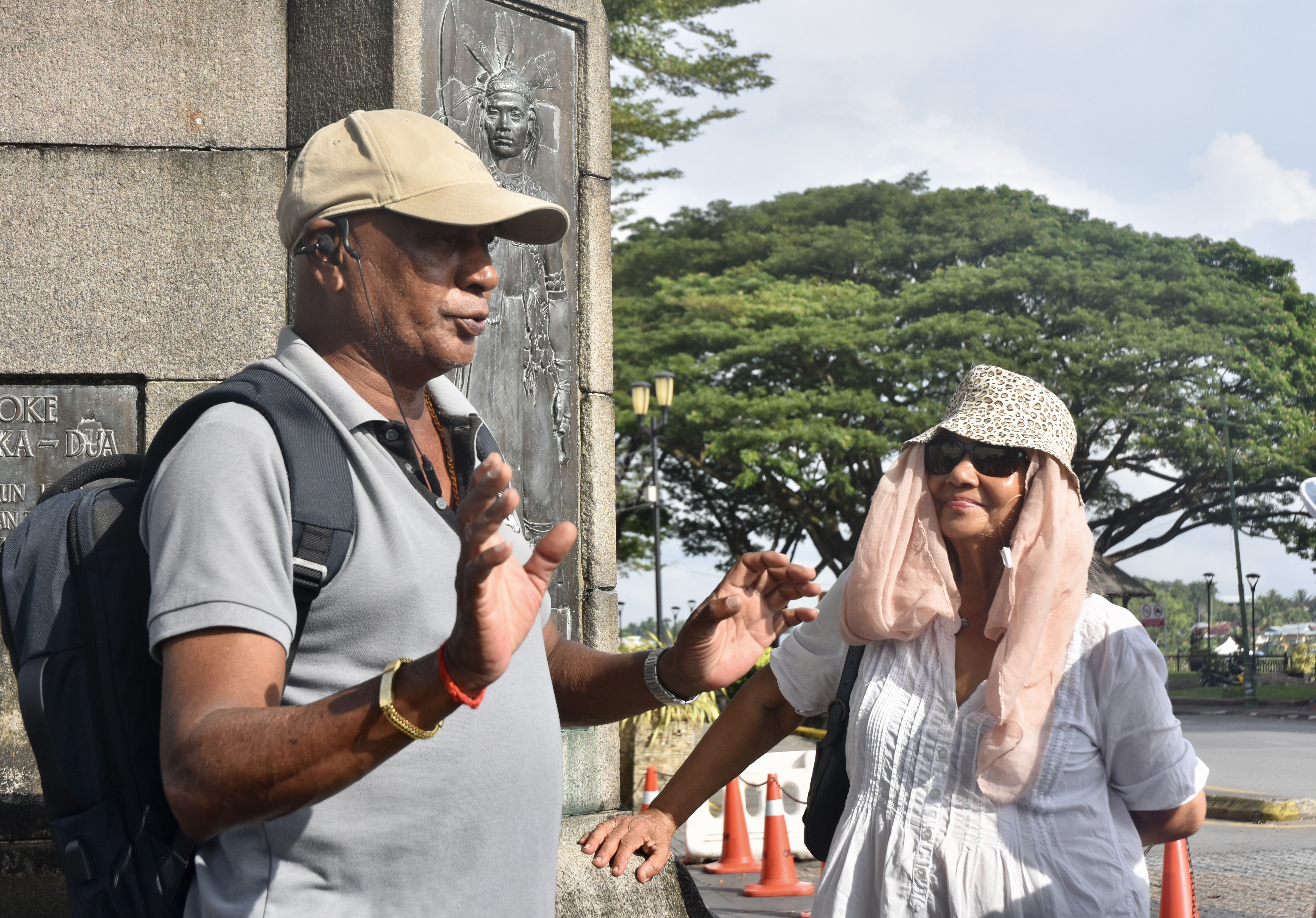
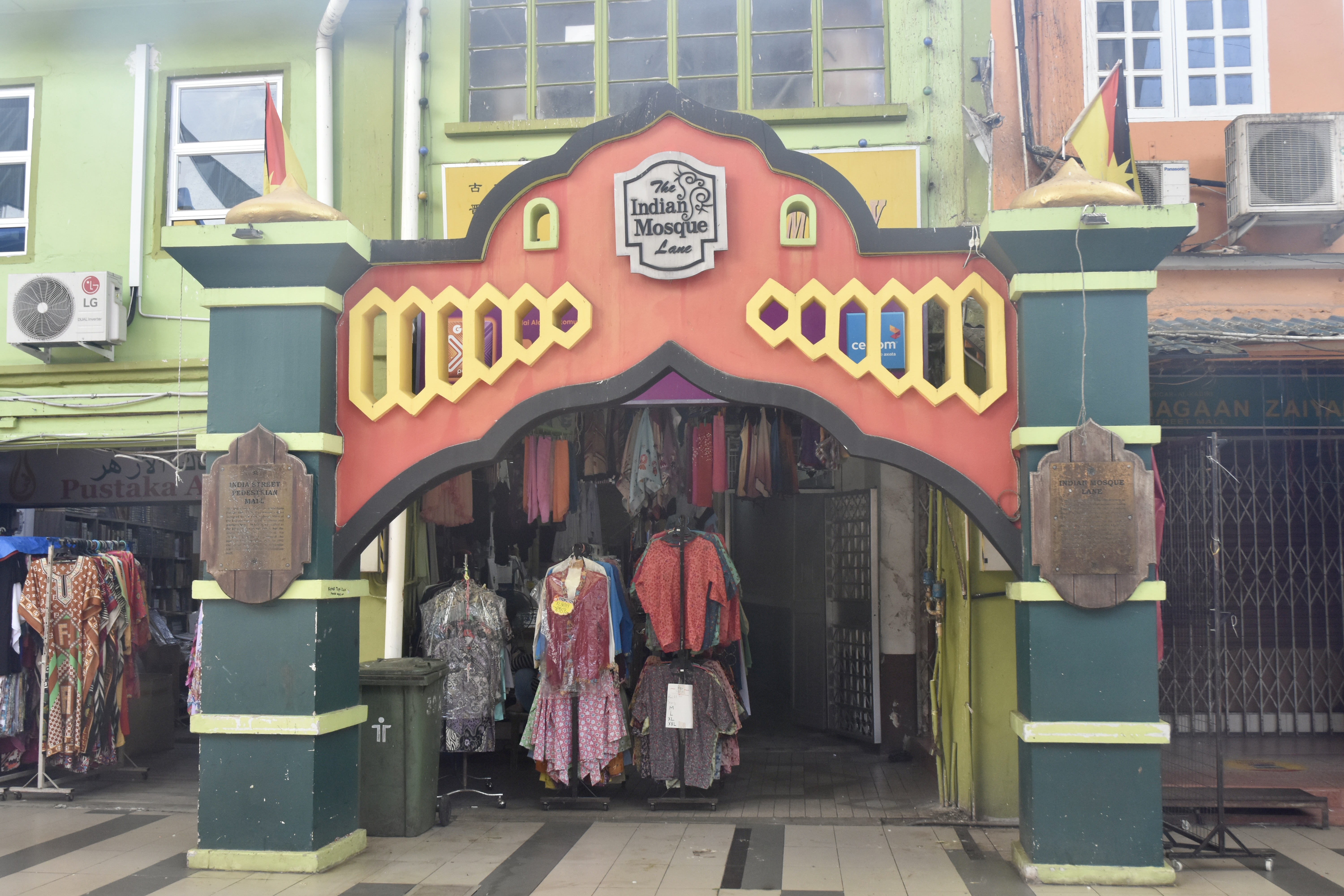
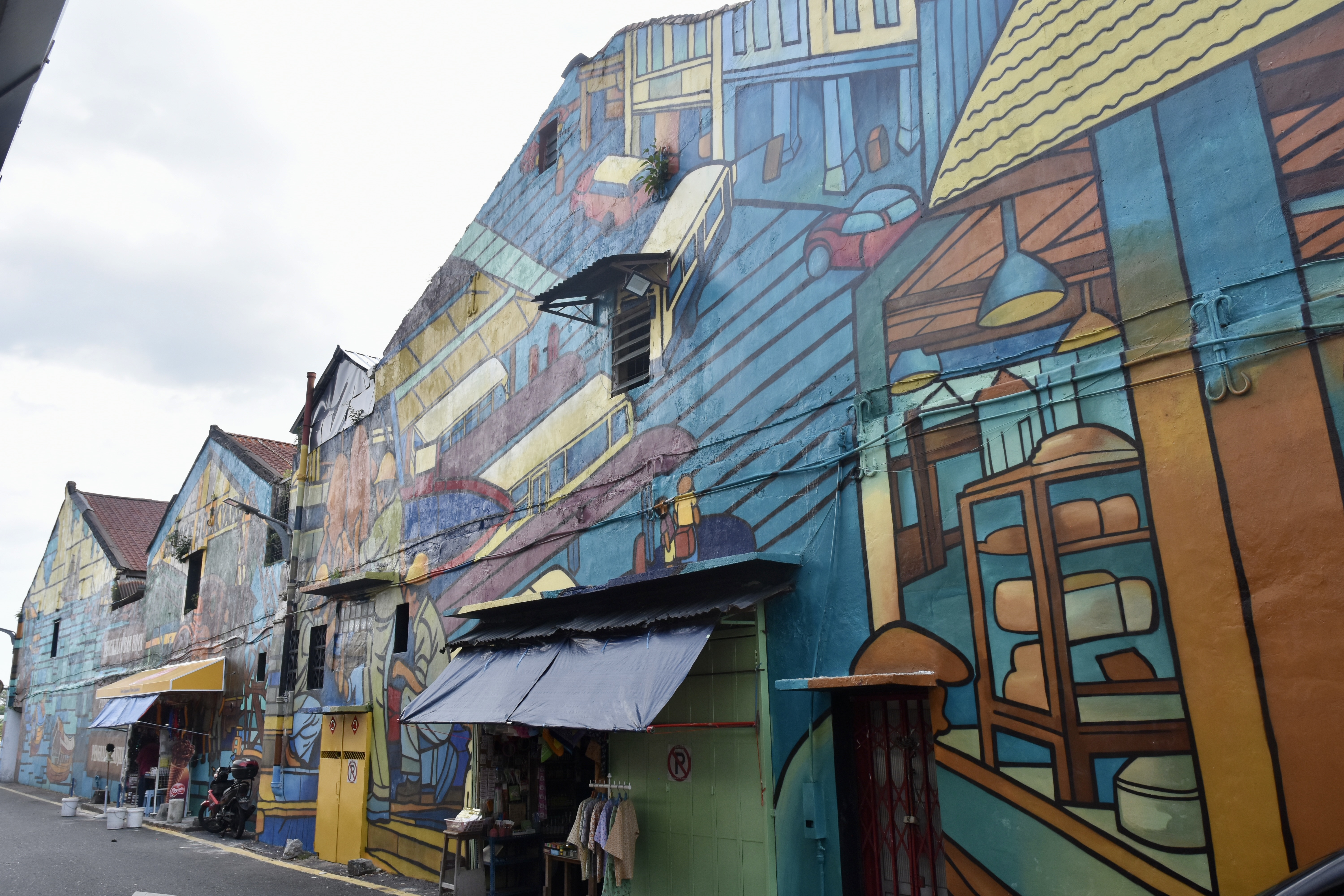
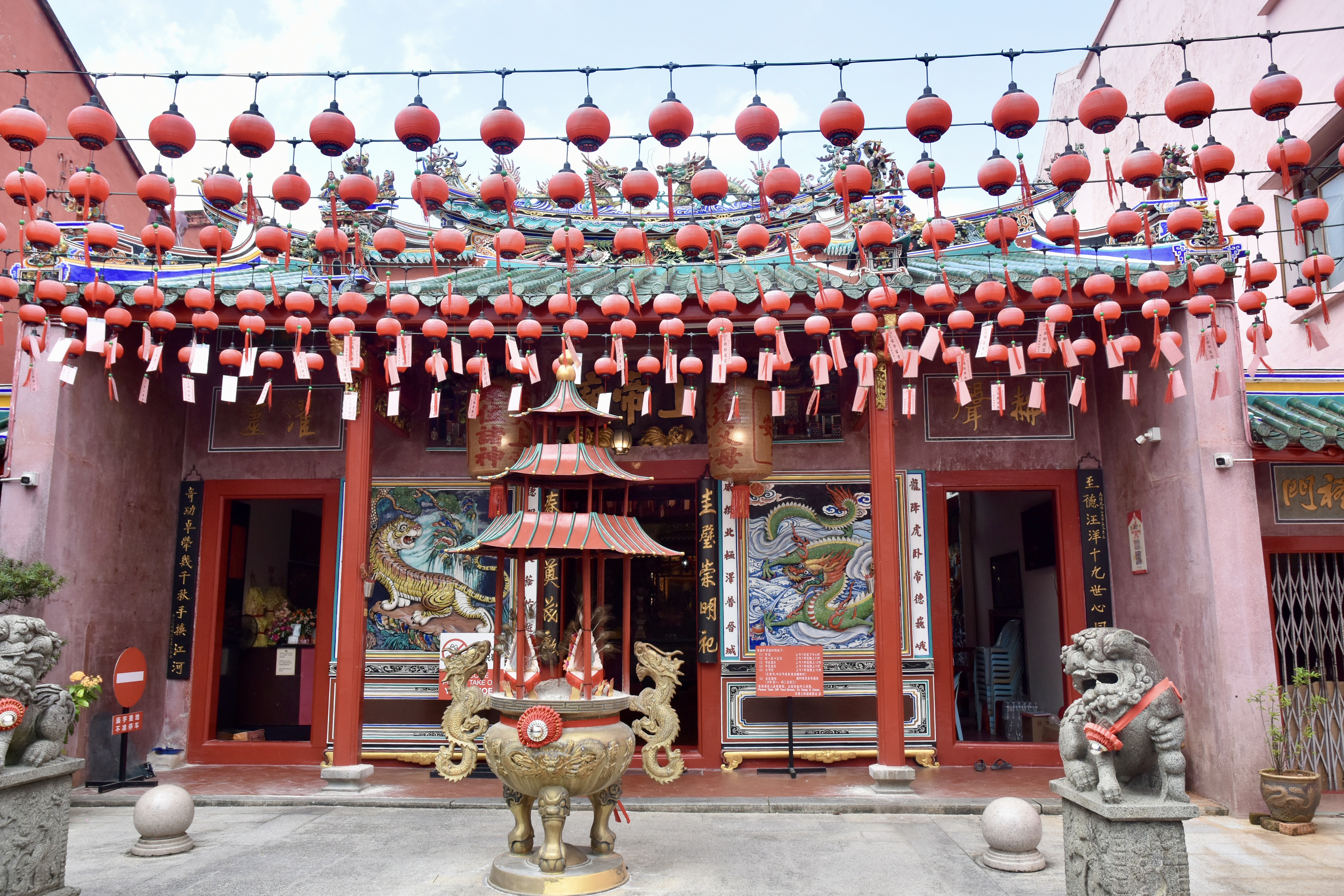
After a sumptuous breakfast at the Waterfront Hotel, we explored Kuching on foot with our excellent local guide from Wendy Wu Tours. We visited China Town, Gambier Street, a Malay Village on the north bank of the Sarawak River, Waterfront, Spice markets and Borneo Cultures Museum.
Kuching was founded by the representative of the Sultan of Brunei in 1827. Kuching became the capital of the Kingdom of Sarawak after the territory was ceded to James Brooke for helping the Bruneian Empire in crushing a rebellion.
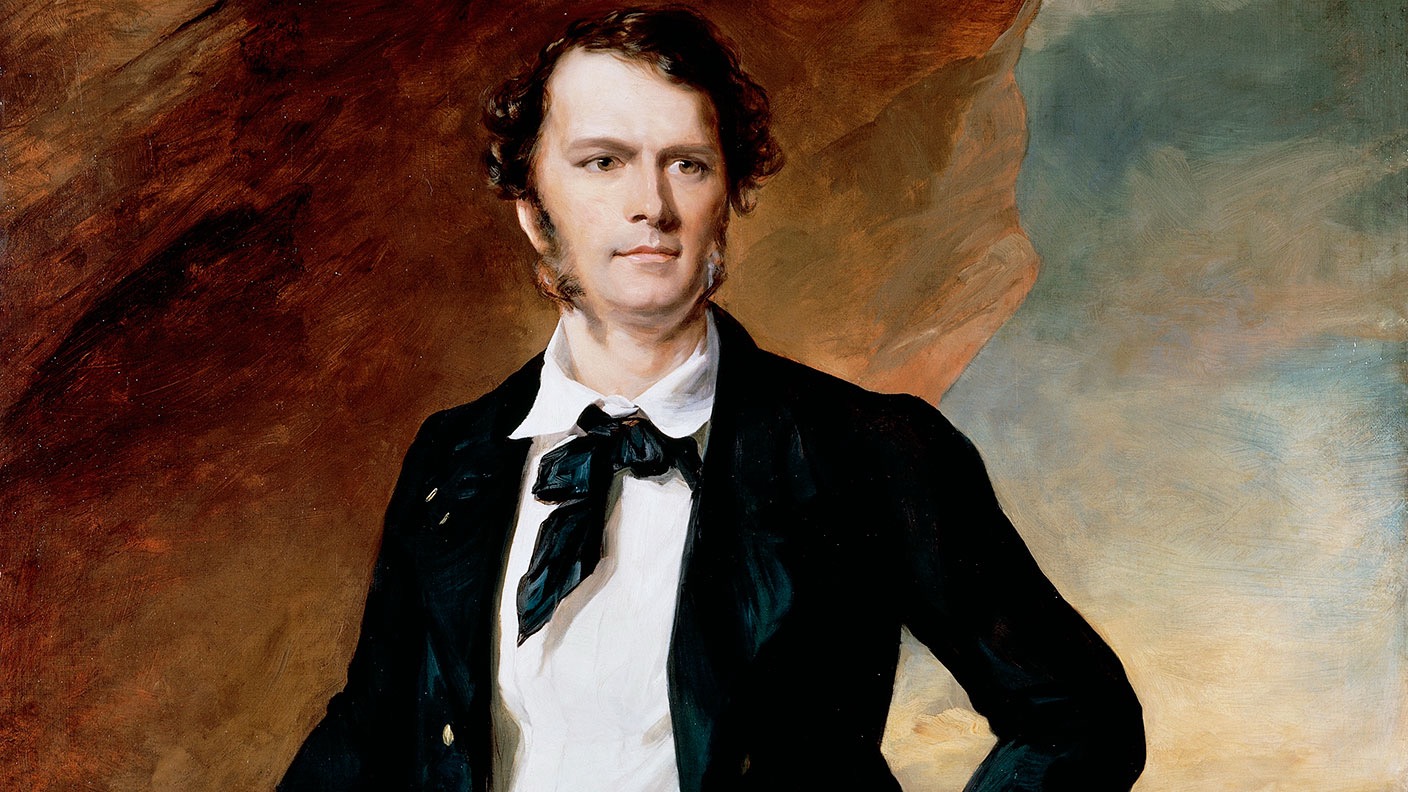
James Brooke was an ex-East India Company soldier, who brought his own ship to the island of Borneo in search of fortune and adventure. While there, he became friendly with a local Brunei leader who was embroiled in a civil war and was continually battling piracy and the threat of insurgency. James Brooke helped the Sultan of Brunei suppress a rebellion, resulting in his appointment as ruler and became the first “White Rajah” of Sarawak in Borneo in 1841. Brooke established a dynasty that ruled for 100 years, suppressed piracy with Royal Navy support, and established a paternalist government.
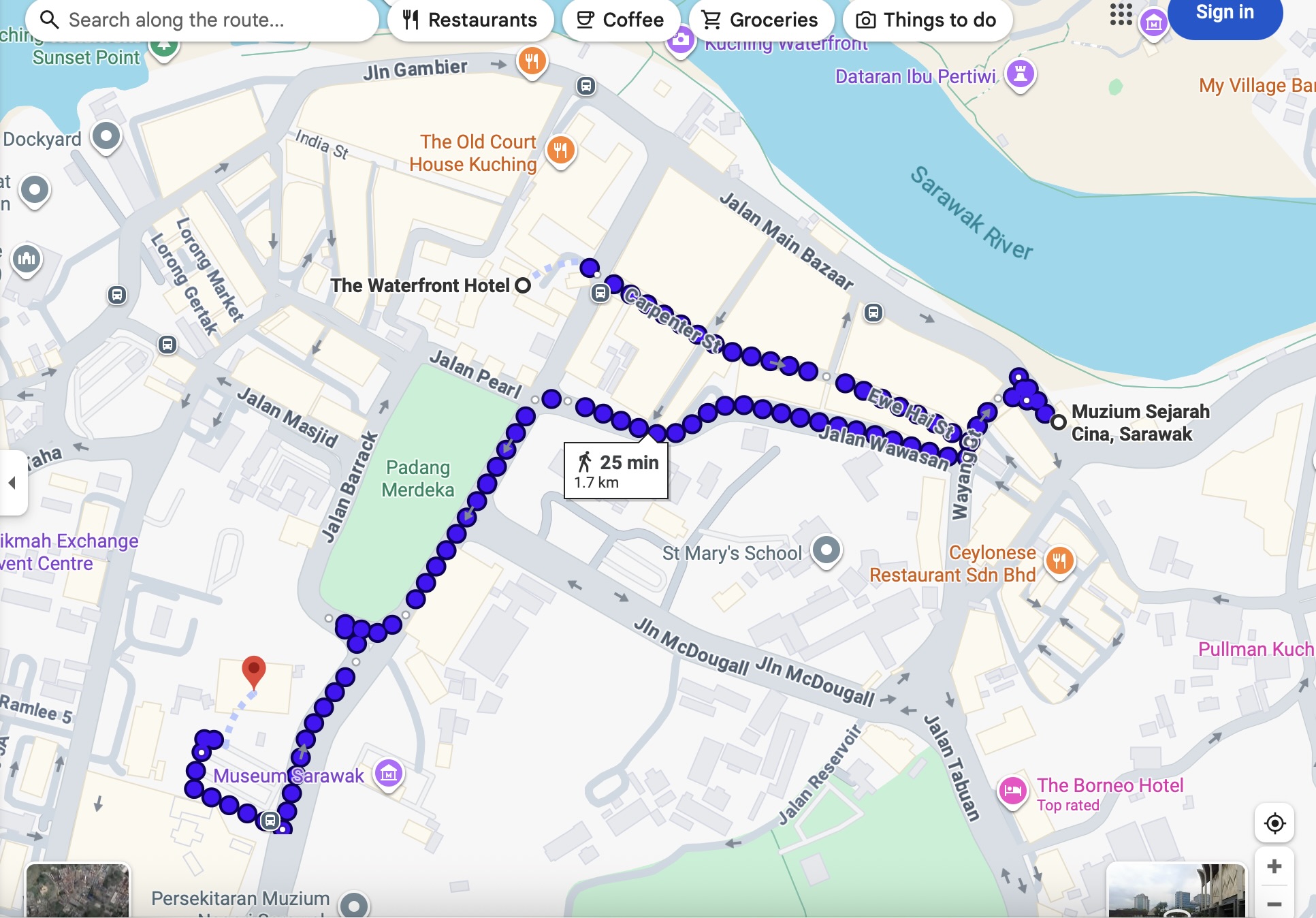
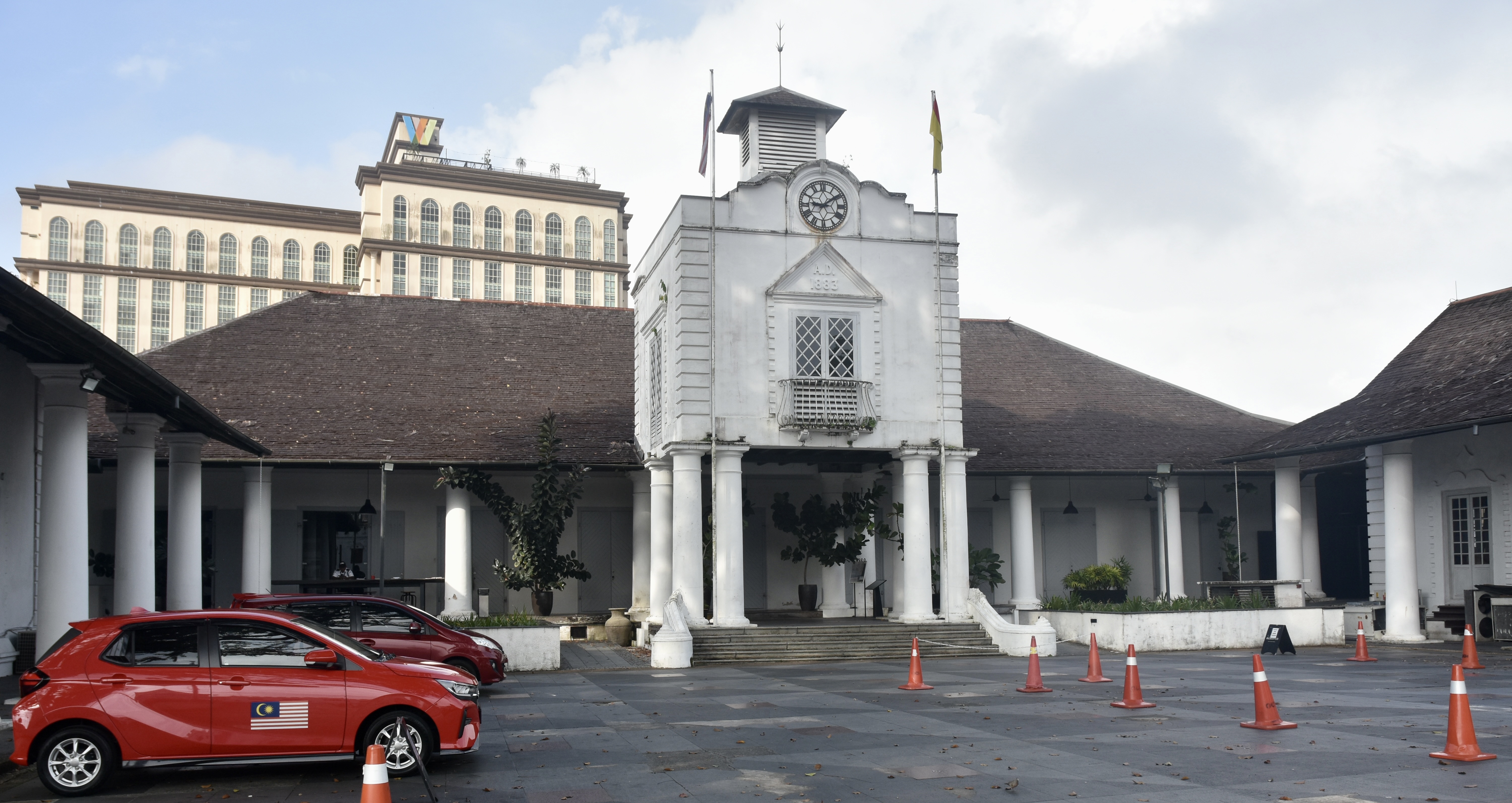
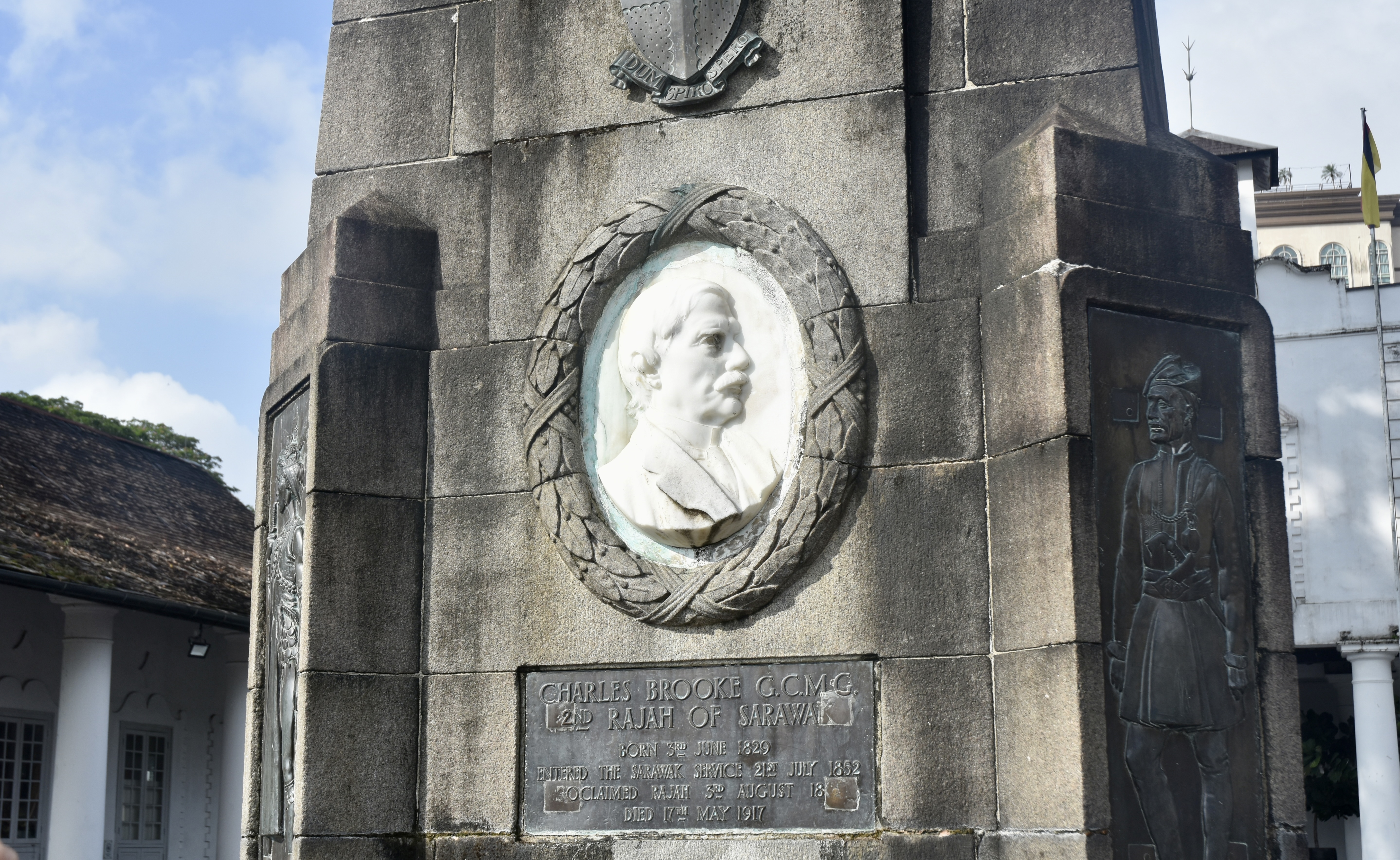
We walked through China Town past traditional Chinese merchant houses primarily located along Carpenter Street and the Main Bazaar. They are historic 19th and early 20th-century buildings that served as both commercial business premises and residential quarters for Chinese settlers. These buildings, which survived the Great Fire of 1884, are considered some of the oldest and most well-preserved in Sarawak.
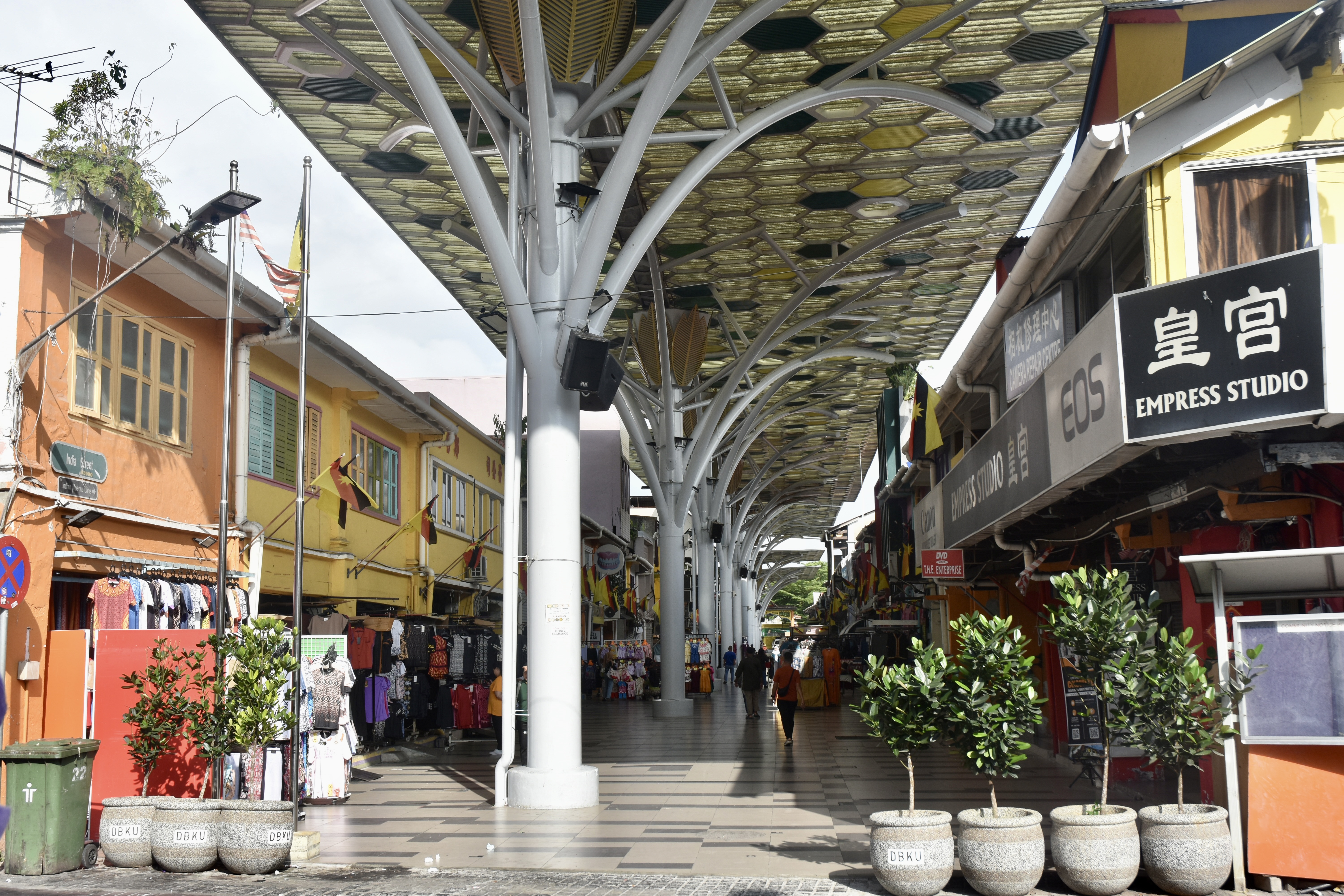
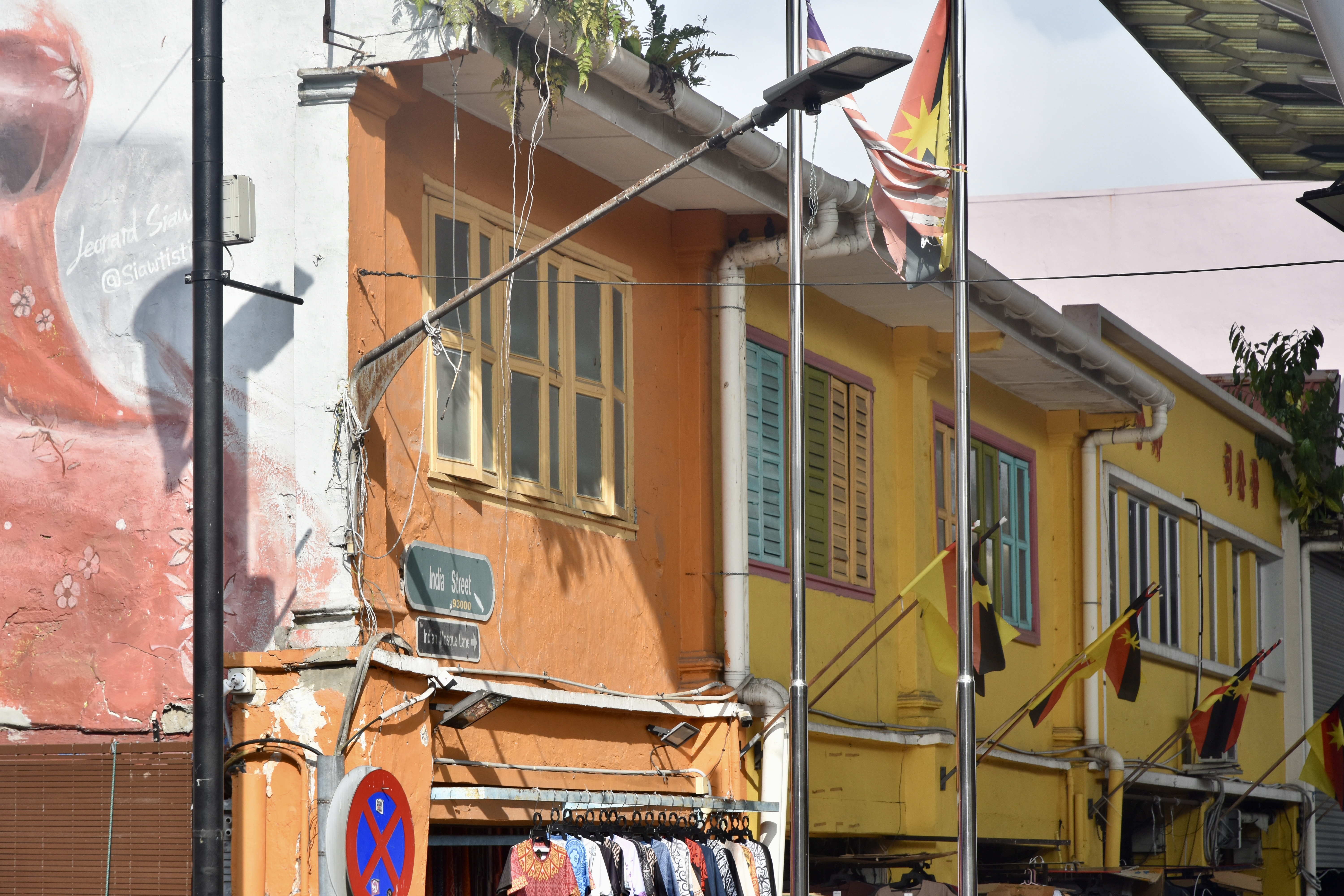
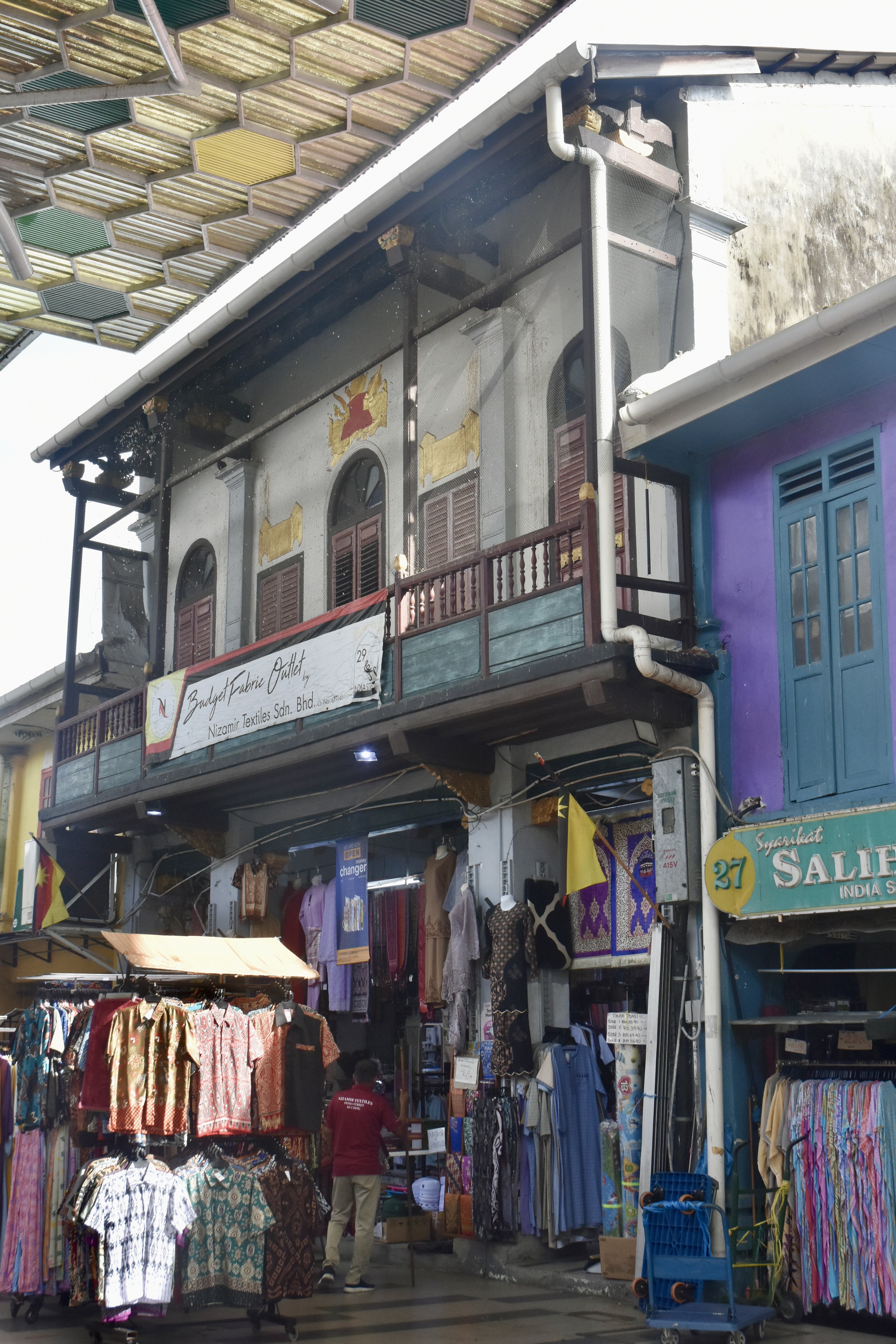
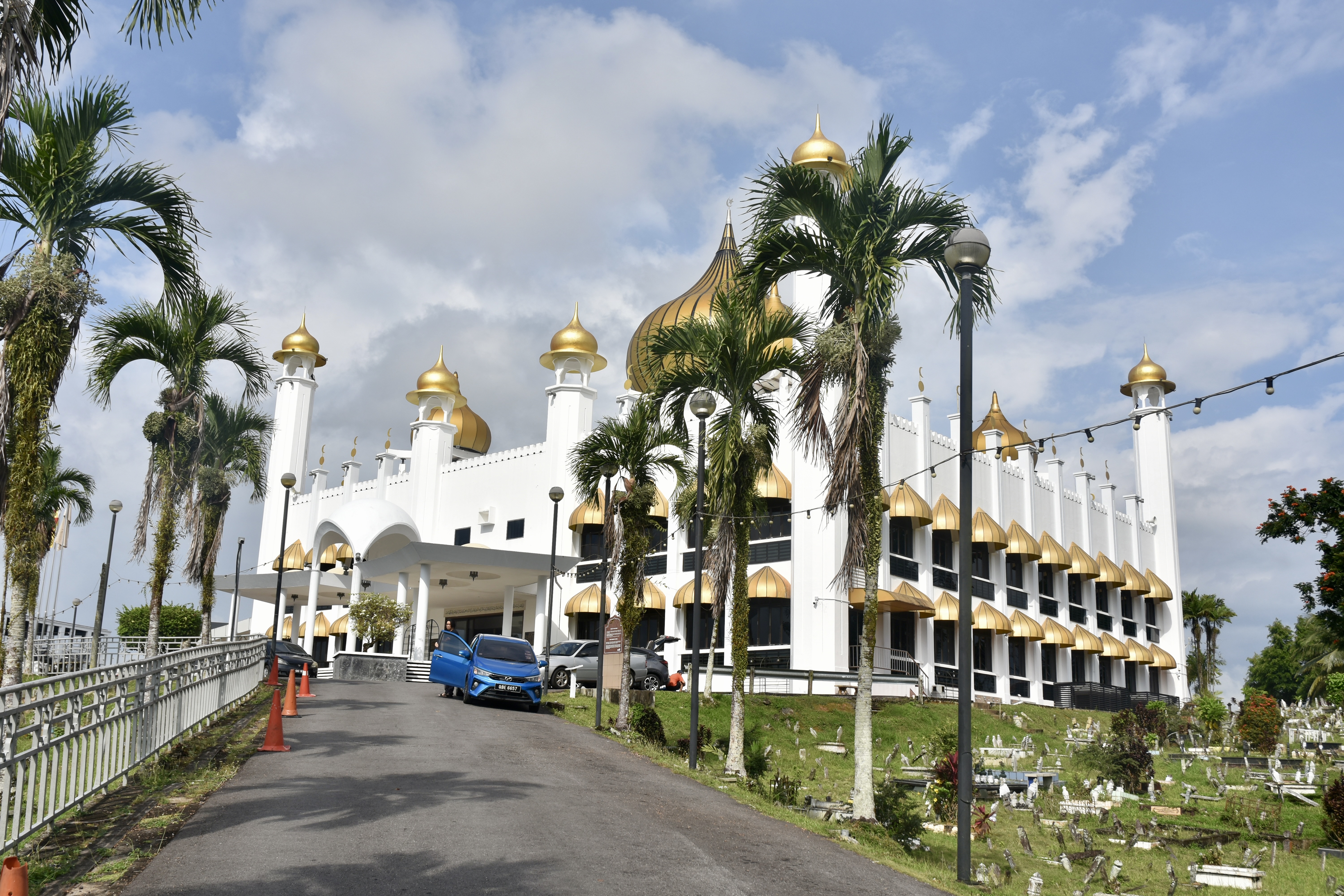
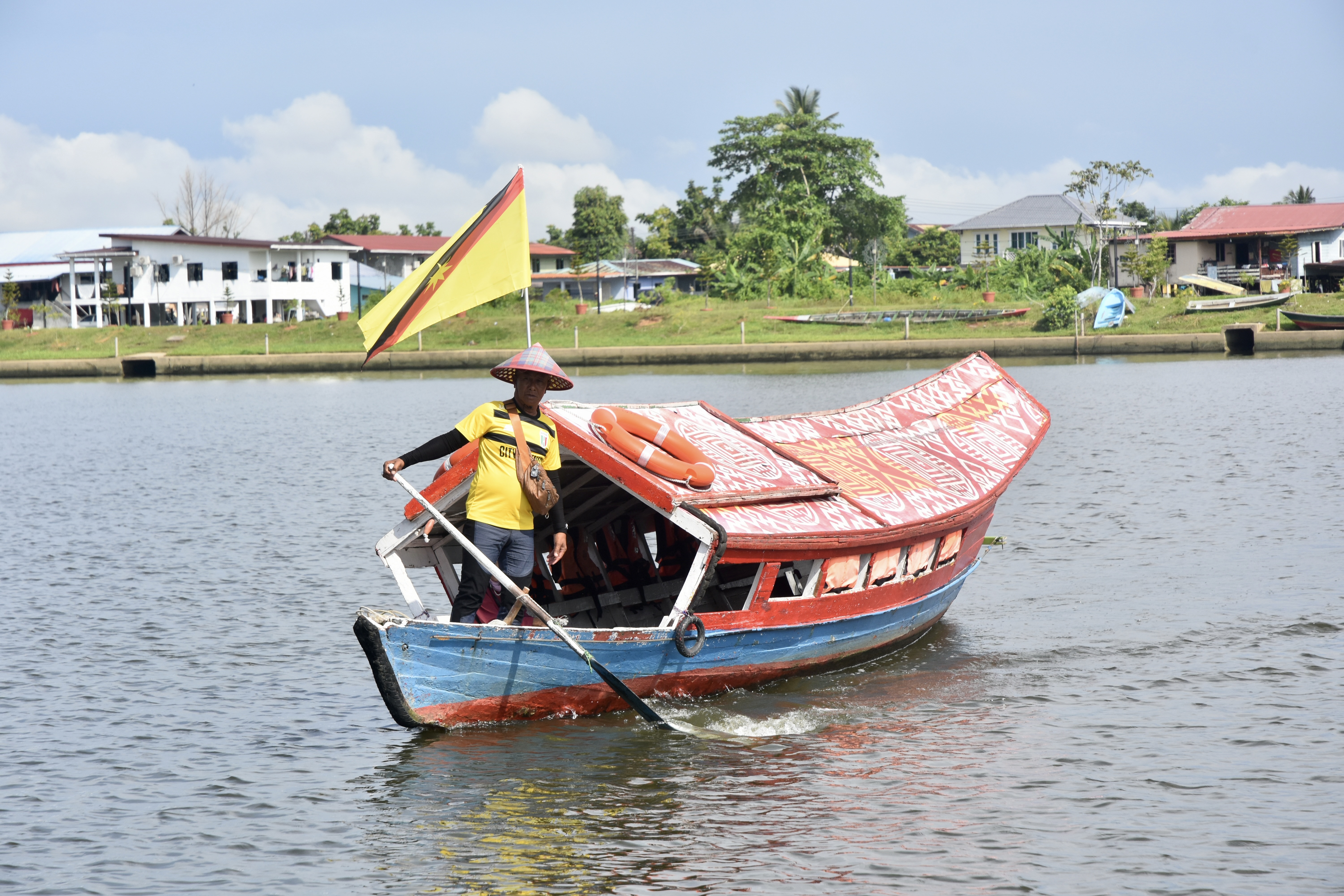
Several traditional Malay Villages (kampung) are located along the Sarawak River in Kuching, particularly on the north bank opposite the Kuching Waterfront, offering a glimpse into local culture, heritage homes, and riverside life. The river originates from the Kapuas Mountains along the frontier with Indonesia and extends for approximately 120 kilometres before it attains its estuary at Muara Tebas. A sampan (traditional, flat-bottomed wooden boat) ride across Kuching’s River took us to one of the Malay Villages The contrast between the bustling city and the quiet village just across the water was astonishing.
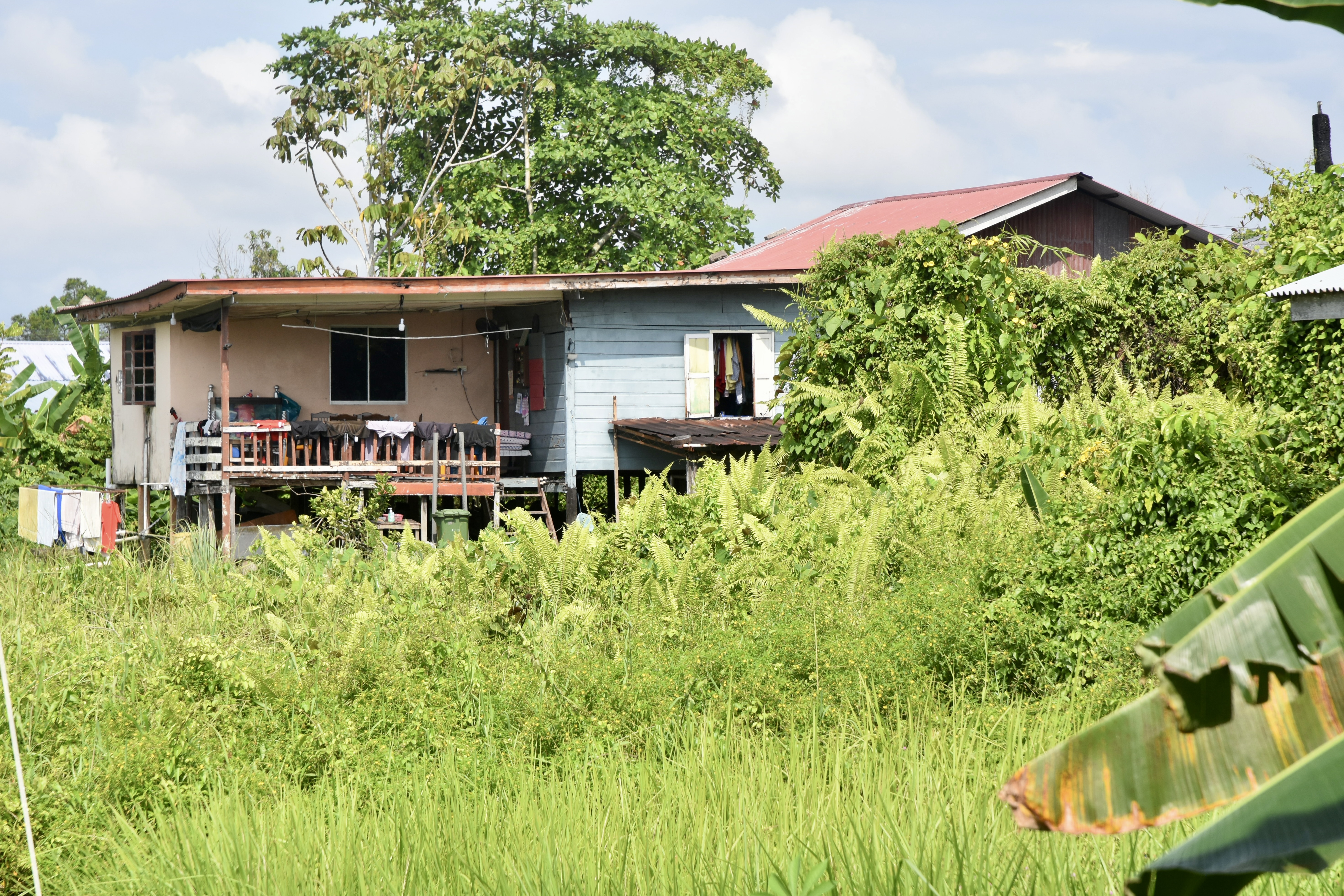
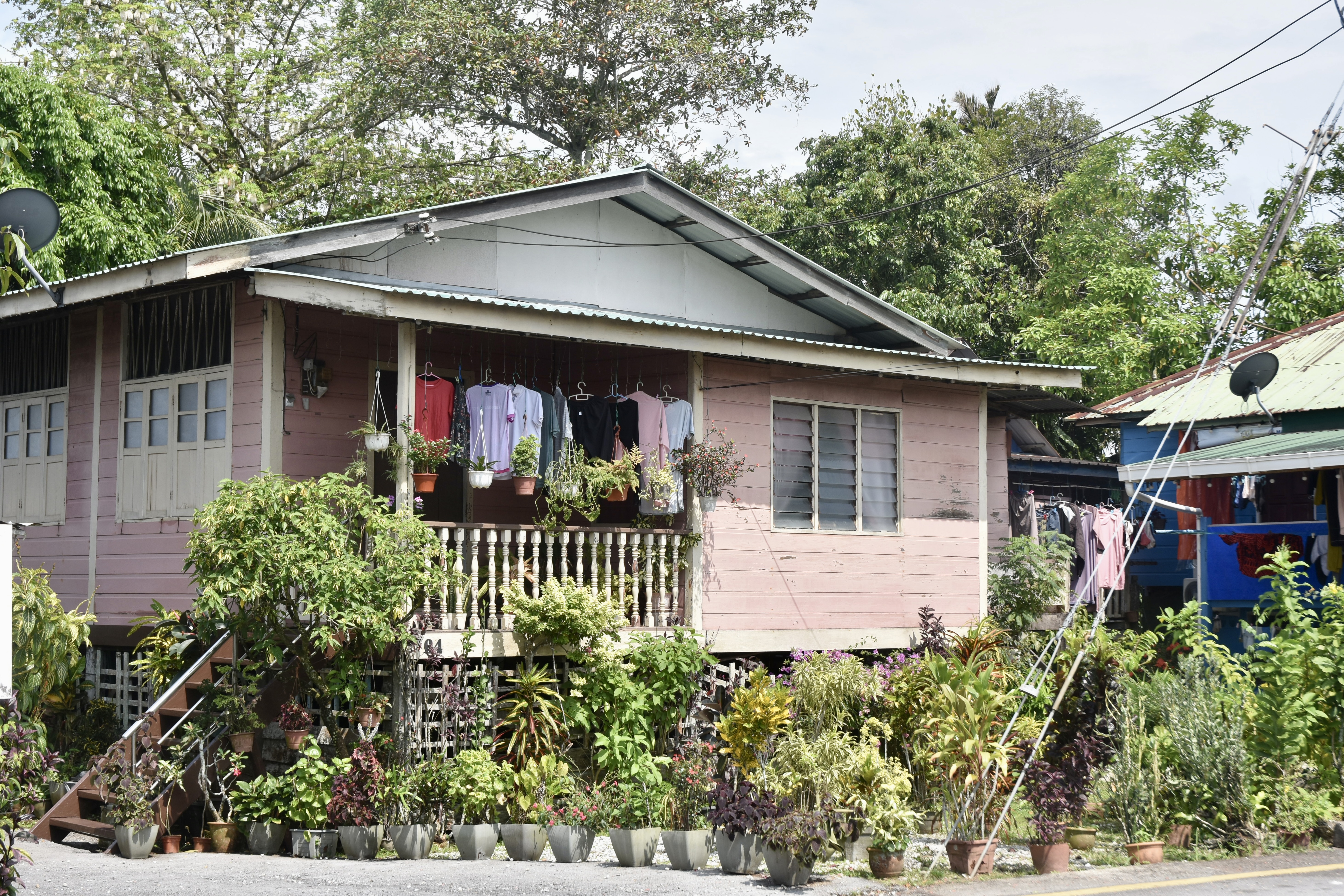
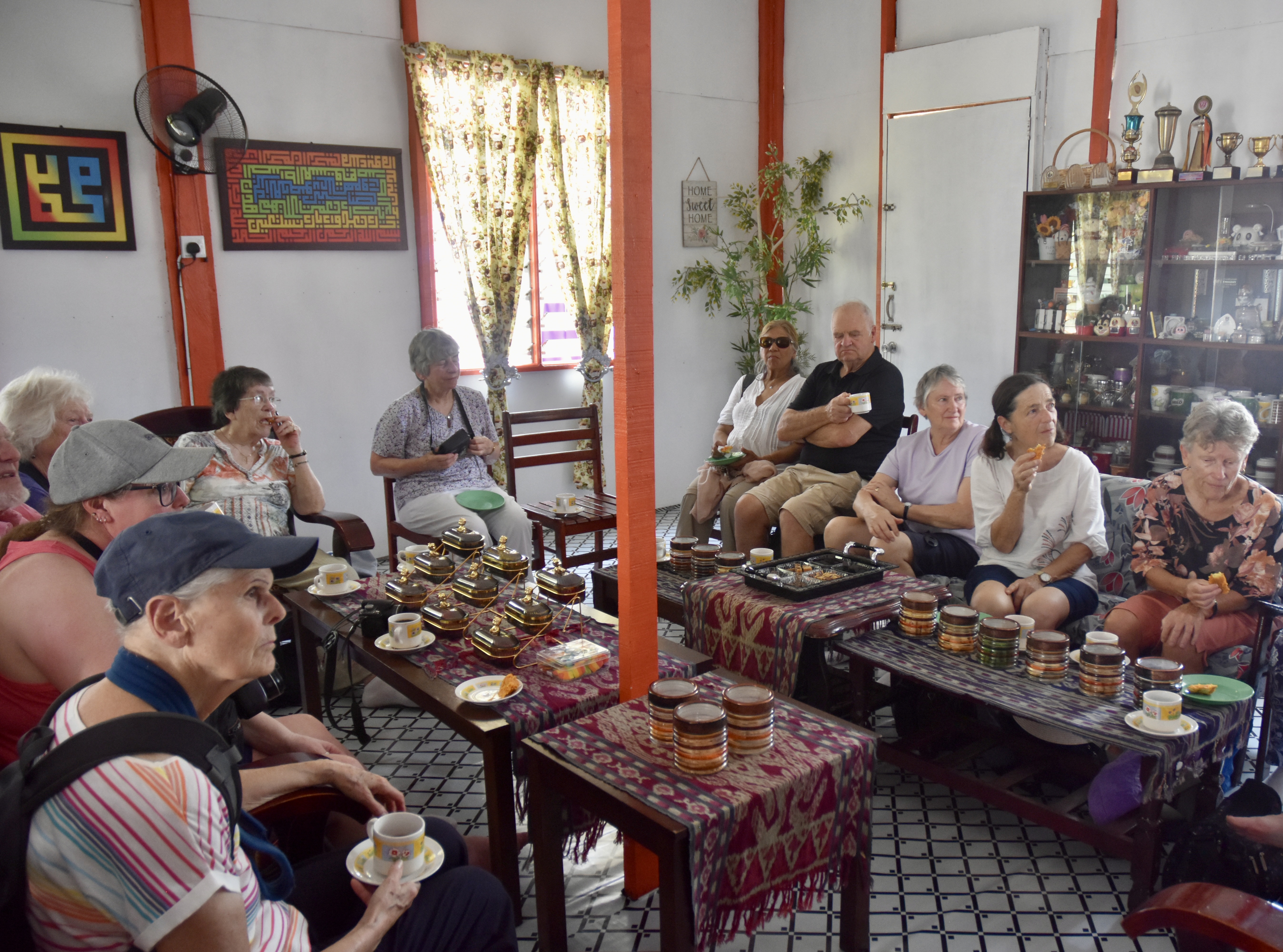
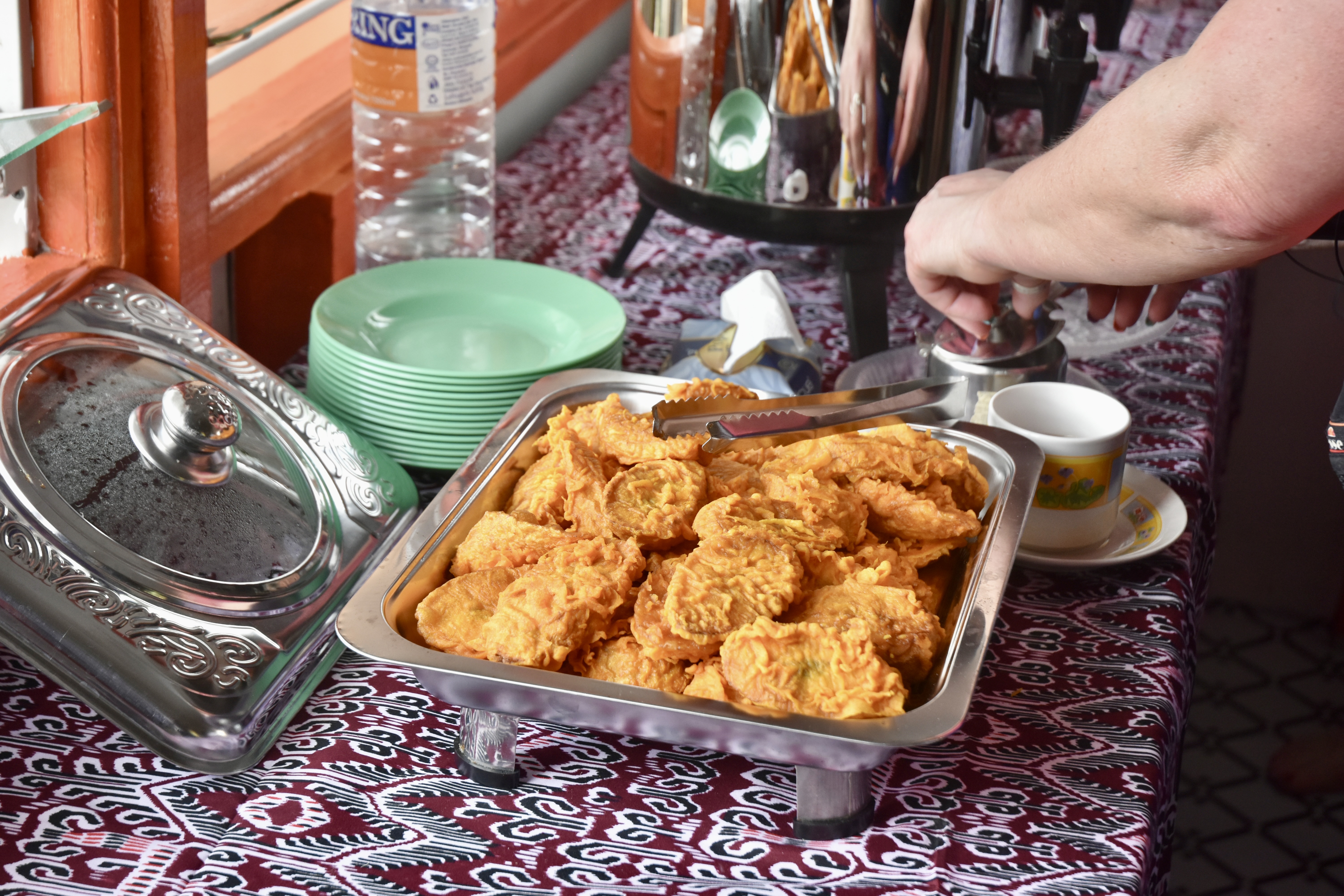
We visited a traditional Malay home where we were warmly received and were treated with snacks and tea.
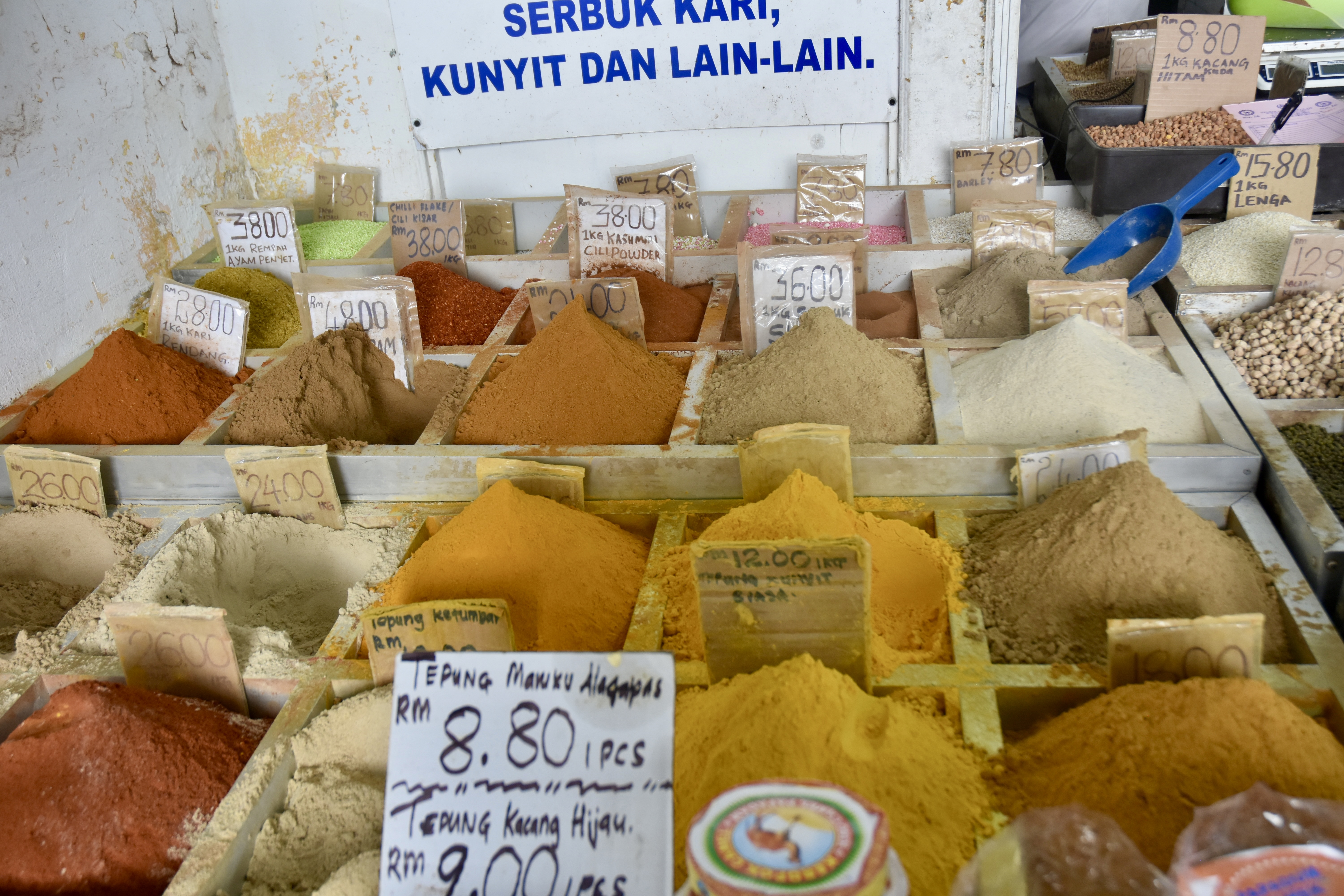
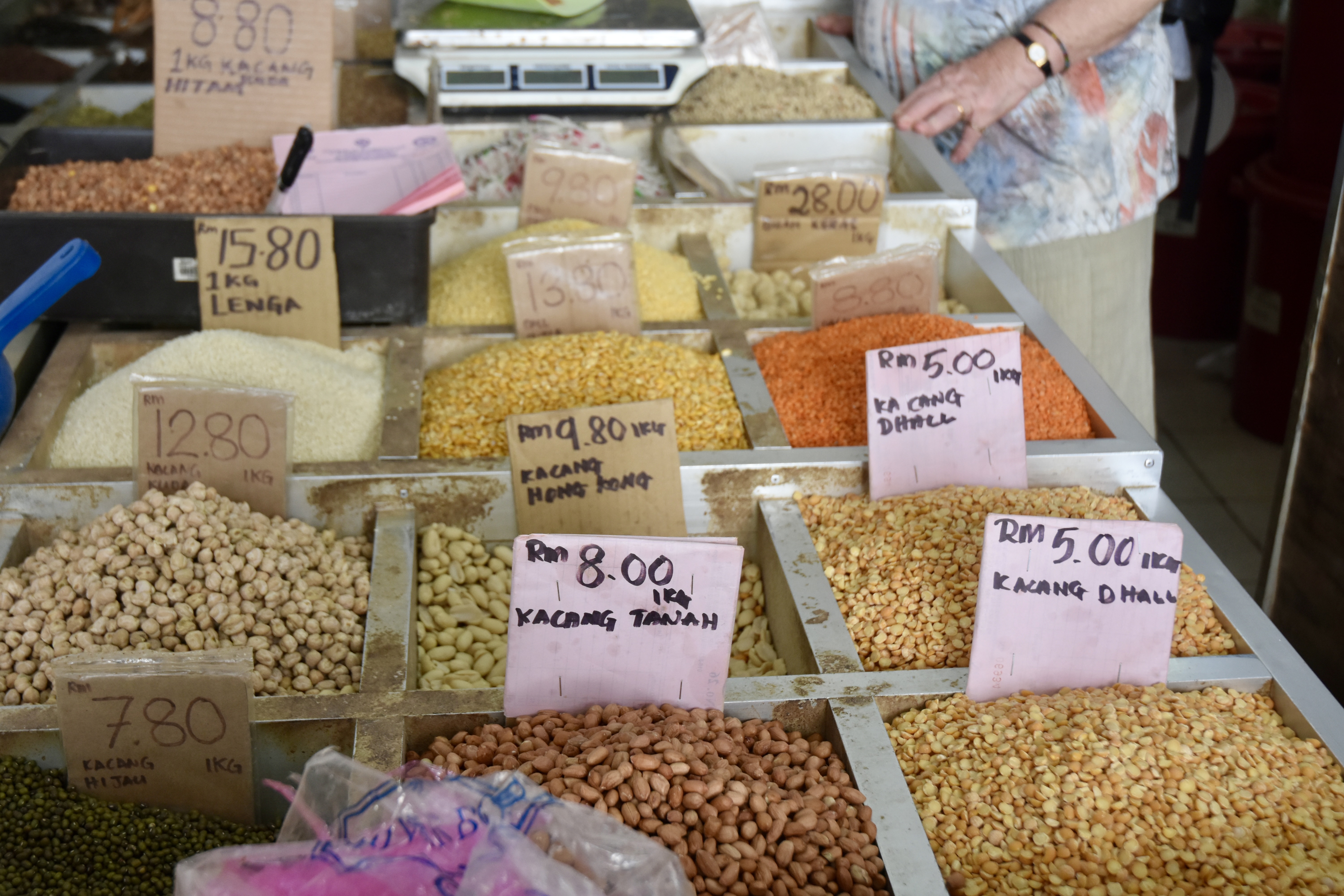
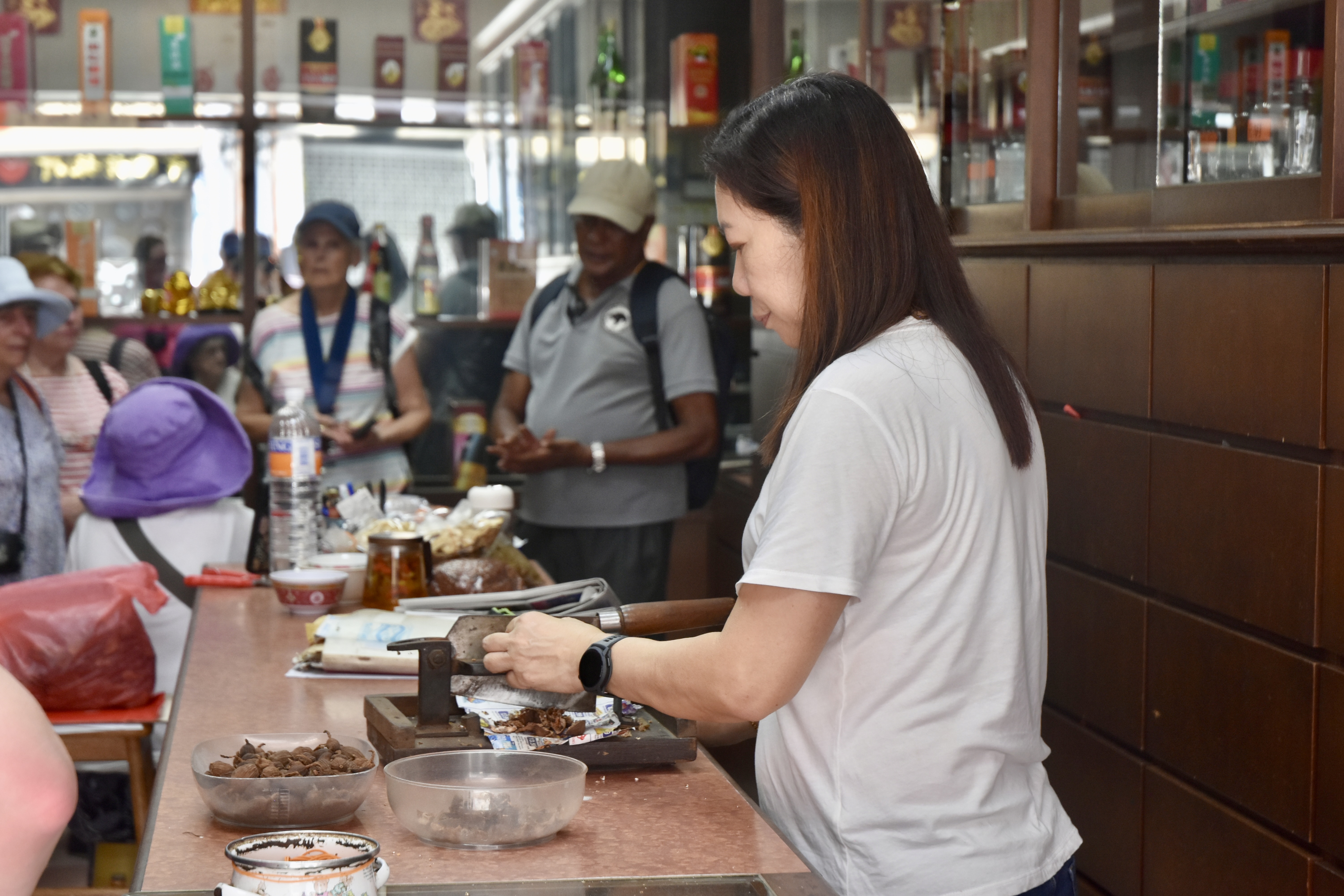
Back in Kuchin, we visited the spice markets on Gambier Street and a ‘Sinseh’ (Chinese Medicine Man).
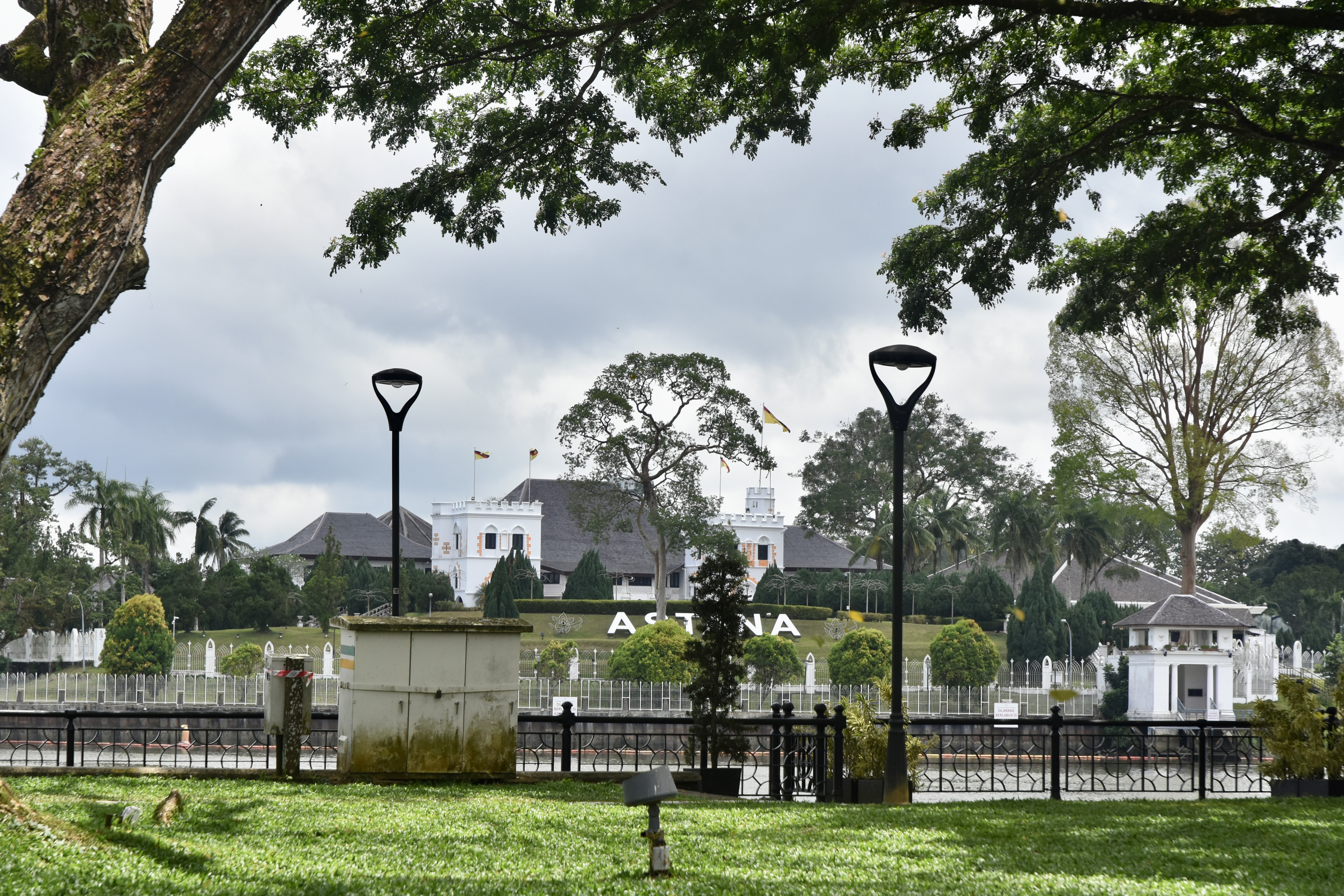
The Astana, located on the north bank of the Sarawak River in Kuching, was built in 1870 by the second Rajah, Charles Brooke, as a bridal gift for his wife, Margaret. It was constructed as the official residence and government house, replacing earlier homes of the first Rajah, James Brooke.
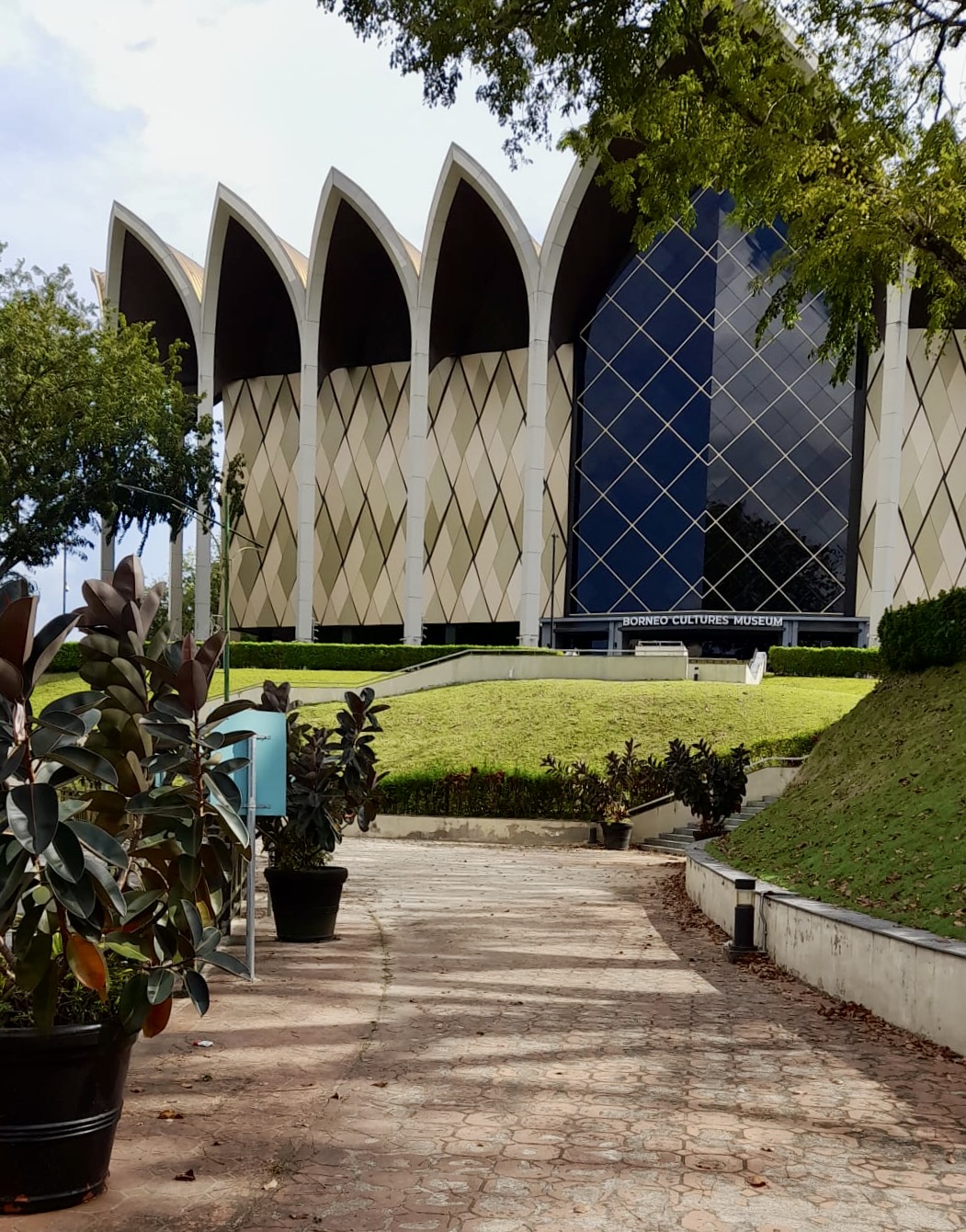
After a light lunch at a Chinese restaurant, we visited the Borneo Cultures Museum the largest museum in Malaysia and the second largest in Southeast Asia. The museum displays artifacts relating to the history and cultural heritage of Sarawak’s local people, as well as others on Borneo island.
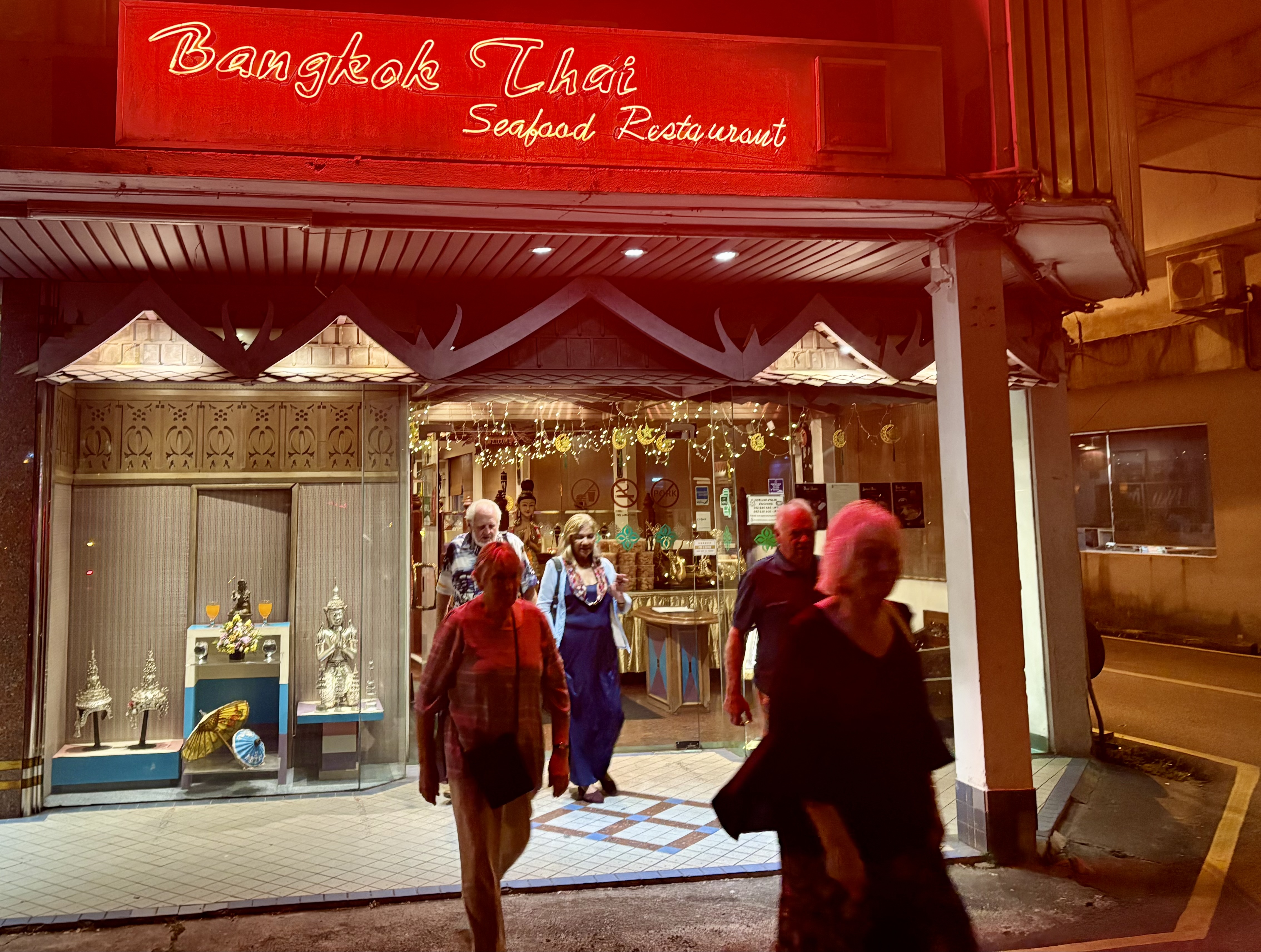
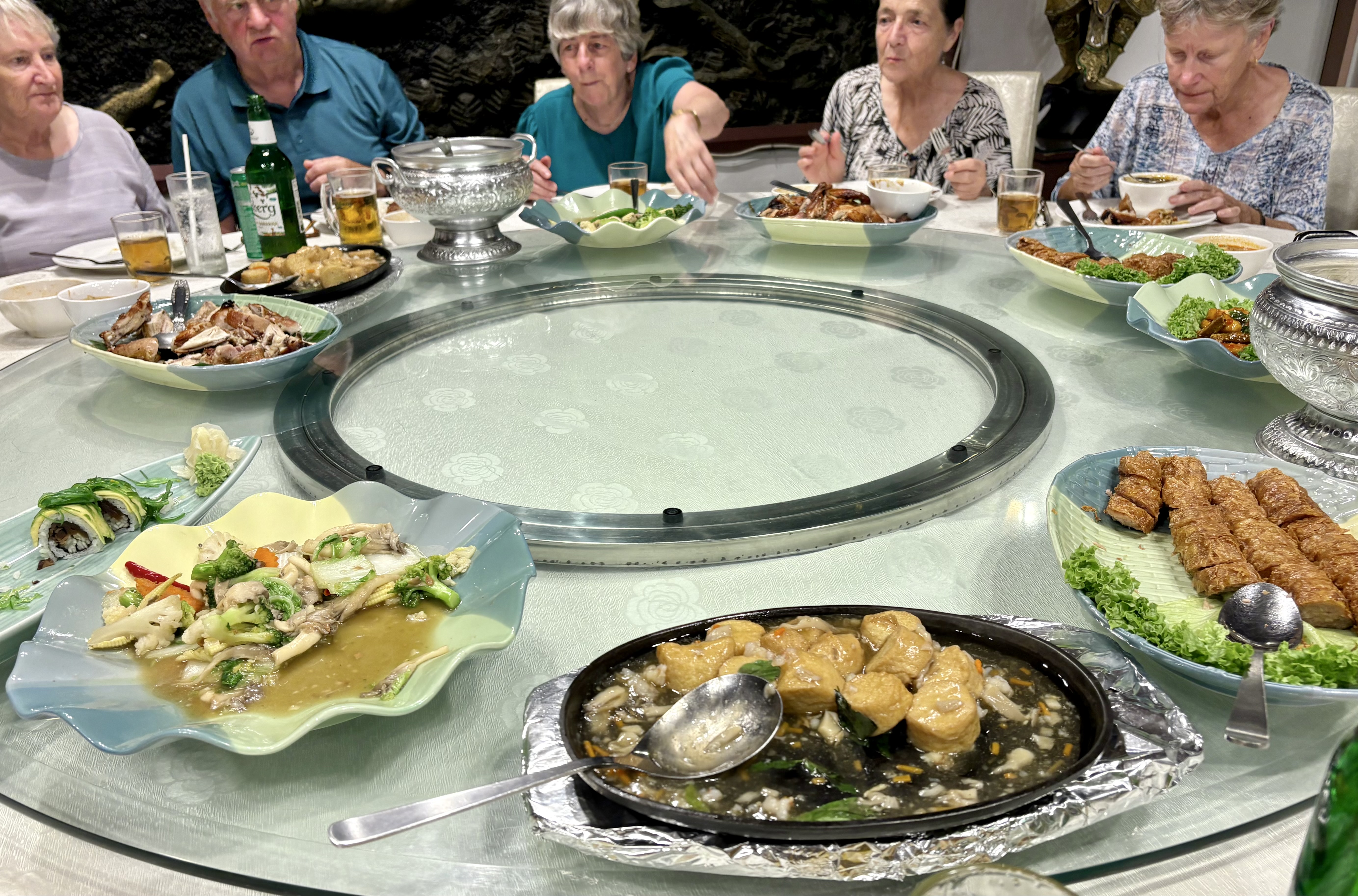
That evening, we had dinner at the Bangkok Thai Seafood Restaurant.
Published 19 April 2026. Post views: 64

