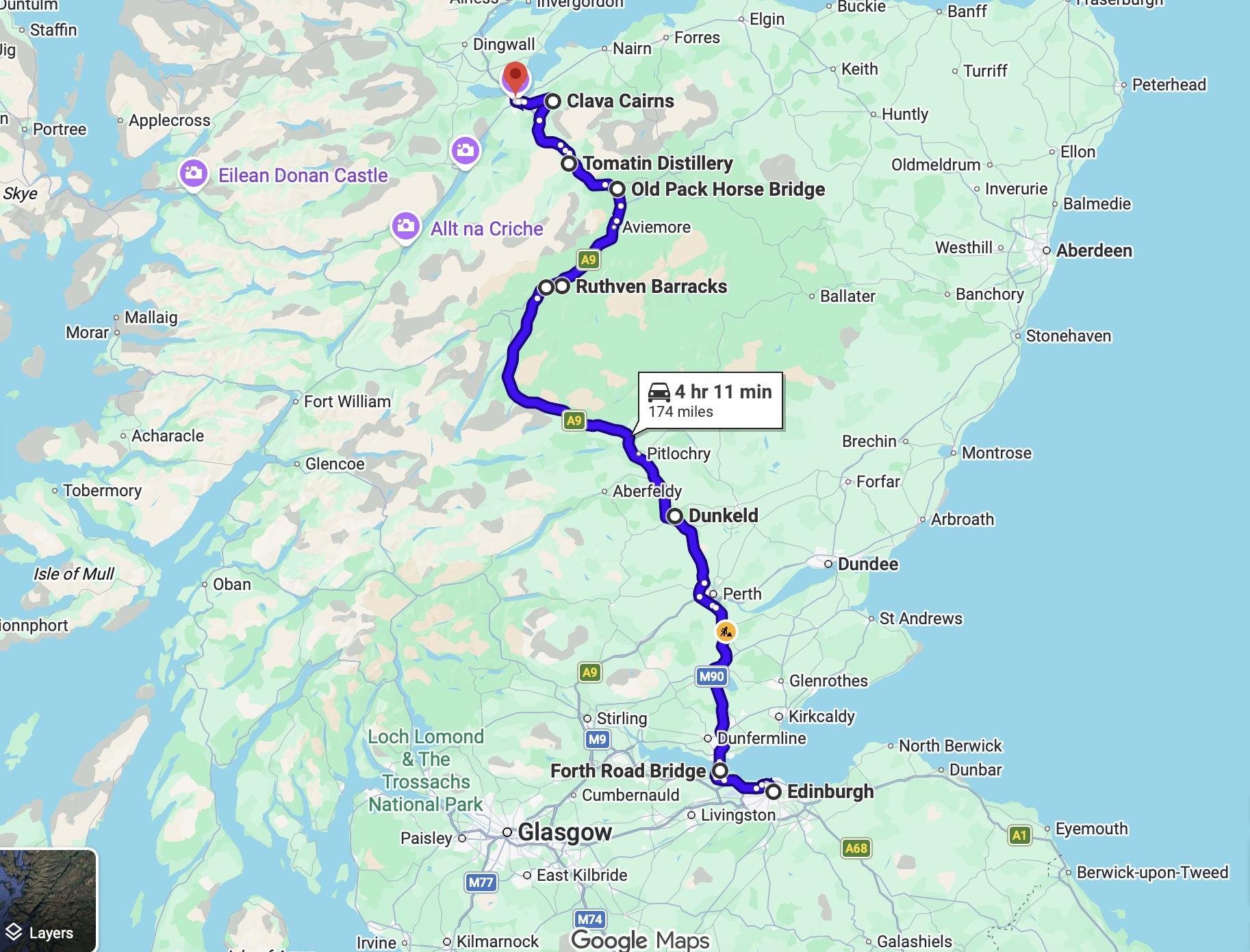
We left Edinburgh on a two-day Scottish Highland Coach Tour with Rabbie’s Tours visiting Forth Road Bridge, Dunkeld, Highland Folk Museum in the Cairngorms National Park, Ruthven Barracks, Carrbridge Packhorse Bridge, Tomatin Distillery and Balnuaran of Clava en route
It was just a five-minutes walk from the Travelodge to Gate K of Edinburgh Central Bus Station. Our 16-seater Rabbie’s Tours coach with driver-guide Simon, left the station at 08:45 on its long journey to Inverness. We were 14 in the tour group including holidaymakers from Malaysia, Nepal and the United States.
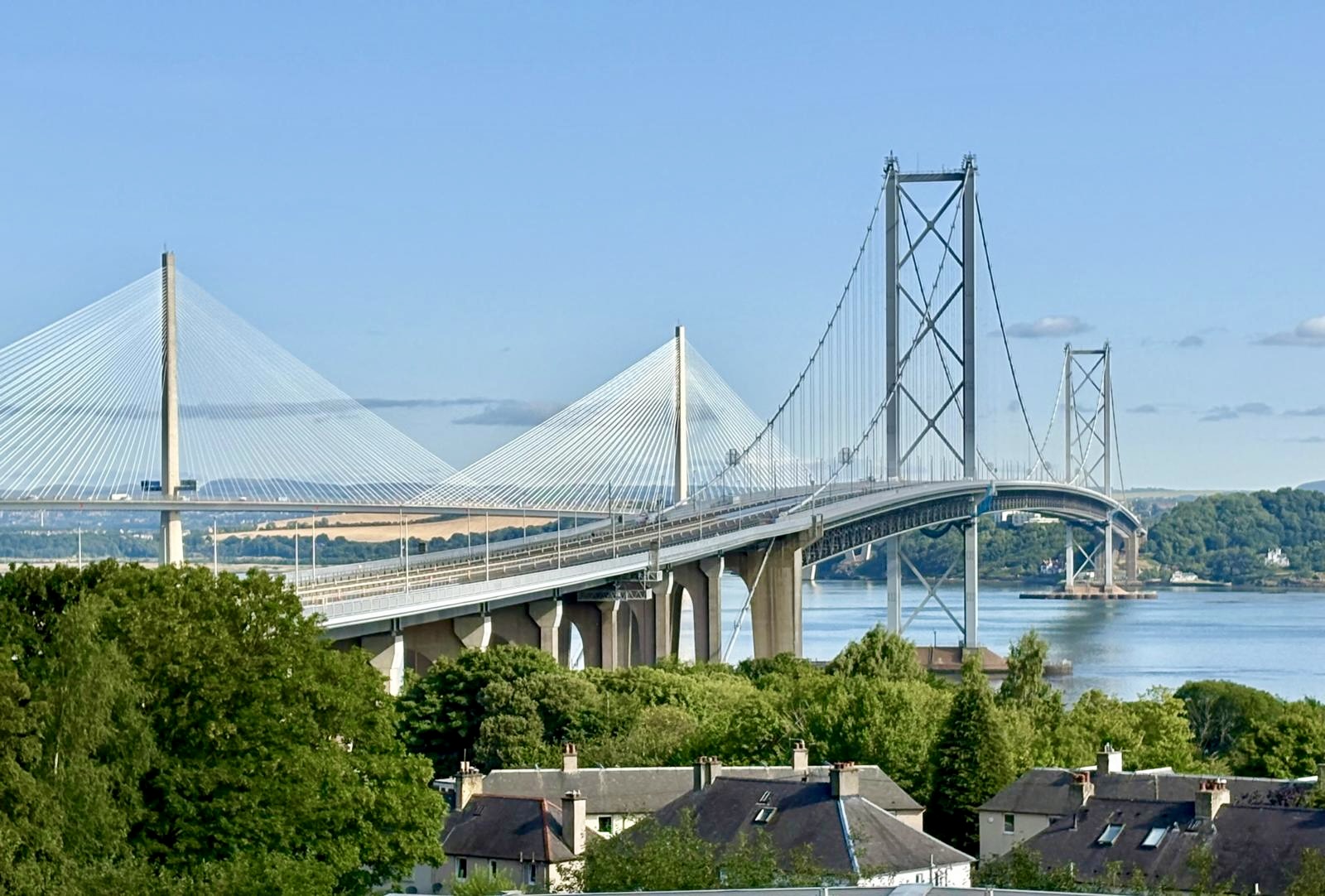
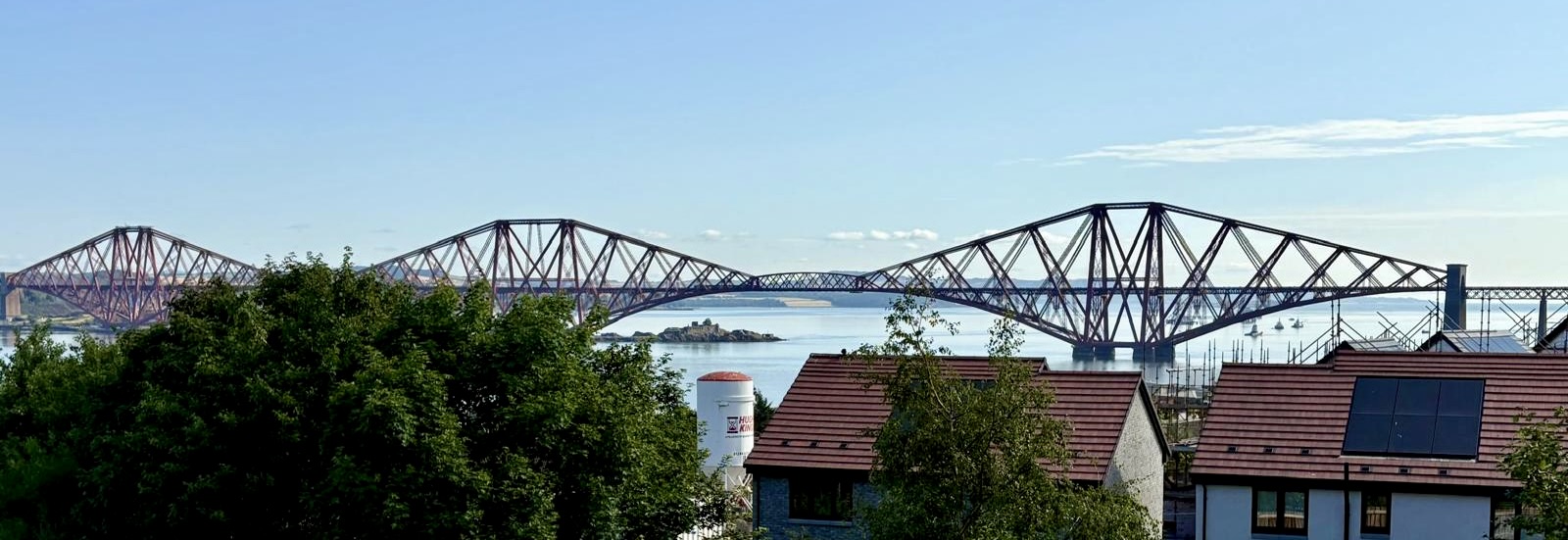
Forth Road Bridge
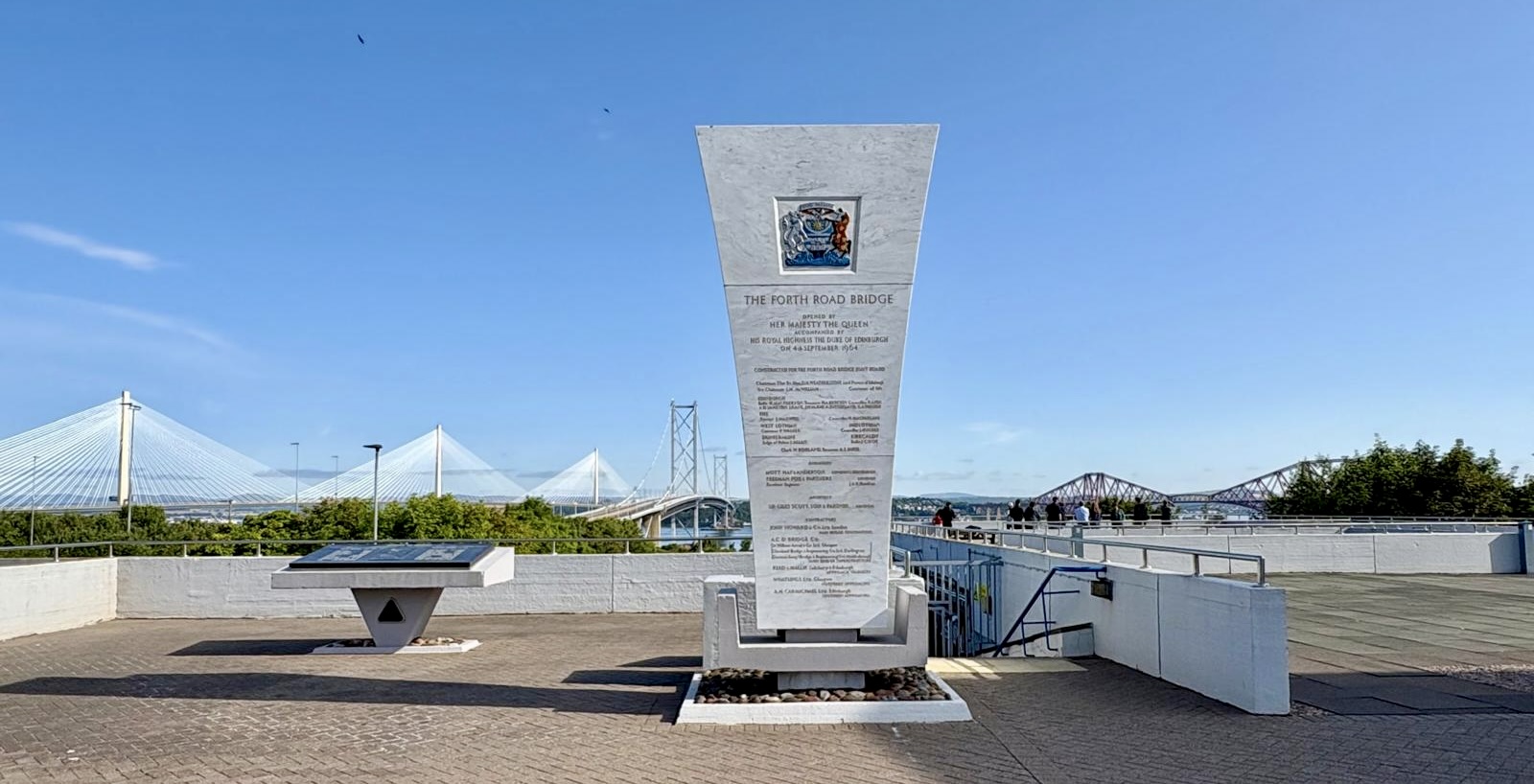
The first stop was at the 2.5 kilometers long Forth Road Bridge across the Firth of Forth, connecting Edinburgh to Fife.
Dunkeld
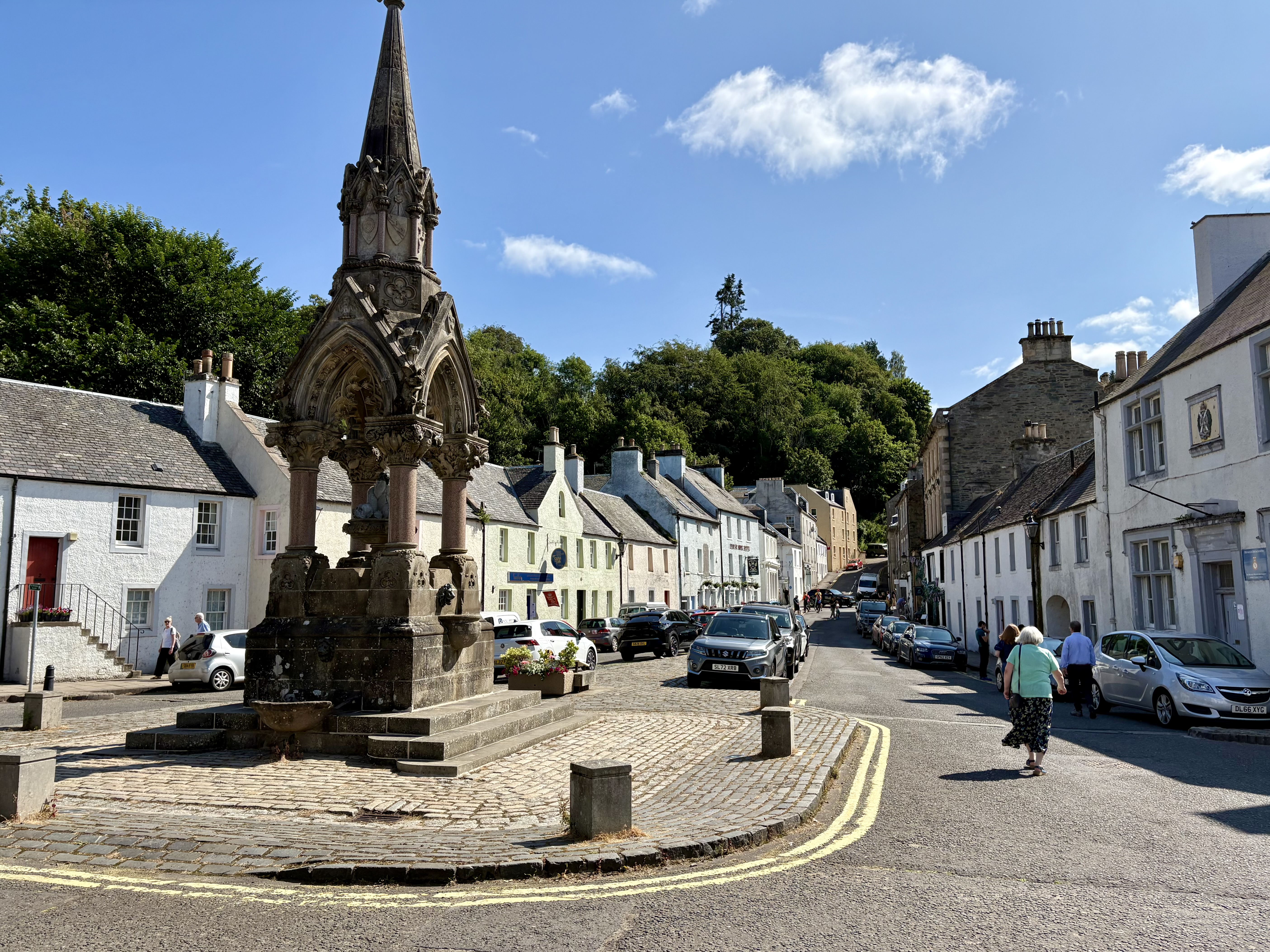
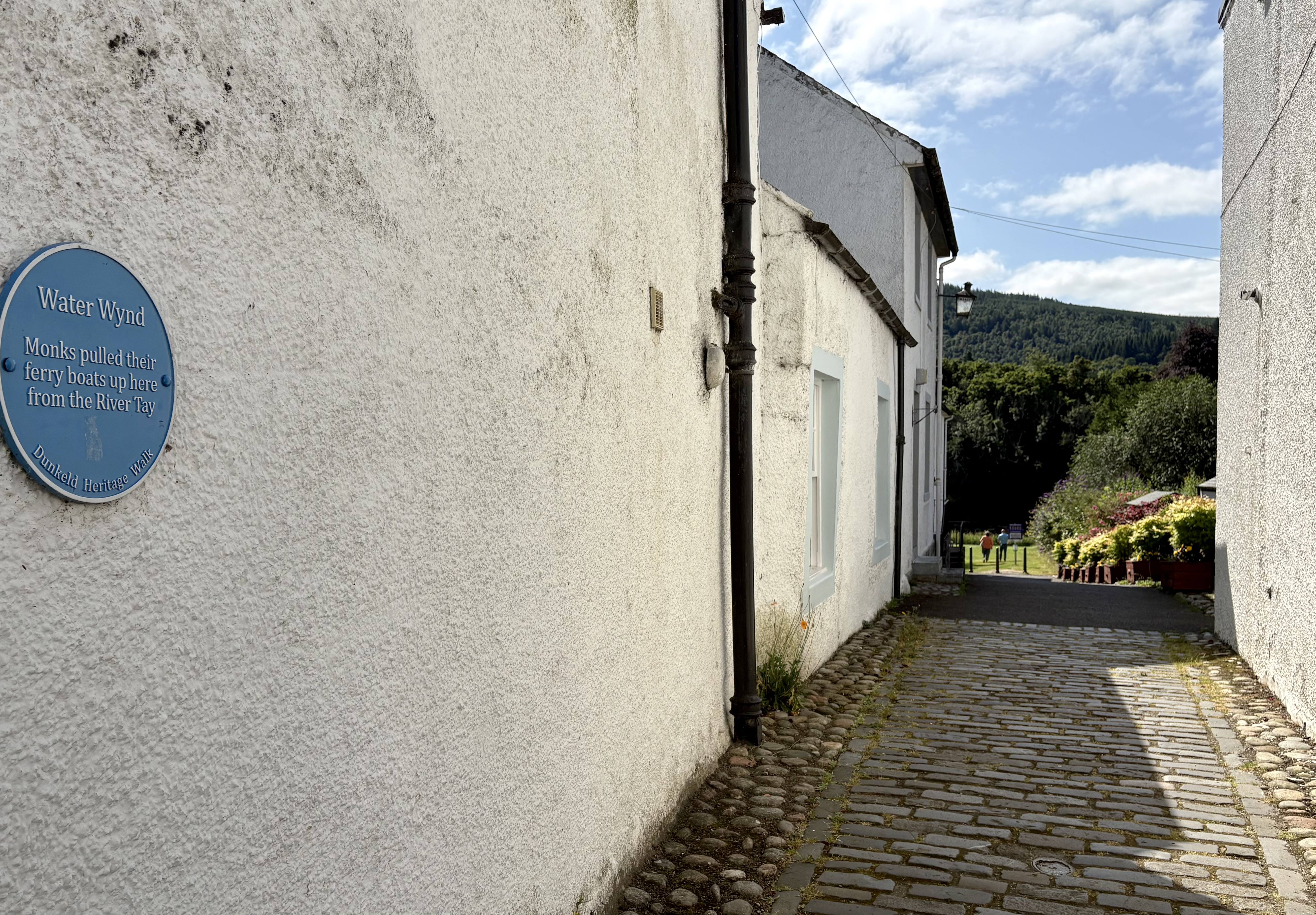
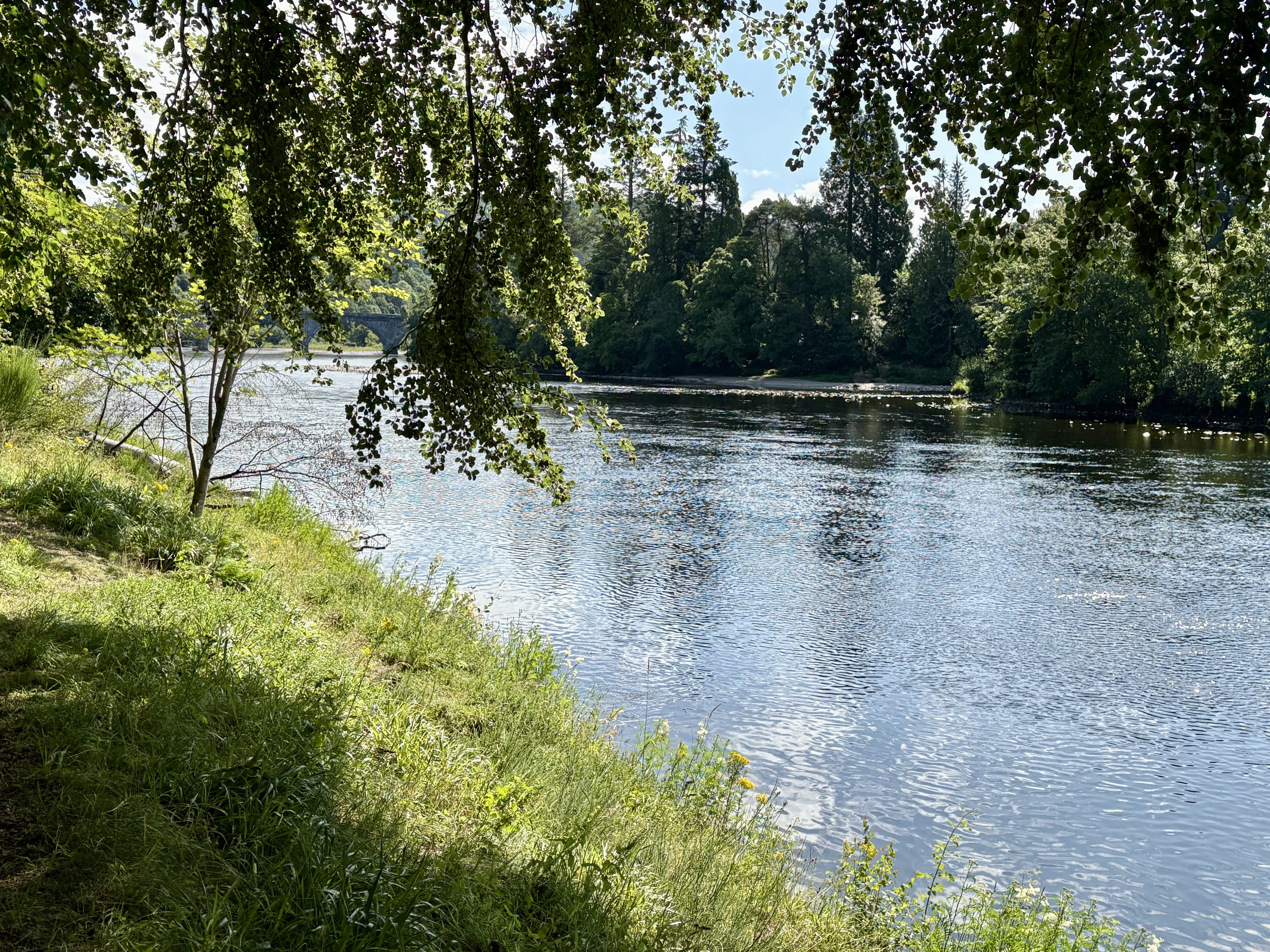
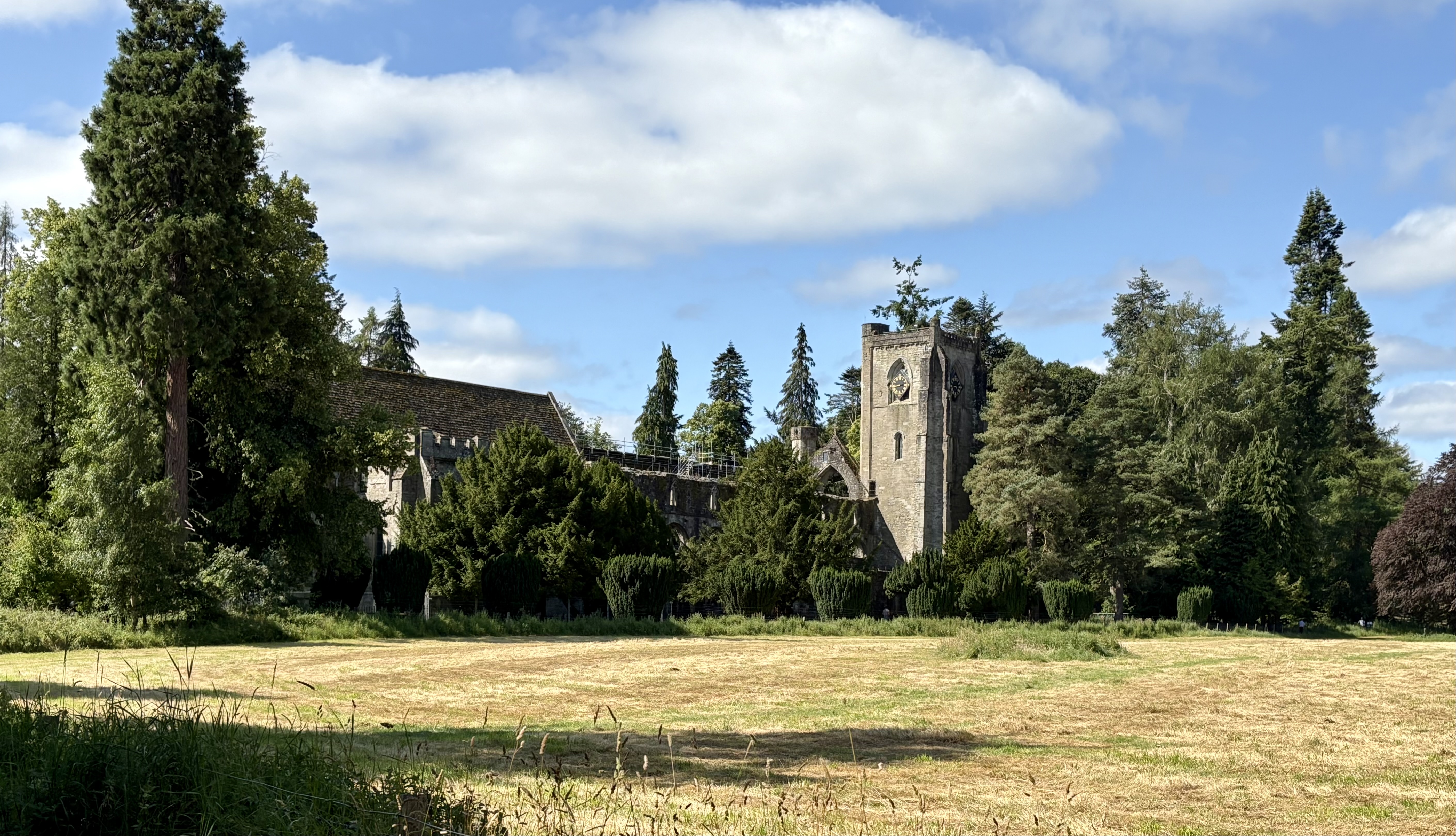
We made a brief stop at Dunkeld, an historic and scenic town in Perth and Kinross, known for Dunkeld cathedral, The Hermitage, and its riverside setting on the River Tay. Located about 15 miles north of Perth, it serves as a gateway to the Highlands.
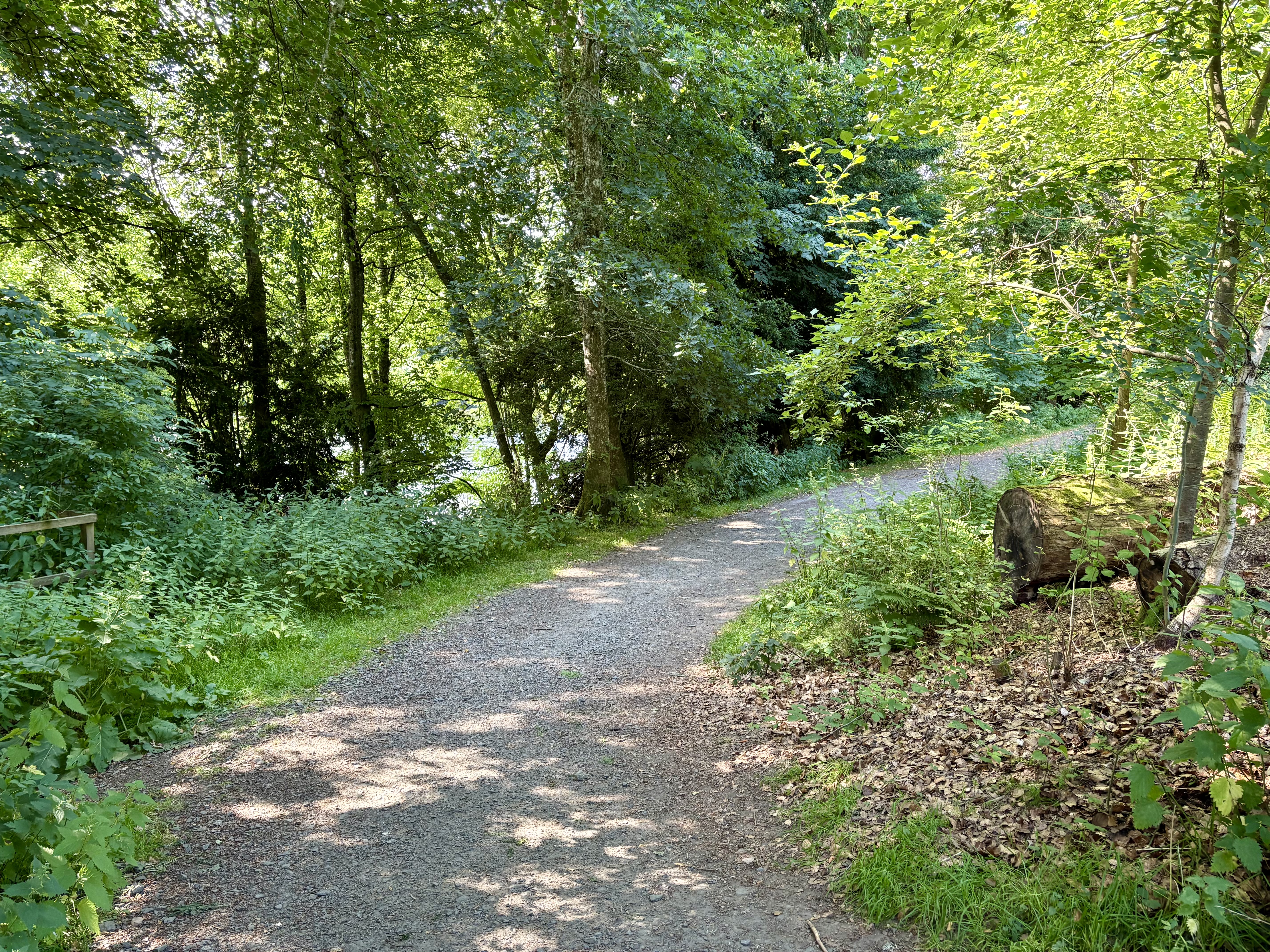
We walked through the little town, sampled The Hermitage – a National Trust for Scotland woodland area featuring towering Douglas fir trees, scenic walking paths and Dunkeld Cathedral, a striking historic site dating back to 1318, featuring restored choir sections used as the local parish church alongside atmospheric medieval ruins.
Highland Folk Museum
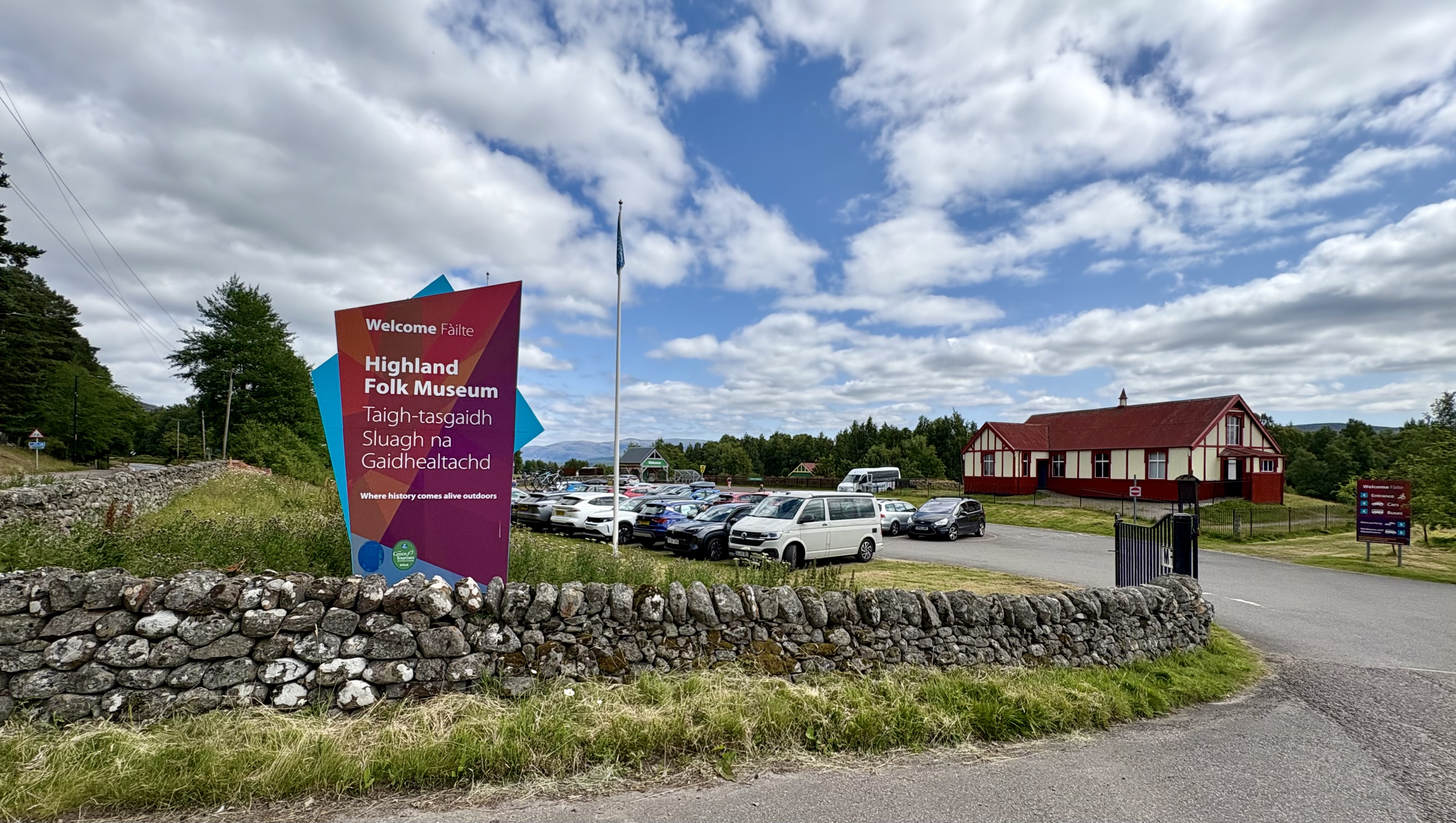
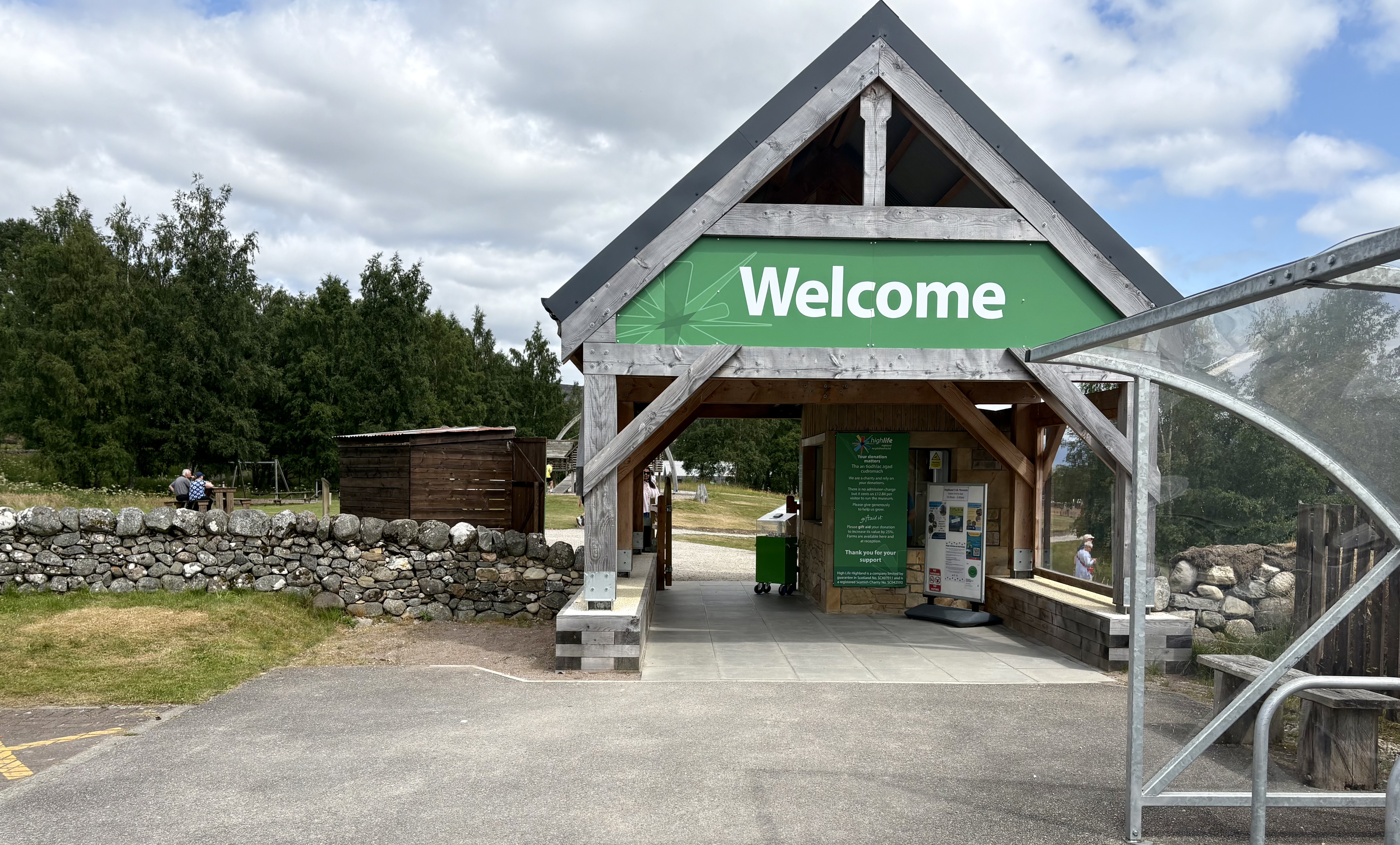
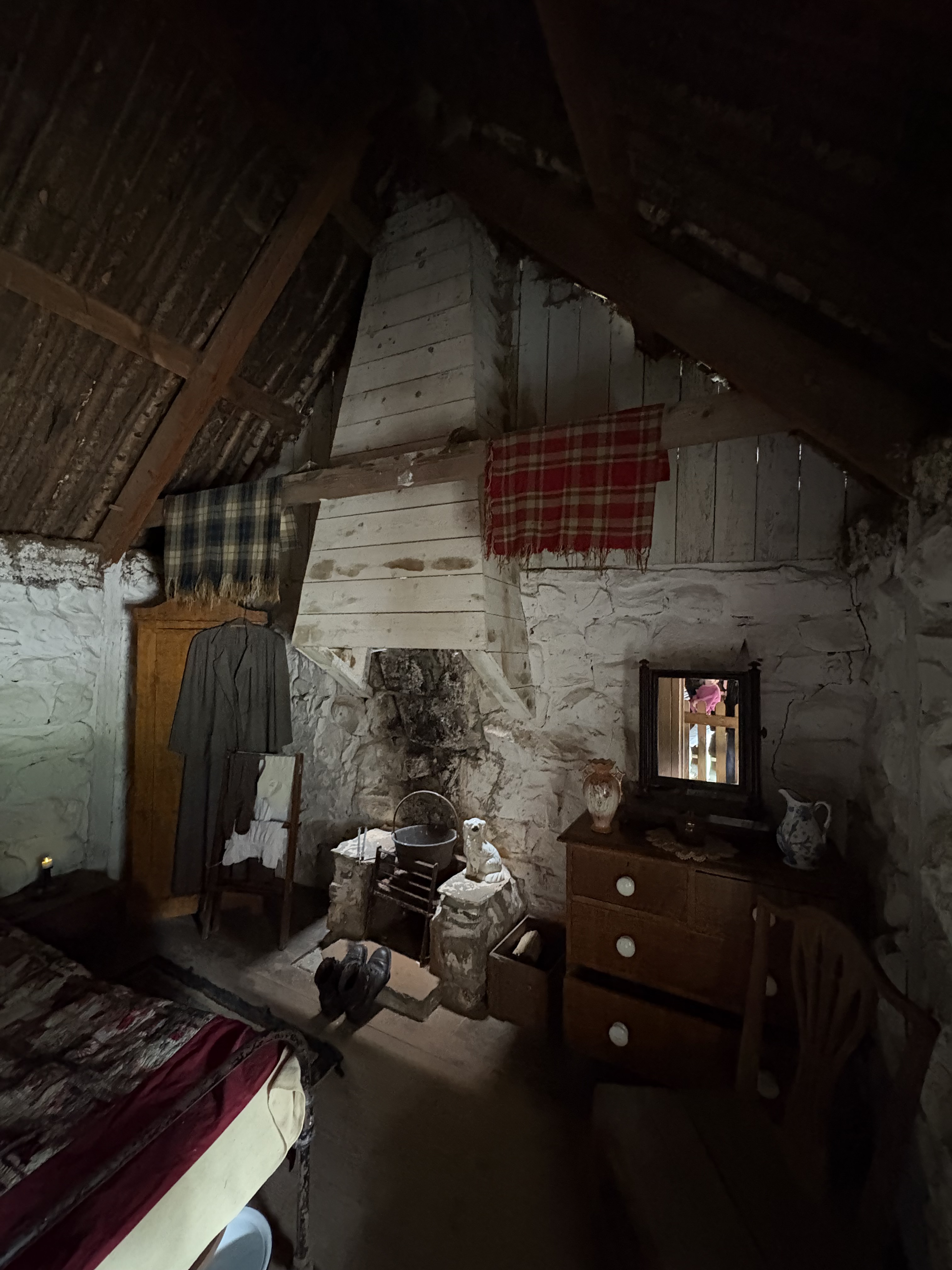
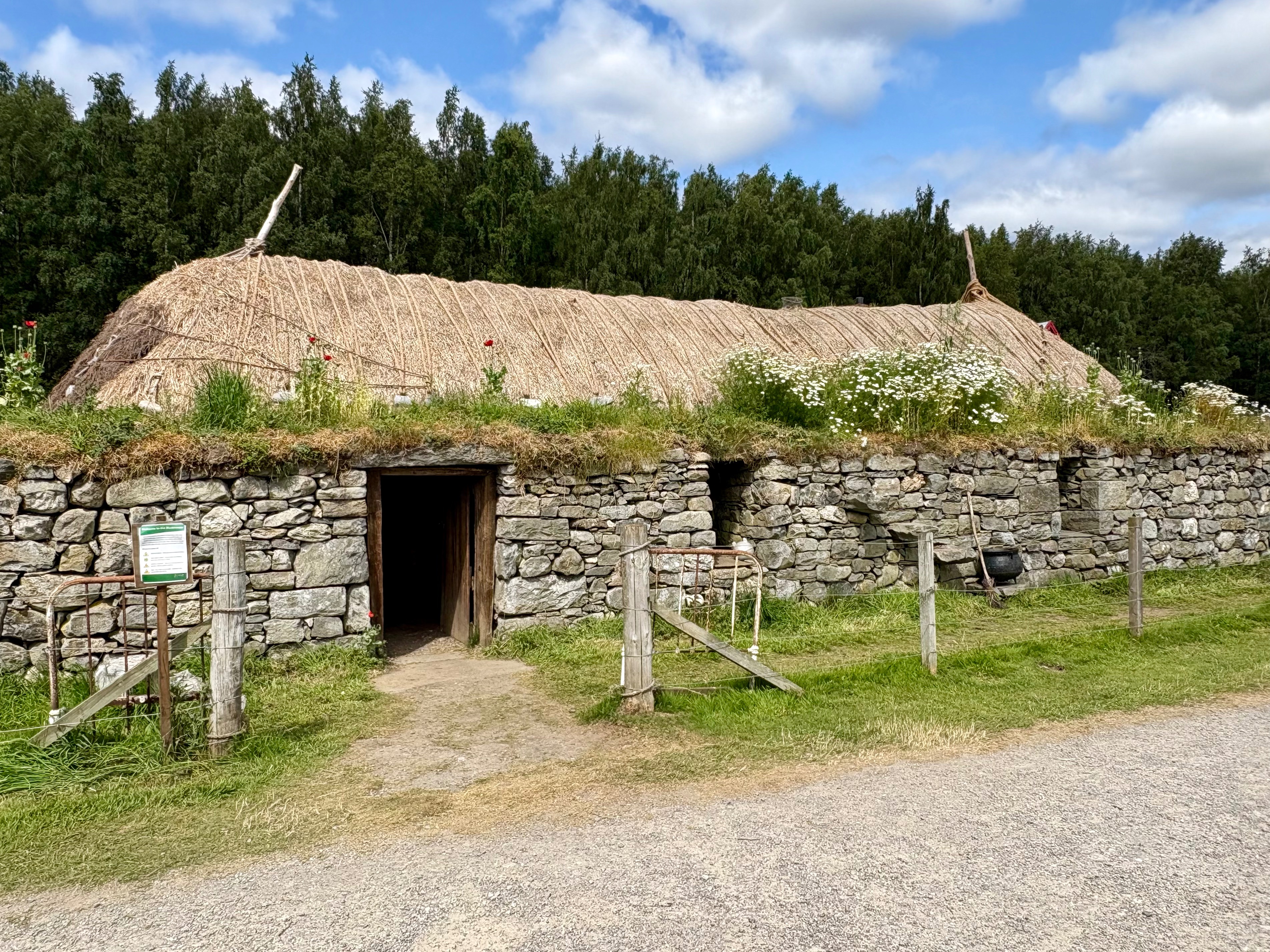
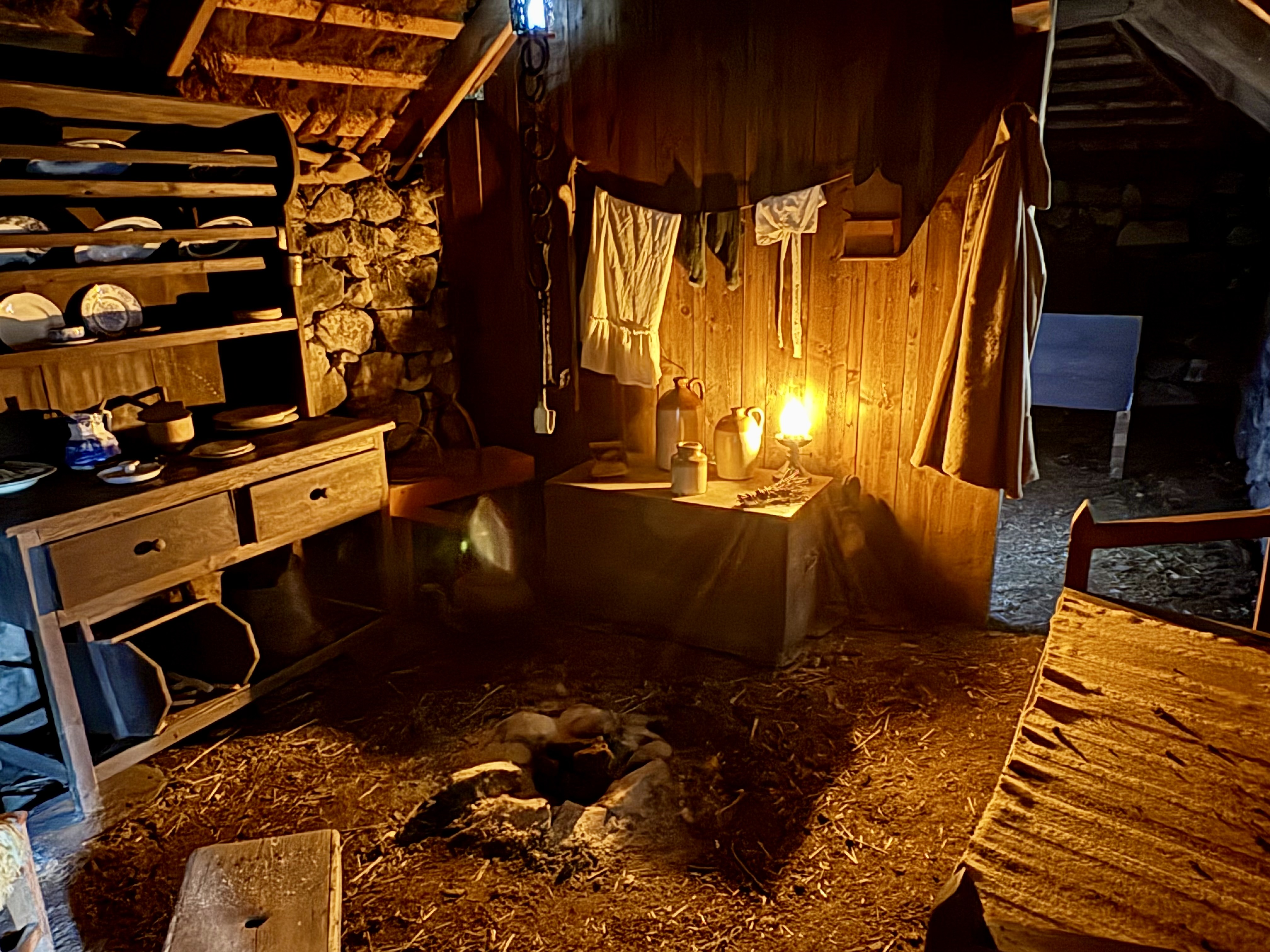
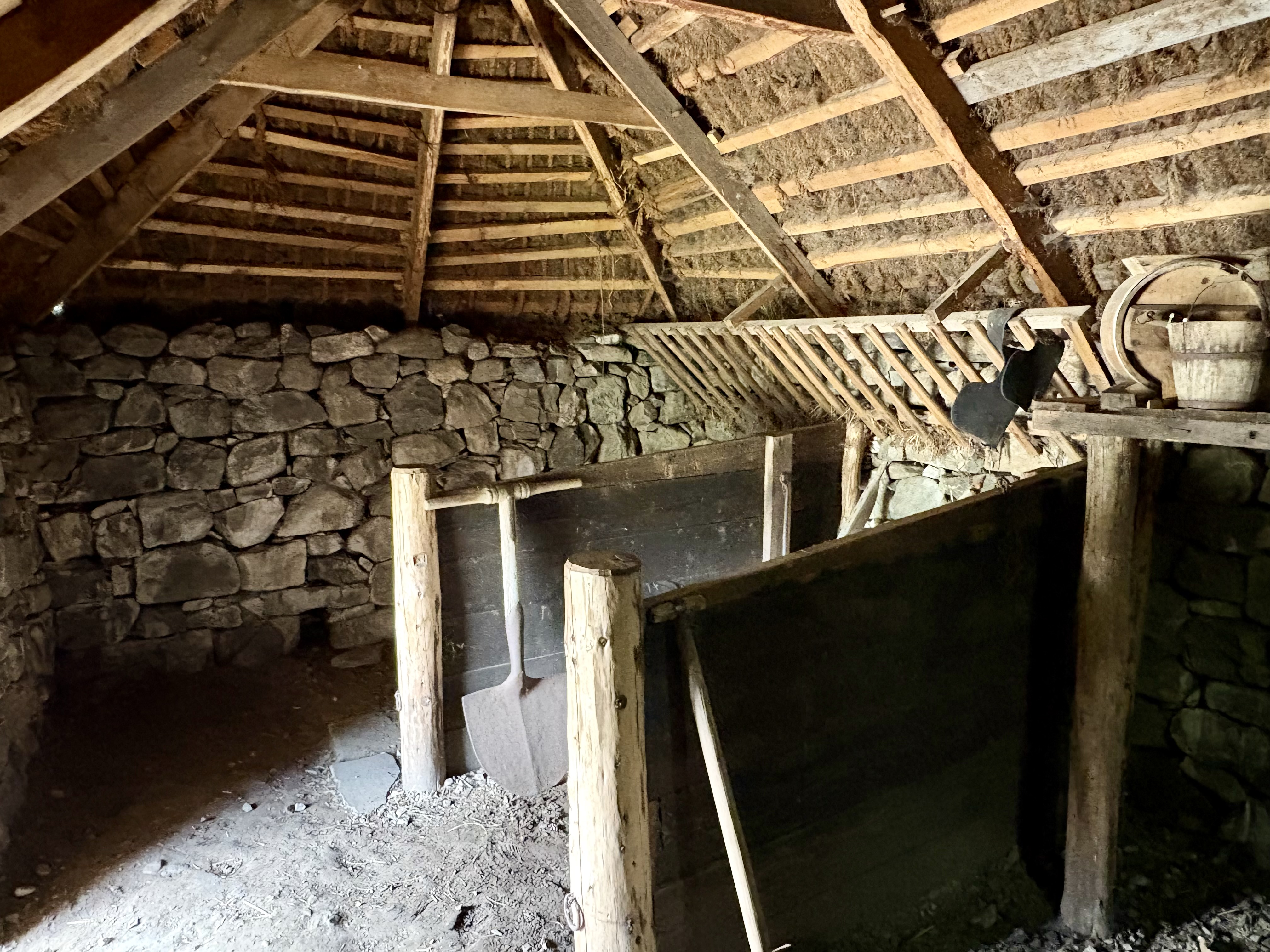
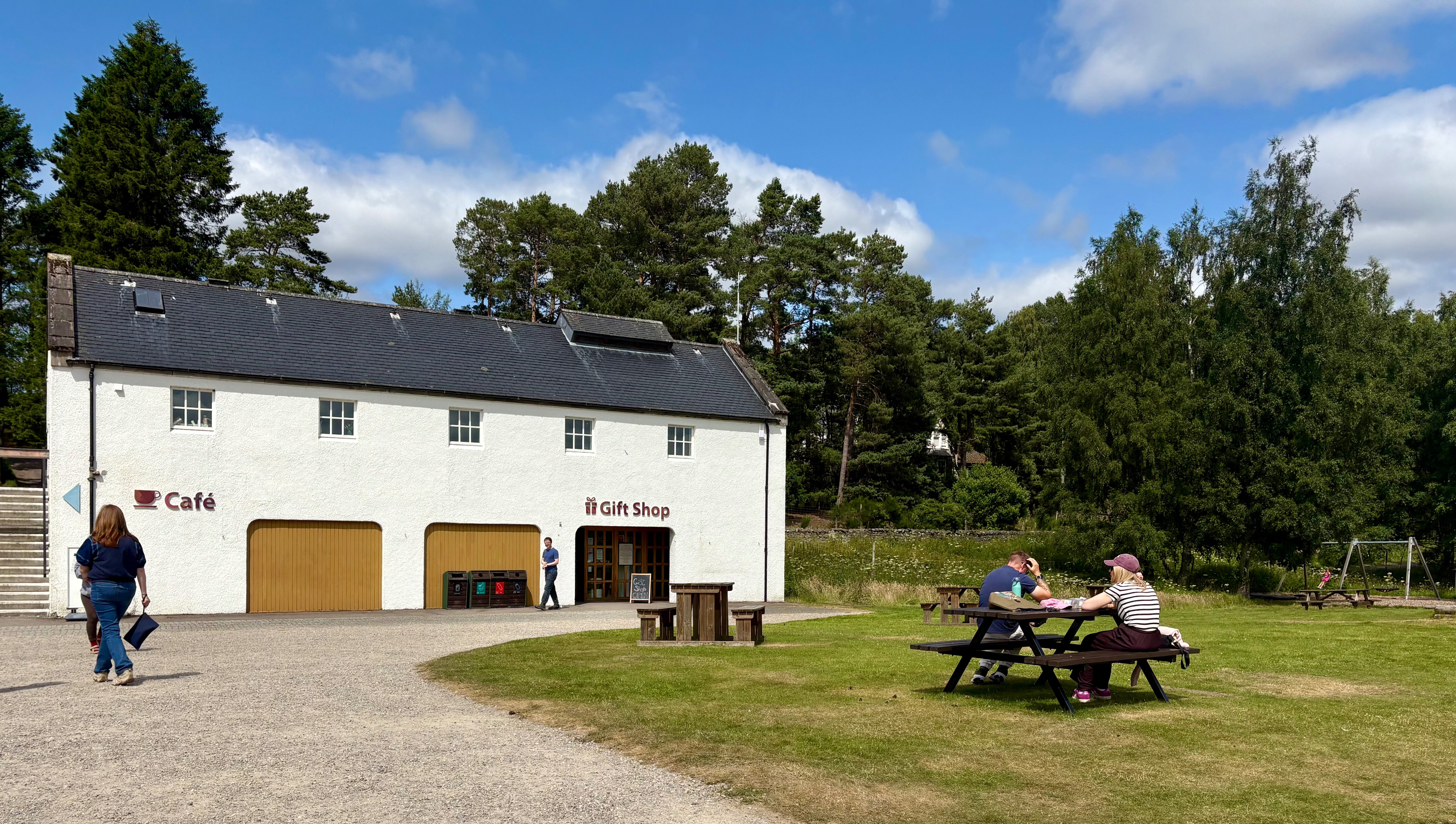
We drove on to Newtonmore in the Cairngorms National Park to visit the Highland Folk Museum, an open-air living history museum featuring over 35 historical buildings, costumed guides, and exhibits showing everyday life in the Scottish Highlands from the 1700s to the mid-1900s. The museum is free to enter, though donations are welcome to support the site’s upkeep.
The reconstructed heather-thatched turf houses with open peat fires were famously featured in the TV show Outlander.
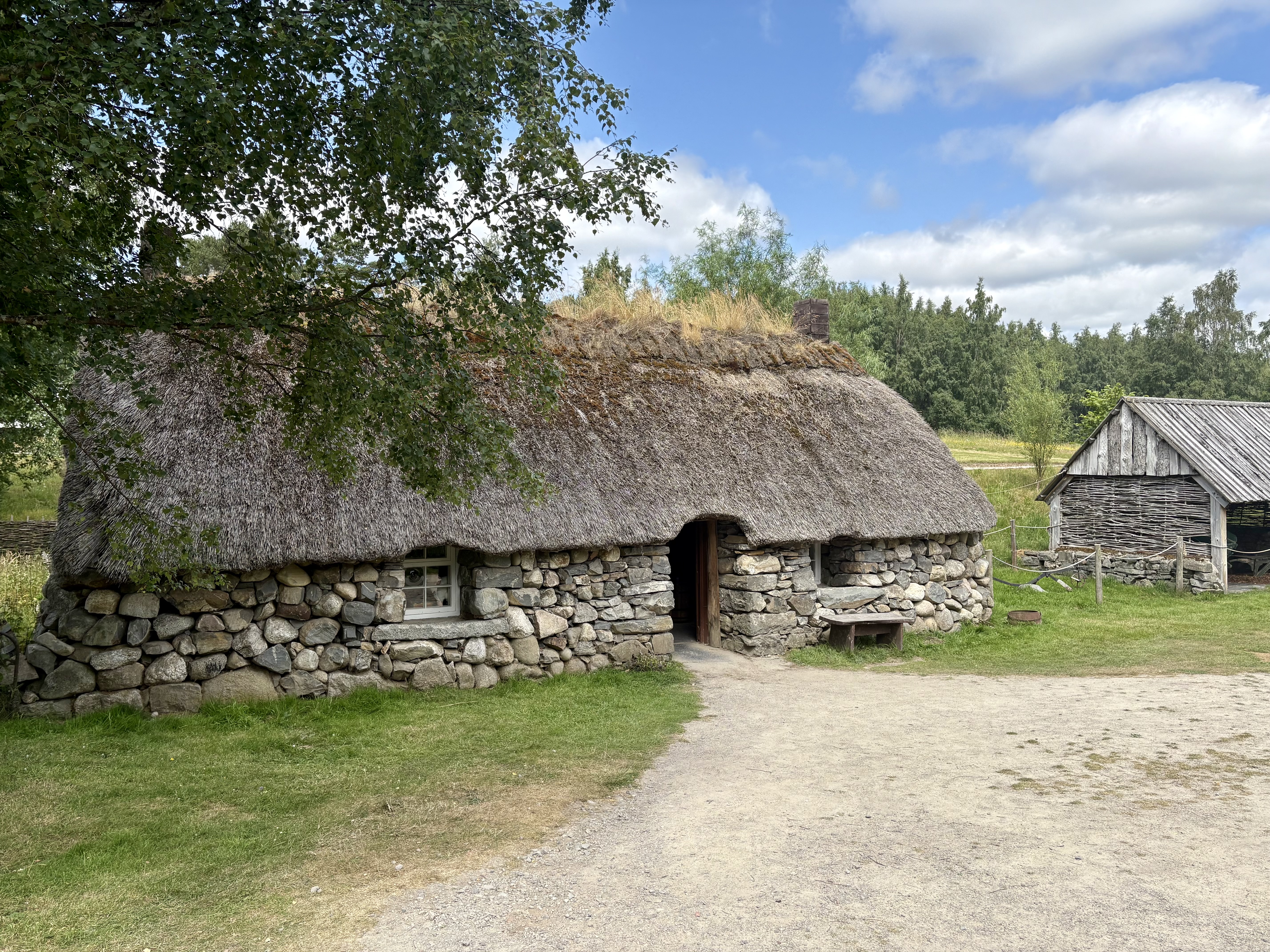
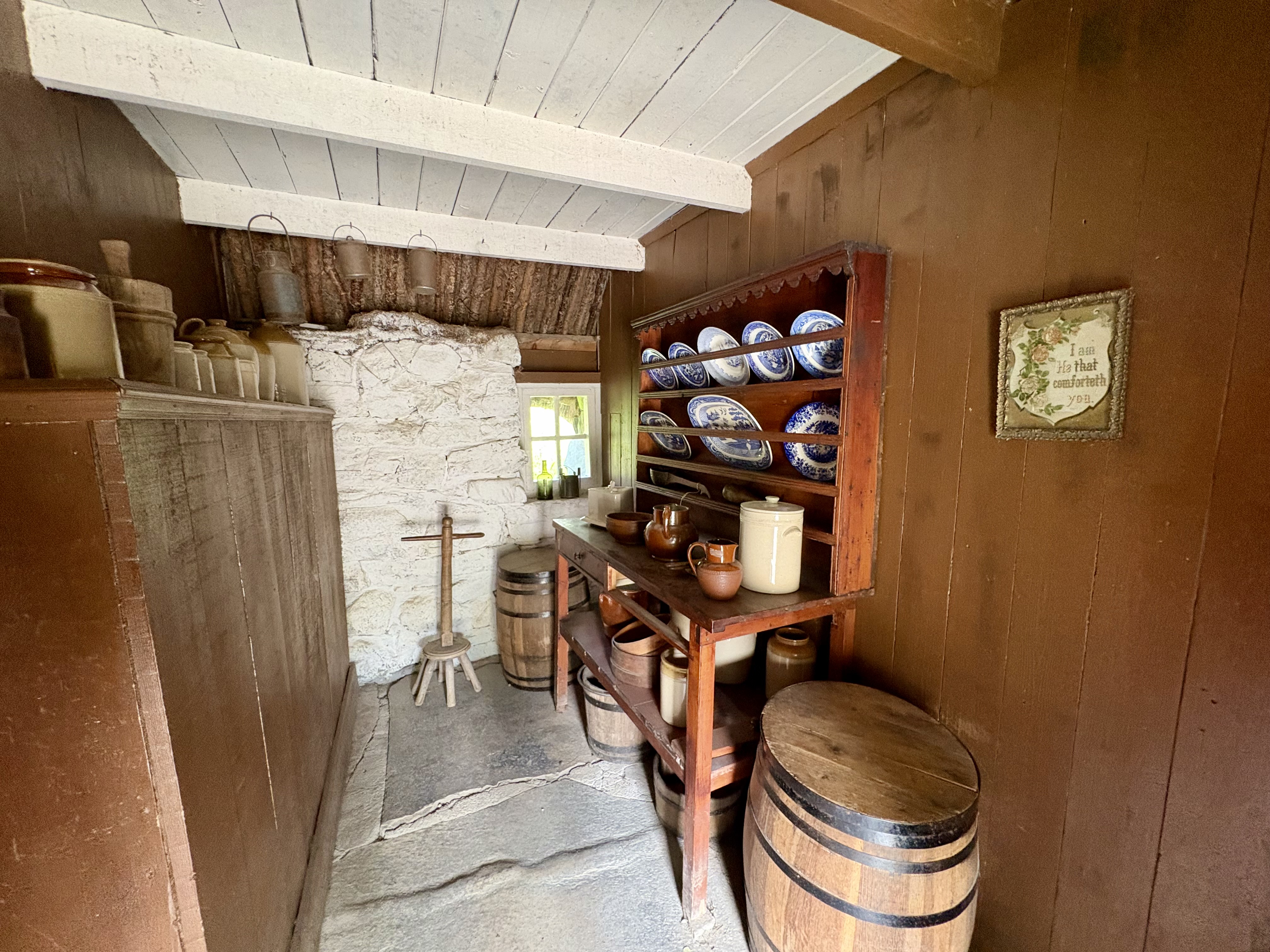
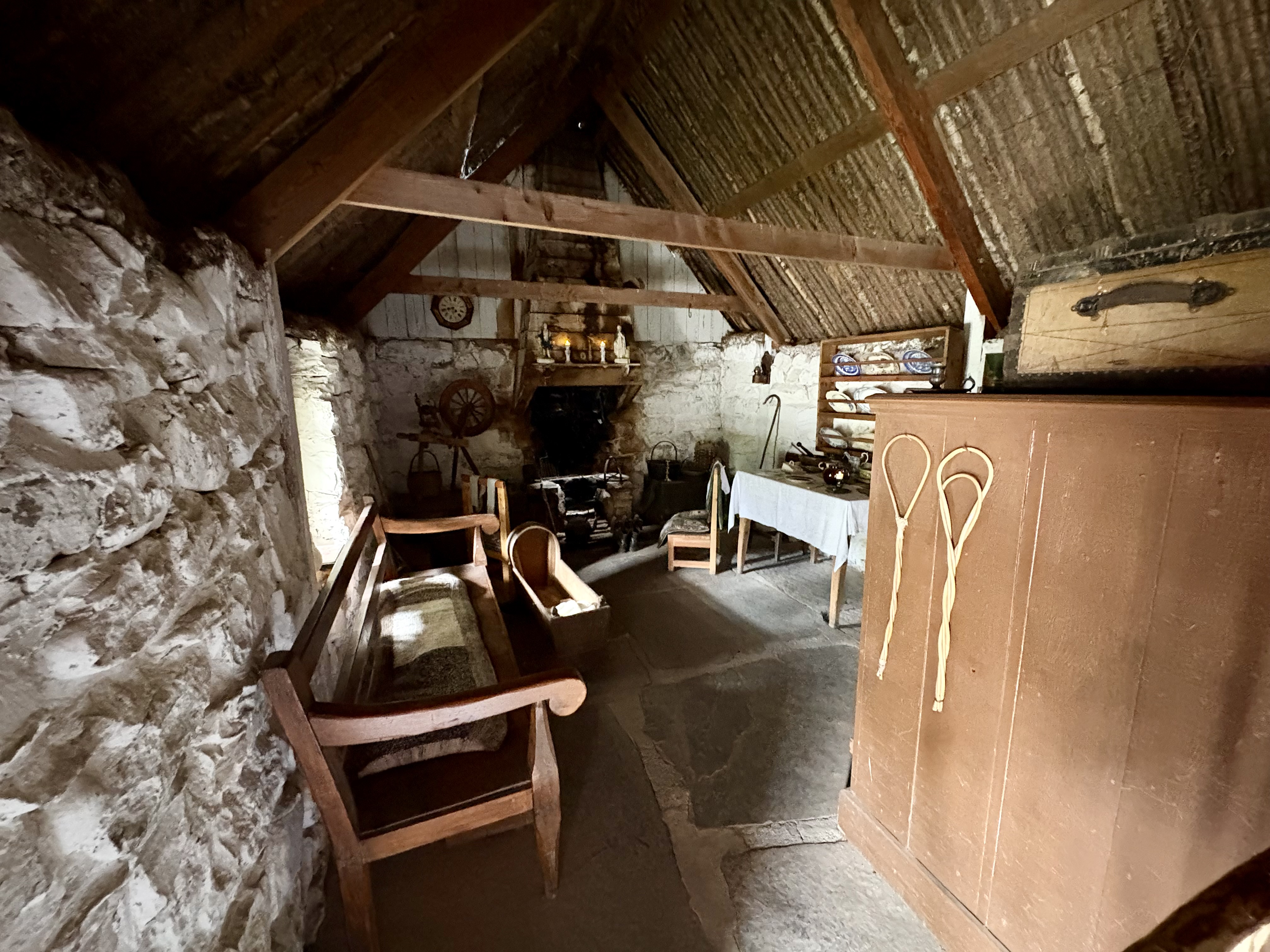
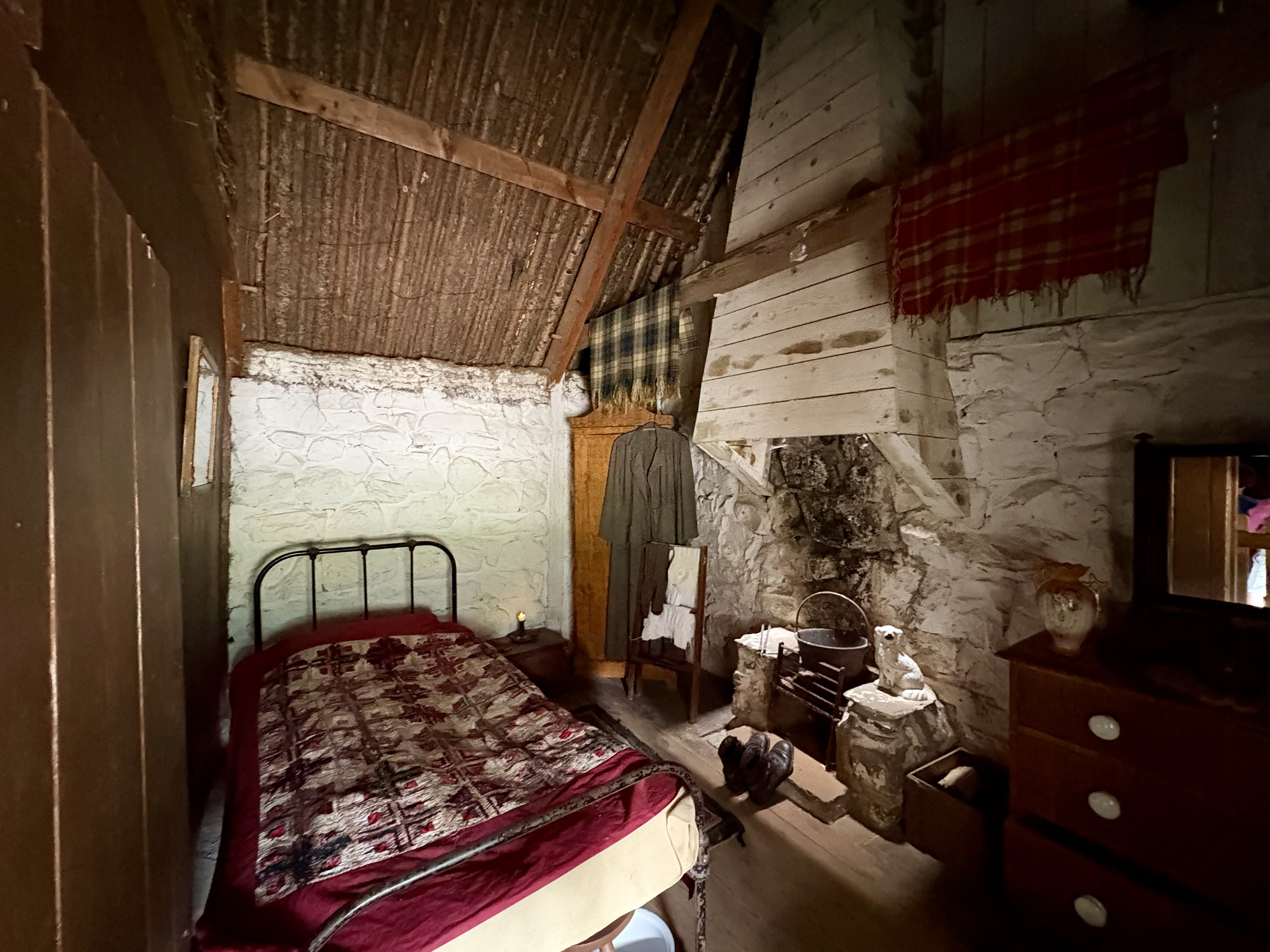
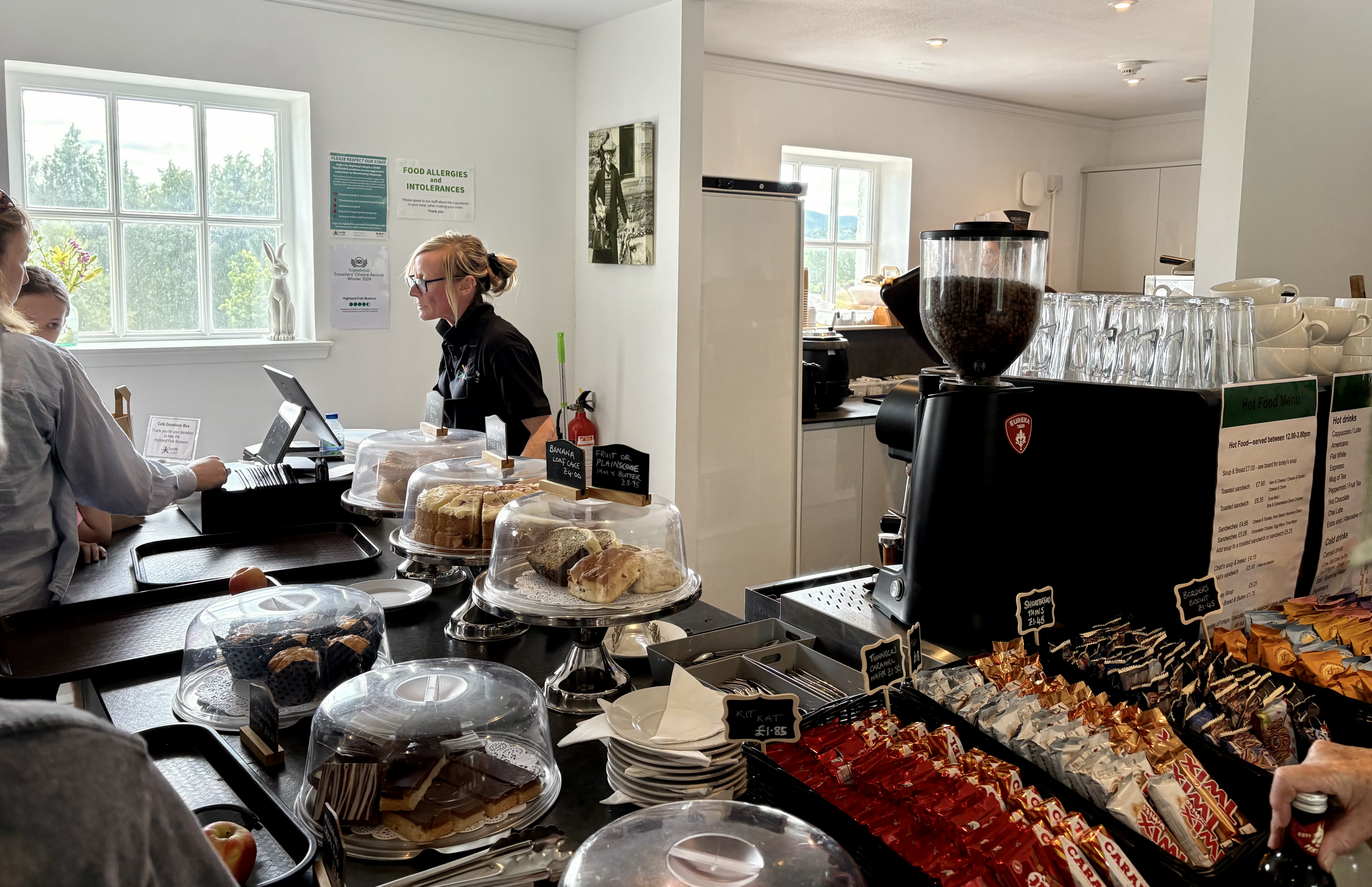
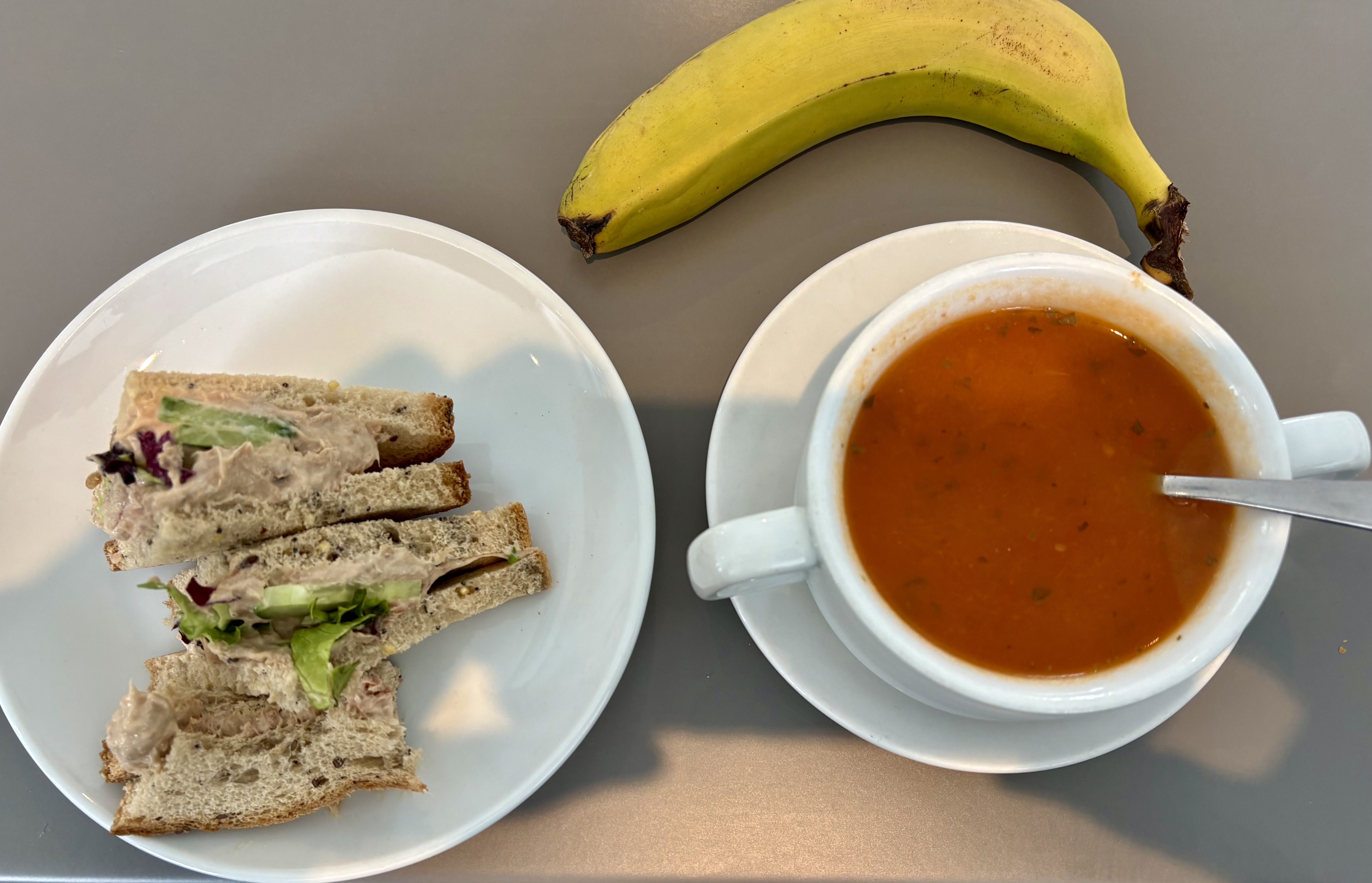
We had a light lunch at the onsite cafe of the museum. It offers indoor seating and a takeaway menu of soups, sandwiches, cakes, and hot or cold beverages. The tomato & basil soup and tuna sandwiches with gluten free bread were excellent.
Ruthven Barracks
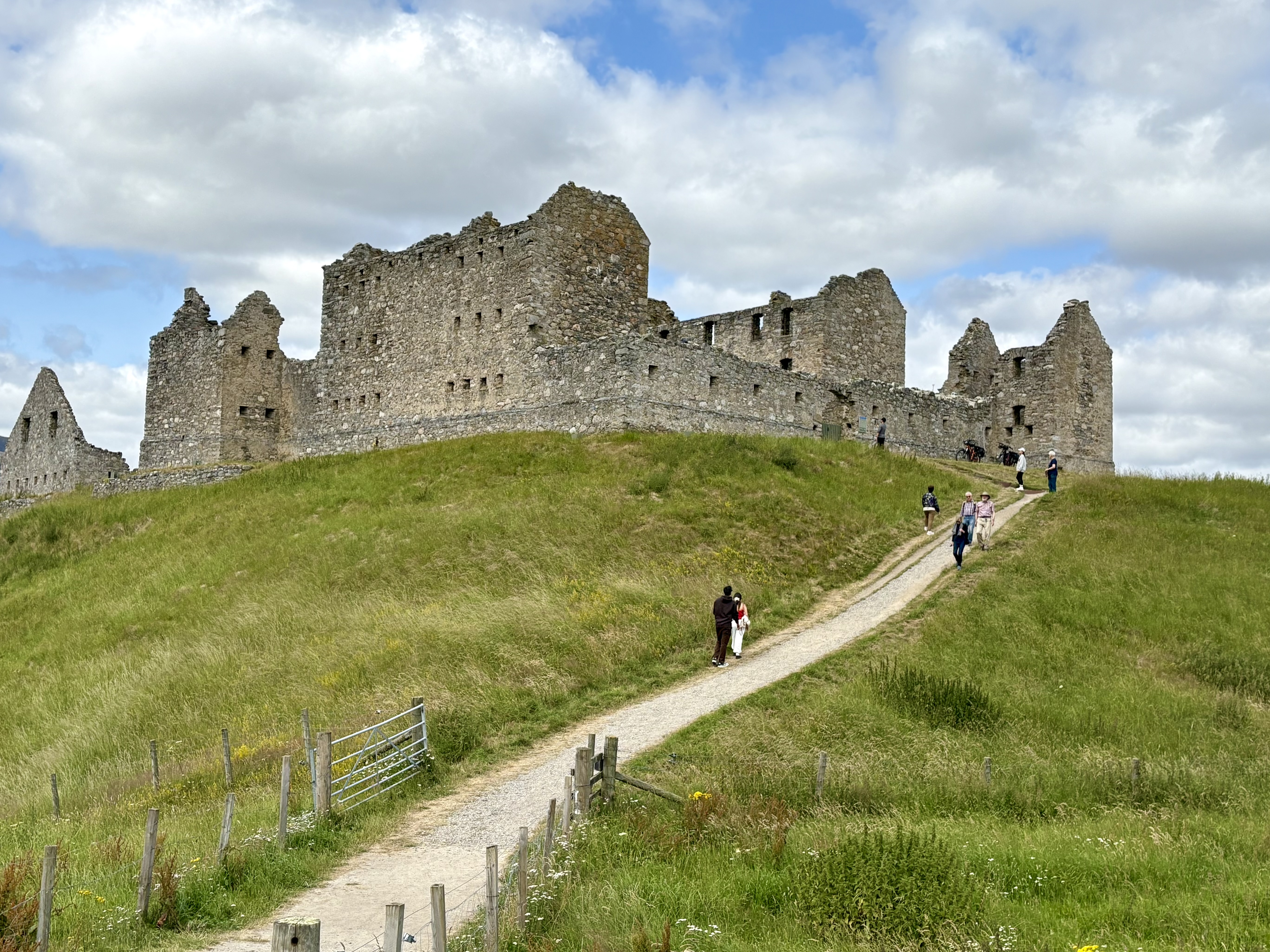
We made a brief stop at Kingussie in the highlands to see Ruthven Barracks built in 1719 by the government to control the Highlands. The barracks were burned down by retreating Jacobites after the Battle of Culloden in 1746 when British government forces decisively defeated the Jacobite army.
Carrbridge Packhorse Bridge
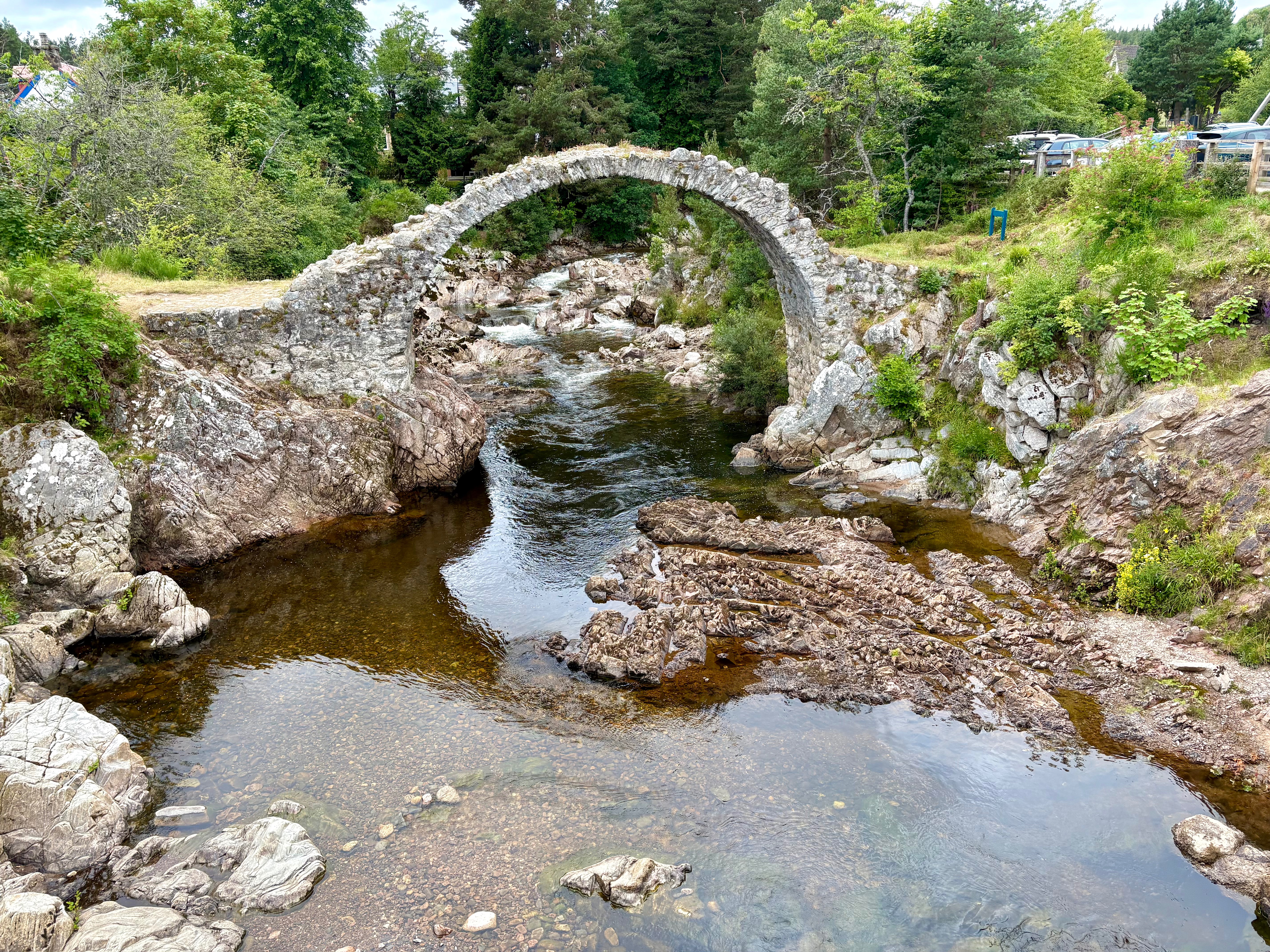
We drove past Carrbridge Packhorse Bridge, built in 1717, is the oldest stone bridge in the Highlands of Scotland. With its distinctive arch spanning the River Dulnain, it stands as a remarkable example of historic engineering and a beloved local landmark. It is also known as Coffin Bridge and was built to allow funeral processions to reach Duthil Church by crossing the River Dulnain.
Tomatin Distillery
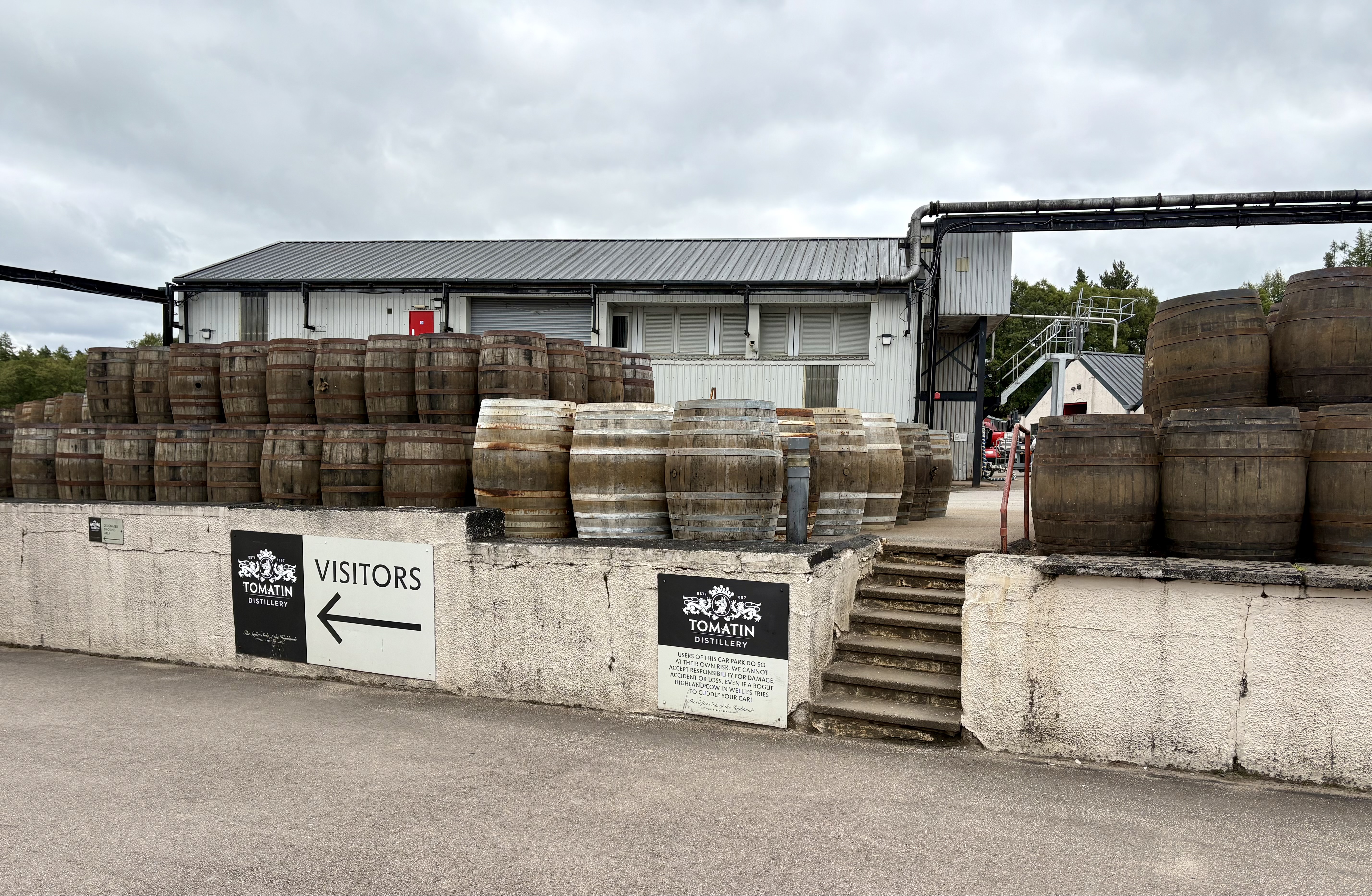
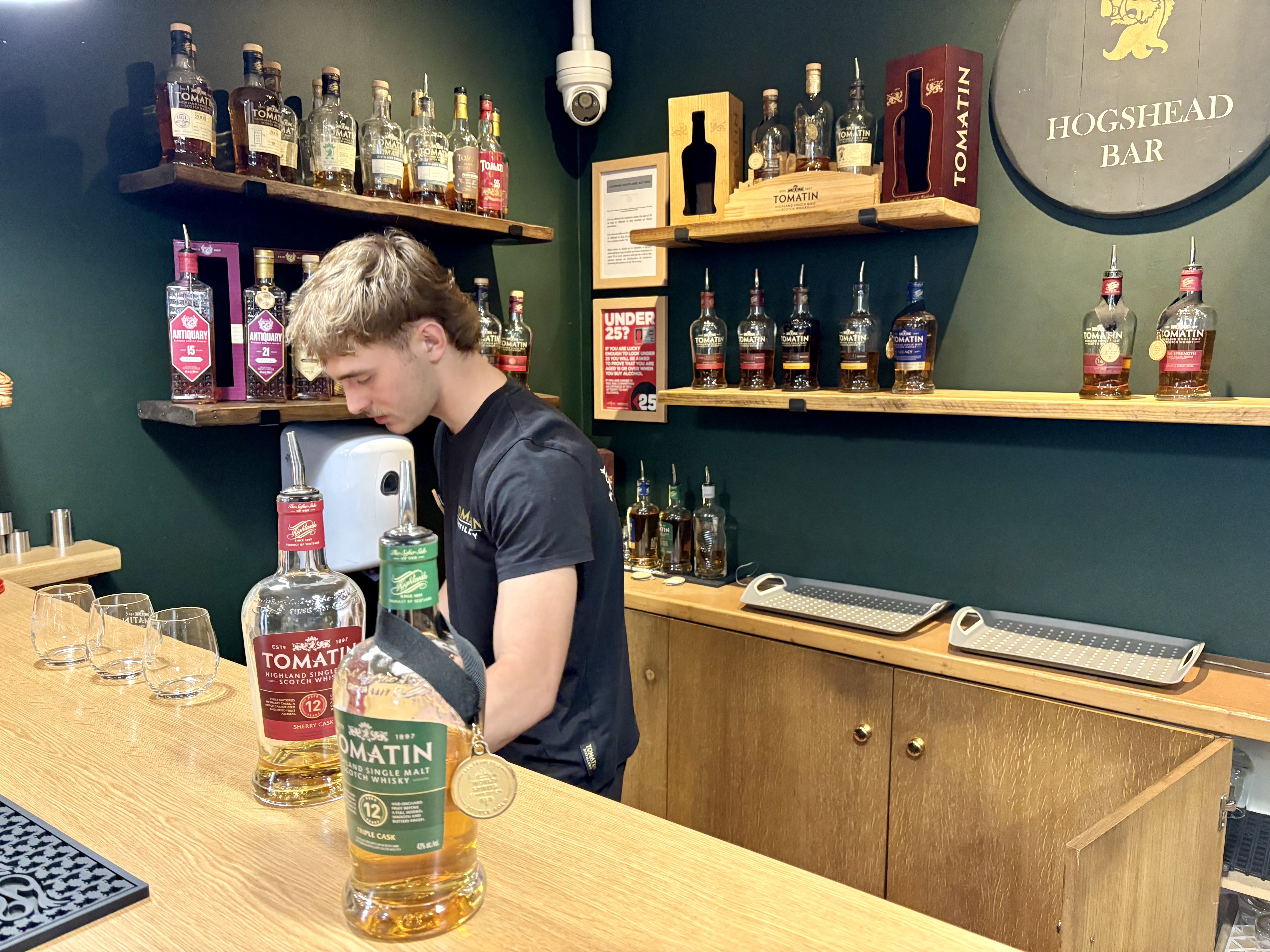
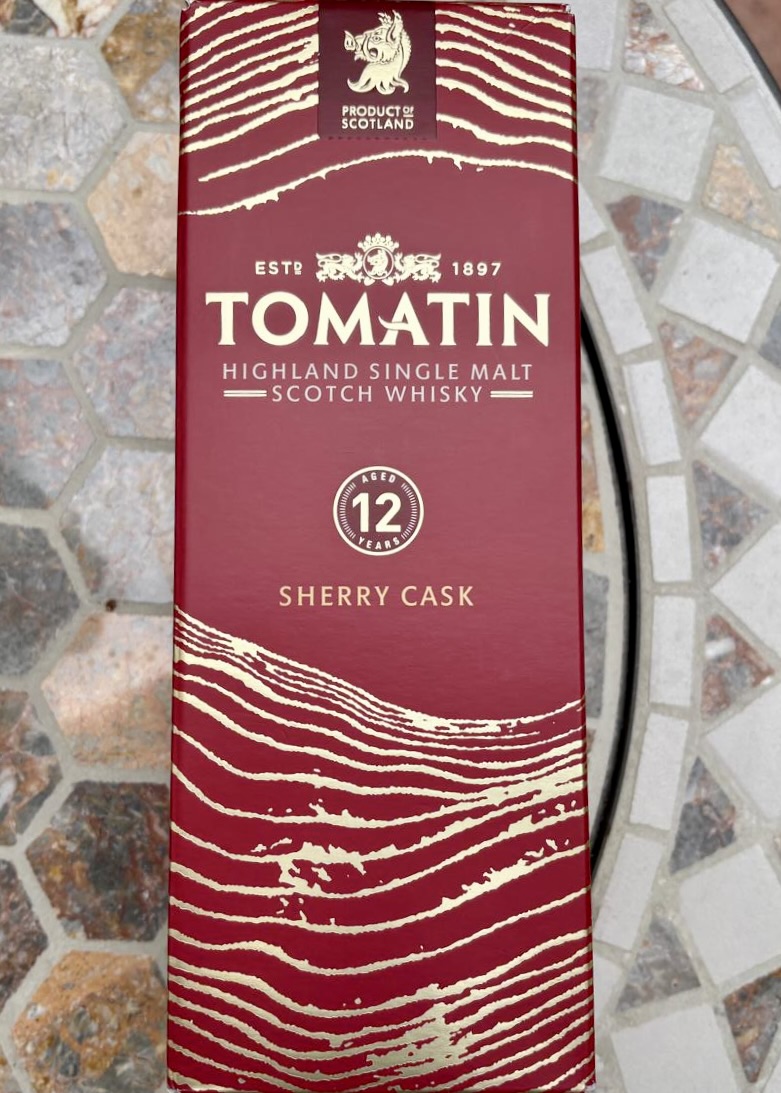
In the Highland village of Tomatin, we visited the Tomatin Distillery to taste and buy quality single malt whiskey aged in sherry barrels. We tasted two 12 year old malts at the tasting counter with a young but knowledgeable bar tender. He refused payment for the tasting. I bought a bottle of 14 Year Old Single Malt aged in Oloroso casks for £54.
Balnuaran Of Clava
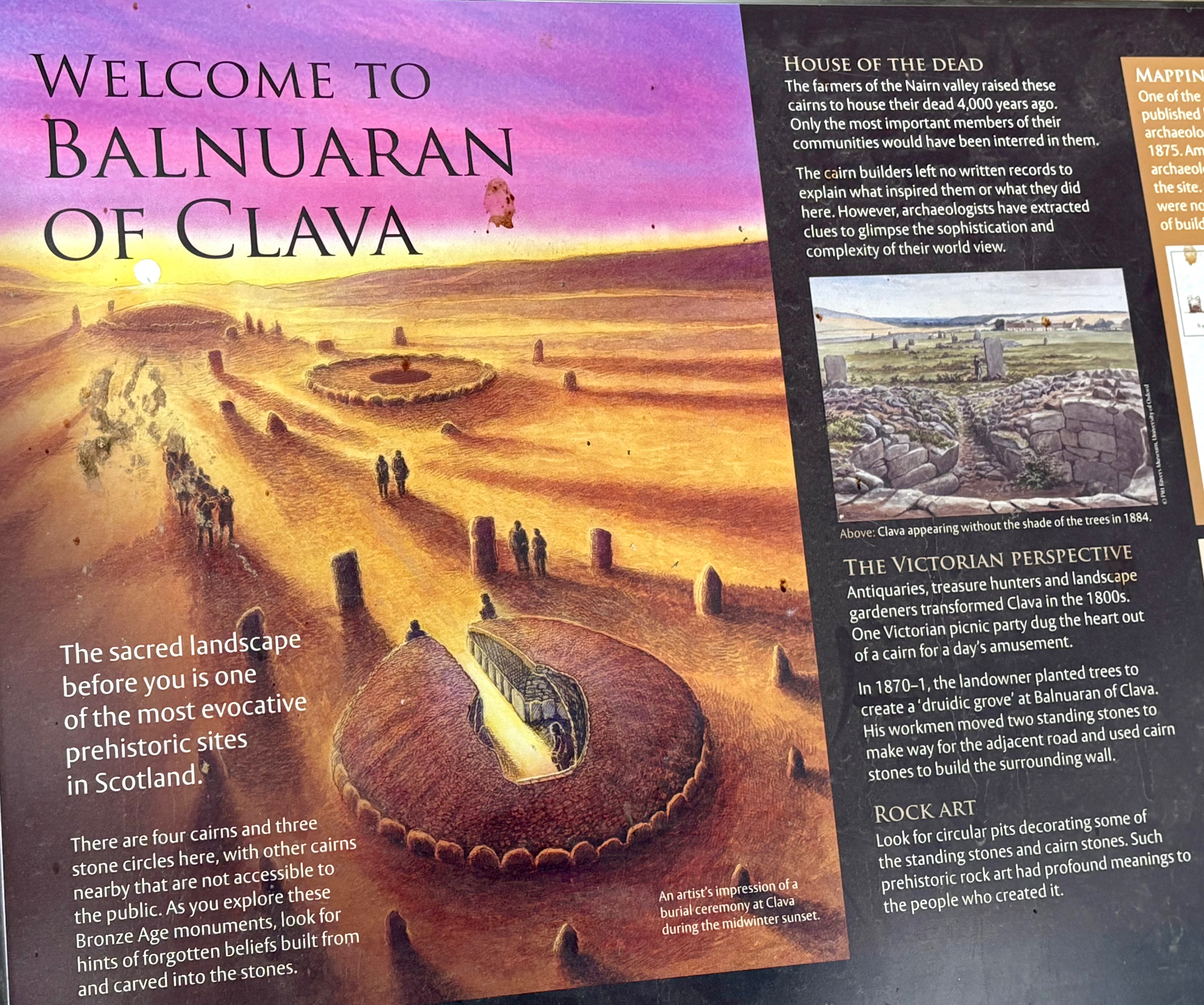
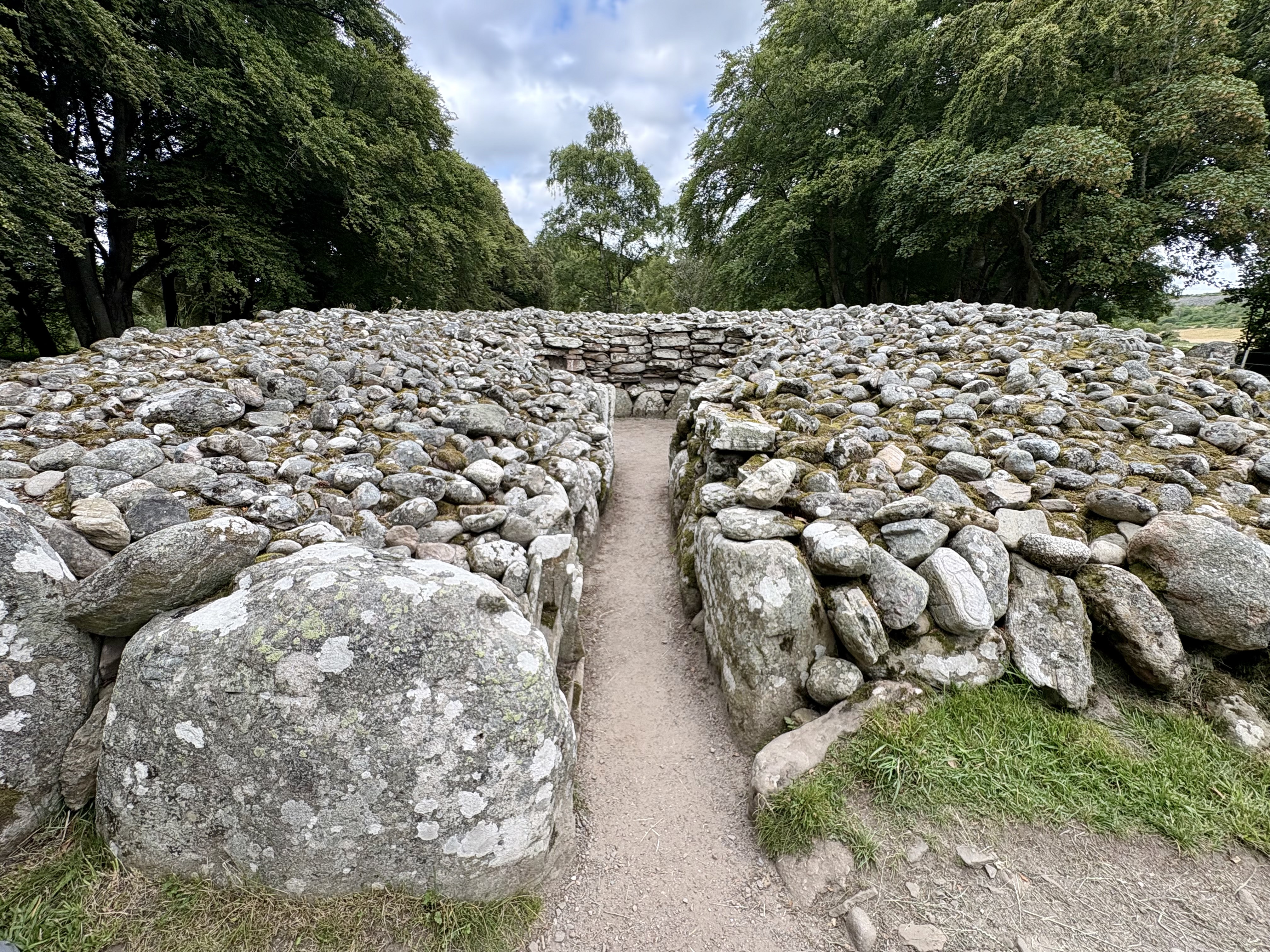
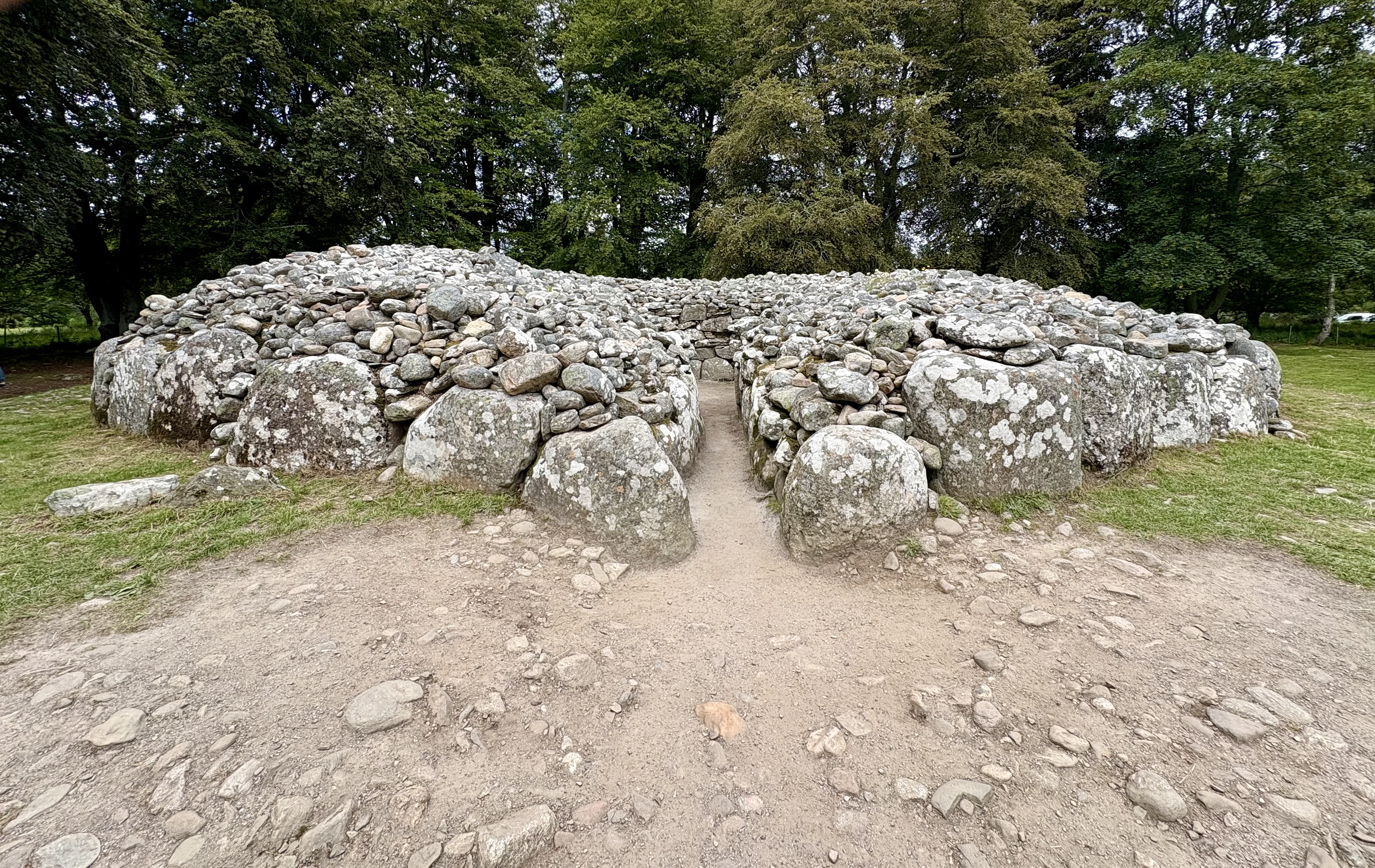
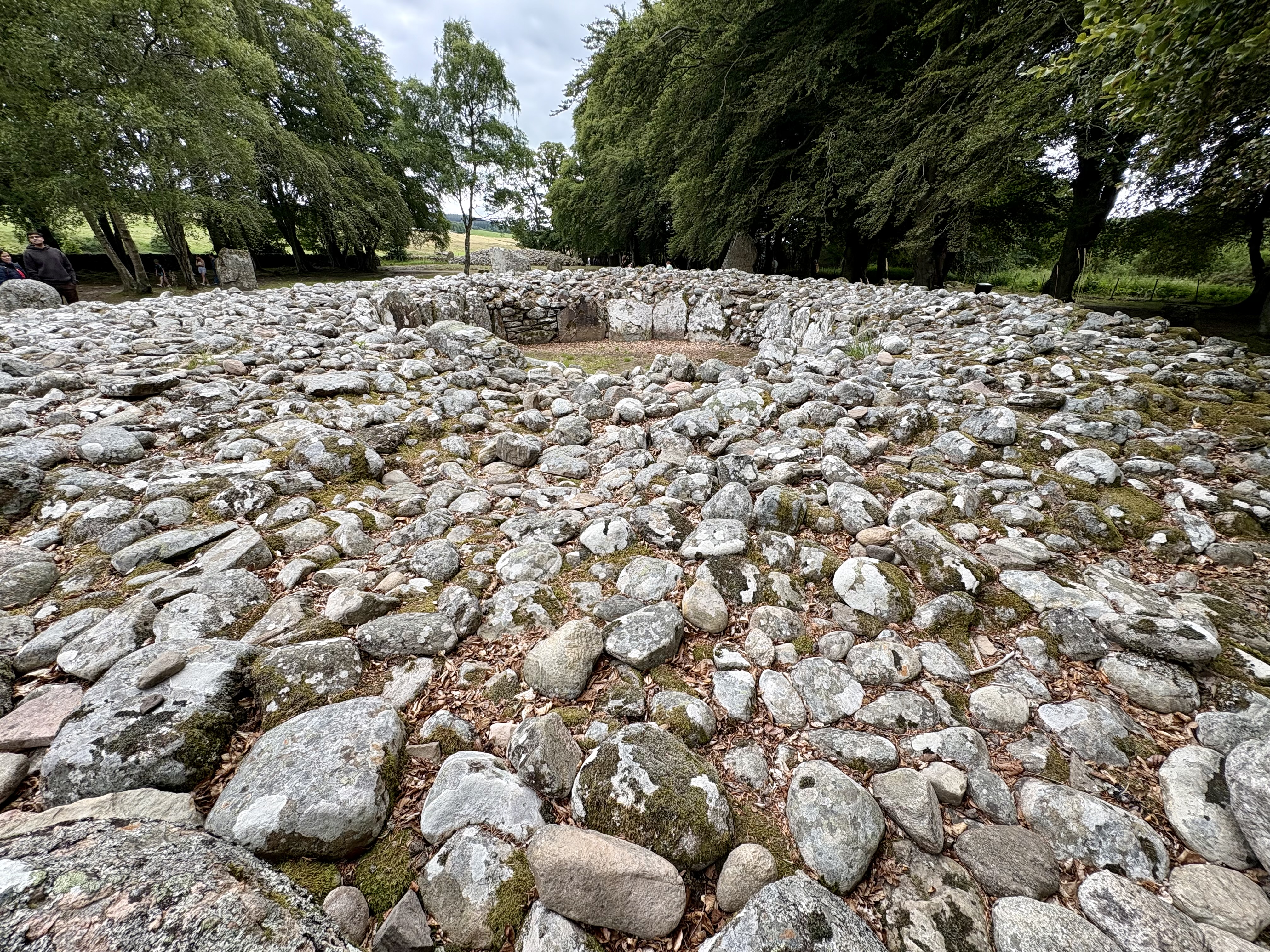
Balnuaran of Clava (or Clava Cairns) is an exceptionally well-preserved Bronze Age burial site dating back about 4,000 years, featuring unique prehistoric architecture and intentional astronomical alignments with the winter solstice. It is situated near River Nairn, roughly 10 km east of Inverness.
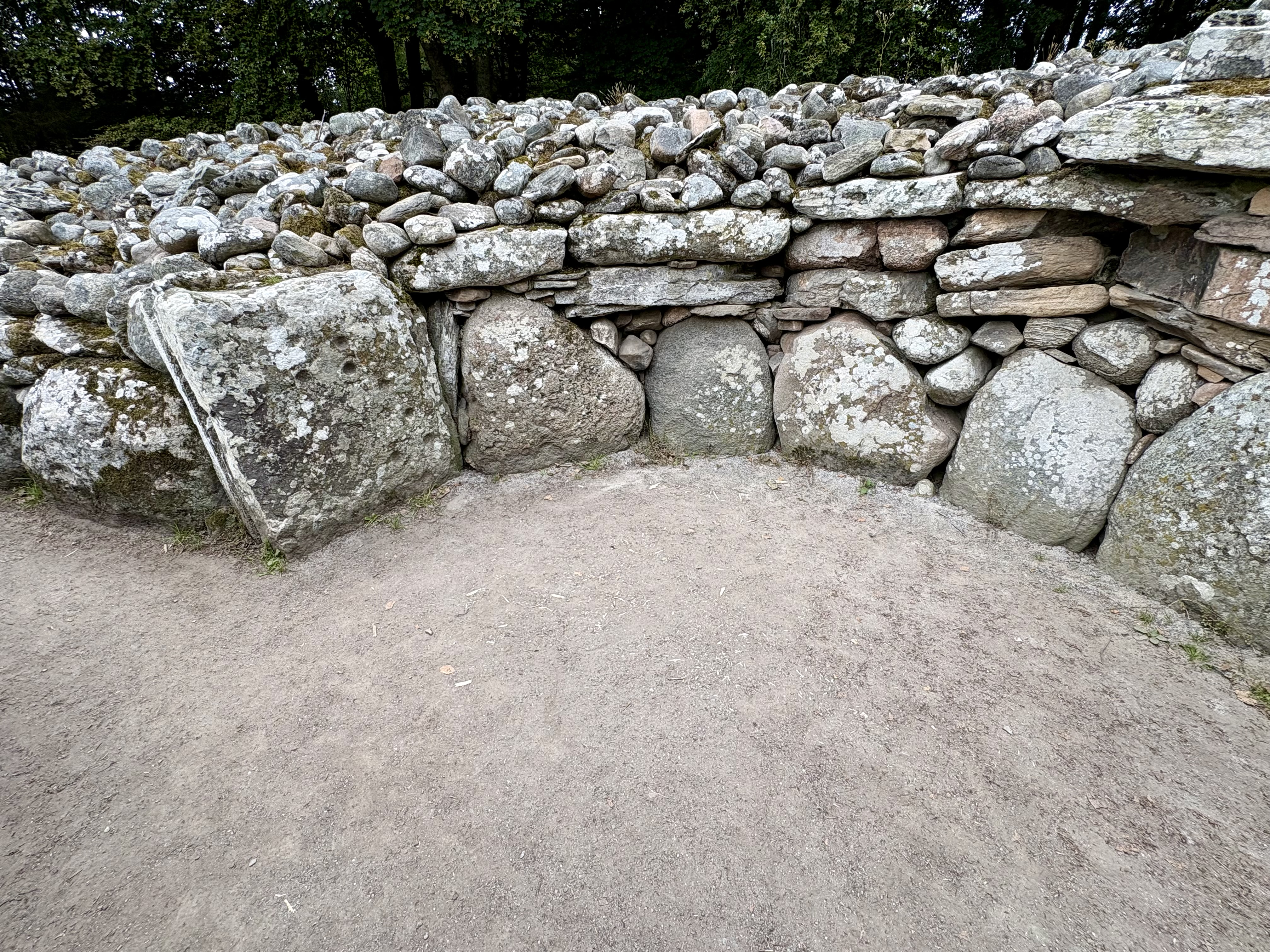
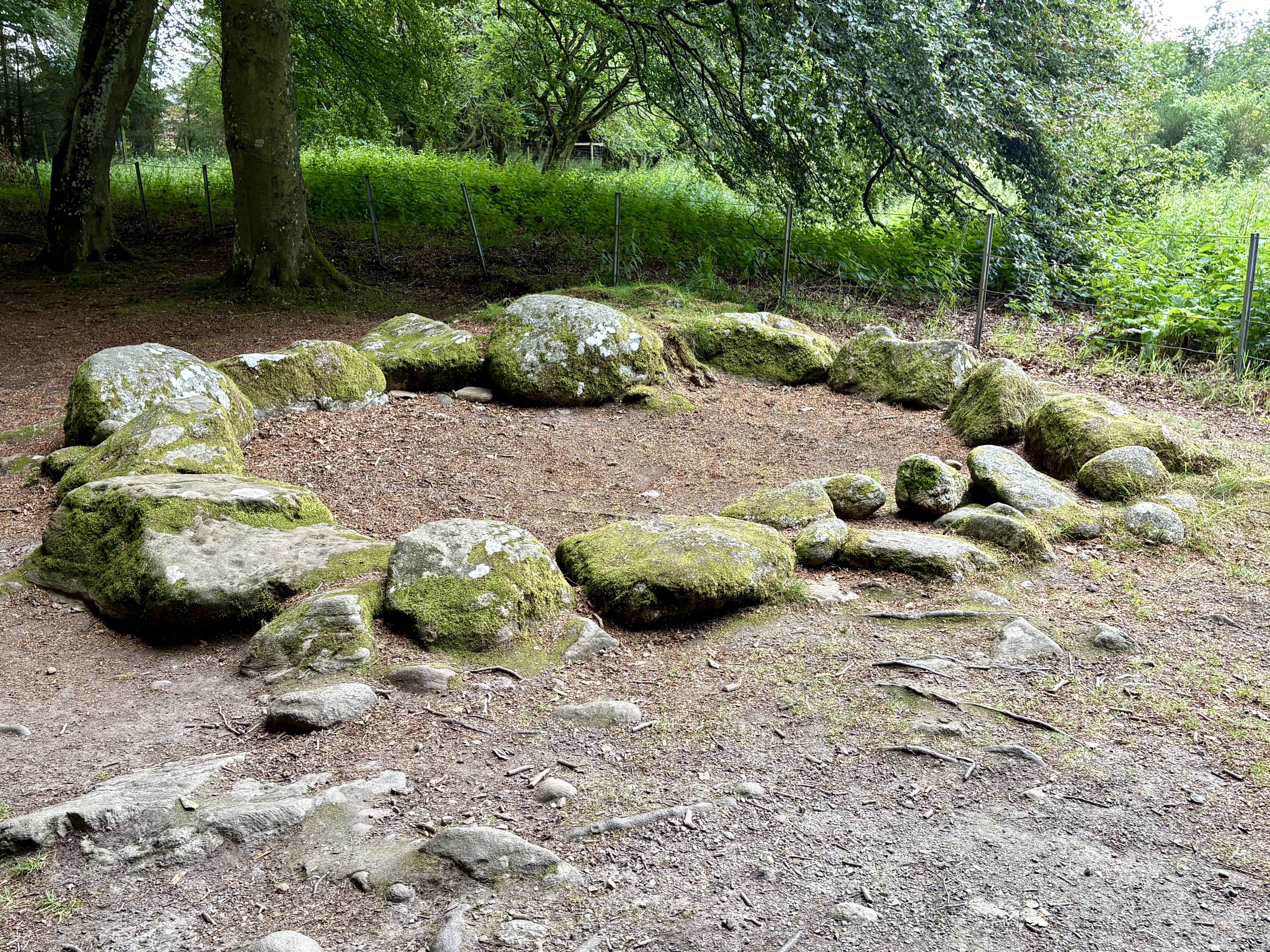
Set within a small wood, Balnuaran of Clava consists of two passage graves, a kerb ring cairn, a central ring cairn and standing stones. The three well-preserved cairns have a central chamber. While the two outer cairns have entrance passages, the chamber of the central one is enclosed. Each cairn is surrounded by a ring of standing stones.
Around 50 similar cairns are found in the region of the Moray Firth and Inverness.
Inverness
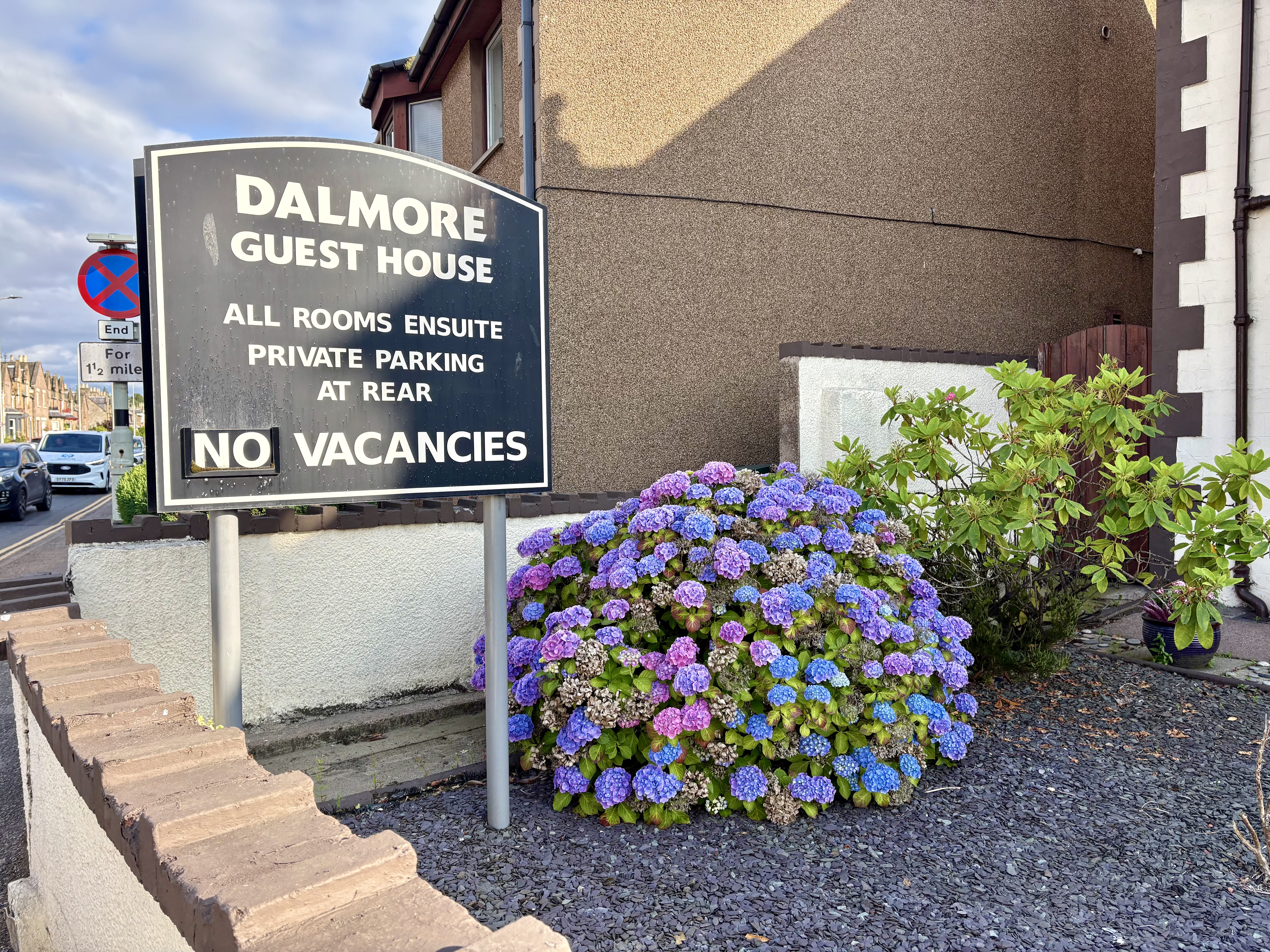
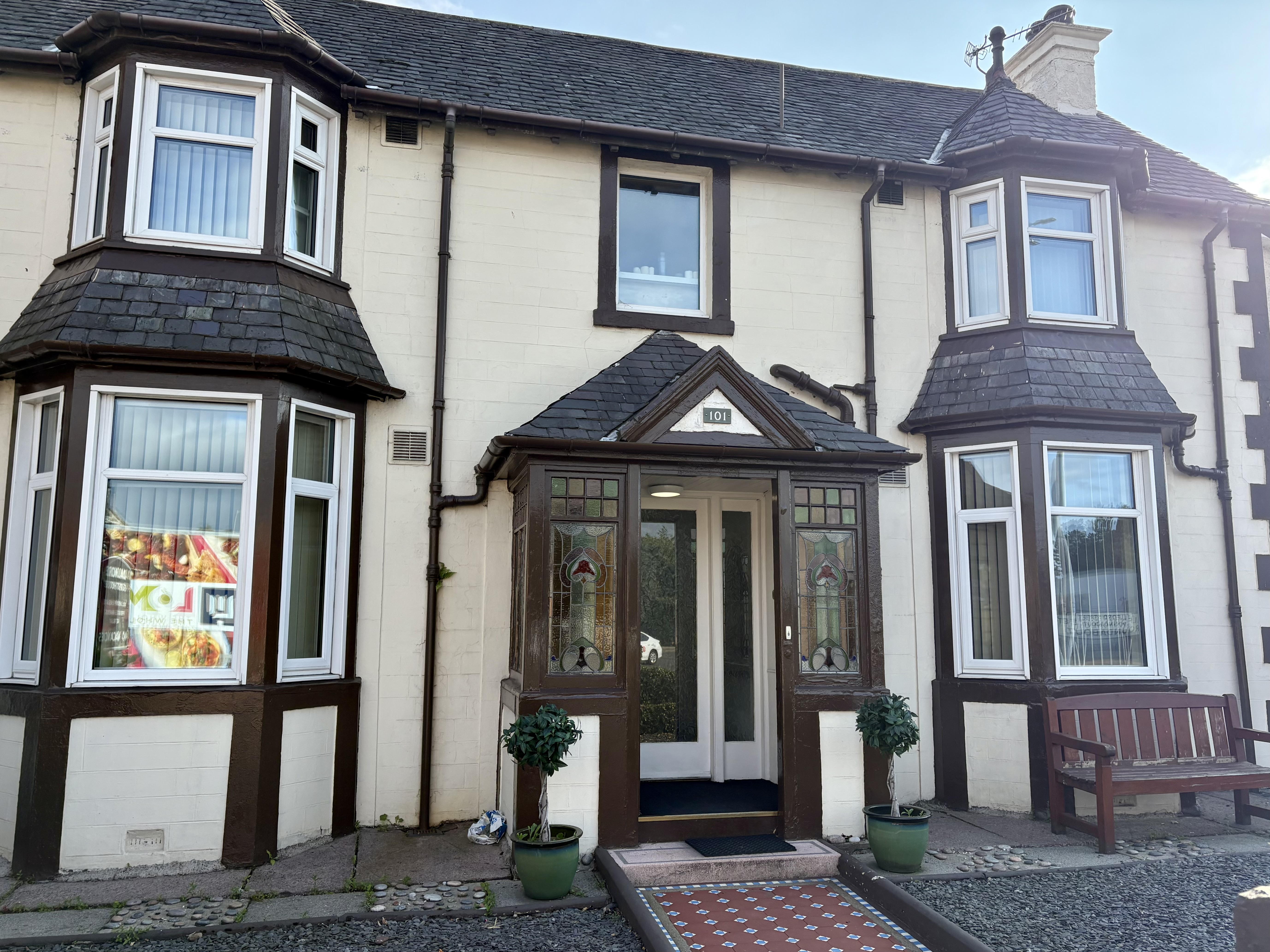
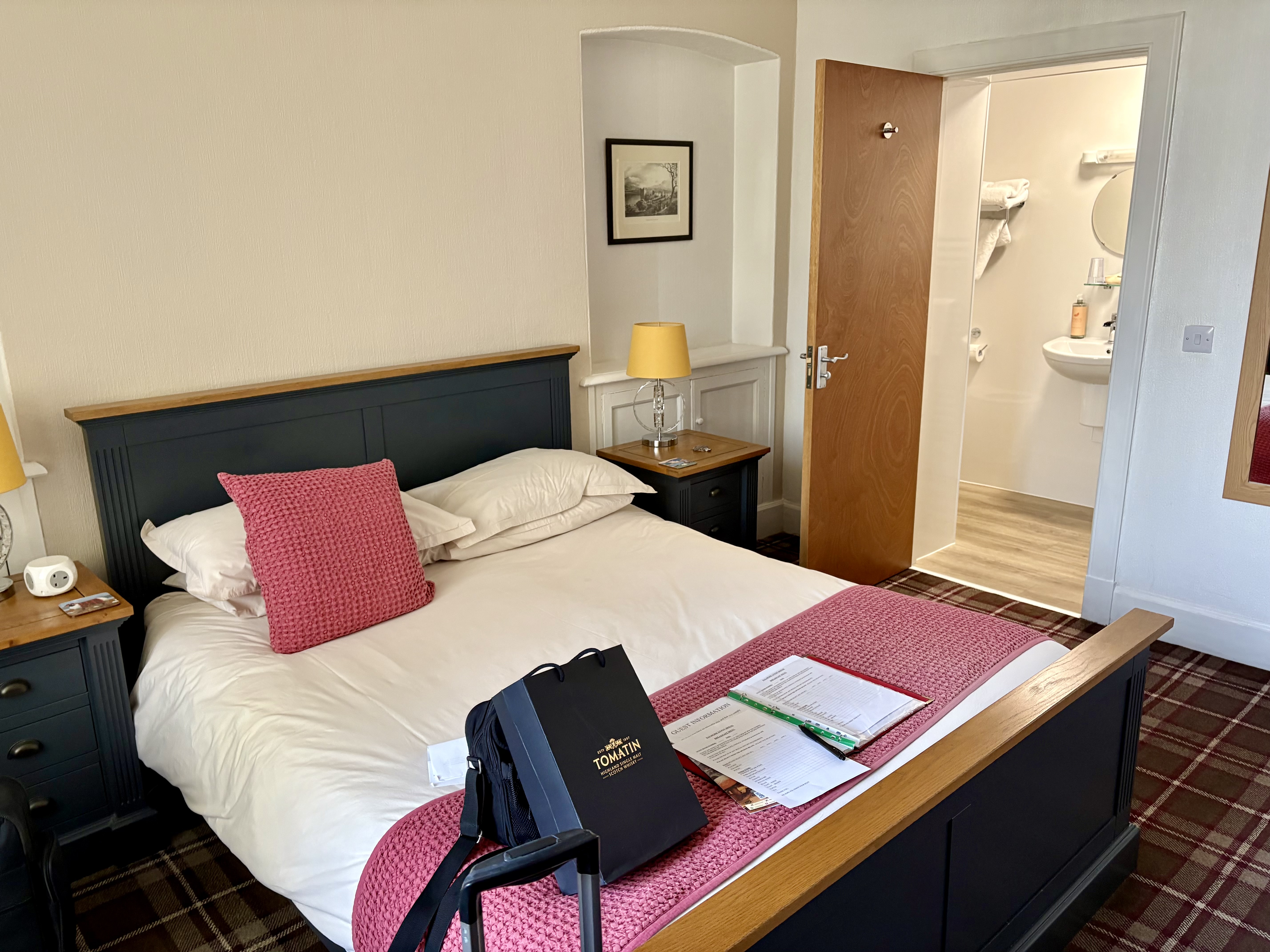
It was past 6pm when we finally reached Inverness and drove to Dalmore Guest House – our base for the night, on Kenneth Street. Reception was cordial and we were allocated the only ground floor en suite double room. It was clean, had a wall mounted flat screen TV and tea & coffee making facilities.
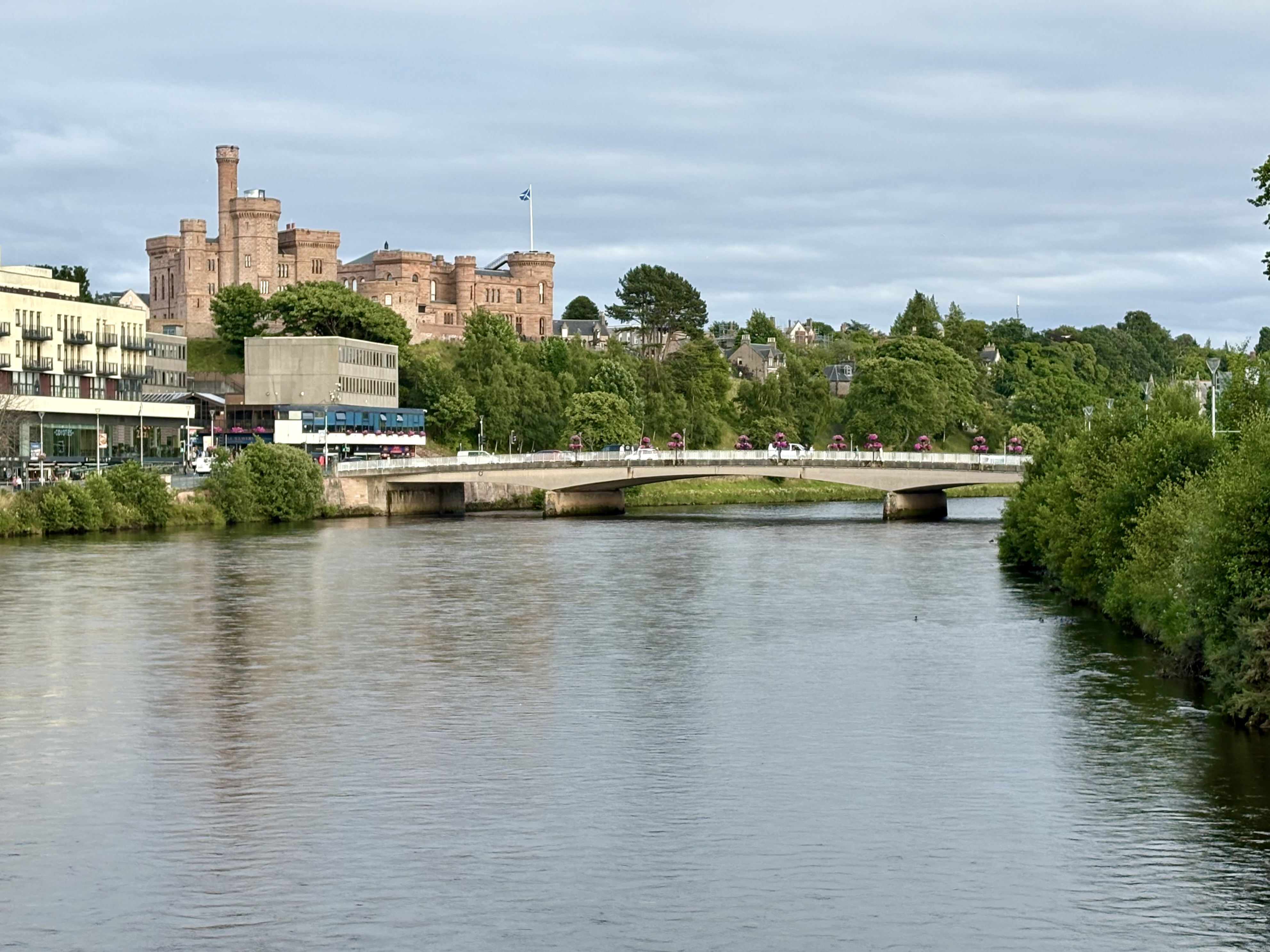
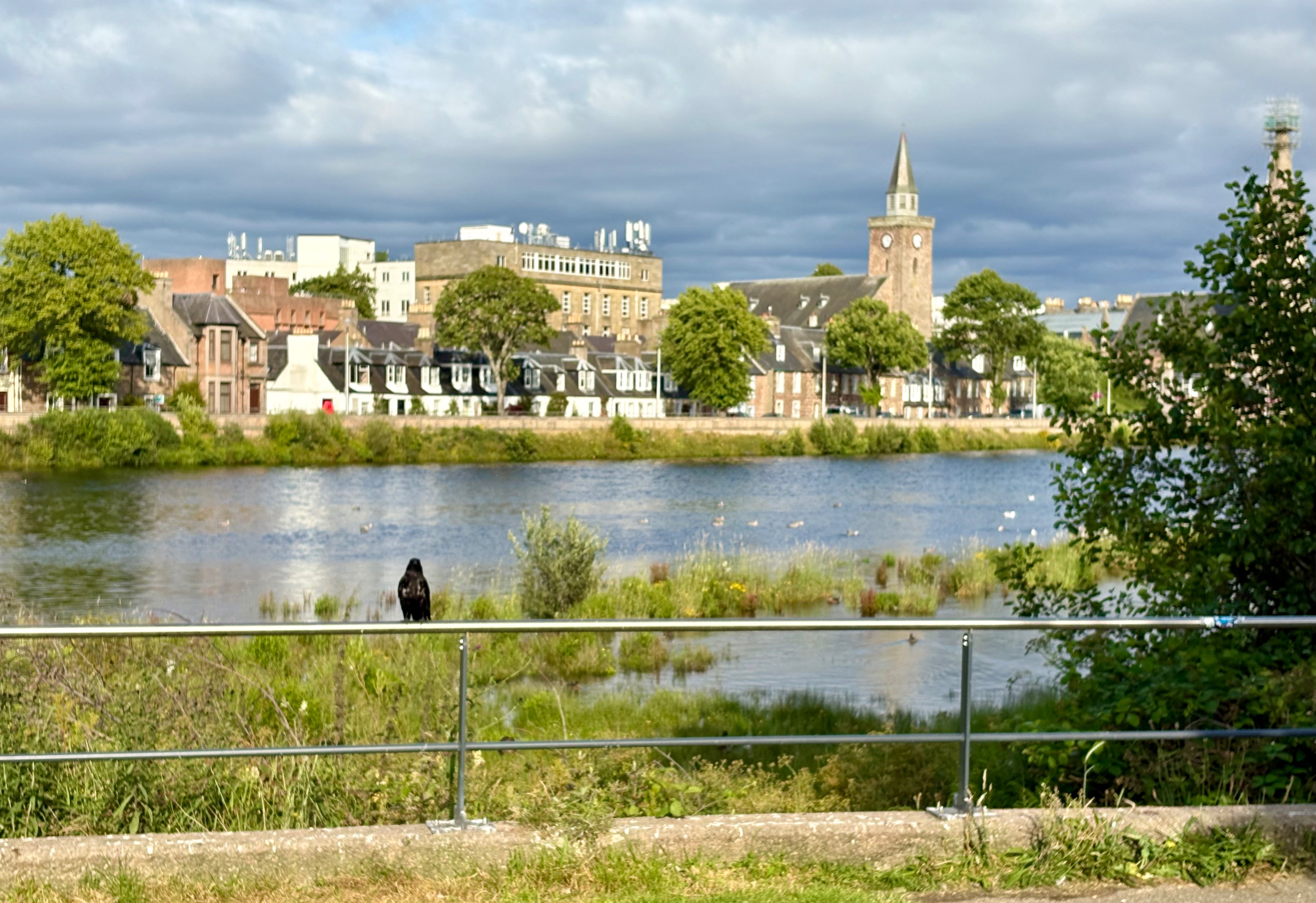
The guest house is only a short walk from River Ness, the 10 km long and fast-flowing waterway that connects Loch Ness to the Moray Firth. Its name is the origin of the city’s Gaelic name, Inbhir Nis, meaning “Mouth of the Ness”. There is a group of natural, wooded islets right in the middle of the river, linked together and to the banks by Victorian suspension footbridges. It is a popular spot for watching local birdlife and summer salmon fishing. Scenic, level paths run along both sides of the riverbank, forming part of paths like the Great Glen Way.
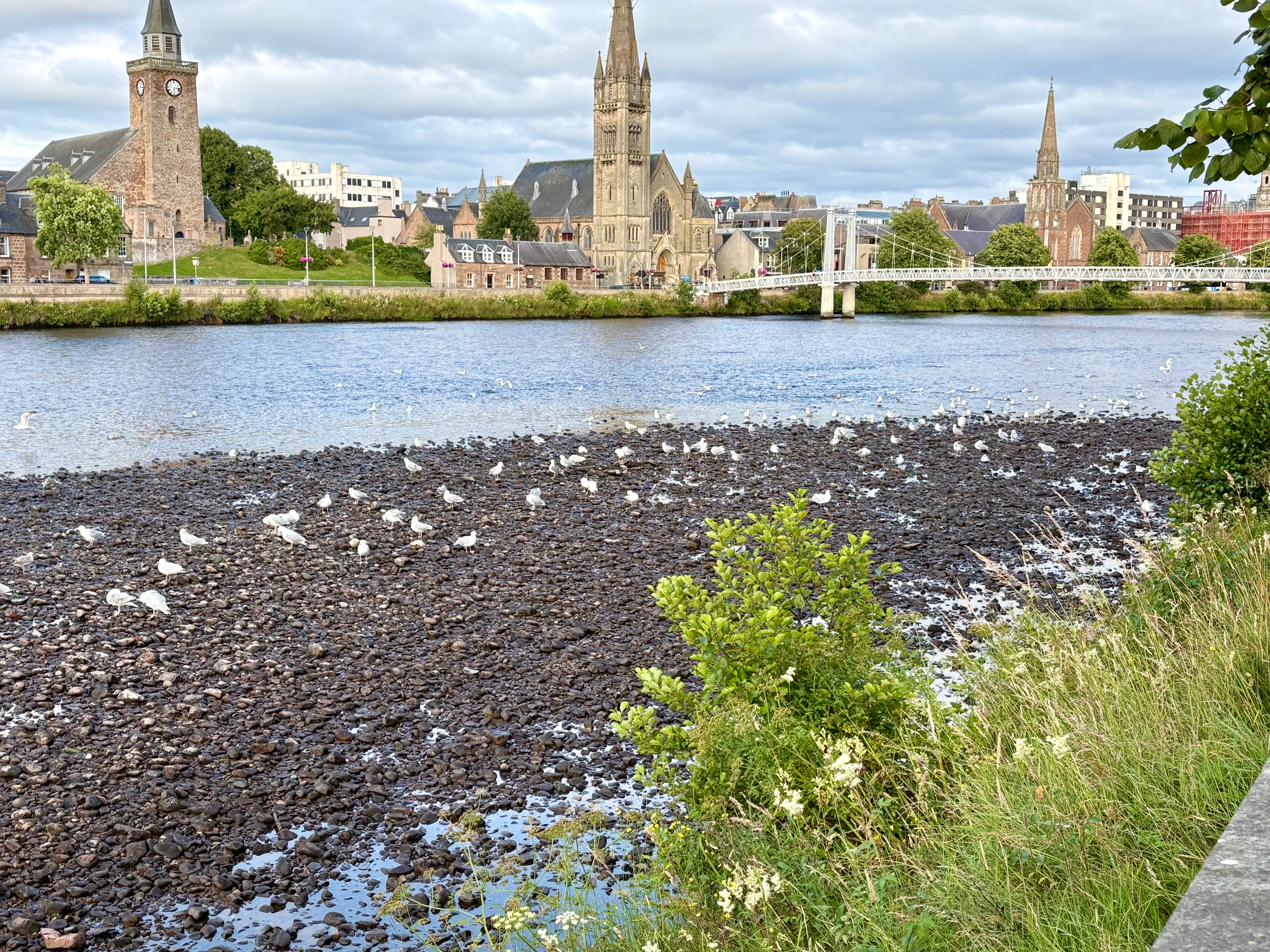
It was a cool and pleasant evening and we walked along the riverbank before dinner, watching large flocks of noisy gulls. The castle, Inverness’ most famous landmarkmon the opposite river bank, dates back only to 1835 and is a court house now.
I was disappointed we could not get a table for dinner at the famous Mustard Seed Restaurant before 9.30pm. We decided to eat at the equally well known Waterfront Gastro Pub on the riverbank at 8.30pm, just five minutes walk from the Dalmore Guest House.
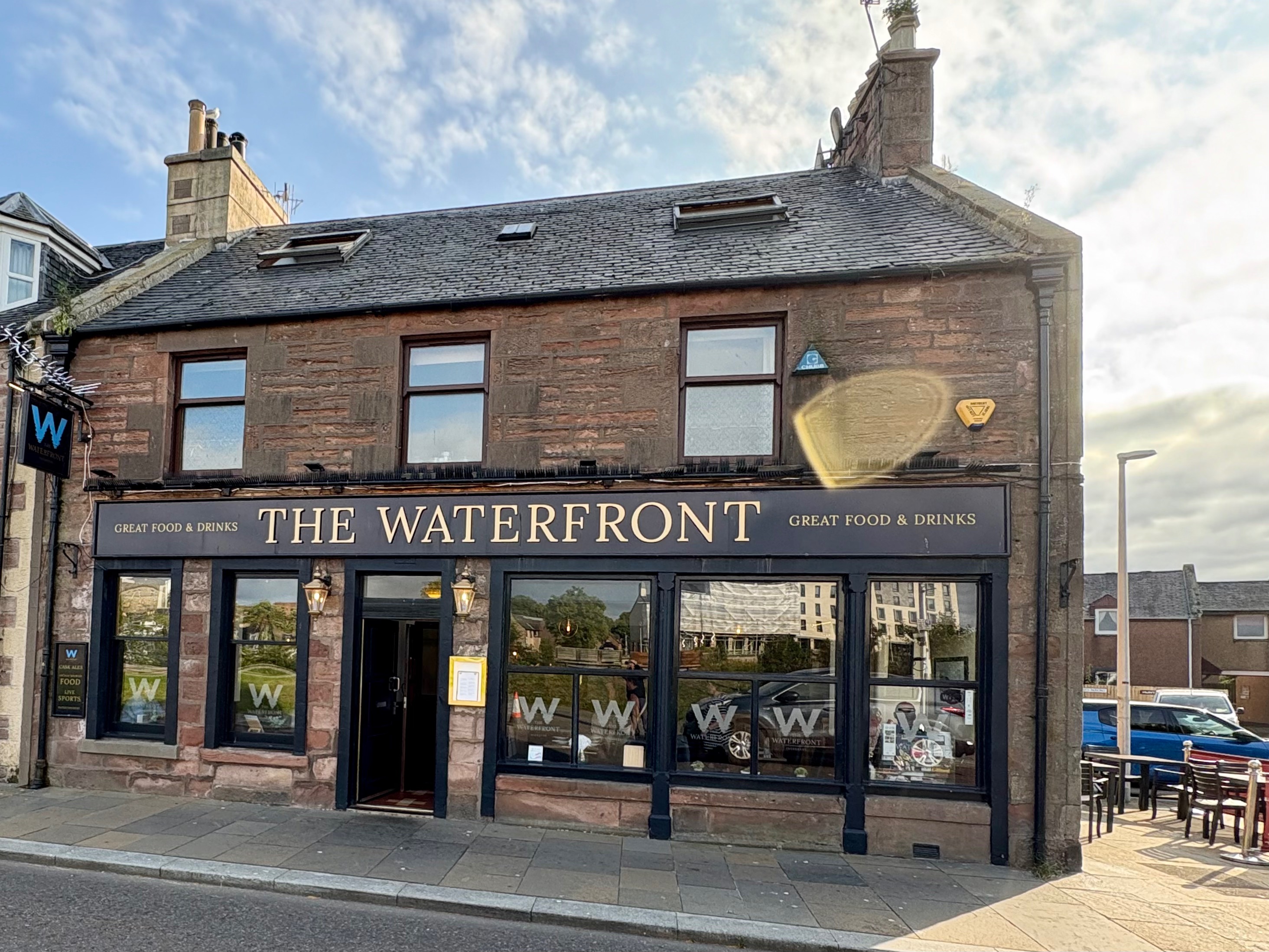
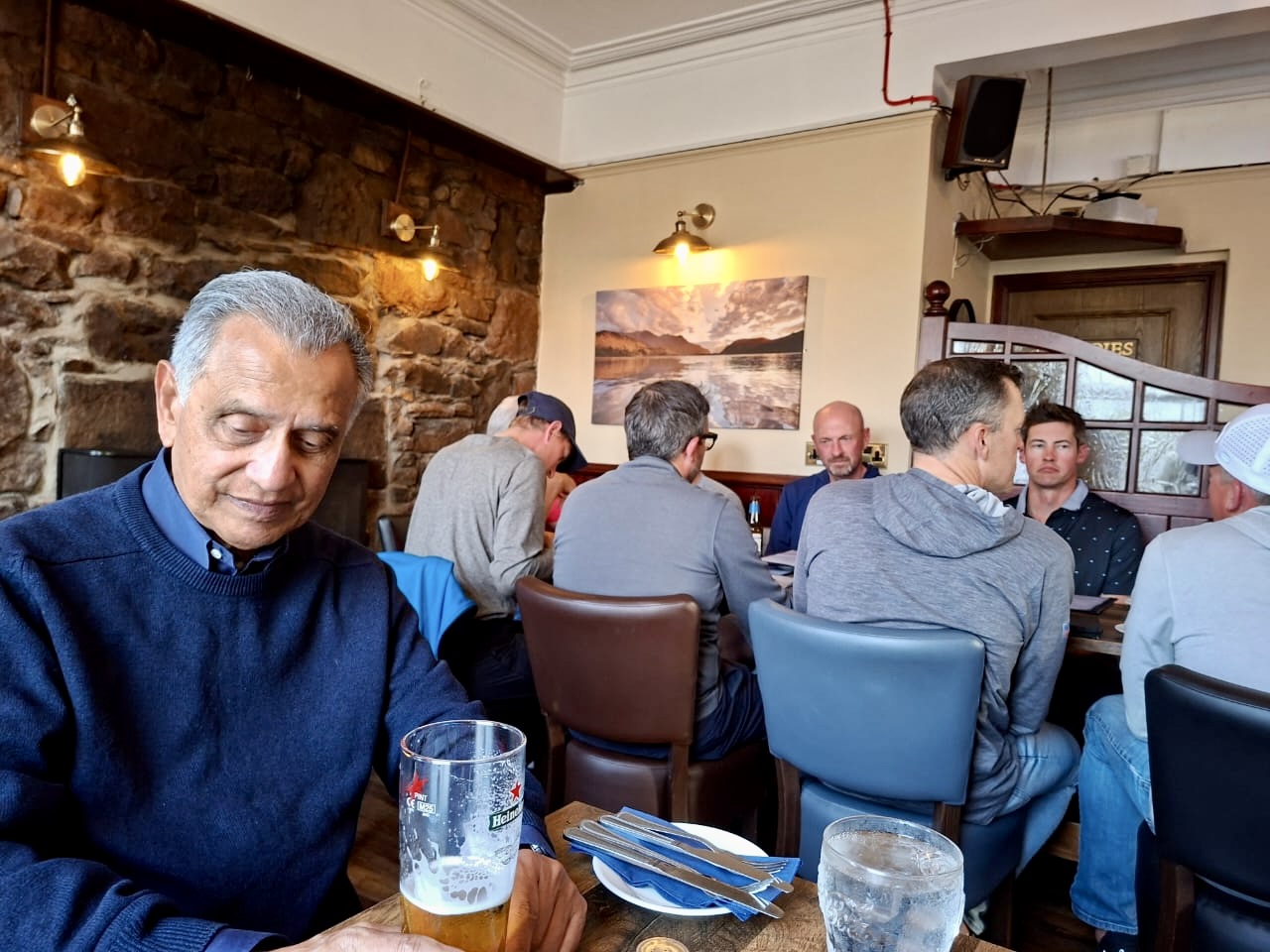
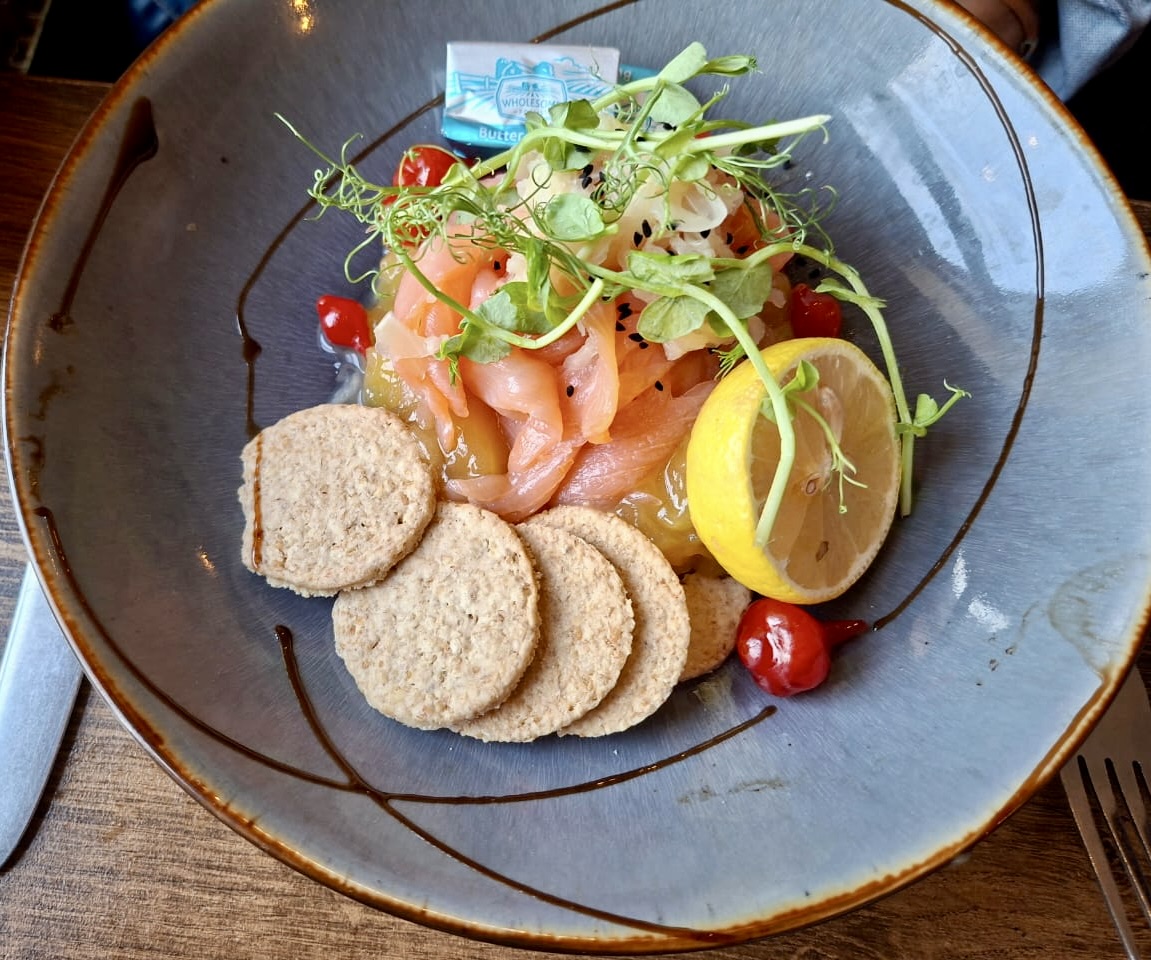
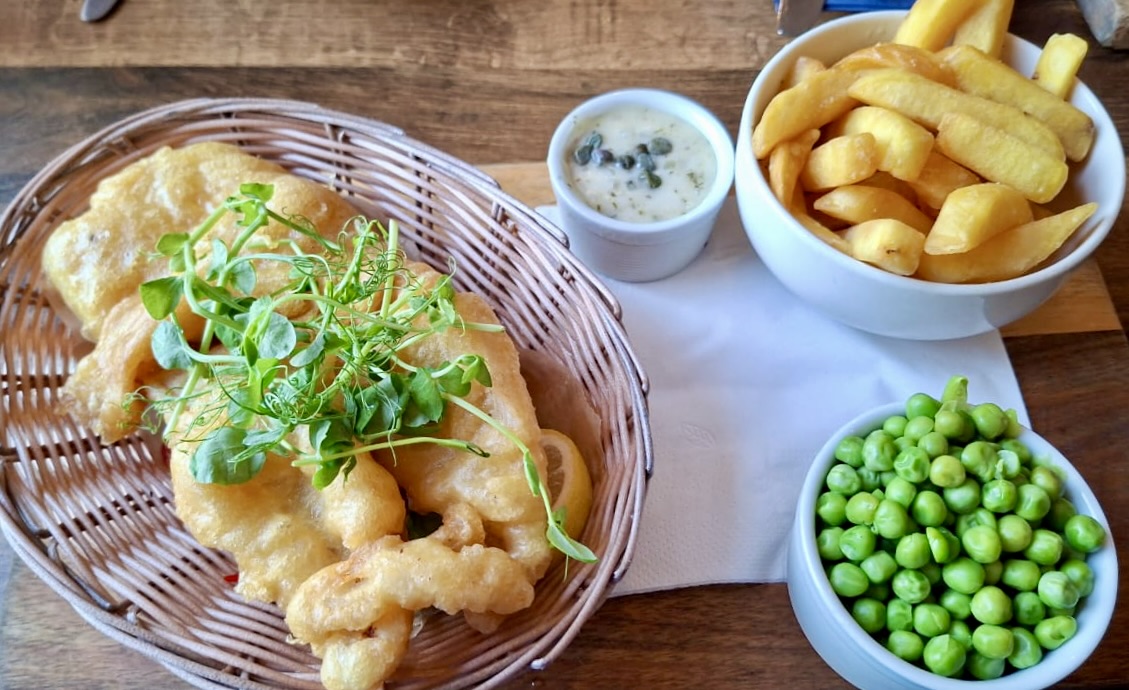
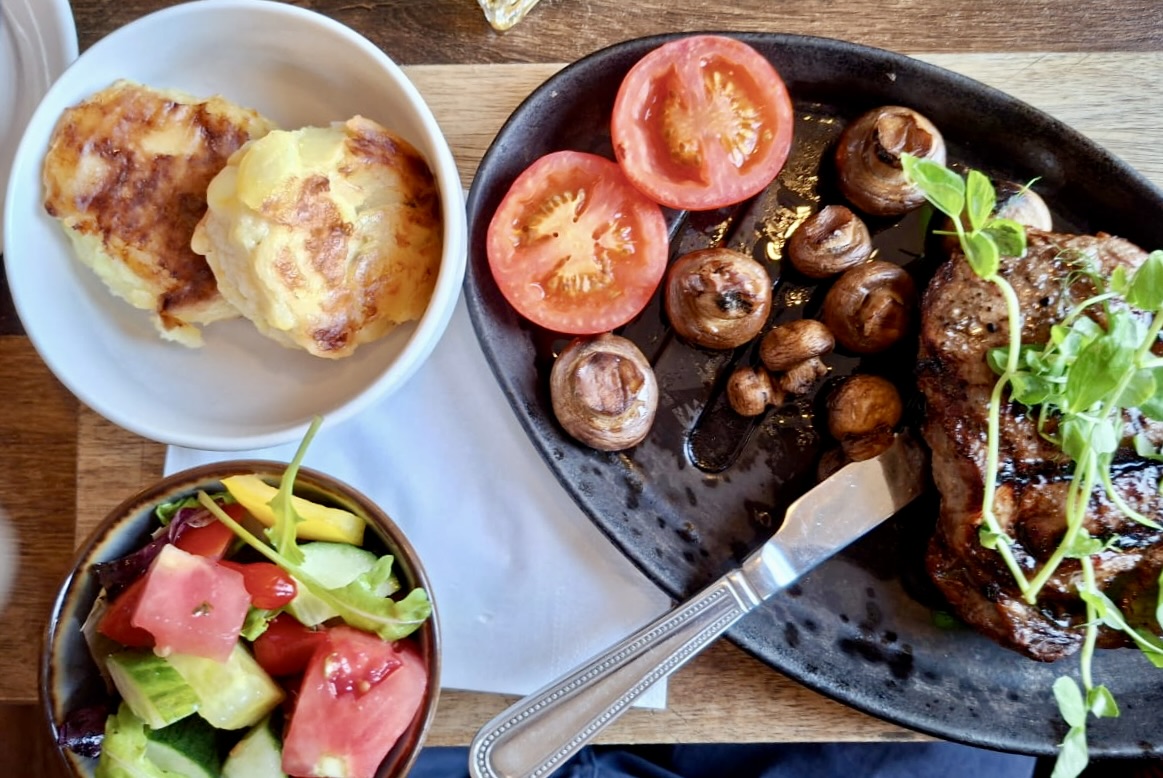
We drank Draught Heineken beer and ate smoked Salmon, fish & chips and steak. The meal was excellent and service first rate!
It was quite late when we got back to the guest house. We have had a long day with many exciting events. We were tired but happy.
The bed was very comfortable.
Published 29 July 2026

